7 Steps to Clean Smoke-Damaged Items
Smoke Damage Long Term Effects And Restoration Techniques can ruin your belongings and harm your health. Cleaning it up quickly is crucial to save items and prevent long-term issues. Whether you're dealing with minor soot or significant fire aftermath, this guide covers the best way to clean smoke damage effectively. For a complete overview, also see our Fire Damage Restoration Guide.
- Stay Safe: Wear protective gear like gloves, goggles, and a P-100 HEPA respirator. Ventilate the area and avoid eating or drinking in damaged spaces.
- Sort Items: Inspect belongings for damage. Keep salvageable items like hard surfaces and discard porous ones like mattresses or heavily stained objects.
- Gather Supplies: Use tools like HEPA vacuums, dry-cleaning sponges, and cleaning agents like tri-sodium phosphate (TSP) for effective cleanup.
- Clean Materials Properly: Use specific methods for clothes, hard surfaces, electronics, and documents to avoid further damage.
- Remove Smoke Odors: Neutralize smells with baking soda, vinegar, activated charcoal, or Top 7 Fire Odor Neutralization Techniques.
- Clean the Air: Improve air quality issues with ventilation, air purifiers, and HVAC cleaning.
- Call Professionals if Needed: For severe damage, health risks, or structural issues, seek expert help.
Quick Tip: Act fast – smoke damage worsens over time, and lingering particles can cause health problems. Follow these steps to restore your belongings and home effectively.
How To Properly Clean Fire / Smoke / Soot Damage Following a Fire
Step 1: Stay Safe and Set Up Your Work Area
Before you begin handling Fire Damage Restoration, make sure you’re prioritizing your safety. Water damage can expose you to harmful airborne contaminants like ash, soot, dust, vapors, and gases. You may also encounter toxic substances such as carbon monoxide, methane, hydrogen sulfide, asbestos, lead, and PCBs. Taking the proper precautions protects your health and ensures a smoother cleanup process.
Start by verifying that the environment is safe. Have professionals inspect the structure to rule out risks from structural damage or chemical hazards. Keep pets and children out of the affected areas until the cleaning is complete, and avoid eating or drinking in spaces damaged by smoke.
Wear Protective Equipment
Using the right personal protective equipment (PPE) is a must when cleaning smoke damage. Harmful particles and chemicals from the smoke can irritate or harm your skin, eyes, and lungs.
A P-100 HEPA respirator is essential for filtering out toxic vapors and particles. Avoid using a basic dust mask – it won’t offer the protection you need against the fine particles and chemicals you may encounter.
Your protective gear should also include gloves to shield your skin, protective eyewear to guard your eyes against irritants, and disposable protective clothing for added safety and easier cleanup. If you’re working with a team, employers are required to provide the necessary PPE and train workers on its correct usage, care, and limitations.
Once you’re geared up, focus on improving air circulation to further reduce risks.
Get Fresh Air Moving
Ventilation plays a key role in clearing out smoke particles and toxic fumes. Proper airflow not only helps eliminate lingering odors but also improves air quality, limits additional damage, and speeds up the cleaning process.
Start by turning off your HVAC system to prevent smoke from spreading further. Open windows and doors, and use fans to create cross-ventilation, pulling in fresh air and pushing out contaminants. Even if the weather is chilly, this step is crucial for your safety.
For deeper air cleaning, consider using air purifiers to remove harmful particles from the air. If professional equipment is available, using an air scrubber can significantly speed up the ventilation process. For those unfamiliar with the technology, understanding what is an air scrubber can help you see its importance in smoke removal.
Before you begin handling debris, dampen it to reduce the amount of dust stirred up during the cleaning process.
With a safe, ventilated workspace and the right protective measures in place, you’re ready to move on to assessing and cleaning your smoke-damaged items.
Step 2: Check Damage and Sort Your Items
Once your workspace is safe and ventilated, it’s time to assess the extent of the smoke damage. Start with a thorough visual inspection. Look for signs like soot, charring, or structural damage on your belongings. Pay attention to persistent smoke odors and discoloration on walls, ceilings, and fabrics – these often point to deeper issues. This step is essential to figure out what can be salvaged and what needs to be discarded.
Different types of fires leave behind distinct residues:
Dry Smoke – Fine, powdery residue from hot, fast-burning fires. Usually the easiest to clean.
Wet Smoke – Sticky, smelly residue from slow, smoldering fires. Harder to remove and often smears.
Protein Smoke – Often invisible with a strong odor; discolors paint. Common after kitchen fires involving cooking oils.
Fuel Oil Residue – Thick, hard-to-clean residue from furnace or heating system fires. Requires specialized cleaning.
When reviewing each item, focus on three factors: how much smoke exposure it endured, the type of material, and how long it's been contaminated. Take photos and notes to document the damage for insurance claims and restoration planning. For a detailed checklist, see our Fire Damage Inspection Steps. Use this information to sort items based on their condition and how well they're likely to respond to cleaning.
Find Items You Can Save
Not all materials react to smoke the same way, so understanding what can be restored is key. Hard, non-porous surfaces like glass, ceramic dishes, metal cookware, and sealed solid wood furniture often have the best chance of recovery.
Electronics and appliances require extra caution. Soot is acidic and can harm electronic components, so if you see buildup on vents or surfaces, don’t power them on until they’ve been cleaned by a professional.
Clothing and textiles fall somewhere in the middle. Natural fibers like cotton and wool are generally easier to clean than synthetic ones. However, soft fabrics like curtains and upholstery are more likely to stain and hold onto odors, making them harder to restore.
Wood and metal items may show signs of rust, warping, or deep staining due to smoke exposure. Before deciding to keep them, check for structural damage. Always do a spot test on a hidden area before using any specialized cleaning method. If an item doesn’t pass the spot test, it’s probably not salvageable and should be moved to the discard pile.
Throw Away Items That Can’t Be Fixed
Some items are simply beyond saving. Smoke particles are toxic and can contain substances like tar, carbon, and heavy metals.
Porous materials – like mattresses, pillows, upholstered furniture, carpets, and rugs – absorb smoke, soot, and odors deeply, making them nearly impossible to clean. Food, medicine, and personal care products that have been exposed to heat, smoke, or firefighting chemicals should also be discarded immediately. Additionally, items like children’s clothing and toys that may have absorbed harmful chemicals should not be kept.
Objects with visible charring, melting, or heavy staining are usually unsalvageable. Plastics and fiberglass, for example, can deteriorate quickly when exposed to smoke, often turning yellow or becoming brittle. Melted or heavily stained plastics, along with drywall or painted surfaces that are deeply damaged, typically need to be replaced rather than cleaned. For guidance on proper disposal, see our article on Safe Disposal of Fire Damaged Materials.
For items with sentimental value or complex construction, consult a Commercial to see if specialized techniques can save them. You may also want to explore Top 5 Soot Cleaning Services for specialized assistance.
Step 3: Get Your Cleaning Supplies Ready
Cleaning up after smoke damage starts with having the right tools and supplies. The type of residue left behind – whether it’s fine, powdery soot from a fast-burning fire or sticky residue from a slow burn – requires specific products to tackle it effectively. Here’s a rundown of what you’ll need to get started.
Basic Cleaning Supplies You Need
For most smoke residue, start with key cleaning products that can handle stubborn stains and odors. Tri-sodium phosphate (TSP) is a go-to option. It works well on both fabrics and hard surfaces by breaking down tough residues and neutralizing lingering odors.
Other useful items include mild soap, baking soda, and white vinegar. These can help dissolve soot and eliminate smells, but always test them on a hidden area first to avoid damage. For hard floors, a mix of gentle dish soap and warm water provides a safe cleaning solution that won’t harm most surfaces.
Your cleaning kit should also include:
- Protective gear: Rubber gloves, safety goggles, and N95 respirators
- Cleaning tools: Dry-cleaning sponges, microfiber cloths, clean rags, and buckets
- Equipment: A HEPA vacuum for capturing loose soot without spreading it
A HEPA vacuum is especially important because its filters trap 99.97% of particles, including soot and ash, down to 0.3 microns. For initial cleaning, dry-cleaning sponges made from natural rubber are excellent. They work like erasers to lift soot from surfaces without using water, making them ideal before moving on to wet cleaning methods.
Best Cleaners for Smoke Damage
Not all cleaners work equally well on smoke damage. The best cleaner for smoke damage depends on what type of residue you're dealing with and what surface you're cleaning. Here are the top options:
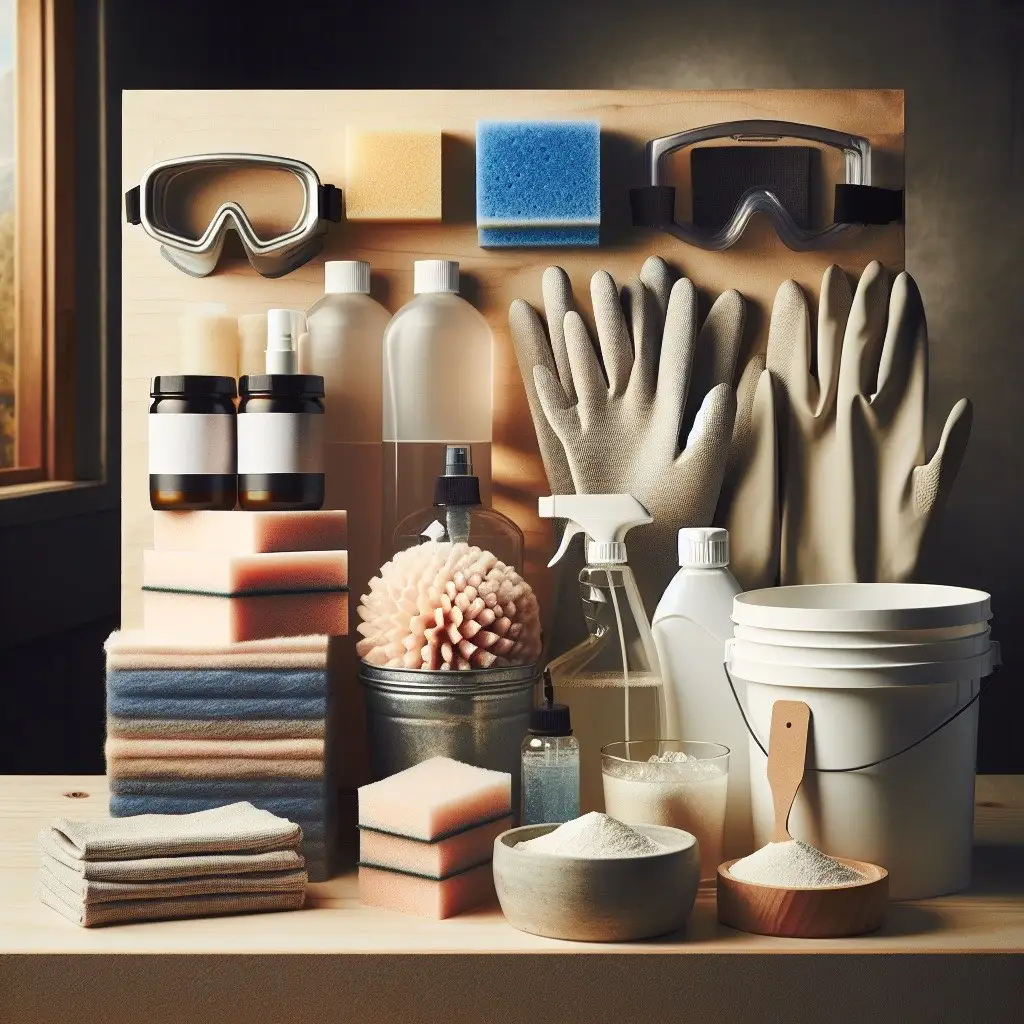
TSP (Tri-Sodium Phosphate) is the go-to choice for most smoke damage. It cuts through stubborn residue on walls, ceilings, and hard surfaces while neutralizing odors. Mix 1 cup per gallon of warm water and always wear gloves – it's strong stuff.
Dry-cleaning sponges are essential for the first pass. Made from natural rubber, they lift soot from surfaces without smearing it around. Use them dry and replace them when they get saturated.
Enzymatic cleaners work best for protein smoke from kitchen fires. Unlike regular cleaners that mask odors, enzymatic formulas break down odor-causing compounds at the molecular level.
Professional degreasers like Legend Brands Unsmoke Degrease-All or Benefect Atomic Degreaser handle heavy smoke residue that household cleaners can't touch.
Household alternatives can help with lighter damage:
- Baking soda – Sprinkle on fabrics and carpets to absorb odors
- White vinegar – Place bowls around the room to neutralize airborne particles
- Dish soap – Mix with warm water for gentle cleaning on most hard surfaces
Special Tools for Smoke Damage
Sometimes, basic supplies aren’t enough, and that’s when specialized tools come into play. For example, air scrubbers with HEPA and activated carbon filters are perfect for removing smoke particles, odors, and other contaminants from the air while you work.
Thermal foggers are another powerful tool. They release tiny particles that penetrate surfaces to neutralize stubborn smoke odors. These particles can reach the same spaces where smoke originally settled, making them more effective than surface cleaning alone. Similarly, ULV (Ultra Low Volume) foggers disperse deodorizing agents in ultra-fine droplets, ensuring every corner of a room is treated.
If water damage from firefighting efforts is a concern, industrial-grade dehumidifiers can help reduce moisture and prevent mold growth. Negative air machines are also useful for keeping contaminated air from spreading to unaffected areas during the cleanup process.
For fine ash and soot, ash vacuums are a safer option than regular vacuums, which might spark a fire if the particles are still hot. In cases of severe damage, dry ice blasters can safely remove soot and charring from delicate surfaces. This method often requires professional expertise but is worth considering for valuable or fragile items.
Lastly, enzymatic cleaners offer a different approach. Instead of masking odors, they break down odor-causing compounds at the molecular level, making them especially effective for protein-based residues from kitchen fires.
Having the right supplies and tools on hand can make a huge difference in tackling smoke damage efficiently and safely.
Step 4: How to Clean Different Types of Materials
Now that you have your supplies ready, it’s time to focus on cleaning each material properly. Different materials require different methods to remove soot and smoke damage effectively. Using the wrong technique can cause irreversible harm, so it’s crucial to take the right approach for each type of item.
Clothes and Fabric Items
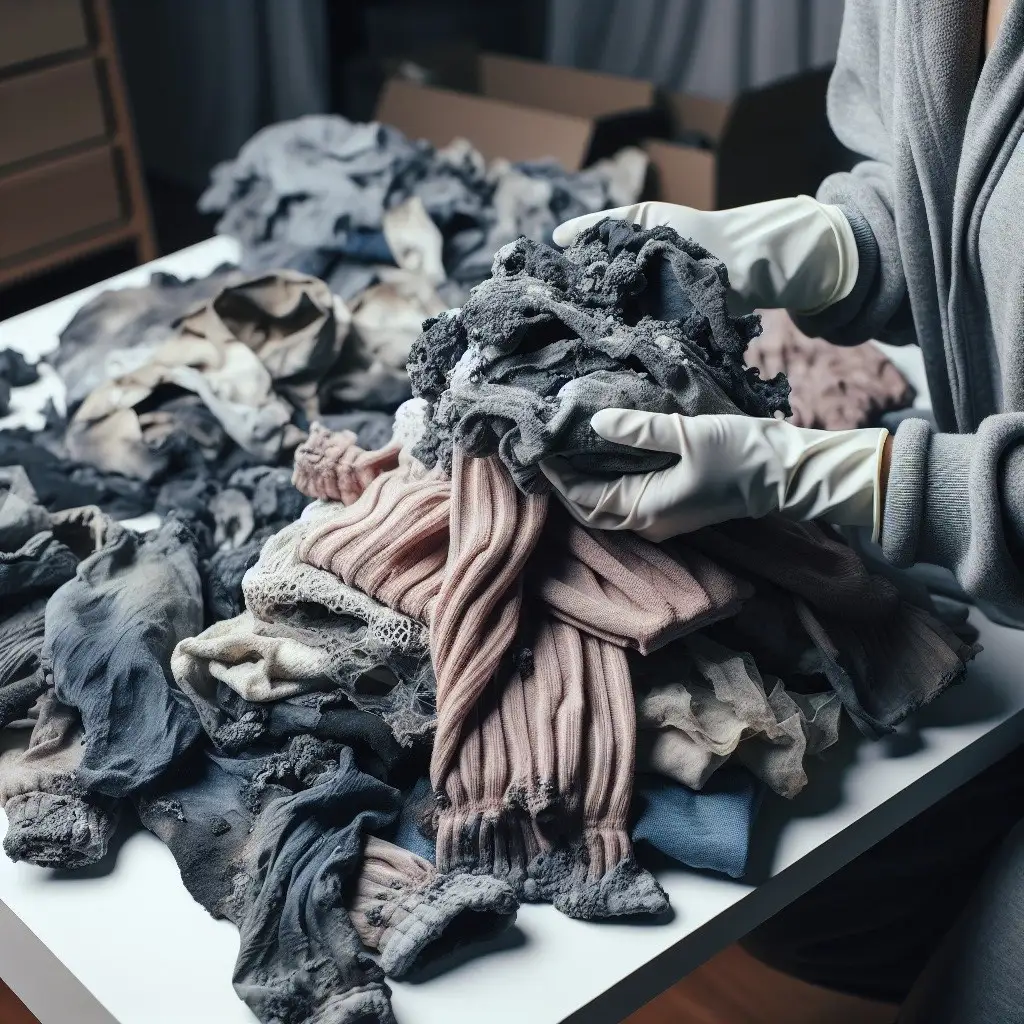
Start by sorting clothes according to fabric type and checking their care labels. To remove loose soot without embedding it further into the material, shake the items outdoors or use a vacuum with a narrow nozzle attachment. Avoid brush attachments, as they can push soot particles deeper into the fibers.
Before washing, tackle any lingering odors. While home remedies might mask the smell temporarily, professional ozone treatments are often the best way to fully deodorize smoke-damaged clothing. If you’re working on your own, adding one cup of white vinegar to the wash cycle can help neutralize odors. For spot cleaning, try applying a paste made from lemon juice and salt, letting it sit for about 15 minutes before washing.
When washing, use a heavy-duty detergent specifically designed to handle soot. Always wash smoke-damaged clothes separately to avoid spreading the odor or residue to other items. For delicate fabrics or items with extensive damage, hand washing is a safer choice. Air-dry these items outdoors, sprinkling baking soda on them during the drying process to absorb any remaining smells. Avoid using a dryer initially, as the high heat can lock in stains and odors. For non-washable fabrics, such as curtains or upholstered furniture, airing them out in a well-ventilated space is a good start, but professional cleaning services may be necessary for thorough results.
Now, let’s look at how to handle soot on hard surfaces.
Hard Surfaces Like Walls and Furniture
Cleaning hard surfaces requires a two-step process: dry cleaning first, followed by wet cleaning. Start by vacuuming loose soot and ash from the surface. After that, use a dry-cleaning sponge to gently lift any remaining residue. This step is essential to avoid turning the dry soot into a messy sludge when water is introduced.
For the wet cleaning phase, choose a solution designed to break down smoke residue. Products like Legend Brands or Benefect work well. If you prefer a DIY solution, a mix of salt and warm water can help with stubborn stains, while a sprinkle of baking soda can assist with any residual grime.
For wood furniture, follow up vacuuming and dry sponging by wiping the surface with a damp cloth, then finish with a high-quality wood polish to restore its shine. Latex-painted walls generally respond well to cleaning, but oil-based paints may darken, so test a small area first.
Best Way to Clean Smoke-Damaged Walls
Cleaning smoke-damaged walls takes patience, but the right approach makes a big difference. The best way to clean smoke damaged walls is to start with dry cleaning, then move to wet methods – doing it the other way around can turn dry soot into a messy sludge that's harder to remove.
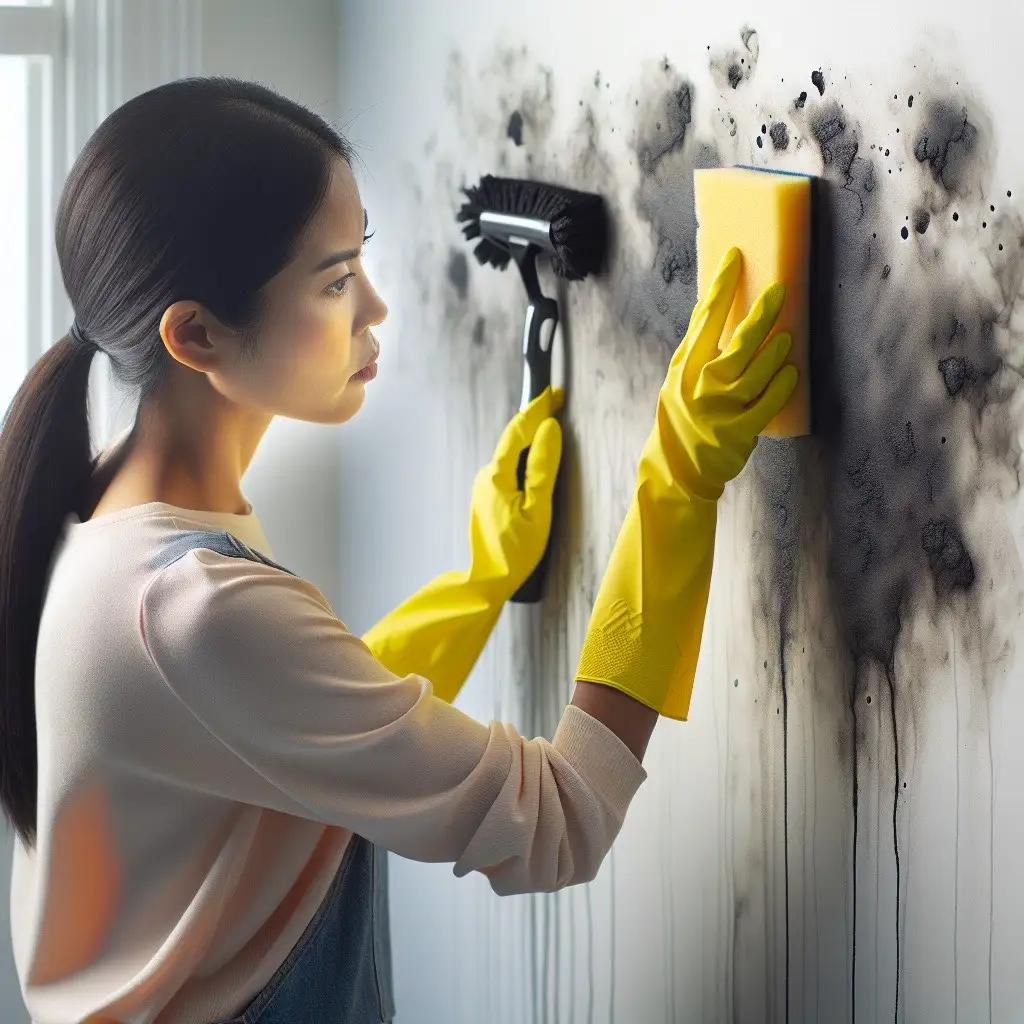
Step 1: Vacuum loose soot – Use a HEPA vacuum with a brush attachment to gently remove loose particles from the wall surface. Work from top to bottom.
Step 2: Use a dry-cleaning sponge – These natural rubber sponges lift soot without water. Wipe in straight, downward strokes and don't press too hard. Replace the sponge when it gets saturated.
Step 3: Mix your cleaning solution – Combine 1 cup of TSP (tri-sodium phosphate) with 1 gallon of warm water. TSP cuts through smoke residue better than regular cleaners. Always wear gloves when using TSP.
Step 4: Clean from bottom to top – This might seem backward, but it prevents dirty streaks from dripping onto areas you've already cleaned. Rinse your sponge frequently in clean water.
Step 5: Rinse with clean water – Go over the walls again with plain water to remove any cleaning residue. Let the walls dry completely.
If stains remain after cleaning, you may need to seal the walls with a stain-blocking primer like Kilz Original or Zinsser B-I-N. These primers lock in smoke odors and prevent yellowing from bleeding through new paint. For textured walls with tough residue, you may need to use a drywall sander with fine-grit paper before priming and repainting.
Cleaning Candle Soot from Ceilings
Candle soot on your ceiling might look alarming, but it's usually easier to clean than fire damage. Those black marks happen when candle flames burn unevenly, releasing tiny carbon particles that drift upward and stick to surfaces.
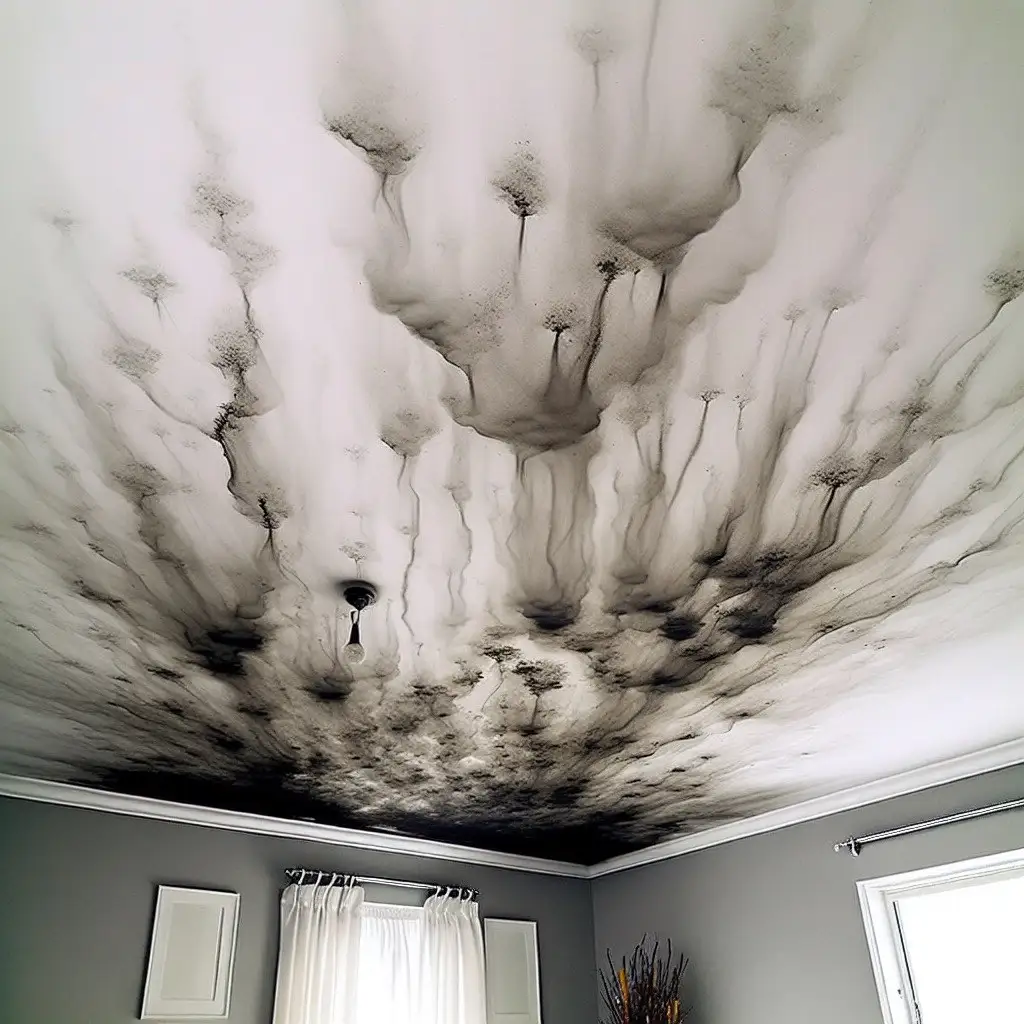
Here's how to tackle candle soot on ceiling surfaces:
- Start with a dry-cleaning sponge – Gently wipe the soot in one direction. Don't scrub back and forth, or you'll spread the stain.
- Work in small sections – Clean a few inches at a time, flipping or replacing the sponge as it gets dirty.
- Follow up with a damp cloth – Mix a little dish soap with warm water and lightly wipe the area.
- Let it dry completely – Check for any remaining marks once the ceiling is dry.
To prevent future buildup, keep candle wicks trimmed to about 1/4 inch and avoid placing candles in drafty areas. If the soot keeps coming back, consider switching to cleaner-burning soy or beeswax candles.
Electronics and Paper Documents
Electronics and paper documents require extra care, as they are particularly sensitive to smoke and soot. Smoke can corrode electronic components and cause insulation issues – this is especially common after electrical fires. Start by removing any batteries from electronics and setting them aside for at least 24 hours. Use cotton balls lightly dampened with 99% isopropyl alcohol to clean the exterior surfaces, but avoid soaking any components. A low-pressure air compressor can help blow out dust and soot from delicate areas. Steer clear of cleaning agents containing bleach, ammonia, acetone, ethyl acid, or vinegar, as these can cause permanent damage.
For paper documents, handle them gently, as smoke exposure can make them brittle and prone to deterioration. Use a dry sponge to clean covers and edges, lifting surface residue. For light soot exposure, tools like a vacuum, lamb’s wool duster, dry brush, or air wash can be effective.
If documents have gotten wet during firefighting efforts, freeze them immediately if you can’t start drying them right away. Freezing slows down deterioration and prevents mold growth. Store them in your home freezer or a cold storage facility until you’re ready to proceed.
"You should hold on to a document if you think you might need it, if it is a personal identification document, if it is something that has to do with your finances, or if it protects your future (like life insurance or a will)." – Dave Ramsey
For valuable documents or electronics, Miramar water damage restoration can help. They may use advanced techniques like sanding to remove soot or ozone gas chambers to deodorize documents, giving these items a better chance of recovery.
Step 5: Get Rid of Smoke Smells and Clean the Air
Even after a thorough cleaning, smoke odors can stubbornly linger. Smoke particles are notorious for embedding themselves in porous surfaces like walls, furniture, carpets, and HVAC systems, making odor removal a tough challenge. However, with the right strategies, you can significantly improve the air quality in your home.
Ways to Remove Odors
The key to tackling smoke odors is to neutralize and absorb them, not just cover them up. Fire smoke, in particular, is more intense than cigarette smoke and demands a more aggressive approach.
- Baking Soda: This household staple works wonders for absorbing odors. Sprinkle it generously on carpets and upholstered furniture, let it sit for a few hours, then vacuum thoroughly. You can also place bowls of baking soda around the affected rooms to continuously absorb airborne odors.
- White Vinegar: Distilled white vinegar is another effective option. Place bowls of it in the corners of smoke-damaged rooms. The acetic acid in vinegar helps neutralize smoke particles in the air.
- Activated Charcoal: For more persistent odors, activated charcoal is a natural and effective solution. Strategically place charcoal odor eliminators around your home to capture and neutralize the particles causing the smell.
If these methods don't fully resolve the issue, commercial odor-neutralizing sprays designed specifically for smoke can also be helpful. For more advanced techniques, check out our guide on Top 7 Fire Odor Neutralization Techniques. Persistent smoke odors may require professional smoke odor removal services.
But odor removal is only part of the process – you'll also need to clean the air itself.
How to Clean the Air
Once the odors are under control, the next step is to address airborne smoke particles. Proper air circulation and filtration are essential to prevent these particles from resettling on your belongings. Interestingly, outdoor air is typically two to five times cleaner than indoor air, so ventilation plays a big role here.
Start by opening windows and doors for at least 15 minutes a day to let fresh air in – unless outdoor air quality is poor due to fires or pollution. Exhaust fans can help remove moisture and pollutants, while ceiling fans enhance overall airflow.
"Bringing fresh, outdoor air inside creates healthier indoor air."
"Ventilation helps reduce indoor air quality, but it works best if paired with keeping known sources of air pollution out of the building."
Air purifiers with HEPA filters are another must-have. These filters capture 99.97% of particles as small as 0.3 microns, including smoke and soot. For even better results, look for purifiers that combine HEPA filters with activated carbon filters. The HEPA component removes particles, while the activated carbon tackles odors and volatile organic compounds (VOCs).
Don’t overlook your HVAC system. If not addressed, it can recirculate smoke particles throughout your home. Replace standard filters with high-efficiency MERV 13 filters, or at least MERV 11 or 12 filters. It’s also critical to have your HVAC system professionally inspected and cleaned to ensure it’s not spreading contaminants.
For severe cases, ozone treatment may be necessary. Ozone generators are highly effective at neutralizing smoke particles, but they come with health risks and require temporary evacuation during treatment. This process should only be handled by professionals who follow strict safety guidelines.
To maintain healthy indoor air quality over time, it's recommended to have at least 0.35 air changes of outdoor air per hour. Regular monitoring after restoration ensures your air stays clean and safe for long-term living. Consider professional air quality testing after fire damage to verify your home is safe. Water used during firefighting can also lead to mold growth if not dried properly within 24-48 hours.
Step 6: Check for Problems That Remain
Once the initial cleaning is complete, it’s time to dig deeper. Smoke damage has a sneaky way of lingering in places you might not expect. What looks clean at first glance could still harbor stubborn particles or odors that might cause trouble later. A thorough final inspection ensures your cleaning efforts deliver lasting results.
Look for Leftover Stains and Smells
A persistent smoky smell is one of the biggest clues that some residue remains. As Facebook by Osborn explains:
"One of the most obvious signs of smoke damage is a lingering smoky or burnt smell that doesn’t go away, even after airing out the space. Smoke particles can embed themselves into walls, carpets, furniture, and other porous materials, making the odor hard to remove."
Beyond odors, check for discoloration on surfaces like walls, ceilings, and furniture. Yellow, gray, or black stains are telltale signs of leftover smoke. To uncover hidden soot, try a simple "wipe test" – use a clean white cloth to swipe over a previously cleaned surface. If you spot streaks or residue, there’s still work to do. Shining a flashlight at an angle can also help reveal fine films of smoke residue. Additionally, surfaces that feel sticky or dusty, especially in humid conditions, may indicate lingering contamination.
Stop Problems from Coming Back
After addressing any remaining issues, take steps to prevent them from returning. Start by improving indoor air quality. Regularly open windows for ventilation and check your HVAC filters – opt for filters rated MERV 11 or higher. If odors persist, scheduling a duct cleaning can help eliminate residual pollutants.
Keep indoor humidity levels between 30% and 50%. Dehumidifiers can help maintain this balance, especially in damp environments. For ongoing protection, consider using air purifiers with HEPA and activated carbon filters to trap particles and volatile organic compounds. Just remember to replace the filters as recommended by the manufacturer.
To stay on top of air quality, use digital monitors that provide real-time feedback and alert you to any changes. If porous items like rugs, drapes, or upholstered furniture continue to emit odors despite cleaning, you may need to consider professional treatment or even replacement.
If you or others in the home experience persistent symptoms like headaches or irritation after cleaning, it could mean toxic particles are still present. In such cases, professional help may be necessary. Also, keep in mind that smoke residue can be acidic, which poses a risk of corrosion to metals and other materials over time if not fully removed.
Step 7: When to Call a Professional
Sometimes, tackling smoke damage on your own just isn’t enough. After trying basic cleaning methods, you might notice signs that call for professional help. Smoke damage that affects structural components or creates health hazards often requires expert intervention.
Signs You Need Expert Help
Certain red flags make it clear when it’s time to bring in the professionals. Structural issues, HVAC contamination, and damaged electronics are just a few examples of problems that go beyond surface cleaning.
Your family’s health is another key indicator. If anyone experiences persistent coughing, wheezing, difficulty breathing, or allergic reactions after a fire, it could mean harmful particles are still lingering in the air. Additionally, water damage from firefighting efforts – like warped walls, floors, or other signs of moisture – can lead to mold growth, compounding the problem. Electronics and appliances exposed to smoke residue may also suffer from corrosion or stop functioning properly.
How Total Care Restoration Can Help
When these issues arise, professional help becomes critical. Total Care Restoration offers certified expertise, using advanced tools like HEPA filtration systems and infrared detection to remove soot and identify hidden damage effectively. Learn more about innovations in fire and mold remediation.
Our 24/7 emergency restoration services ensure quick response times, helping to prevent further damage. With a 5-star Yelp rating, IICRC certification, and an A+ rating from the Better Business Bureau, Total Care Restoration has built a reputation for delivering top-notch service. They handle every aspect of the restoration process, including insurance documentation and claims assistance.
"We will alleviate the stress associated with these types of situations by providing fast and transparent services from initial consultation through completion." – Total Care Restoration
Total Care Restoration also offers direct insurance billing, eliminating the need for upfront payments. Plus, their personalized account representatives guide you through the entire process, making it as smooth as possible. For immediate help with smoke damage restoration, you can reach them at (786) 610-6317.
Trusting certified professionals ensures your home is safe and restored to its original condition. When your family’s health and the integrity of your property are on the line, expert assistance is the smartest move.
Conclusion: Getting Your Belongings Back to Normal After Smoke Damage
Restoring belongings after smoke damage isn’t just about cleaning – it’s about following a careful, step-by-step process that prioritizes safety and thoroughness.
Smoke damage can lead to discoloration, lingering odors, and material degradation, all of which require specific cleaning methods depending on the item or surface. Acting quickly and using the right techniques can help reduce long-term harm. But remember, safety comes first. Smoke particles can pose serious health risks, so proper precautions are essential.
Ventilation and meticulous cleaning are crucial to successful restoration. Skipping steps or rushing the process can worsen damage or create additional risks. Taking a methodical approach ensures that every action contributes to the recovery of your belongings and space.
For deeper damage or situations beyond DIY solutions, professional help is often the best option. Companies like Total Care Restoration emphasize their dedication to thorough and compassionate service:
"At Total Care Restoration, our mission is to help homeowners and business owners restore their damaged properties to a pristine condition with the highest level of service, care, and integrity".
Even after the initial cleanup, the work isn't over. Keep an eye out for any lingering odors, hidden residue, or moisture that could lead to mold. Walls and ceilings should only be repainted once they are completely dry. If problems persist, don't hesitate to consult a professional for further assessment. For immediate guidance after a fire, see our article on How to Stop Smoke Damage After a Fire.
FAQs
What should I do if I find structural damage or health risks while cleaning smoke-damaged items?
If you notice structural damage or health risks during Fire Damage Restoration a Step By Step Guide, your well-being should always be the top priority. Stay out of any areas that seem unsafe, like rooms with sagging ceilings, cracked walls, or weakened floors. If you encounter such conditions, leave immediately and contact a Miami water damage restoration to handle the situation properly.
When dealing with health risks like lingering smoke particles or harmful fumes, make sure to wear protective gear – gloves, masks, and goggles can help minimize exposure. Smoke damage can seriously affect your respiratory health, so try to limit your time in these areas until experts have evaluated and resolved the problem. Always stick to local safety guidelines and avoid tackling repairs or cleanup if the environment poses any danger.
How can I tell if an item is beyond saving after smoke damage?
When deciding if an item can be saved after smoke damage, it’s important to assess both the severity of the damage and the material it’s made from. Start by looking for obvious damage like heavy charring, melted sections, or a thick layer of soot. These are strong signs that the item might not be recoverable.
The material plays a big role too. Non-porous materials like glass or metal are usually easier to clean and restore. On the other hand, porous materials such as fabric, paper, or wood tend to soak up smoke particles, which can leave behind stubborn odors and discoloration. If the item has sentimental or financial value, reaching out to a professional restoration service might be a good idea to evaluate if it’s worth saving.
Ultimately, safety should come first. Avoid keeping items that could release harmful particles or lingering odors into your home.
What are the advantages of hiring professionals for severe smoke damage restoration?
When smoke damage becomes severe, hiring professional restoration services can make all the difference. These experts are trained to evaluate the full extent of the damage, including hidden problems like structural issues or persistent odors that might go unnoticed without their expertise. Using specialized tools and techniques, they can safely eliminate soot, smoke residues, and harmful contaminants, restoring your home to a safe and livable state.
Another advantage of working with professional restoration teams is their ability to assist with insurance claims. They can help simplify the process, reducing your stress during an already challenging time. With certified technicians handling the restoration, you can expect a quicker and more thorough recovery, while also protecting your property and health from potential long-term effects.
Are smoke-damaged clothes dangerous to wear?
Yes, smoke-damaged clothes can pose health risks if not properly cleaned. Smoke particles contain toxic substances like tar, carbon, and heavy metals that can irritate your skin and respiratory system. Lightly affected clothes made from natural fibers (cotton, wool) can often be salvaged with proper washing. However, you should discard clothes that smell strongly of smoke after multiple washes, show visible charring or melting, or belonged to children who are more vulnerable to toxins. When in doubt, prioritize your health over saving the item. For more guidance, see our article on Smoke Damage Restoration Professional Vs DIY Methods.
Can smoke damage be cleaned, or is it permanent?
Most smoke damage can be cleaned if you act quickly – ideally within 24-48 hours. Hard, non-porous surfaces like glass, metal, and sealed wood respond well to cleaning. However, some damage becomes permanent if left untreated. Smoke residue is acidic and can etch into surfaces over time, causing discoloration that won't come out. Porous materials like mattresses, carpets, and upholstered furniture are much harder to restore and often need professional treatment or replacement. The key is acting fast before the damage sets in.
Can I use an ozone machine in my house safely?
Ozone machines are highly effective at neutralizing smoke odors, but they require caution. You cannot be in the house during treatment – ozone is harmful to breathe and can irritate your lungs, eyes, and throat. Pets and plants must also be removed. Most professionals recommend evacuating for 24-48 hours and ventilating thoroughly afterward. For DIY use, carefully follow the manufacturer's instructions and never run an ozone machine while anyone is home. For severe smoke damage, it's safer to hire a professional who can ensure proper protocols. Learn more in our guide on Do Ozone Generators Work for Fire Damage Odors.
How do I remove candle soot from my ceiling?
Candle soot is easier to clean than fire damage because it's mostly carbon residue. Start by gently wiping with a dry-cleaning sponge in one direction – don't scrub back and forth. Work in small sections and flip the sponge as it gets dirty. For stubborn marks, follow up with a damp cloth and mild dish soap. Let the area dry completely before checking your results. To prevent future soot buildup, keep candle wicks trimmed to 1/4 inch and avoid placing candles in drafty spots.
Related posts
- How Long Does Property Restoration Take?
- Home Safety Tips: Preventing Electrical Fires
- HEPA Filters vs. UV Systems for Pathogen Control
- Health Risks Associated with Mold in Your Home
- Flood Drying Checklist for Homeowners
- Smoke Damage Restoration Professional Vs DIY Methods
- 5 Steps For Emergency Mold Mitigation
- How To Stop Smoke Damage After A Fire
- Fire Damage Inspection Steps
Want to Learn More?
Read our comprehensive guide covering everything you need to know about this topic.
The Complete Guide to Fire Damage RestorationNeed Professional Help?
Our expert team is ready to assist with your fire damage restoration needs.
View Fire Damage Restoration Services