Do Ozone Generators Work for Fire Damage Odors?
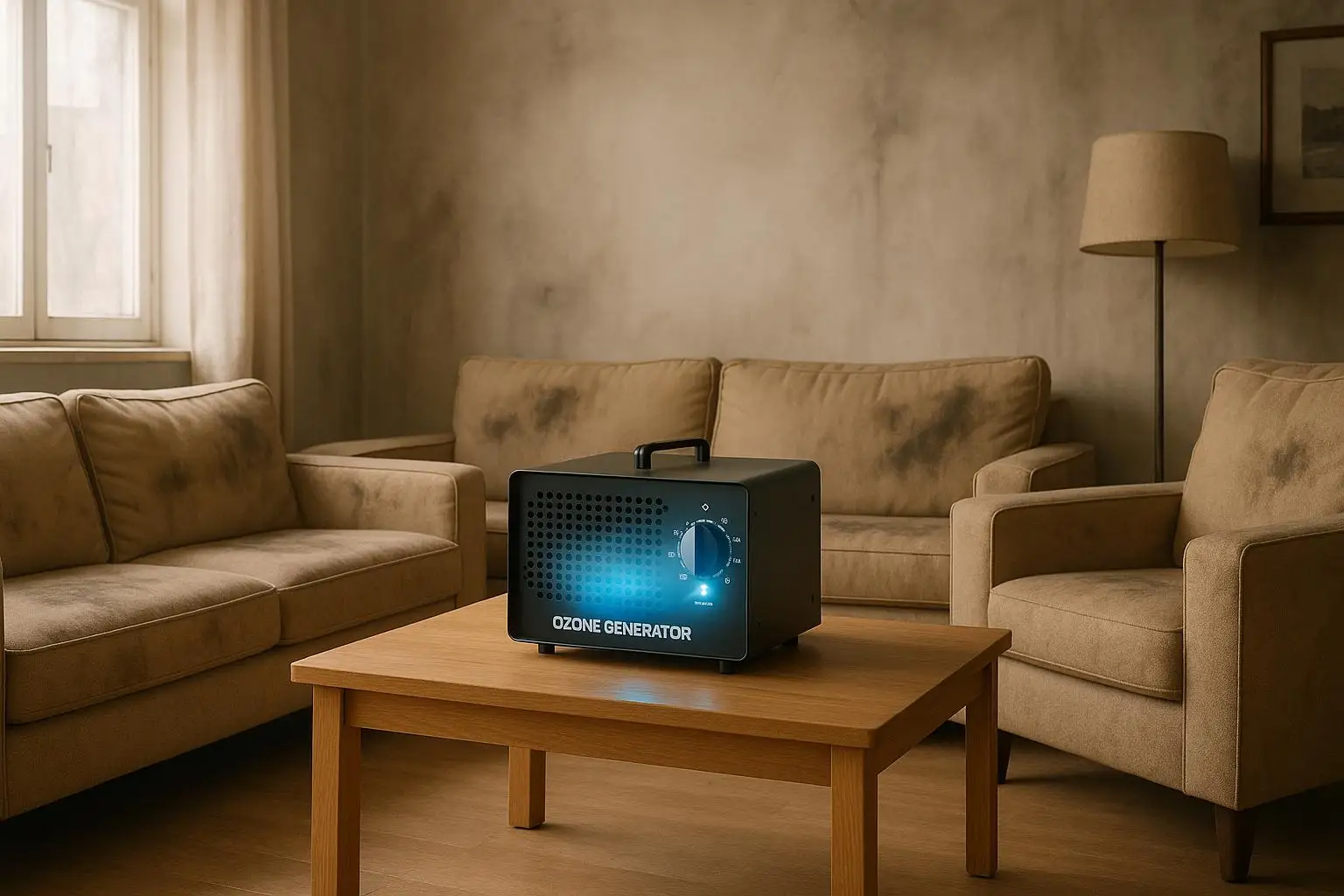
Ozone generators can help neutralize Fire Damage Restoration, but they come with risks. They work by releasing ozone gas (O₃) to oxidize odor-causing molecules embedded in porous materials like carpets, walls, and furniture. While effective in some cases, ozone treatment has limitations and safety concerns:
- How They Work: Ozone chemically alters smoke particles and volatile organic compounds (VOCs) responsible for odors.
- Effectiveness: Works best for deep-seated odors but may not fully eliminate all fire-related contaminants.
- Safety Risks: Ozone exposure can harm lungs, irritate the respiratory system, and damage materials like rubber and fabrics.
- Limitations: Ineffective against substances like carbon monoxide and formaldehyde, and may produce toxic byproducts.
- Usage: Requires strict safety precautions, including evacuating the area and ventilating afterward.
For severe fire damage, Commercial are often a safer and more thorough option. Experts can address hidden contamination, clean HVAC systems, and repair structural damage while minimizing health risks.
Ozone vs Hydroxyl
How Ozone Generators Remove Fire and Smoke Odors
Getting rid of stubborn fire odors can be a real challenge, but ozone treatment offers a focused solution. Unlike traditional cleaning methods that often only deal with surface-level contamination, ozone works on a chemical level to tackle the root cause of odors.
How Ozone (O₃) Works
Ozone is a highly effective oxidizing agent that changes the structure of odor-causing molecules. When ozone interacts with smoke particles and volatile organic compounds left behind by fire damage, it doesn’t just cover up the smell – it chemically alters the contaminants.
"Ozone chemically changes the molecular structure of smoke by attaching an oxygen atom to the smoke molecule. This process is called oxidation. The added oxygen atom neutralizes the offensive odor of smoke and other bad smells like mold, mildew, pet odor, tobacco smoke, and much more." – Action Restoration
This oxidation process breaks down the molecules responsible for odors right at their source. Since ozone is a gas, it can seep into porous materials like upholstery, carpets, and even walls – places that traditional cleaning products often can’t reach. Plus, ozone has a short half-life of about 30 minutes, meaning it quickly converts back into regular oxygen. This makes it both effective and temporary, leaving no harmful residues behind.
Where Ozone Generators Work Best
Ozone treatment is especially useful in spaces that are hard to clean with conventional methods. The gas can reach tight spots – behind furniture, inside walls, and other hidden areas – where smoke particles tend to linger.
Both homes and businesses can benefit from this approach. For example, in commercial kitchens, restaurants, workshops, storage rooms, and garages, ozone treatment helps eliminate Top 7 Fire Odor Neutralization Techniques. Considering that the United States experiences an average of 353,100 house fires annually, causing $7.2 billion in property damage, tackling lingering odors is a critical step in the restoration process.
To get the best results, start ozone treatment in the room with the strongest odor. If the smell persists after treating specific rooms, using the HVAC system to circulate ozone throughout the entire property can help. Placement of the ozone generator is also important – it should be positioned in an elevated spot with all doors and windows closed to keep the gas concentrated in the area being treated.
Typically, ozone generators run for 3–6 hours. Afterward, the area should be ventilated to clear any remaining ozone. Within 2–3 hours of shutting down the generator, the ozone breaks down into breathable oxygen. Beyond just removing odors, ozone treatment also disinfects and purifies the air, offering advantages that standard cleaning agents can’t match. Proper use and controlled treatment times enhance these benefits while ensuring safety.
Do Ozone Generators Work? Pros and Cons
Ozone generators are often touted as a solution for removing fire damage odors, thanks to the way ozone chemically interacts with odor-causing molecules. While they offer some clear advantages, they also come with significant risks that need careful consideration.
Benefits of Ozone Generators
One of the key advantages of ozone is its ability to penetrate deeply into porous materials, neutralizing odor-causing molecules effectively without leaving behind harmful residues. Once ozone has done its job, it reverts back to regular oxygen, making it a chemical-free option that avoids the environmental concerns associated with traditional cleaning agents.
Another benefit is ozone’s disinfecting power. It works on a molecular level to alter and neutralize substances responsible for unpleasant smells. As G.W. Savage explains:
"Ozone works to remove odors by chemically changing the structure of the molecules in the smoke that are creating the smell".
Problems and Drawbacks
However, the use of ozone generators isn’t without its downsides. Even at very low concentrations, ozone can cause health issues such as coughing, chest tightness, throat irritation, and shortness of breath. Prolonged exposure or higher concentrations can lead to lung damage and pose serious risks, particularly for vulnerable individuals.
Commercial ozone generators often release over 5,000 mg of ozone per hour, creating indoor ozone levels far above outdoor health standards – 90 parts per billion (ppb) for a 1-hour exposure and 70 ppb for an 8-hour exposure. The CCOHS warns:
"Even very low concentrations of ozone can be harmful to the upper respiratory tract and the lungs. The severity of injury depends on both the concentration of ozone and the duration of exposure. Severe and permanent lung injury or death could result from even a very short-term exposure to relatively low concentrations".
Another limitation is that ozone is ineffective against certain harmful substances like carbon monoxide and formaldehyde. It also cannot remove particulate matter such as dust or pollen. Worse still, ozone can react with chemicals in the environment to produce toxic byproducts, including formaldehyde and ultrafine particles. The treatment process requires complete evacuation of people, pets, and plants, making it highly disruptive.
| Advantages | Disadvantages |
|---|---|
| Penetrates porous materials for odor removal | Can cause respiratory irritation and lung damage |
| Quick treatment process (often under 24 hours) | Indoor levels may exceed public health standards |
| Leaves no harmful residues | Ineffective against some chemicals and particulates |
| Neutralizes odors at the molecular level | Risk of creating toxic byproducts like formaldehyde |
| Eco-friendly alternative to chemical cleaners | Requires evacuation; may damage sensitive materials |
Ozone can also harm certain materials, such as rubber, wire coatings, fabrics, and artwork with delicate dyes. Another concern is that ozone exposure can dull the sense of smell, making it harder to detect dangerously high levels of the gas. As the EPA notes:
"Available scientific evidence shows that at concentrations that do not exceed public health standards, ozone has little potential to remove indoor air contaminants".
This underscores the challenge: balancing effective odor removal with safe ozone levels. To minimize these risks, it’s crucial to follow strict safety protocols, which will be discussed in the next section.
Safety Rules for Ozone Treatment
Using ozone generators to remove fire damage odors comes with serious health risks. Ozone exposure, even for a short time, can be harmful, so following strict safety guidelines is absolutely necessary.
Health Risks of Ozone Exposure
Exposure to ozone can lead to respiratory problems, lung inflammation, and even permanent damage to lung tissue. The California Air Resources Board explains the effects:
"People who buy ozone generators may not be aware that ozone can harm the cells in the lungs and respiratory airways. Exposure to ozone irritates and inflames the lining of the respiratory system. This causes symptoms including coughing, chest tightness, shortness of breath, and impaired breathing. Ozone can worsen asthma symptoms, and may contribute to the development of asthma".
Certain groups, such as children, the elderly, and individuals with asthma or chronic respiratory conditions, are particularly vulnerable. Even minimal exposure can cause severe reactions or worsen existing health issues.
To highlight the dangers, regulatory bodies have set strict limits. For instance, the FDA requires that indoor medical devices emit no more than 0.05 parts per million (ppm) of ozone. OSHA limits worker exposure to 0.10 ppm over an 8-hour period, and CDC recommends that ozone levels never exceed this threshold. However, many commercial ozone generators can produce levels far exceeding these limits – up to several times higher than the health standards of 90 parts per billion (ppb) for a 1-hour exposure and 70 ppb for an 8-hour exposure. Repeated exposure to such high ozone concentrations can increase the risk of permanent lung damage and, in some cases, even raise mortality rates for vulnerable individuals.
Given these risks, it’s essential to follow strict safety measures when using ozone generators.
How to Use Ozone Generators Safely
To ensure safety while effectively neutralizing fire damage odors, follow these key guidelines:
- Evacuate the area completely. Before starting the generator, make sure all people, pets, and plants are removed from the space. Ozone treatment should only be done in unoccupied areas.
- Protect sensitive materials. Ozone can damage items like rubber, electrical wire coatings, certain fabrics, and artwork. Remove or cover these materials to avoid deterioration. Plants are especially vulnerable and should be relocated, as ozone exposure can be fatal to them.
- Seal the treatment area. Close all windows and doors during the operation to contain the ozone. However, ensure these openings can be accessed for ventilation afterward. Use a timer to limit the runtime to 3–6 hours, as longer exposure increases risks.
- Ventilate thoroughly after treatment. After shutting down the generator, ventilate the area by opening windows and doors to create cross-ventilation. Wait 12–24 hours before re-entering the space. Depending on airflow, this process may take 30 minutes to 4 hours. Some experts suggest waiting at least 40 minutes for ozone to start breaking down into oxygen.
- Don’t rely on smell alone. Your ability to detect ozone by its odor can vary, so the absence of a noticeable smell doesn’t guarantee safety. If the ozone smell lingers after the recommended waiting period, continue ventilating and delay re-entry.
- Seek professional oversight. Air sampling should be conducted after treatment to ensure ozone levels are safe and no toxic byproducts remain. Workers involved in ozone treatment should have access to safety data sheets, use proper protective equipment, and post warning signs around the area to prevent accidental exposure.
The California Air Resources Board strongly discourages using ozone generators in any occupied space. Considering the risks and the availability of safer alternatives, property owners dealing with fire damage odors should approach ozone treatment with extreme caution. Professional guidance is often the best course of action.
When to Call Professionals for Fire Damage Restoration
While ozone generators might seem like a quick fix for fire damage odors, there are clear signs that call for professional help. When smoke particles embed themselves deep into porous materials, DIY methods often fall short. Spotting these signs early can prevent further damage and safeguard your health.
Why Professionals Get Better Results
Fire Damage Restoration a Step By Step Guide is about more than just covering up odors – it tackles the deeper contamination that often goes unnoticed. Persistent smoke smells are a sign that particles have penetrated materials like drywall, insulation, or subflooring. For example, if yellowing or staining remains even after repainting, it’s a clue that smoke residues are deeply embedded. Similarly, rusting on appliances can indicate the presence of corrosive chemicals from the fire that require specialized treatment.
Health-related issues are another red flag. If family members develop worsening allergies or respiratory problems, it could be due to lingering smoke toxins affecting the air quality issues. Mold growth, often triggered by smoke residues attracting moisture, is another warning sign that it’s time to call in the experts.
HVAC systems can also become a hidden source of contamination. Soot trapped in these systems can circulate harmful particles throughout your home. If you notice a smoke smell when running your air conditioning or heating, it’s a clear sign that professional cleaning and inspection are necessary. These challenges highlight why professional intervention is essential for thorough remediation.
Experts use industrial-grade equipment and advanced technologies that go far beyond what’s available to homeowners. They carefully control factors like temperature, humidity, and treatment time for optimal results. Professionals also know how to handle ozone treatments safely, avoiding exposure levels that can exceed the health standards of 90 parts per billion for one hour or 70 parts per billion over eight hours.
Their work doesn’t stop at cleaning and odor removal. Fire restoration professionals can also handle carpentry and structural repairs. Techniques like enzyme-based cleaners, HEPA filtration systems to remove toxins, laser cleaning technology, and sand blasting for structural wood ensure a thorough restoration process. When roof framing, beams, or joists are coated in soot and char, sand blasting physically removes the residue to reveal clean wood—often saving structural members from replacement. Watch how it works:
Learn more about When and How to Use Sand Blasting After a Fire.
How Total Care Restoration Can Help
Total Care Restoration understands the complexities of fire damage and offers solutions that go far beyond what ozone generators can achieve. Their certified technicians are trained to address both visible damage and hidden contamination caused by smoke and corrosive byproducts.
The company’s 24/7 emergency response ensures that help arrives quickly, minimizing the risk of further damage. Smoke residues become harder to remove the longer they sit, so their rapid action is key. Their emergency hotline, (786) 610-6317, connects you with specialists who can immediately begin damage assessment and containment.
Total Care Restoration takes a thorough approach to inspections, identifying damage in places you might not think to check, like attics, closets, behind picture frames, or inside light fixtures. They also inspect and clean HVAC systems to eliminate soot that may be spreading smoke odors throughout your home.
To ease the financial burden, they offer direct insurance billing. Their team works directly with insurance companies, handling claims and paperwork so you can focus on recovery. They also provide free preliminary evaluations, giving you a clear understanding of the damage before restoration begins.
Using advanced restoration technology, Total Care Restoration targets the root causes of fire damage odors. Their methods include ozone treatments as part of a broader strategy that combines professional-grade cleaning, sealing, and reconstruction. This comprehensive approach ensures not only odor elimination but also the complete restoration of your property to its original condition.
Do Ozone Generators Work for Fire Damage Odors?
When it comes to tackling fire damage odors, ozone generators might seem like a quick fix, but their effectiveness is quite limited. They carry safety risks that often make professional restoration services a smarter and safer choice.
Ozone works by oxidizing volatile organic compounds (VOCs), but as the U.S. Environmental Protection Agency (EPA) points out:
"Available scientific evidence shows that at concentrations that do not exceed public health standards, ozone has little potential to remove indoor air quality."
In other words, while higher ozone levels might help more with odors, they come with serious health hazards.
Ozone generators can sometimes mask odors temporarily, but they don’t address the root problem. Deep-seated smoke residues embedded in materials like drywall, insulation, and subflooring continue to release odors long after ozone treatment. This makes ozone an insufficient solution for long-term odor removal.
Attempting ozone treatments yourself is also risky. Even at low levels, ozone exposure can cause significant respiratory irritation. It can also damage materials such as rubber, fabric, electrical wire coatings, and even artwork. In confined spaces – around 350 square feet – ozone levels can exceed public health limits by 5 to 10 times. These risks highlight why turning to professionals is often the better option.
Unlike ozone generators, professional restoration services offer a more thorough approach. Companies like Total Care Restoration provide certified technicians who know how to handle ozone treatments safely when needed. More importantly, they go beyond odor masking by performing deep cleaning, removing contamination at its source, and repairing structural damage to eliminate odors for good.
FAQs
What precautions should you take when using an ozone generator to remove fire damage odors?
When tackling fire damage odors with an ozone generator, safety should always be your top priority. Make sure the area is completely unoccupied – no people or pets should be present while the generator is running, as ozone can be dangerous to breathe. If you need to be near the generator for any reason, wear appropriate personal protective equipment (PPE). Additionally, post clear warning signs to keep others from accidentally entering the space.
Once the generator has done its job, air out the space thoroughly by opening windows and doors. Be sure to turn off the generator right after use, and don’t re-enter the area until all the ozone has had time to dissipate. This step is critical to ensure the space is safe for everyone.
Are ozone generators effective for removing fire damage odors, or should I consider professional restoration services?
While ozone generators might assist in reducing some fire damage odors, they come with notable downsides. High concentrations of ozone can be harmful to people and pets, and they may even cause damage to certain materials in your home. On top of that, these devices often only cover up odors temporarily, without tackling the underlying problem.
Turning to professional restoration services offers a far more dependable solution. Trained specialists use advanced tools and proven methods to thoroughly clean, deodorize, and restore your property. This ensures that odors are addressed at their source, providing a safer and longer-lasting outcome.
Are ozone generators effective for removing fire damage odors?
Ozone generators are often used to tackle Smoke Damage Long Term Effects And Restoration Techniques by breaking down odor-causing molecules directly at their source. They’re especially handy for hard-to-reach spots that traditional cleaning methods struggle with, like air ducts or tight crevices. That said, while ozone treatments can offer short-term relief, they usually don’t solve the underlying issue, meaning the odor might resurface later.
For stubborn fire-related odors, professional cleaning and restoration services tend to be more effective in completely resolving the problem. Keep in mind, ozone treatments should always be carried out by trained professionals, as improper use can pose serious health risks.
Related posts
Want to Learn More?
Read our comprehensive guide covering everything you need to know about this topic.
The Complete Guide to Fire Damage RestorationNeed Professional Help?
Our expert team is ready to assist with your fire damage restoration needs.
View Fire Damage Restoration Services