Mold Remediation
Mold remediation for homes and businesses throughout South Florida. We contain the work area, remove growth, and address the moisture source.
Choose Your Property Type
We offer specialized mold remediation services tailored to the unique needs of residential homeowners and commercial property managers.
Residential Services
Mold remediation for houses and condos. We find the moisture source, contain the work area, and remove growth.
View Residential ServicesCommercial Services
Mold remediation for workplaces and managed buildings. Containment is planned so the work area stays separate from occupied space.
View Commercial ServicesUnderstanding Mold Remediation
Mold grows on wood, paper, carpet, and drywall when those materials stay wet. Heat and humidity in Florida shorten the time a damp cavity can sit before growth shows. On this page, that window is 24–48 hours after a leak or a flood.
The job is to find the moisture, contain the work area, and remove mold growth. Wiping a stain and leaving the leak in place does not finish the work.
Containment and HEPA filtration run while removal is underway. Surfaces that stay are cleaned. When a carrier or an association wants air sampling afterward, we can arrange third-party air quality testing. That testing is separate from the remediation, and it is not an in-house clearance test.
Why Act Fast
Wet drywall and wood can grow mold quickly in Florida humidity. The 24–48 hour window already used on this page is why drying is not a weekend project. A small wet area is usually a smaller removal than growth that has moved through a wall. Questions about symptoms belong with a clinician.
Health notes on this page are general information. They are not a diagnosis or a predicted medical outcome.
Health information
- •Musty odor and visible spotting are building clues. They are not a diagnosis.
- •Public health guidance says to dry wet materials and remove growth. The species name is not required to start that work.
- •Someone who feels worse in a damp room should talk with their own clinician.
- •This page does not predict symptoms, treatment, or recovery.
- •The work described here is containment, removal, and moisture control.
Common Causes of Mold Growth
- Water intrusion from roof leaks or plumbing failures
- High humidity levels (above 60%)
- Poor ventilation in bathrooms and kitchens
- AC condensation and drainage issues
- Flooding and water damage not properly dried
- Leaking windows and doors
- Condensation on cold surfaces
- Damp basements and crawl spaces
- Improperly vented dryer exhausting humidity indoors
- Overwatering of indoor plants
- Wet clothing left in washing machines
- Insufficient insulation causing condensation on walls
Common Mold Problems We Solve
Roof leaks, AC condensate, and mold that follows a flood.
Mold from Roof Leak
Mold remediation caused by roof leak water intrusion
Mold from AC Condensation
AC condensation mold removal and prevention
Mold After Flood
Post-flood mold remediation and prevention services
When this mold followed a leak or a flood, drying comes first. Remediation starts after the source is stopped.
Water Damage RestorationMold and humidity in Miami and South Florida
South Florida buildings stay closed and air-conditioned for most of the year. The notes below are general guidance for that climate. They do not describe a specific job.
Indoor humidity above 60% is already listed among the causes on this page, and wet materials can start showing growth within 24–48 hours. A clogged condensate line, a cracked drain pan, or an air handler in a closet can wet drywall and a supply register without a storm. A musty smell when the system runs, staining near the air handler, or a dark register are the usual clues.
In many South Florida condos, one air handler and a plumbing chase serve more than one room, and a wet wall can sit against a neighbor. An association may ask for a written scope and containment notes, and may ask for a clearance sample before the unit is closed up. When that sample is requested, it is arranged with a third party. This is general guidance for how these buildings are put together, not a description of a finished job.
Growth that starts overhead is a different path from growth that follows standing water. Drying still comes first when materials are wet. Florida licenses mold remediators and mold assessors as different roles. The credentials printed on this page are Florida Licensed Mold Remediator MRSR2596 and IICRC Certified Firm 219076. A remediation visit maps moisture and materials, then contains and removes growth. It is not a licensed mold assessment. Air or surface sampling for clearance, when a carrier or association asks for it, is something we can arrange with a third party. We do not describe that arrangement as an in-house clearance test.
Our Mold Remediation Process
The steps below are the remediation work. Clearance sampling, when someone asks for it, is arranged with a third party and is not an in-house test.
Moisture and scope
Walk the property, find the water source, and map visible growth. This visit scopes the remediation. It is not a licensed mold assessment or an air-quality test.
Containment
Isolate the work area so dust from removal stays inside the contained zone.
Air filtration
Run HEPA filtration while contained work is underway.
Mold removal
Remove materials that cannot be cleaned, and clean remaining surfaces inside containment.
Cleaning
Clean surfaces that stay, and keep drying the moisture source.
Restoration
Repair areas opened for removal. If a carrier or association asks for clearance sampling, we can arrange third-party air quality testing. That test is not an in-house sign-off.
Mold Inspection Checklist for South Florida Homes
Use this list to prepare a remediation visit. The visit looks for the moisture source and plans containment. It is not a licensed mold assessment, and it is not an in-house clearance test.
Before the visit
- Note rooms with a musty odor, staining, or a recent leak (AC, roof, plumbing, or a flood).
- Note who should stay out of the work area, including anyone a clinician has told to avoid musty rooms.
- Gather prior moisture, roof, or plumbing invoices if you have them.
- Do not bleach large areas or run an ozone machine before the visit. Both can hide the moisture source.
During inspection
- Visual survey of baths, kitchens, HVAC closets, attics, and the exterior envelope.
- Moisture meter readings on suspect walls, baseboards, and subfloors.
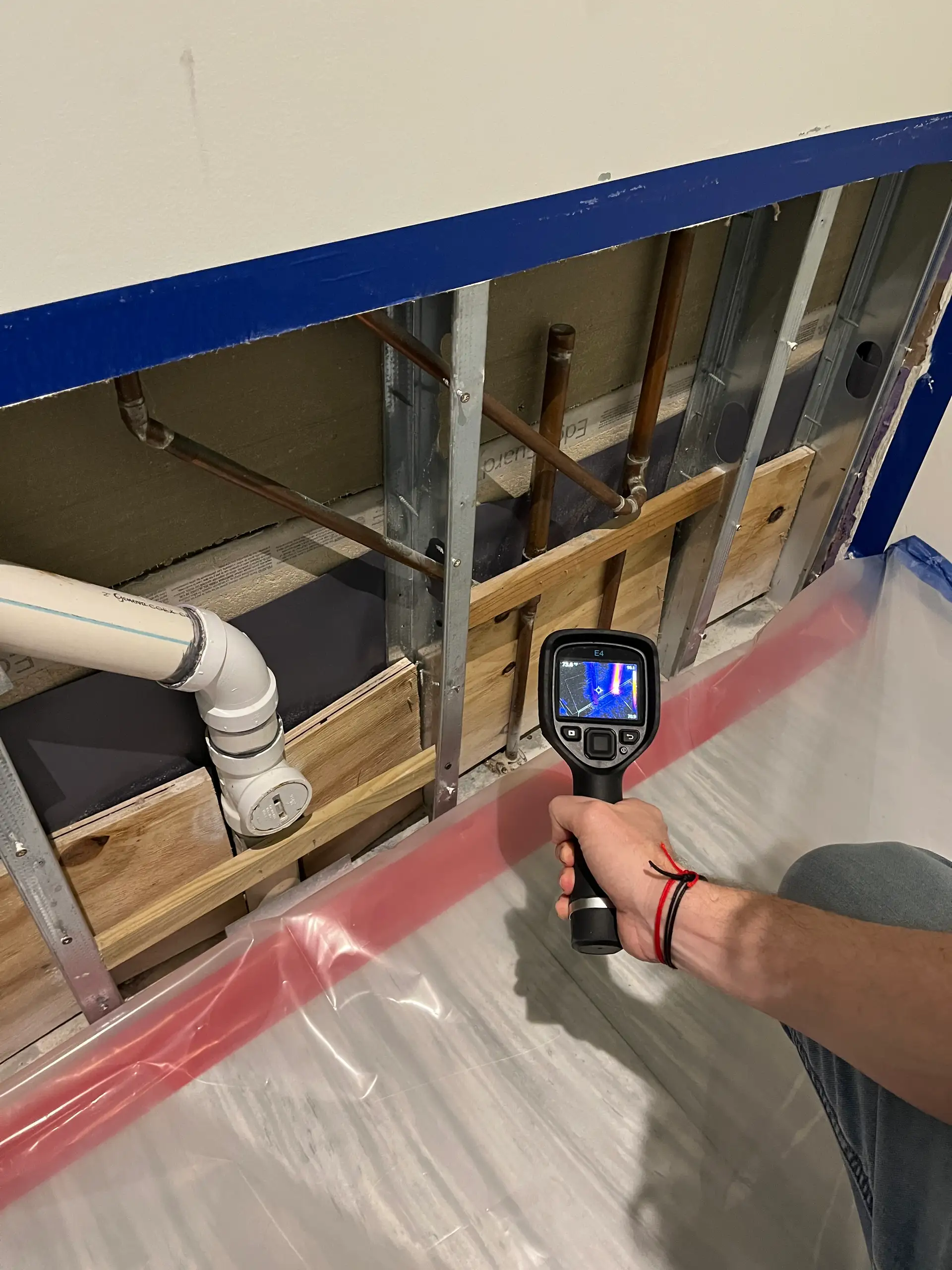
- Thermal imaging where a temperature difference suggests a wet cavity.
- Air or surface sampling is not an in-house clearance test. When it would change the scope, or a carrier or association asks for it, it is arranged with a third party.
- Name the moisture source. Removal does not hold if the leak stays active.
After findings
- Written findings: affected materials, the scope, and the containment plan.
- If clearance sampling is part of the plan, name the third party who will collect it. The report is theirs.
- Prevention notes: humidity, AC drain maintenance, and roof or window follow-up.
- Compare the remediation scope with the published Florida cost ranges.
Areas over about 10 square feet, or growth in the HVAC system, are past a light surface cleaning.
How mold and insurance paperwork usually moves
Help with the file is part of the job. Approval of the claim is not. A sudden pipe break or storm opening may be a covered cause on some policies. Long-term humidity and a slow leak are often excluded.
Document the water source
Photos, the date the wetting was noticed, and what failed (a roof, a supply line, a condensate drain) give the file a starting point.
Mitigate
Stop active water when it is safe to do so, and dry wet materials. Drying is what keeps a small wet area from becoming a larger removal.
Remediate
Contain the work area, remove materials that cannot be cleaned, and clean what remains. The moisture source has to be part of that scope.
Share the file
Scope notes, photos, and invoices can go to the carrier or the association. That is help with paperwork. It is not a promise that a claim will be approved.
Clearance only if someone asks
When a carrier or association wants air sampling, we can arrange third-party air quality testing. The report comes from that third party. It is not an in-house clearance test.
Whether a claim is paid is the carrier's decision. This section does not quote a price and does not say a carrier will pay.
Licenses shown on this page
These are the same two credentials already shown in the header of this page and in the site footer. No other license numbers are added here. Clearance air sampling, when a project calls for it, can be arranged with a third party.
Florida Licensed Mold Remediator
MRSR2596
IICRC Certified Firm
219076
How to reach us
The phone number on this page is the emergency line. It is answered 24/7.
- Emergency line
- 24/7
Choose Your County — Then Your City
Mold remediation looks different by building stock and climate micro-zone. Start with your county, then open the residential city page for local process and response details.
Miami-Dade County
High-rises, coastal salt air, and tropical storms drive hidden cavity moisture in Brickell, Beach, Coral Gables, and inland neighborhoods.
- Mold remediation in Miami
- Mold remediation in Miami Beach
- Mold remediation in Coral Gables
- Mold remediation in Hialeah
- Mold remediation in Doral
Broward County
Canal communities, older plumbing, and intense summer rain make Fort Lauderdale, Hollywood, Miramar, and Weston frequent mold callouts after leaks.
- Mold remediation in Fort Lauderdale
- Mold remediation in Hollywood
- Mold remediation in Miramar
- Mold remediation in Weston
- Mold remediation in Pembroke Pines
Palm Beach County
Historic plaster homes and newer coastal builds both trap moisture after storms — West Palm Beach and nearby cities need fast drying after water events.
- Mold remediation in West Palm Beach
- Mold remediation in Boca Raton
- Mold remediation in Delray Beach
Prefer the full list? Browse all residential mold cities.
See Our Restoration Process in Action
Watch our professional restoration team in action. See the equipment, techniques, and attention to detail we bring to every project.
Have questions about our process?
Call for a Free EstimateMold Remediation FAQs
Common questions about mold remediation in South Florida. Clearance sampling, when it is used, is arranged with a third party.
Have a question not answered here?
Call us at (305) 428-2192 — We're here to help 24/7Our Work in Action
See examples of our professional mold remediation services throughout South Florida.
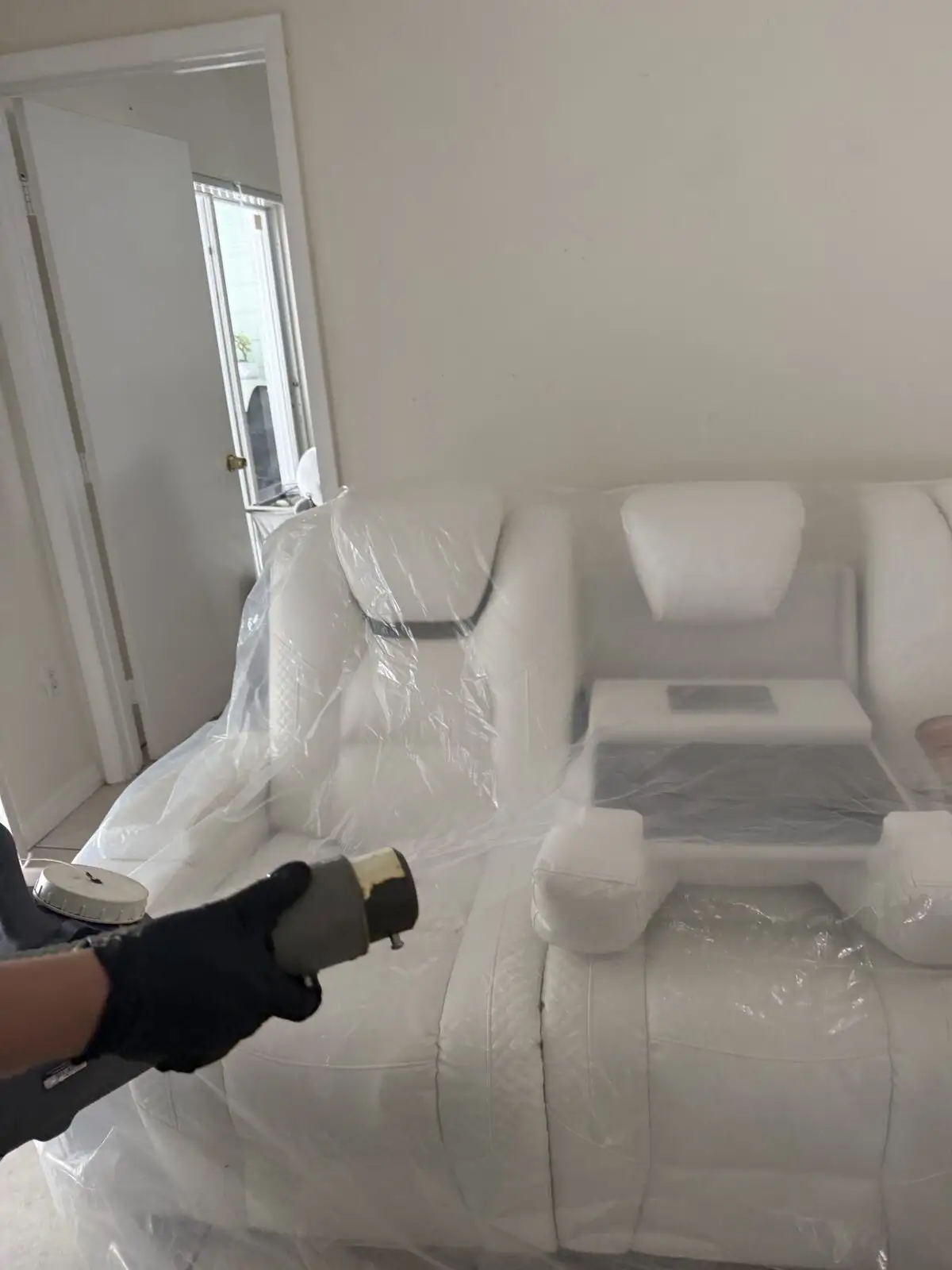
ULV fogging a covered sofa during sanitization. 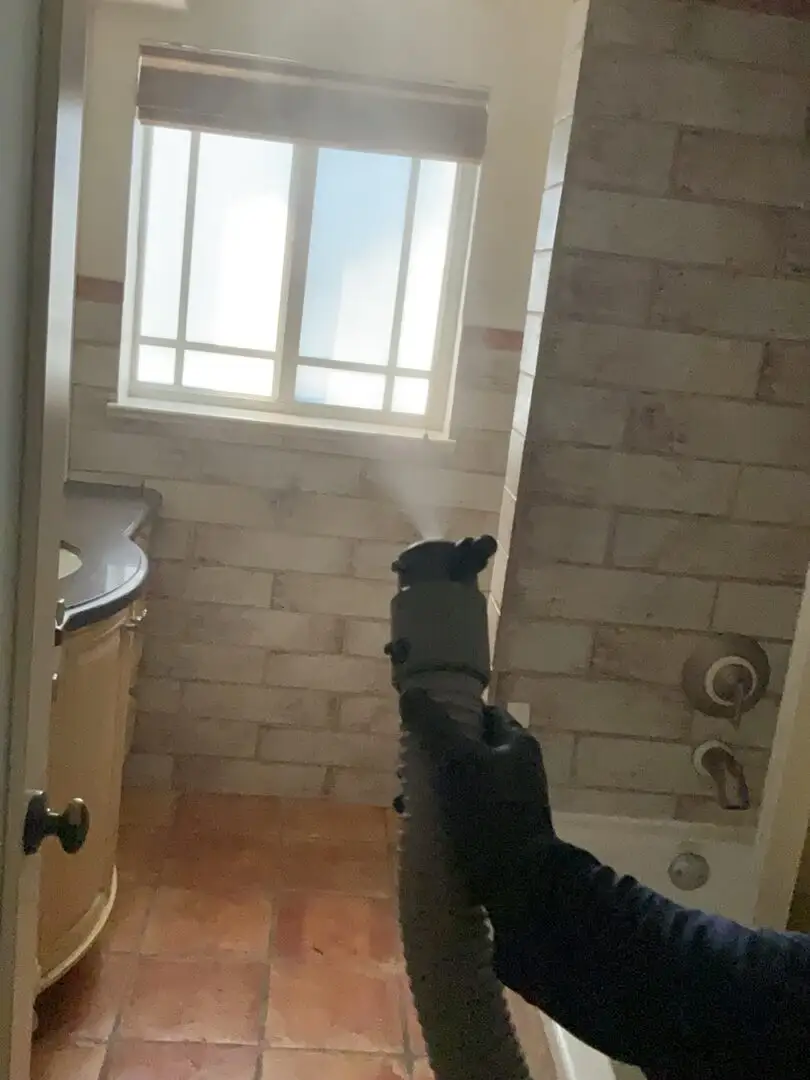
Gloved hand fogging a tiled bathroom with a sanitizing mist. 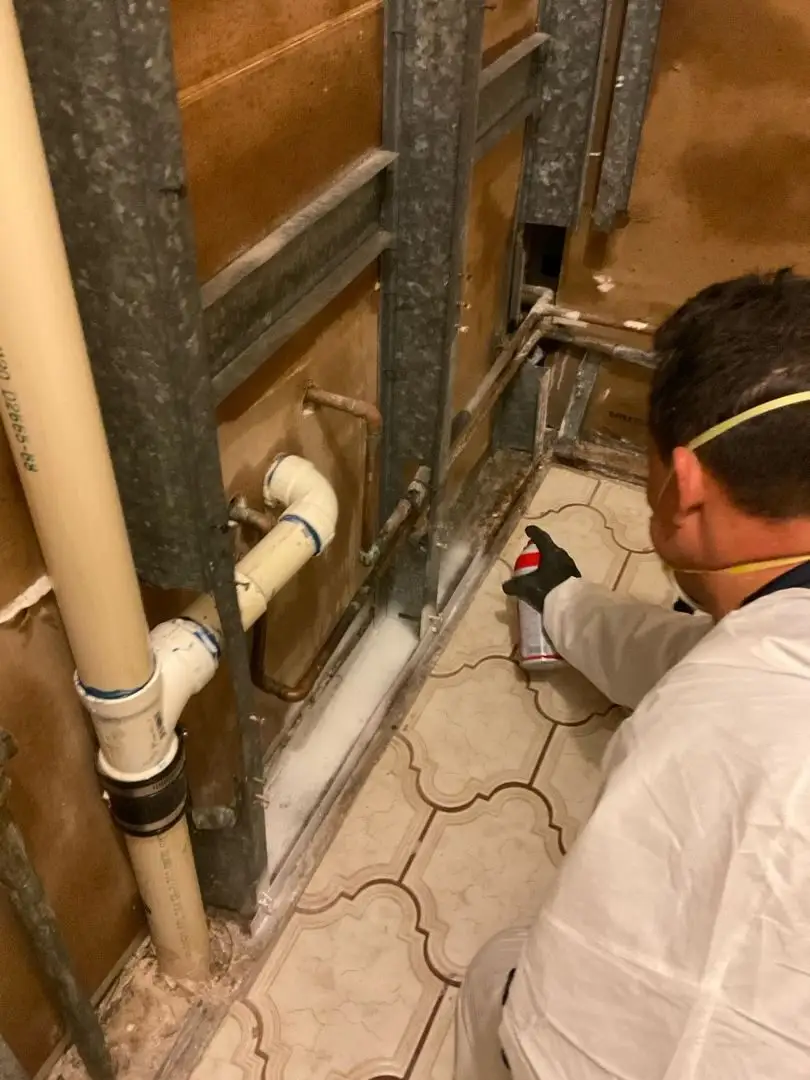
Antimicrobial spray in an open wall with PVC drain and copper lines. 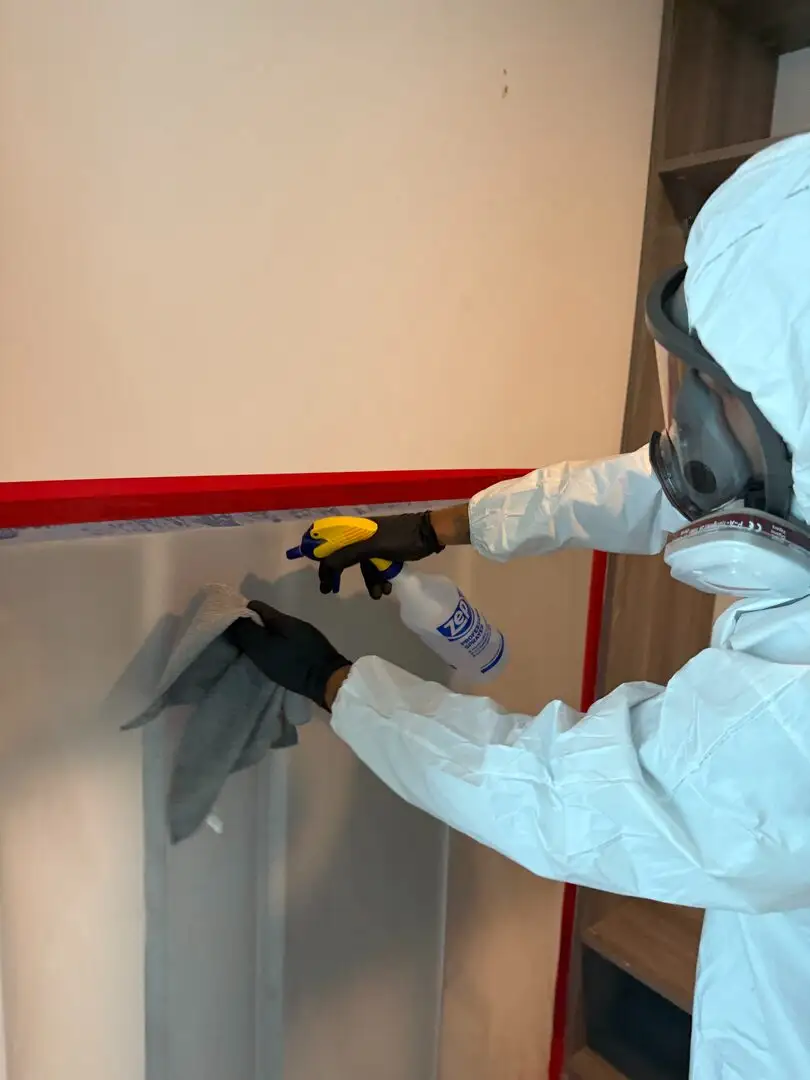
Technician in a hooded white suit and full-face respirator sprays and wipes a wall next to red-taped cabinetry. 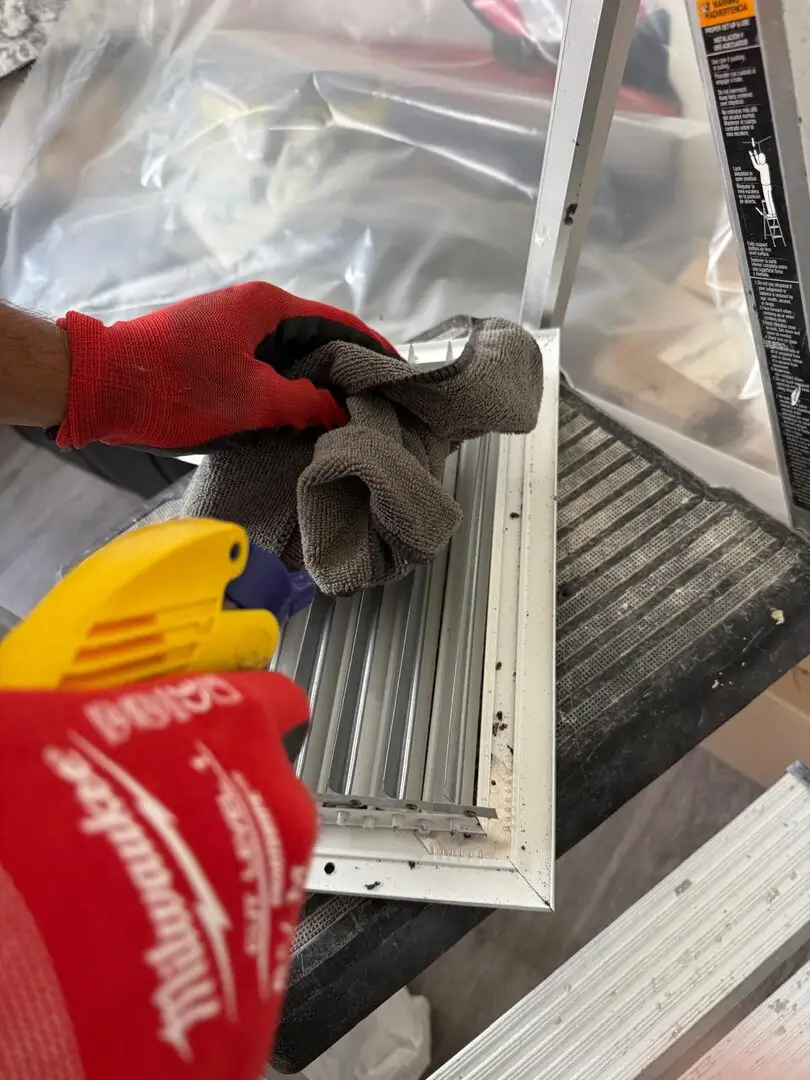
Gloved hands wipe a metal HVAC register on a stepladder with a cloth and spray bottle. 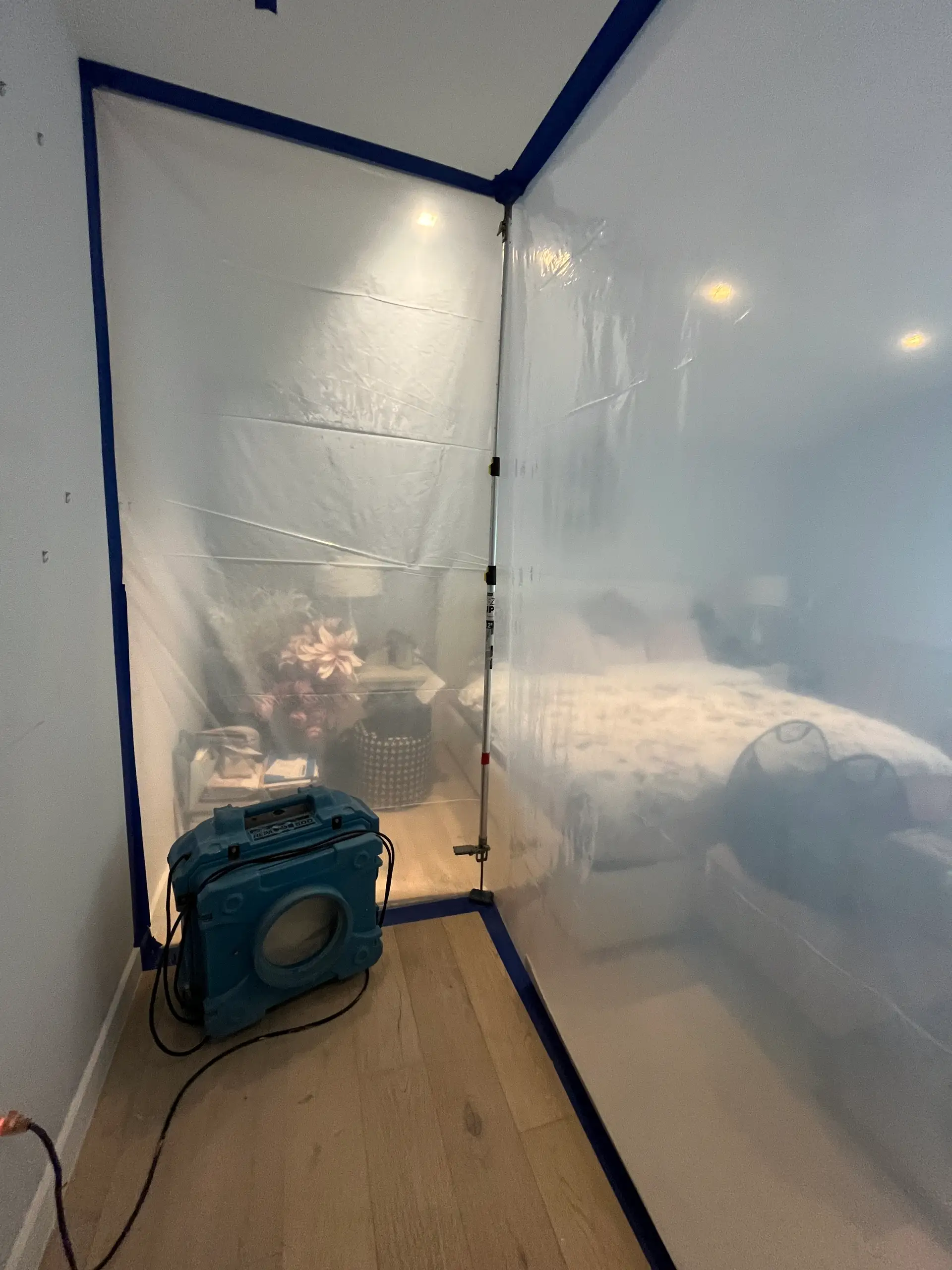
Mold containment setup in bedroom during remediation 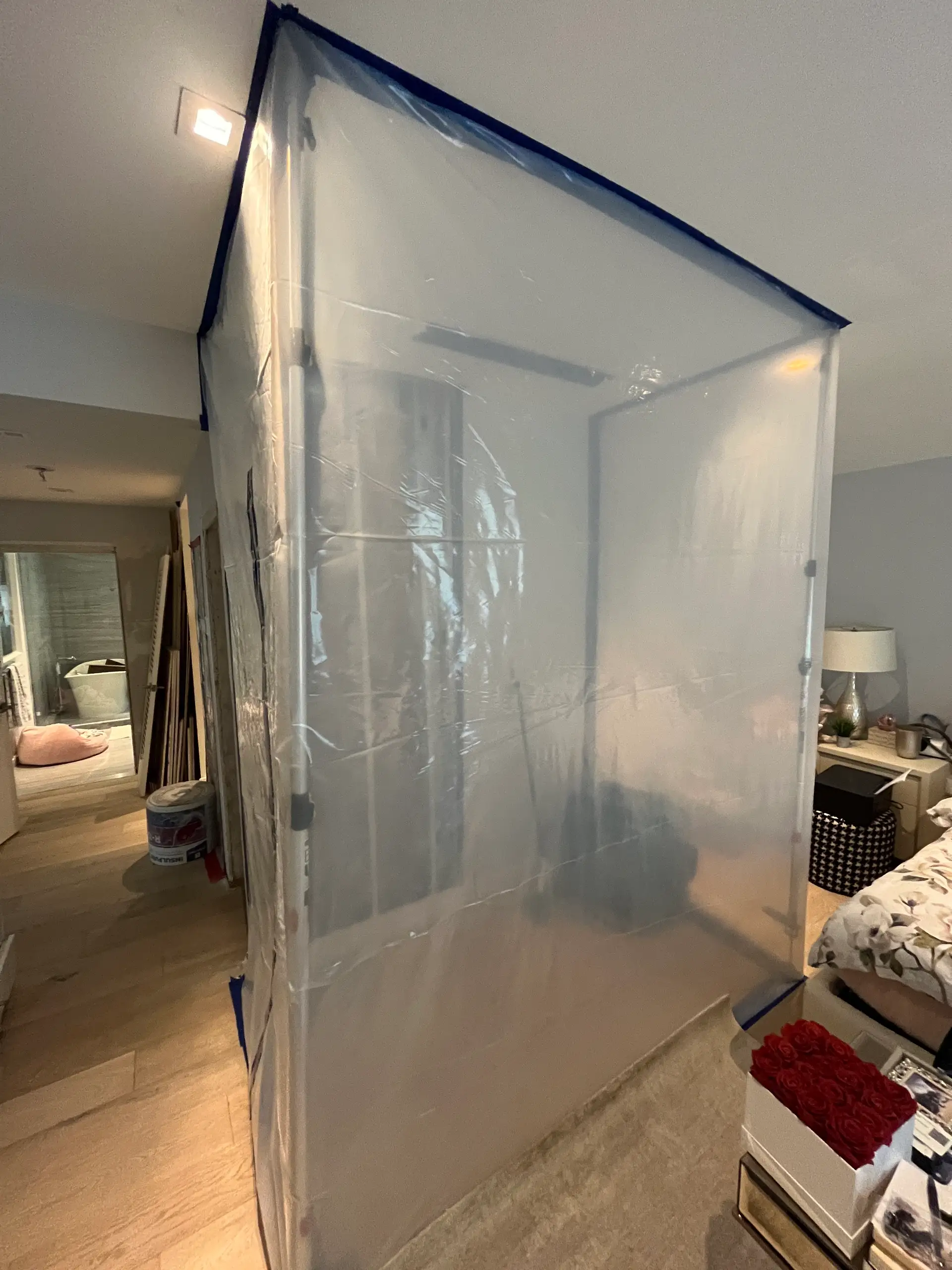
Negative pressure containment for mold remediation 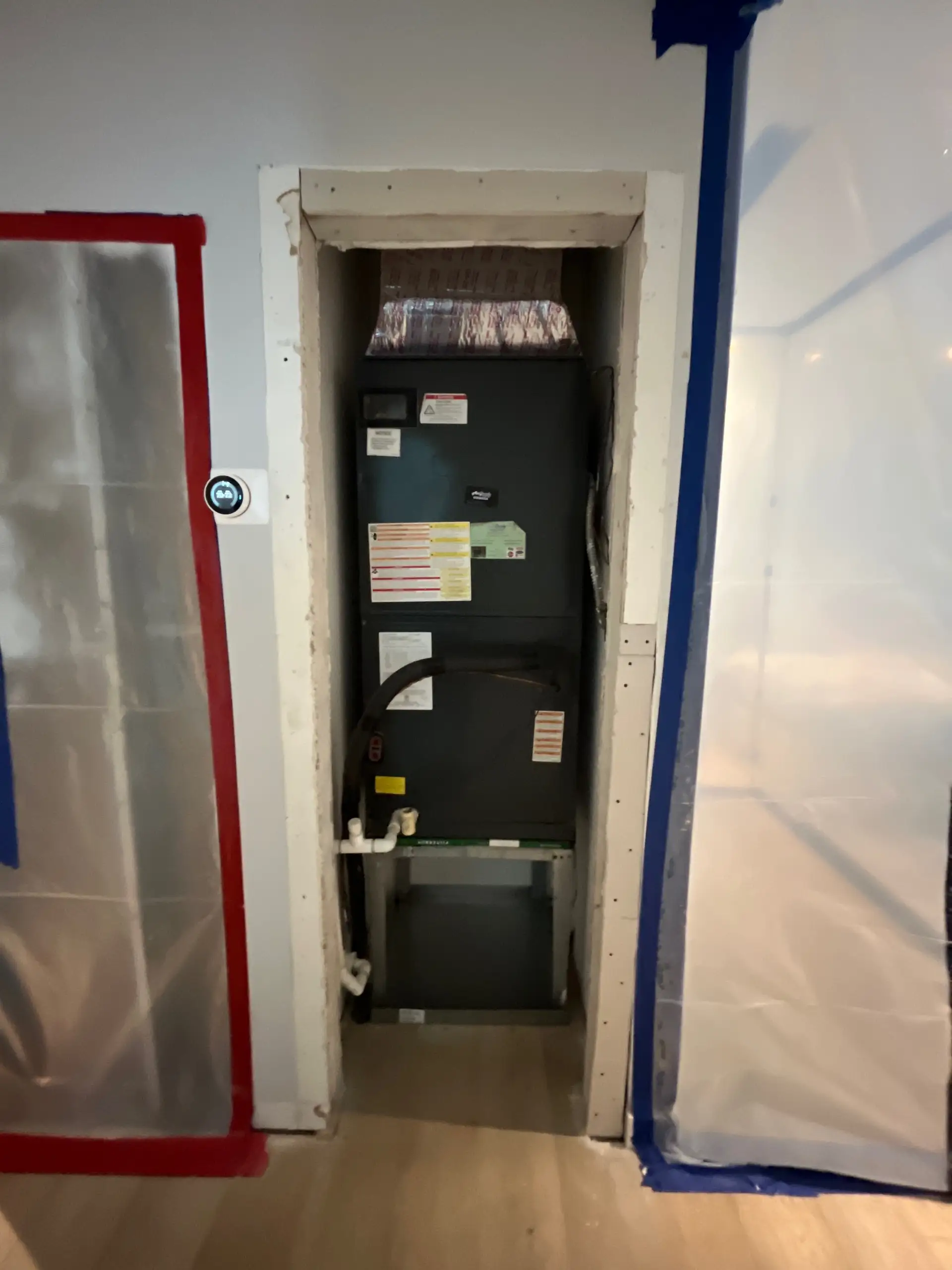
AC unit mold remediation with containment barrier 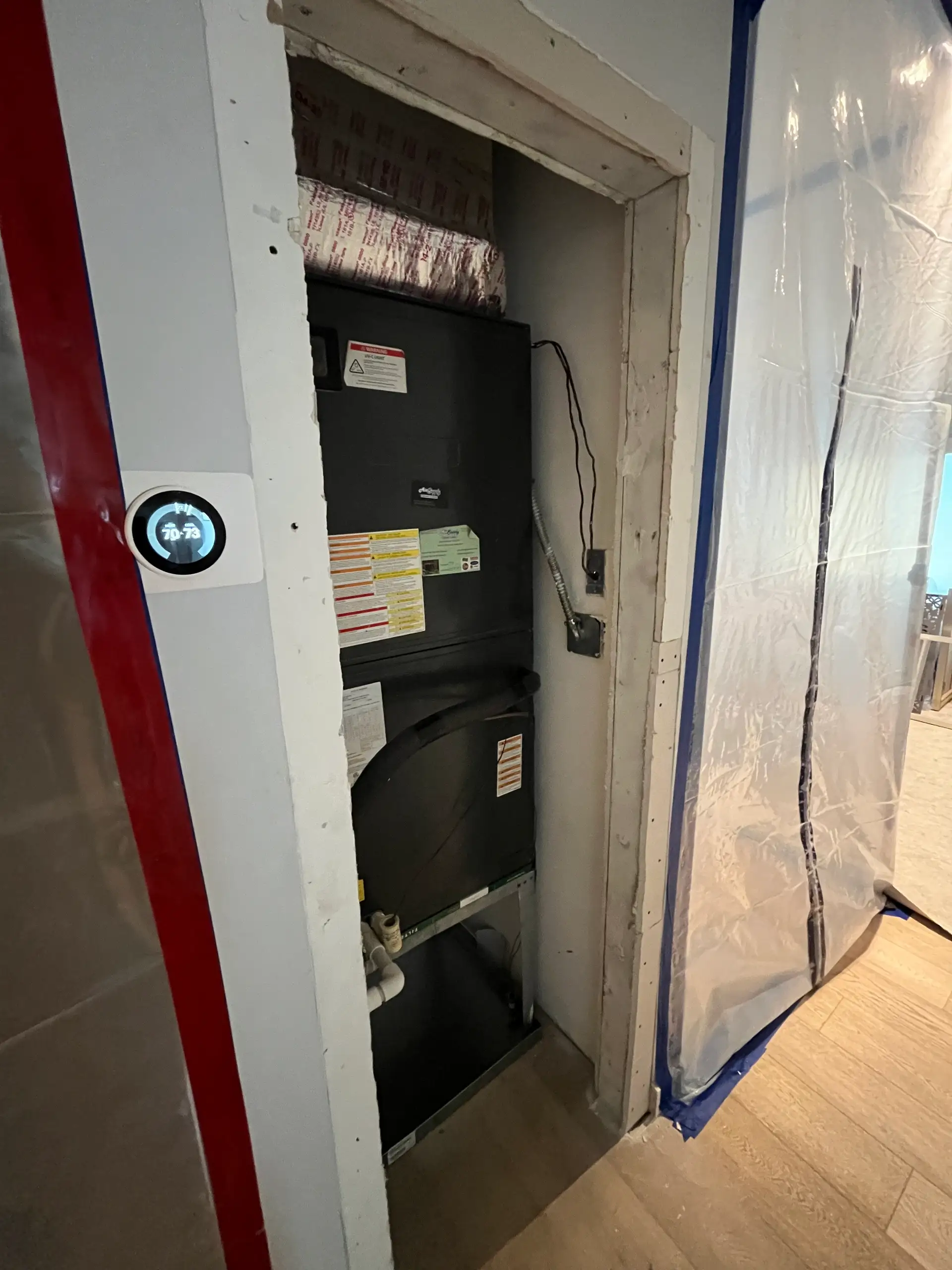
AC leak mold remediation with containment 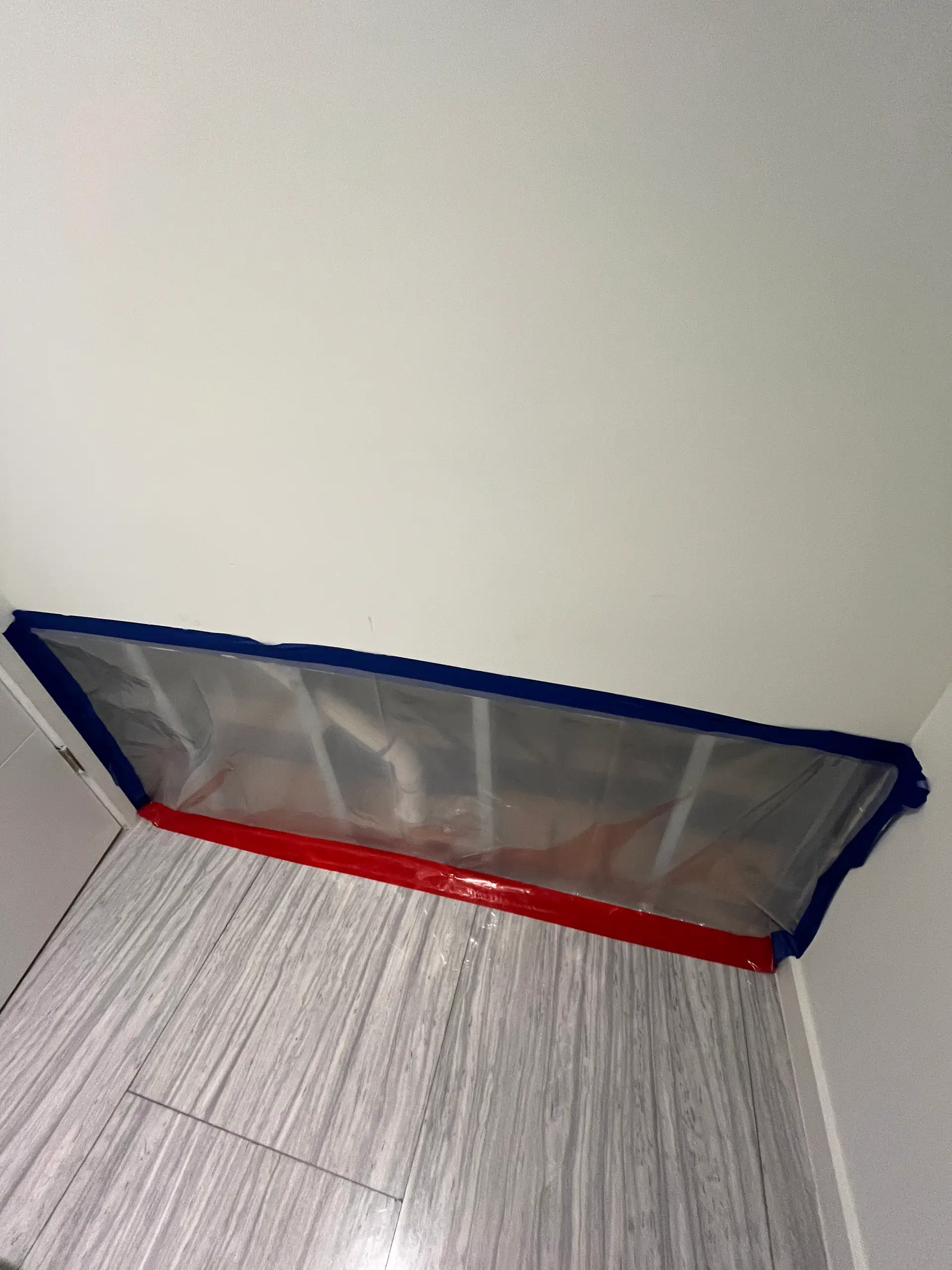
Removing mold-contaminated drywall during remediation Moisture verification after mold remediation 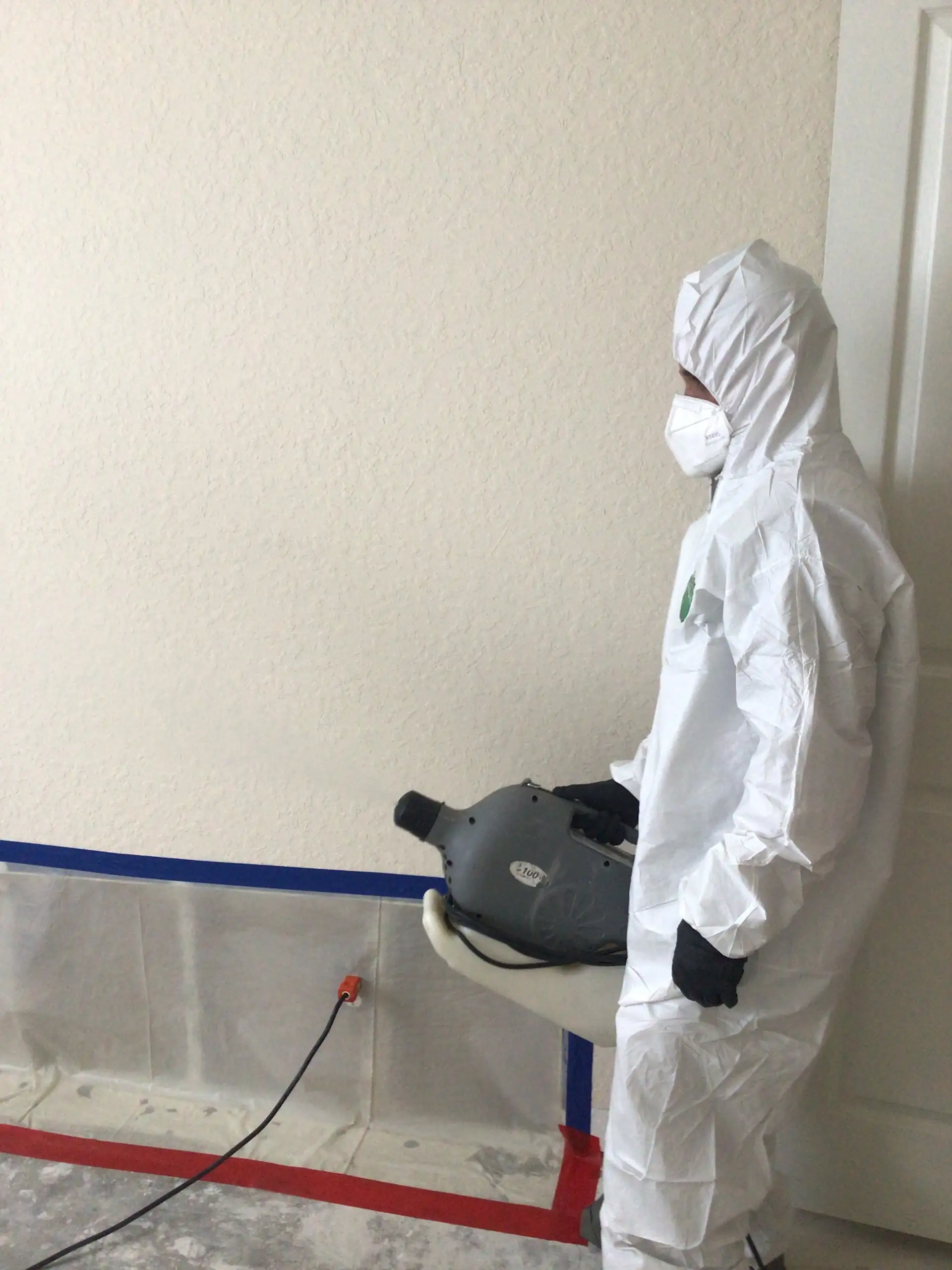
Certified technician performing mold remediation 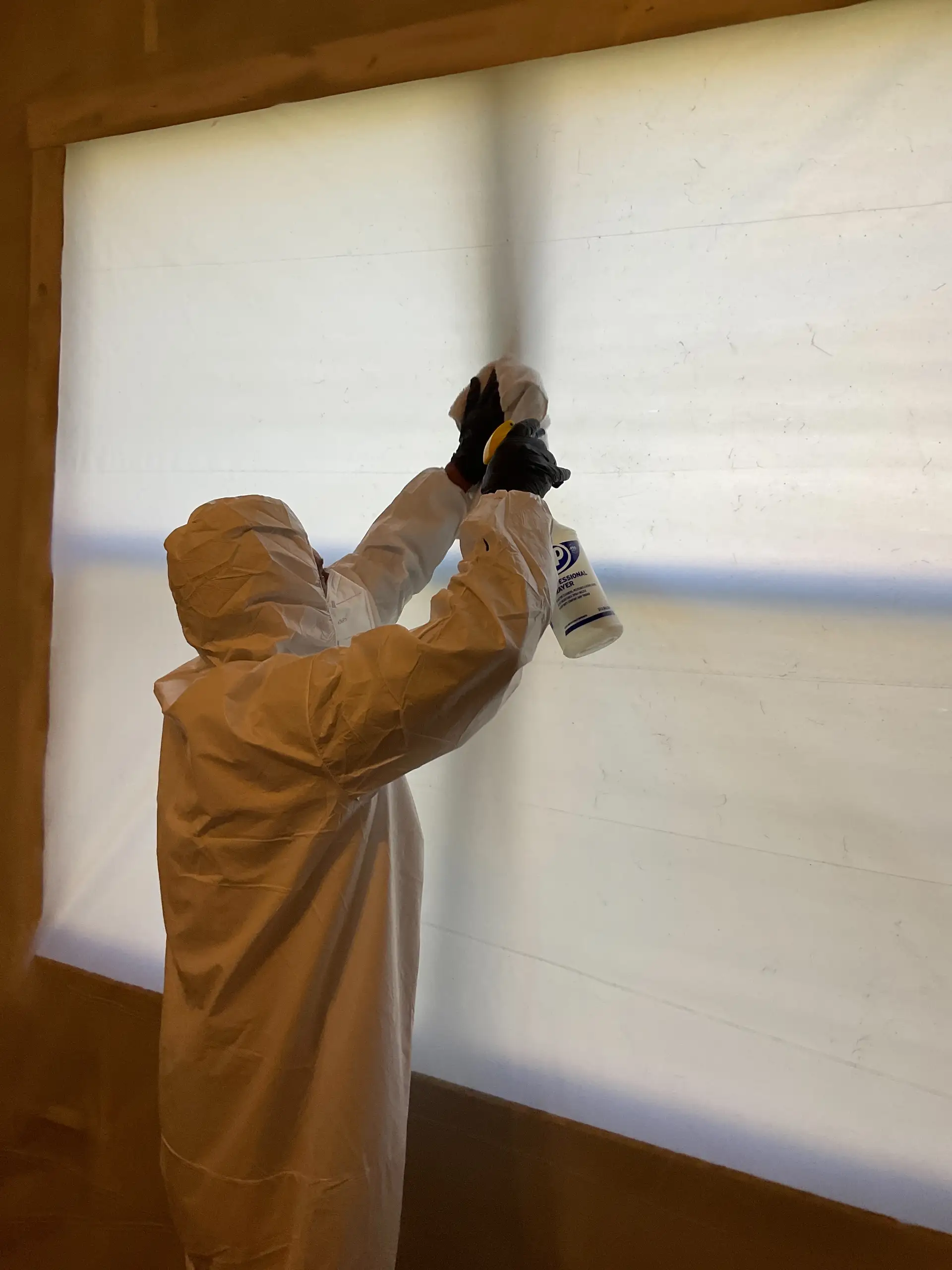
Mold removal inside containment area 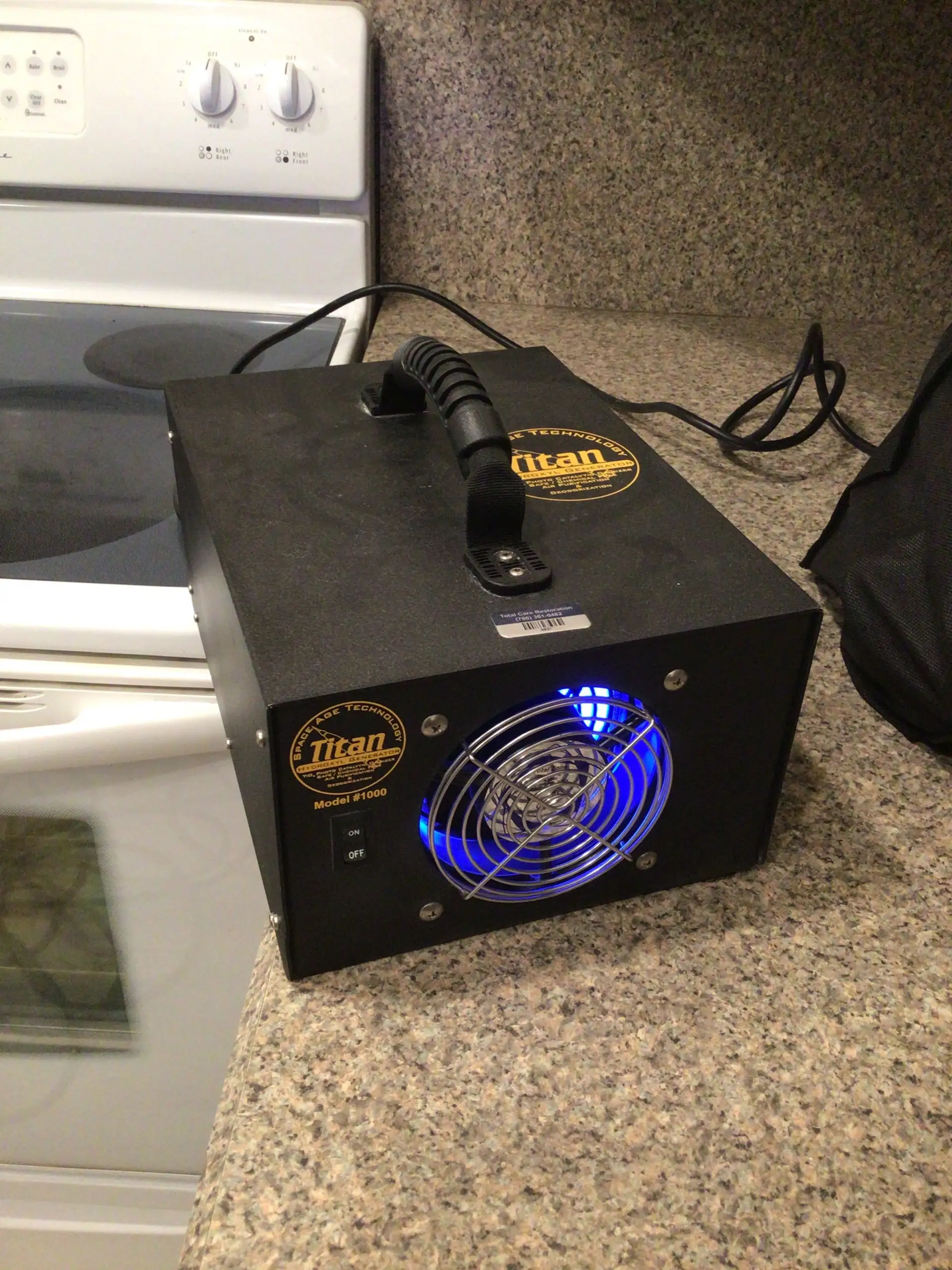
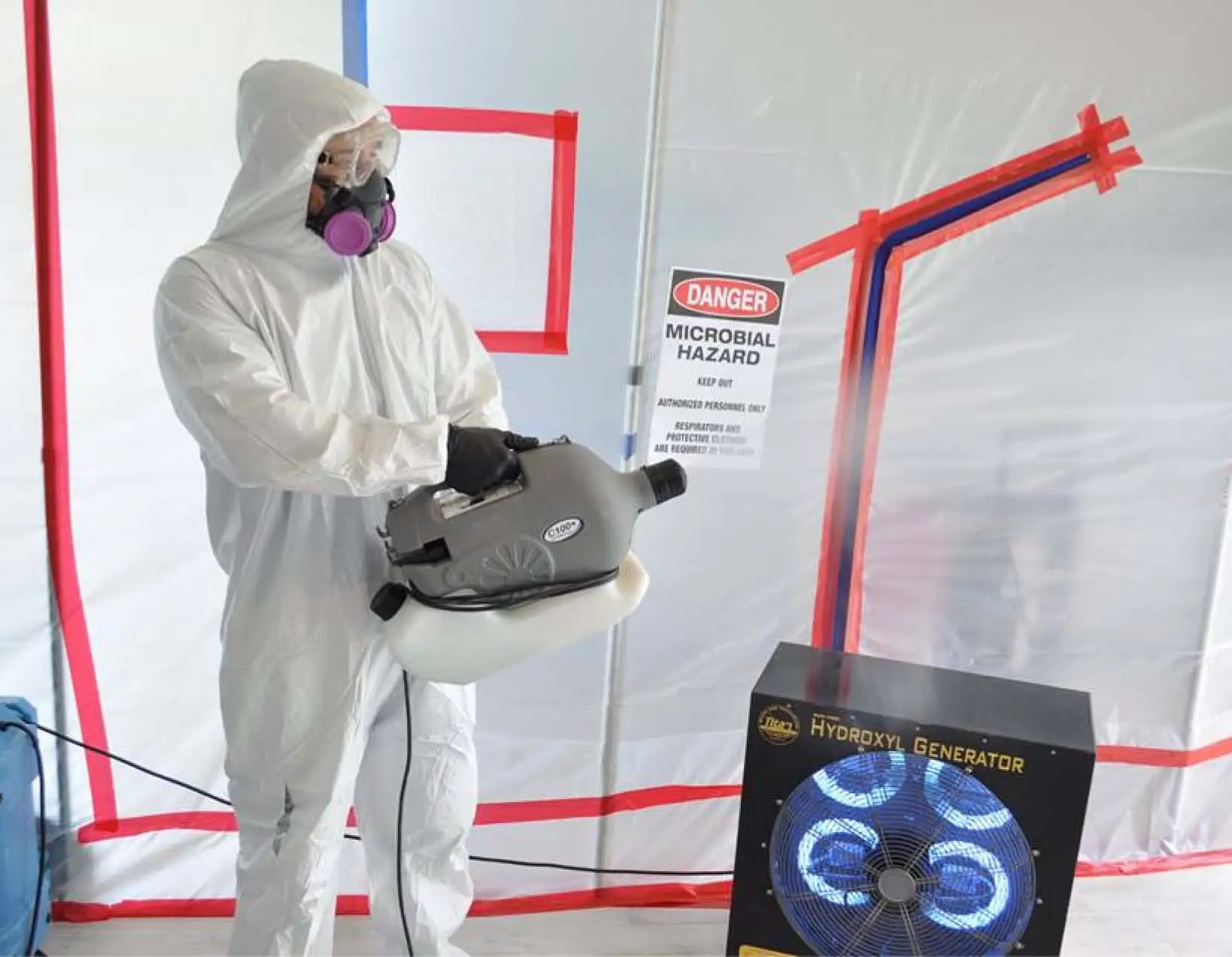
Hydroxyl generator for mold odor removal and air purification
Service Areas
We provide mold remediation services throughout South Florida.
Commercial mold remediation in Parkland
Parkland has its own commercial page. Other commercial cities are listed on the commercial services page.
Also serving: Aventura, Boca Raton, Coral Gables, Deerfield Beach, Fort Lauderdale, Kendall, Key Biscayne, Miramar, North Miami, Palmetto Bay, Pembroke Pines, Pinecrest, Plantation, Sunrise, West Palm Beach.
Mold Resources & Guides
Learn more about mold detection, prevention, and our remediation process.
Mold Inspection Process
How a mold inspection visit is organized, and how it sits next to remediation. Clearance sampling on this page is arranged with a third party.
Learn MoreMold Remediation Cost in Florida
See typical Florida pricing ranges and run our live cost estimator before you request a quote.
Open estimatorSigns of Mold Behind Walls
Discover how to tell if mold is hiding behind your drywall and what warning signs to watch for.
Learn MoreHealth Risks of Mold
General reading on mold in a home. It is not a medical diagnosis or a predicted outcome.
Learn MoreConcerned About Mold?
Call (305) 428-2192 or request an estimate. We contain the area, remove growth, and address the moisture source. Clearance sampling, when needed, can be arranged with a third party.