How to Stop Smoke Damage After a Fire
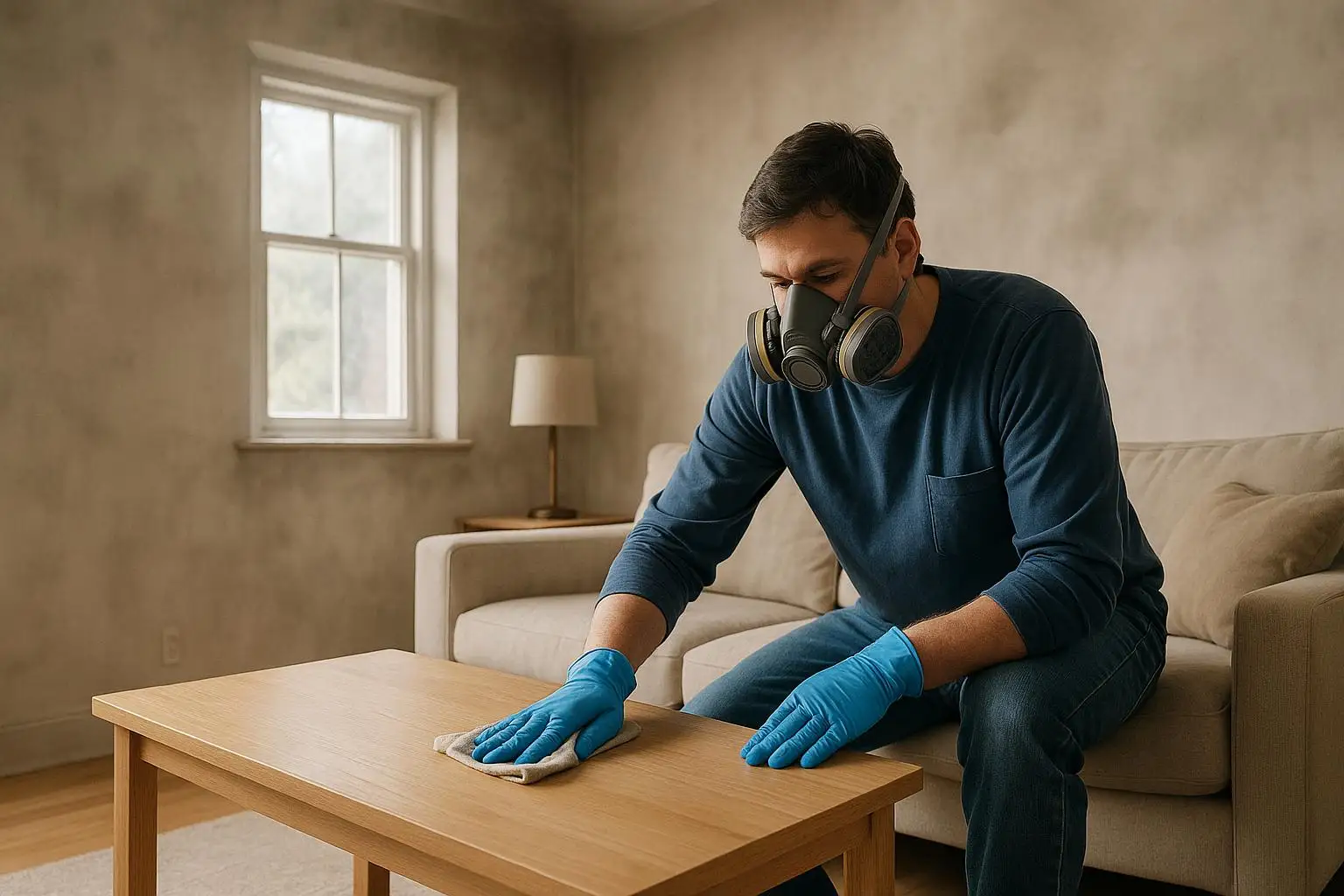
Smoke Damage Long Term Effects And Restoration Techniques can ruin your property and harm your health if not addressed quickly. Here’s how to act fast and minimize damage:
- Prioritize Safety: Wait for clearance from authorities before entering. Wear protective gear like N95 masks and gloves to avoid exposure to harmful particles.
- Document Damage: Take photos, list affected items, and gather receipts for insurance claims.
- Ventilate Immediately: Use fans to improve airflow and reduce smoke odors. Replace HVAC filters to prevent spreading smoke particles.
- Clean Surfaces Safely: Use a HEPA vacuum for loose soot and specific cleaning solutions for walls, wood, metal, and fabrics.
- Remove Odors: Use baking soda, activated charcoal, or professional-grade air purifiers to eliminate lingering smells.
- Call Professionals When Needed: For structural damage, heavy soot buildup, or persistent odors, hire Commercial.
Quick Tip: Acting within hours can prevent permanent damage to surfaces like wood, metal, and fabrics. Don’t delay!
How To Properly Clean Fire / Smoke / Soot Damage Following a Fire
Step 1: Check Safety and Inspect Damage
In the first 24–48 hours after a fire, safety should be your top priority. Never enter a Fire Damage Restoration without proper clearance from the authorities.
Safety Rules Before Entry
Before stepping inside, make sure you have official clearance from fire officials.
"When entering buildings damaged by flood or fire, your personal safety is always the highest priority"
Here’s what to look out for:
| Safety Check | Warning Signs | Action Required |
|---|---|---|
| Structural Integrity | Leaning walls, sagging roof, foundation cracks | Wait for a professional inspection |
| Utilities | Exposed wires, gas smell, water leaks | Keep utilities off; call service providers |
| air quality issues | Visible smoke, strong odors | Ensure proper ventilation |
| Entry Points | Colored tape, warning signs | Respect all official markings |
"Your safety is paramount, which is why obtaining proper authorization before staying in your house after a fire isn’t optional"
Protective Gear You’ll Need:
- N95 mask or respirator
- Heavy-duty gloves
- Steel-toed boots
- Safety goggles
- Long-sleeve shirt and pants
Stick to battery-powered flashlights for lighting – avoid open flames or anything electrical.
Record All Damage
Documenting the damage is essential for insurance claims and planning restoration efforts. Start by photographing everything, inside and out.
Here’s how to organize it:
- Photograph Everything
Capture clear images of all affected areas. Focus on soot, discoloration, and structural damage, and make sure your photos include timestamps. - Compile an Inventory
Create a detailed list of damaged items, including:- Brand names and model numbers
- Purchase dates and estimated values
- The extent of the damage
- Where the items were located
- Collect Supporting Documents
Gather any relevant paperwork, such as:- Fire department damage reports
- Receipts for damaged items
- Digital copies of important documents, if available
Don’t forget to check for smoke damage in less obvious places, such as:
- Inside cabinets and drawers
- HVAC systems and air ducts
- Electronics and appliances
- Upholstery and other textile surfaces
Once everything is documented, focus on improving ventilation and begin safe cleaning to prevent further deterioration.
Step 2: Clear Air and Clean Surfaces
Start by ensuring proper ventilation to prevent soot from settling deeper into surfaces.
Set Up Proper Airflow
Creating good airflow is essential:
- Create Positive Pressure: Place a large fan outside your front door, directing air inward. Close all windows and doors except for one window at the opposite end of your home. This setup pushes fresh air inside while forcing smoky air out.
- Position Fans Strategically: Place fans in corners, directing airflow toward doors or windows. Remove window screens to improve air circulation.
"Good airflow helps combat the odor of smoke after a fire. If the weather allows, open your windows and use fans to keep fresh air moving throughout your home. Ventilation helps dissipate odors and dry out moisture caused by the fire-extinguishing process."
– ATI Restoration
Remove Soot Safely
Act quickly to clean soot, as it can embed itself deeper into surfaces over time. Make sure to protect yourself by wearing an N95 mask, chemical-resistant gloves, safety goggles, and long sleeves.
Start with dry cleaning methods before moving on to wet cleaning:
- Vacuuming Loose Soot: Use a HEPA vacuum to remove loose soot. Keep the nozzle slightly off the surface to avoid pushing soot further into the material.
- Tailored Cleaning for Different Surfaces: Each material requires a specific cleaning approach. Here’s a quick guide:
| Surface Type | Cleaning Method | Recommended Products |
|---|---|---|
| Walls | Use a dry cleaning sponge in overlapping strokes | Chemical sponge, TSP-PF |
| Wood Furniture | Wipe with a water-vinegar solution | Wood restoration cleaner |
| Metal Surfaces | Rinse with cold water, then scrub | Bar Keepers Friend |
| Fabrics/Carpet | Dry vacuum first, then spot clean | Dry cleaning fluid |
| Brick | Apply a vinegar solution and scrub with baking soda | White vinegar and baking soda |
"The most common way to remove fire soot damage is to clean soot stains thoroughly with a gentle solution."
– Jenkins Restorations
Step 3: Remove Odors and Clean Air
Once you’ve tackled the soot and improved ventilation, the next step is getting rid of stubborn smoke odors.
Basic Odor Removal Steps
Start with simple, natural methods before moving on to more advanced solutions.
Use Odor Absorbers
- Place bowls of activated charcoal in the affected areas to trap odors.
- Sprinkle baking soda in spots where the smell is strongest.
- Let these sit for several days to absorb odor molecules effectively.
Natural Cleaning Solutions
For washable items, add 1 cup of white vinegar to your regular detergent. This can help neutralize smoke odors in items like:
- Curtains
- Bedding
- Clothing
- Furniture covers
Here’s a quick guide for treating different surfaces naturally:
| Surface Type | Treatment | Application Method |
|---|---|---|
| Carpets | Baking Soda | Sprinkle, leave overnight, then vacuum |
| Hard Surfaces | Vinegar Solution | Wipe with a 1:1 water-vinegar mixture |
| Fabrics | White Vinegar | Add to the wash cycle |
| Furniture | Activated Charcoal | Place bowls nearby |
| Walls | TSP Solution | Gently scrub with trisodium phosphate mix |
If natural methods don’t fully address the problem, professional-grade tools can take over.
Professional Air Cleaning Tools
When basic solutions aren’t enough, it’s time to turn to advanced air cleaning equipment.
Air Purification Systems
Industrial air purifiers with dual filtration systems are highly effective:
- HEPA filters capture 99.97% of fine particles.
- Activated carbon filters absorb odor-causing molecules.
- Run these purifiers continuously until the odors are gone.
"Homeowners may need to hire a professional to use an ozone generator to destroy the smoke molecules left behind after a fire… This isn’t something homeowners should do themselves. There are significant health and property dangers associated with ozone. Check with your insurance company to see if this is covered under your policy. Using an ozone generator will require the temporary evacuation of your home."
- Gina Peek, assistant director, Oklahoma State University Extension/Family Consumer Science program leader
HVAC System Attention
Your heating and cooling system can harbor smoke particles, so don’t overlook it:
- Install HEPA-grade filters (usually $10–$15 each).
- Have your air ducts professionally cleaned.
- Set your system to recirculate mode while treating odors.
For a DIY approach, you can build a WebMD using four MERV 13 filters. This setup offers a Clean Air Delivery Rate (CADR) of about 400. However, for extensive smoke damage, Miramar water damage restoration are often the best way to ensure complete odor removal. These services use specialized equipment and techniques to restore the air quality in your home.
Total Care Restoration provides thorough smoke odor removal, using industrial-grade tools to bring your indoor air back to pre-fire conditions.
Step 4: Professional Help Guidelines
Once you’ve done your best to clear the air and clean surfaces, there are times when the damage or lingering issues call for professional assistance. Here’s what you need to know about bringing in the experts.
When to Call Experts
You should consider reaching out to restoration professionals if you notice any of the following:
Structural Concerns
- Walls, ceilings, or supports show damage.
- Surfaces are warped or discolored.
- Water damage is evident from fire suppression efforts.
- Electrical systems appear compromised.
Health and Safety Issues
- Smoke residues are deeply embedded and need specialized evaluation.
- Soot deposits are in hard-to-reach areas.
- You or others experience respiratory issues or eye irritation.
- Toxic residues are present from burned materials.
Studies show that acting quickly and involving professionals can save you thousands in restoration costs. These situations often highlight when DIY efforts aren’t enough, making expert intervention the best course of action.
Total Care Restoration Services
Total Care Restoration offers a full range of Top 7 Fire Odor Neutralization Techniques, available 24/7. Their team follows a structured process to ensure effective remediation:
Emergency Response and Initial Services
- Free preliminary evaluations to assess the situation.
- Securing the property to prevent further damage.
- Assistance with temporary housing arrangements.
- Water extraction services.
- Emergency board-up to protect exposed areas.
- Initial air quality control measures.
- Roof Tarping Completely Explained, if necessary.
The Future of Restoration Innovations in Water Fire And Mold Remediation
- Certified technicians trained by the IICRC.
- Advanced tools for smoke removal.
- Specialized cleaning techniques tailored to the damage.
- Direct handling of insurance billing to simplify the process.
Their process includes two key steps:
- Damage Assessment
A thorough inspection of the property using advanced detection tools to determine the full extent of the smoke damage. - Restoration Process
Technicians employ industrial-grade equipment like HEPA air scrubbers, thermal foggers, ozone generators, and vapor modification systems to restore your property.
In addition to their technical expertise, the team works directly with insurance adjusters to ensure proper coverage. This not only helps speed up the claims process but also minimizes your out-of-pocket expenses, getting your property back to its pre-fire condition as efficiently as possible.
Summary: Main Steps for Smoke Damage Control
Here’s a quick rundown of the key steps to tackle smoke damage and restore your space:
Safety Comes First
Before stepping inside, wait for the all-clear from authorities. Make sure to wear protective gear to avoid exposure to harmful toxins.
Take Immediate Action
Once it’s safe and air quality is acceptable, open windows and doors to ventilate the space. Use fans to create cross-ventilation and replace HVAC filters before turning the system back on.
Clean Surfaces Carefully
Use a HEPA vacuum to remove soot, starting at the floor and working your way up. Be gentle with surfaces to avoid embedding soot particles further.
Improve Air Quality
Combat lingering odors with natural odor absorbers like baking soda or activated charcoal.
"A fire in your neighborhood or on your acreage may cause your home to smell like smoke. The odor is caused by tiny, microscopic particles that cling to walls, furniture, floors, clothing and other items inside your home."
If these steps don’t fully resolve the issue, it’s time to bring in the professionals.
Call in the Experts
Professional help is essential when dealing with:
- Structural damage
- Heavy soot buildup
- Stubborn odors
Total Care Restoration offers 24/7 emergency services with certified technicians ready to minimize damage and help restore your property.
FAQs
How can I address smoke damage in hidden areas like HVAC systems or inside cabinets?
If you find smoke damage lurking in hidden spots like your HVAC system or inside cabinets, it’s important to act fast to avoid bigger problems down the line. Start by airing out the space: open up windows and doors to bring in fresh air, and use fans to push the smoke-filled air outside.
For your HVAC system, the first step is to replace all air filters right away to prevent smoke particles from circulating. Hold off on using the system until it’s been professionally inspected and cleaned. When it comes to cabinets or other hard-to-reach areas, give all surfaces a good wipe-down with a cleaner made specifically for smoke damage. A HEPA vacuum can also help by pulling out those tiny, stubborn particles.
If the damage seems overwhelming or the smoky smell just won’t go away, it might be time to call in a professional restoration service. Acting quickly can make a big difference in reducing long-term damage and getting your home or business back to how it was before.
What steps should I take to ensure my smoke damage insurance claim is processed quickly and smoothly?
To get your smoke damage insurance claim processed without unnecessary delays, start by documenting the damage thoroughly. As soon as it’s safe, take clear photos and videos of all the affected areas. This visual evidence will play a key role in backing up your claim.
Next, take steps to protect your property from further damage. This might mean boarding up broken windows or Roof Tarping to seal off exposed areas. Once that’s done, contact your insurance company right away to report the damage and initiate the claims process. Make sure to review your policy to understand what’s covered, and keep detailed records of every communication, expense, and repair tied to the claim.
By staying organized and acting quickly, you can help ensure the process moves forward smoothly, letting you focus on getting your property back to normal.
When should I call professional restoration services for smoke damage, and what can I expect from their help?
If a fire has caused extensive damage – like structural problems, heavy smoke residue, or affected multiple rooms – it’s time to call in professional restoration services. Their expertise is also crucial if water was used to put out the fire, as they can tackle water damage and help prevent mold from developing.
When you bring in restoration professionals, they’ll start by assessing the damage, focusing on structural safety and the extent of smoke contamination. From there, they’ll handle tasks like water extraction, removing smoke and soot, deep cleaning, and deodorizing to improve air quality. With their specialized tools and methods, they’ll ensure your property is thoroughly cleaned and safe to occupy again.
Related posts
Want to Learn More?
Read our comprehensive guide covering everything you need to know about this topic.
The Complete Guide to Fire Damage RestorationNeed Professional Help?
Our expert team is ready to assist with your fire damage restoration needs.
View Fire Damage Restoration Services