
Storm Damage Restoration in South Florida
24/7 storm damage restoration in South Florida. We tarp openings, dry the building, and restore wind, tree, surge, and hurricane damage the same day.
Choose Your Property Type
We offer specialized storm damage restoration services tailored to the unique needs of residential homeowners and commercial property managers.
Residential Services
Protecting your home and family after storms with fast, professional restoration. We handle insurance claims and work to get your life back to normal.
- Emergency roof tarping
- Flood water extraction
- Insurance claim assistance
Commercial Services
Minimize business downtime with rapid commercial storm damage restoration. We handle everything from emergency tarping to complete reconstruction.
- Multi-location coordination
- Business interruption docs
- Large-scale capability
Storm damage repair services
Storm damage repair services cover the opening the storm made and the rooms the water reached. Homes and commercial buildings follow the same order: secure the opening, remove standing water, dry what got wet, and write down what happened. A storefront and a single-family roof are different crew days, so the scope is written separately.
Residential storm damage repair
Residential work usually starts at the roof, a window, or a door, then moves to the ceilings and floors the rain reached. That includes tarping or board-up, extraction, drying, and photos of the path from the opening to the wet rooms. Tree impact and broken glass stay on the same visit when they came from the same storm. Residential storm damage restoration in Miami is the Miami city page for that path. The first-week order is written out in the storm damage restoration week-one plan. Water that has already reached the attic is covered in water in the attic after a storm.
Commercial storm damage repair
Commercial storm damage repair is board-up or tarping, water removal, drying, and a record a property manager can send to an owner or a carrier. We do not promise a date the business reopens. The schedule follows how much of the building is still open to weather and how wet the interior is. Commercial storm damage restoration in Sunrise is one of the commercial city pages. If someone pressures you to sign before those photos exist, use the storm contractor scam checklist.
Storm damage jobs on record
Completed-job records for South Florida cities list residential tarp work in Miami (198), Hollywood (94), Fort Lauderdale (68), Hialeah (47), Kendall (40), and West Palm Beach (31). Hurricane is the recorded loss source on tarp and water jobs in Miami, Hollywood, Hialeah, Pembroke Pines, and Coral Springs, including Hollywood tarp jobs in 2021, Miami tarp jobs in 2023, and a Coral Springs tarp job in April 2023.
Commercial tarp records in that same file are a shorter list: Doral, Miami (two roof tarps in August 2021), and Fort Lauderdale (two tarp jobs in August 2024). The repo does not include a written commercial storm case study beyond those job rows.
Credentials shown for this service
Total Care Restoration shows these credentials for storm damage restoration. They match the badges at the top of this page.
Florida Licensed Mold Remediator
MRSR2596
IICRC Certified Firm
#219076
When a storm crew is scheduled
The phone line is answered at night, on weekends, and on holidays. Tarping and drying start once the visit is on the schedule. A permanent roof is a later trade.
- When the crew is scheduled
- When the property and the roads can be reached safely.
- After a major hurricane
- Calls are worked in the order they are received.
Understanding Storm Damage
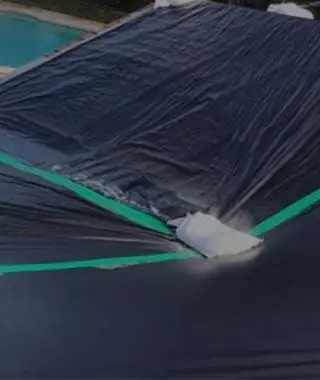
Hurricane season in South Florida brings wind, rain, floodwater, and flying debris. A roof can open. Water can reach the rooms under that opening. The structure can be weakened. Floodwater can be dirty. Each problem needs its own step, in order.
After a large storm, restoration crews across the region are stretched. Total Care Restoration moves equipment and staff into position before the storm so the crew can respond when you call and the roads are safe.
We know Florida's building codes. We document the building for the insurance file and walk it with the adjuster when that meeting is scheduled. The carrier decides what the policy pays.
Storm damage is often several problems at once. The opening, the water, and the structure are planned as one job so the next rain does not undo the drying.
Why Act Fast
An open roof lets the next rain in. Standing water grows mold in 24-48 hours in this climate. A weakened structure can get worse while it stays wet. After a large storm, crews across South Florida get busy, so calling earlier holds an earlier place in line.
Common Causes of Storm Damage
- Hurricane winds tearing off roofs
- Storm surge flooding coastal areas
- Heavy rain leaking inside buildings
- Debris hitting walls and windows
- Trees falling on structures
- Power surges damaging electronics
- Long power outages spoiling goods
- Tornado damage during storms
- Hail cracking roofs and glass
- Rain blowing through gaps in doors and windows
Common Storm Damage Problems We Solve
Each problem name opens the problem page for that kind of storm damage.
Commercial Building Envelope Storm Damage
Storefront, curtainwall, and low-slope roof damage from hurricanes and wind-driven rain
EmergencyStorm Damage Restoration Services We Provide
Our proven restoration process ensures thorough, professional results every time.
Emergency Response
Rapid deployment to assess and secure property
Roof Tarping
Immediate temporary roof protection
Water Extraction
Remove flood water and begin drying process
Debris Cleanup
Safe removal of storm debris
Structural Repair
Address wind, water, and impact damage
Full Restoration
Complete property restoration
Storm season in Miami and South Florida
The Atlantic hurricane season runs from June 1 through November 30. That window is the one the National Weather Service publishes for the Atlantic. A named storm is not the only way a Miami building gets wet. A thunderstorm can open a roof or a window, and the next rain comes through that opening.
Wind-driven rain and rising water take different paths. Wind-driven rain comes through something the wind tore: roofing, a window, a door, or a storefront seal. Rising water, including storm surge, comes in from outside and moves up through the building. Carriers often treat the two under different parts of a policy, and some wind policies use a hurricane deductible. Photograph the entry point before debris is moved. What the policy pays is a question for the carrier.
The first move on an open roof is a temporary cover. Emergency roof tarping stops the next rain. It is not the finished roof. A tree on the structure, and a storefront, glazed wall, or low-slope roof, are separate problem pages linked below.
Wet materials in this humidity need extraction and drying in the first day or two. If growth is already visible, that work is mold remediation, handled as its own job.
In a condo or HOA building, the association often controls the roof, the elevator, and the garage. Tell the manager before a crew needs those areas. We document the unit or the suite we are asked to work. The association’s master policy is a question for the association and its carrier.
The service area is Miami-Dade, Broward, and Palm Beach. Residential storm damage restoration in Miami and commercial storm damage restoration in Sunrise are two of the city pages. The city lists further down link the other residential and commercial pages.
A king tide is a separate coastal flood. NOAA uses the name for an exceptionally high tide. That water can reach a low street or a garage without a named storm. It is a different event from hurricane surge.
- National Weather Service hurricane season
- Hurricane roof damage
- Wind damage restoration
- Hurricane flood damage
- Emergency roof tarping
- Tree damage restoration
- Commercial building envelope storm damage
- Mold remediation
- Residential storm damage restoration in Miami
- Commercial storm damage restoration in Sunrise
- NOAA king tide explainer
First 48 Hours After Storm Damage
South Florida humidity turns an open roof or wet drywall into a mold problem quickly. Use this checklist for the first two days: keep people safe, stop the next rain, record where the water entered, and start drying. A tarp is a temporary cover, not the finished roof. The insurance timeline on this page is the paperwork order that follows.
Hours 0–6
Life safety & stop the weather
- Confirm everyone is safe; do not enter if the structure looks unstable or power lines are down.
- Shut off electricity at the main breaker if water is present and it is safe to reach.
- Photograph and video exterior and interior damage before moving debris (insurance evidence).
- Stay off a damaged roof. Call for emergency roof tarping or board-up if openings are exposed to rain.
- If the building is a condo or an HOA property, tell the association the roof or a common wall may be open before a crew needs the roof, elevator, or garage.
- Contact your insurer’s claims line and get a claim number — do not wait for “dry weather.”
Hours 6–24
Extract, dry, document
- Extract standing water and start drying wet materials within the first day when possible.
- Photograph whether water came through an opening the wind made, or rose from outside, before debris is moved.
- Move undamaged contents to a dry zone; bag wet soft goods for cleaning or disposal decisions.
- Document serial numbers and receipts for major contents when available.
- Avoid running HVAC through wet cavities — it can spread mold spores and odors.
- Schedule a professional moisture inspection (meters + thermal) even if surfaces look dry.
Hours 24–48
Claim + mold prevention
- Keep a daily log of mitigation steps, vendors, and adjuster conversations.
- Ask your adjuster about temporary housing / ALE if the home is unlivable.
- Do not discard structural materials until the adjuster or mitigation lead confirms documentation.
- Watch for musty odors, warping floors, or ceiling staining — early mold risk in South Florida humidity.
- Confirm next steps: drying goals, rebuild scope, and who authorizes tear-out.
Storm season in Miami and South FloridaStorm damage insurance timeline
Storm Damage Insurance Timeline
The order most South Florida claims follow after wind, rain, or a hurricane: document, mitigate, walk the building with the adjuster, compare the estimate, then rebuild after the structure is dry. The sequence is paperwork and mitigation. Wind-driven rain and rising water are often different parts of a policy, and some wind policies use a hurricane deductible. The carrier decides coverage.
Day 0 — Document before cleanup
Wide shots of the roof, openings, water lines, and damaged rooms, taken before debris moves. Note the date and where the water entered: through an opening the wind made, or up from outside. Save the claim number and the adjuster contact with those photos.
Day 0–1 — Emergency mitigation
Tarping, board-up, water extraction, and drying are the emergency steps to record. Keep the invoices, the photos of the temporary work, and any moisture readings. Whether those invoices are paid is a question for the carrier.
Day 1–7 — Scope and adjuster walkthrough
Walk the property with the adjuster when the carrier schedules it. Go through the wet rooms, the contents, and what was opened to dry. Ask which areas still need photos before anything is thrown away.
Week 1–3 — Estimate agreement
Compare the carrier estimate with the written scope. If a line is missing, the photos and moisture notes are what you send back with the question. This step is paperwork. It is not an approval.
Rebuild and close-out
Repairs come after the structure is dry. If mold is already growing, that work is scoped before finishes go back. Close-out is a final walkthrough and the documents the carrier asked for. The carrier decides the claim.
We document the building and can walk it with the adjuster when that meeting is scheduled. The carrier decides what the policy pays. Call (305) 428-2192.
Storm Damage Restoration FAQs
Get answers to common questions about our services in your area.
Have a question not answered here?
Call us at (305) 428-2192 — We're here to help 24/7Our Work in Action
See examples of our professional storm damage restoration services throughout South Florida.

Storm damage restoration and structural drying 
Storm damage assessment and mitigation 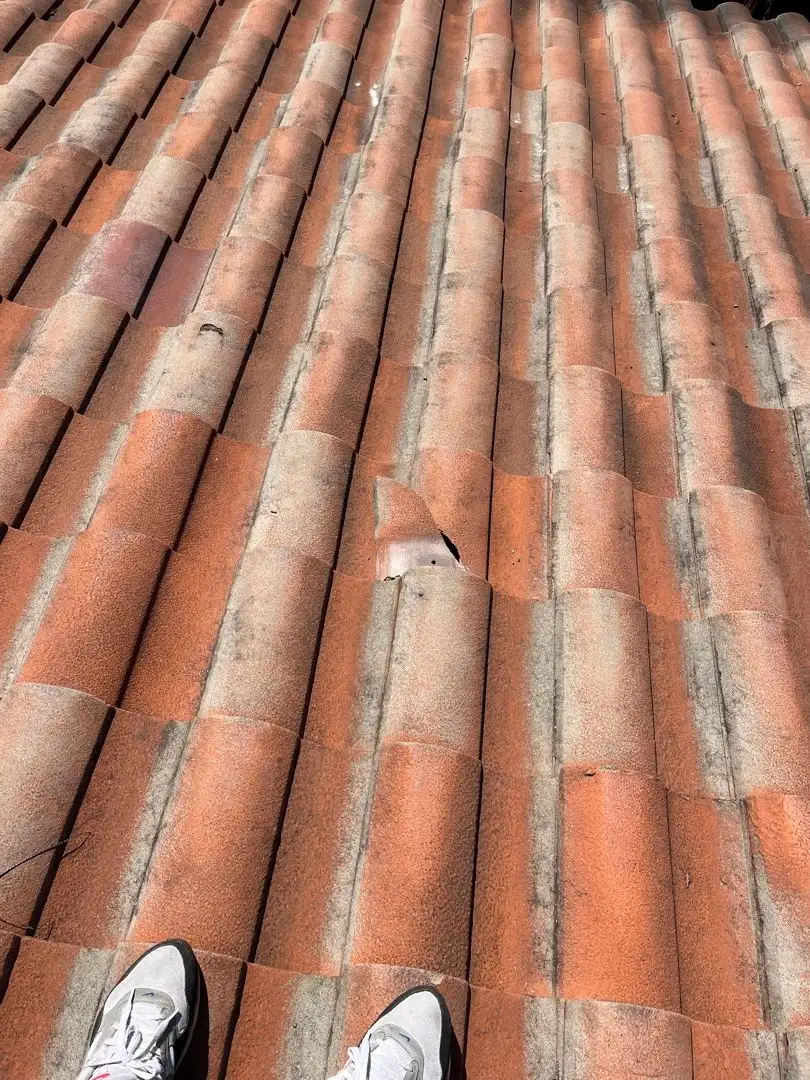
Roof tile damage from storm requiring tarping 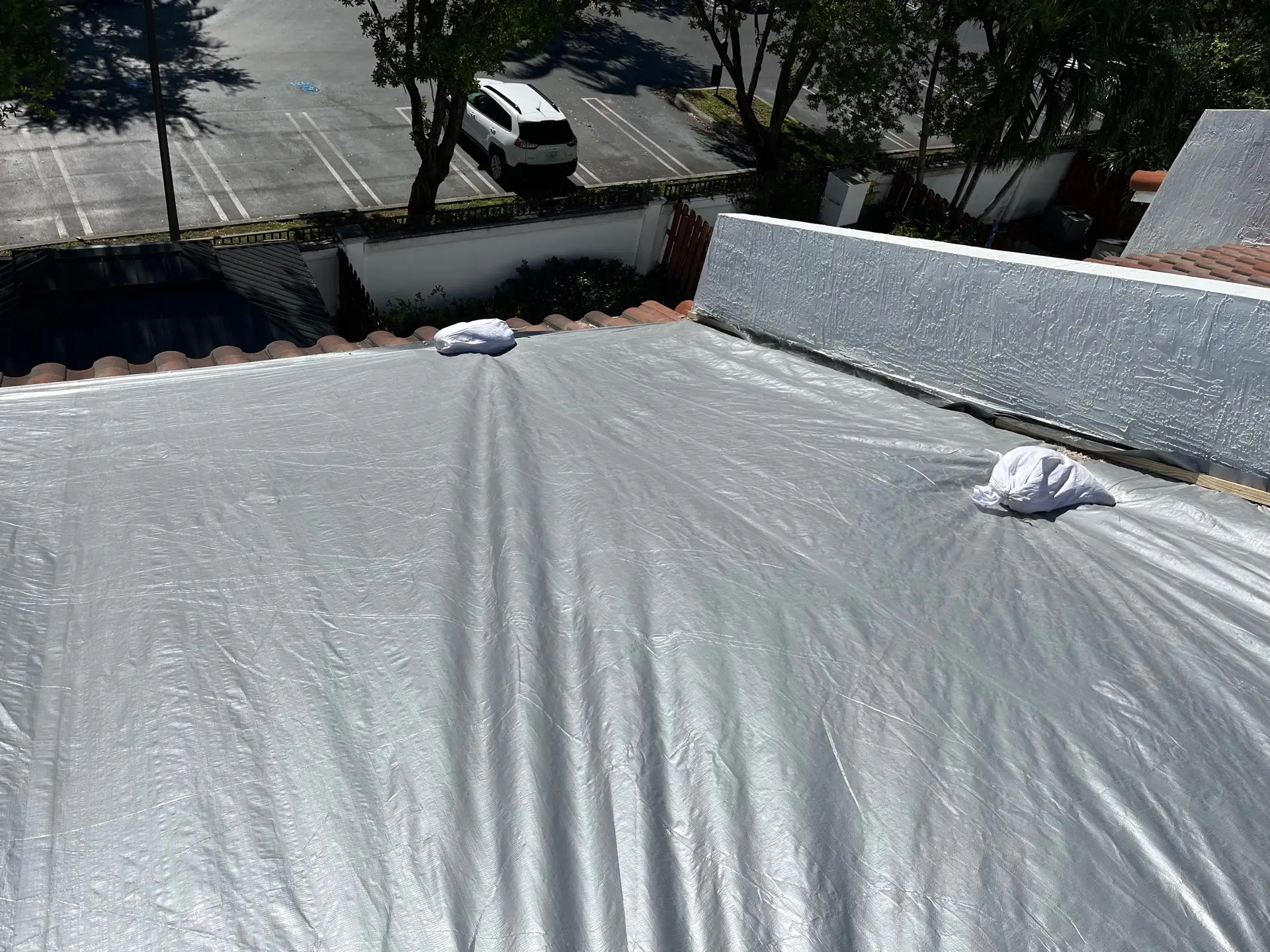
Professional roof tarp installation after storm damage 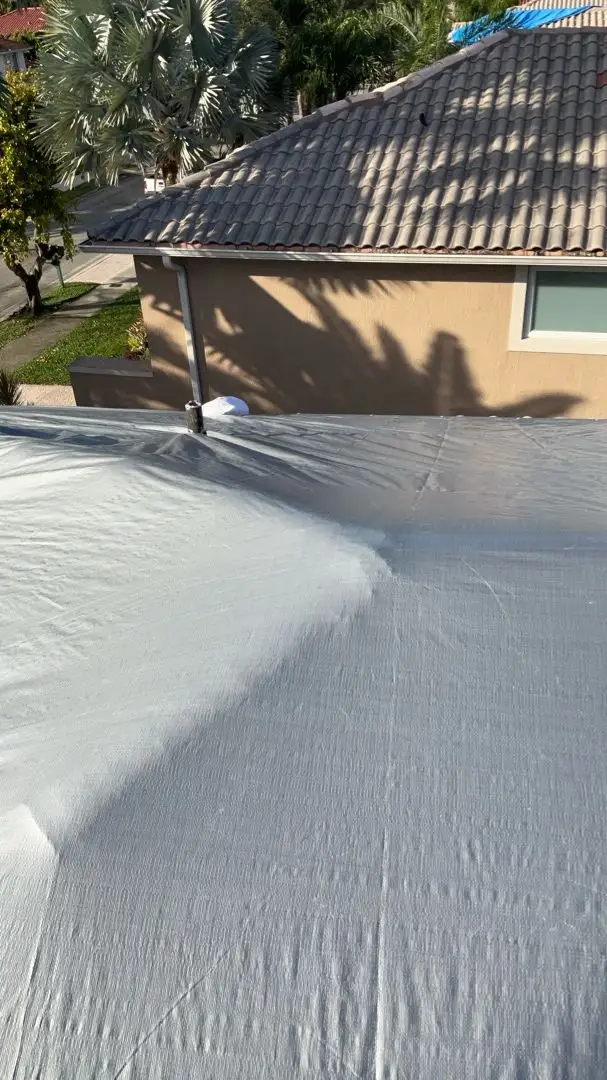
Storm damage roof protection with installed tarp
Service Areas
We provide storm damage restoration services throughout South Florida, including Miami-Dade, Broward, and Palm Beach counties.
Residential cities
Also serving: Aventura, Coconut Creek, Deerfield Beach, Doral, Fort Lauderdale, Hialeah, Homestead, Miami Beach, Miami Lakes, North Miami, North Miami Beach, Pembroke Pines, Pinecrest, West Palm Beach, Weston.
Commercial cities
Commercial storm damage restoration city pages, including Sunrise.
Also serving: Coconut Creek, Coral Gables, Coral Springs, Cutler Bay, Davie, Delray Beach, Doral, Hallandale Beach, Hialeah, Homestead, Kendall, Miami, Miami Beach, Miami Lakes, Miramar, North Miami, North Miami Beach, Palmetto Bay, Pompano Beach, West Palm Beach.
Storm Damage Emergency?
Our storm damage restoration team is available 24/7 throughout South Florida. Fast response protects your property from further damage.