When and How to Use Sand Blasting After a Fire
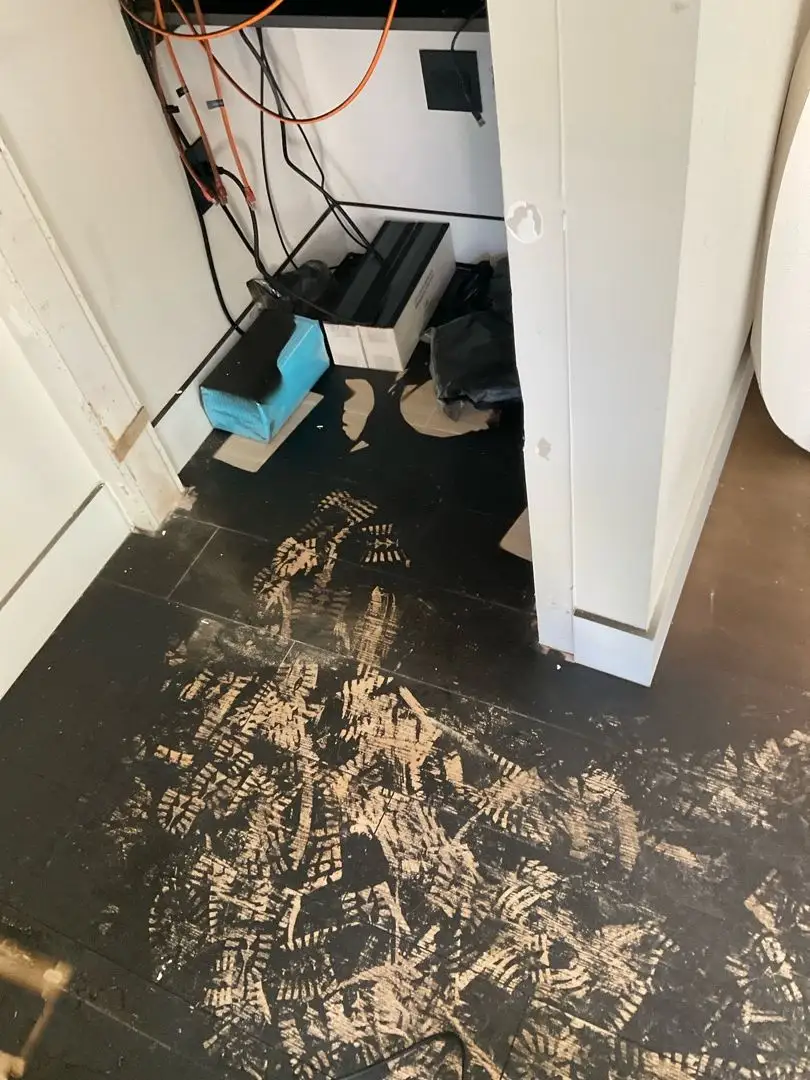
Sand blasting after a fire removes embedded soot, char, and smoke residue from structural wood, metal, and concrete. When chemical cleaning and pressure washing aren’t enough, abrasive blasting can restore surfaces to a clean, paintable state. Here’s when and how professionals use it.
Key Takeaways
- When to Use: Structural wood (roof framing, beams, joists), metal, brick, or concrete with heavy soot, char, or surface contamination that resists chemical cleaning.
- Why It Works: Abrasive media physically removes layers of residue instead of dissolving it, revealing the original surface.
- Safety First: Always wear respirators, goggles, and protective clothing. Contain dust and ensure proper ventilation.
- Professional Recommended: Sand blasting requires specialized equipment and experience. Fire damage restoration professionals assess whether surfaces can be salvaged and choose the right media and pressure.
Sand Blasting Fire-Damaged Roof Wood: See It in Action
Watch our team restore fire-damaged roof framing. Sand blasting removes the dark soot and char to reveal the natural wood underneath—often saving structural members that would otherwise be replaced.
When Is Sand Blasting Necessary After a Fire?
Sand blasting (or abrasive blasting) is used when surface contamination is too heavy for standard cleaning methods. Chemical sponges, HEPA vacuuming, and pressure washing work well for light to moderate soot, but some situations require a more aggressive approach.
Structural Wood: Roof Framing, Beams, and Joists
Wood exposed to fire and smoke becomes coated in soot and char. If the wood is structurally sound—meaning it hasn’t lost significant strength—sand blasting can remove the surface layer and restore a clean, paintable surface. This is especially common with:
- Roof trusses and rafters
- Exposed beams
- Floor joists
- Wood siding or decking
Removing soot and char improves appearance, reduces odor, and prepares the wood for sealing or refinishing. It can save homeowners the cost of full replacement when the underlying structure is intact.
Metal Surfaces
Metal fixtures, ductwork, machinery, and structural steel can develop heavy soot and corrosion after a fire. Sand blasting strips the contamination and creates a clean surface for priming and painting, which helps prevent future rust or degradation.
Brick and Concrete
Heavily stained brick and concrete—especially with burn marks, oily soot, or embedded residue—often need abrasive blasting when chemical cleaners and pressure washing fail. Professionals may use gentler media (e.g., baking soda, crushed glass) to avoid etching softer surfaces. For more on concrete, see How to Clean Fire-Damaged Concrete.
How Sand Blasting Works for Fire Restoration
Abrasive blasting uses compressed air to propel fine media (sand, crushed glass, walnut shells, baking soda, or other abrasives) at high speed against a surface. The impact removes soot, char, paint, and other contaminants layer by layer.
Media selection matters:
| Media Type | Best For | Notes |
|---|---|---|
| Silica sand | Heavy-duty cleaning, metal, concrete | Creates significant dust; requires containment |
| Crushed glass | General use, less dust than sand | Common choice for fire restoration |
| Walnut shells / baking soda | Delicate wood, softer surfaces | Gentler; less risk of surface damage |
| Coal slag / garnet | Tough stains, industrial surfaces | Effective but can be aggressive |
For structural wood like roof framing, professionals typically use a media that removes char without gouging or weakening the wood. Wet blasting can reduce dust by up to 92%, making it safer for occupied or sensitive areas.
Why Professional Sand Blasting Beats DIY
Sand blasting after a fire is not a typical DIY project. It requires:
- Structural assessment: Confirming that wood or other materials are safe to blast (not weakened beyond repair)
- Media and pressure selection: Choosing the right abrasive and pressure to avoid damage
- Containment: Preventing dust and debris from spreading to unaffected areas
- PPE and ventilation: Respirators, eye protection, and proper airflow
- Waste disposal: Proper handling of contaminated blast media and debris
Restoration companies like Total Care Restoration use industrial equipment and trained technicians to perform sand blasting safely and effectively. They also coordinate with insurance claims to document the work and support your recovery.
Alternatives to Sand Blasting
Depending on the surface and level of contamination, professionals may use:
- Dry ice blasting: Non-abrasive; good for delicate or electronic equipment
- Sponge blasting: Combines soot removal with controlled surface texture
- Laser cleaning: Precise, low-dust option for certain metals and materials
- Chemical cleaning: For light to moderate soot where abrasives aren’t needed
These methods are often discussed when comparing DIY vs. professional fire restoration. A professional assessment determines which approach fits your situation.
FAQs
Can sand blasting damage fire-damaged wood?
Sand blasting can damage wood if the wrong media or pressure is used. Professionals evaluate the wood’s condition first and select appropriate media (e.g., softer abrasives for structural wood) to remove soot and char without gouging or weakening the surface.
How much does sand blasting cost for fire damage?
Costs vary by surface area, type of material, accessibility, and local labor rates. Structural wood restoration (e.g., roof framing) is typically priced per square foot or as part of a larger fire restoration scope. Get a detailed estimate from a licensed restoration company.
Should I sand blast or replace fire-damaged structural wood?
If a structural engineer or restoration professional determines the wood is sound—no significant charring, cracking, or strength loss—sand blasting can often restore it. Severely damaged wood should be replaced. Always get a professional assessment before deciding.
Related Articles
Want to Learn More?
Read our comprehensive guide covering everything you need to know about this topic.
The Complete Guide to Fire Damage RestorationNeed Professional Help?
Our expert team is ready to assist with your fire damage restoration needs.
View Fire Damage Restoration Services