Fire-Damaged Wood: Repair or Replace?
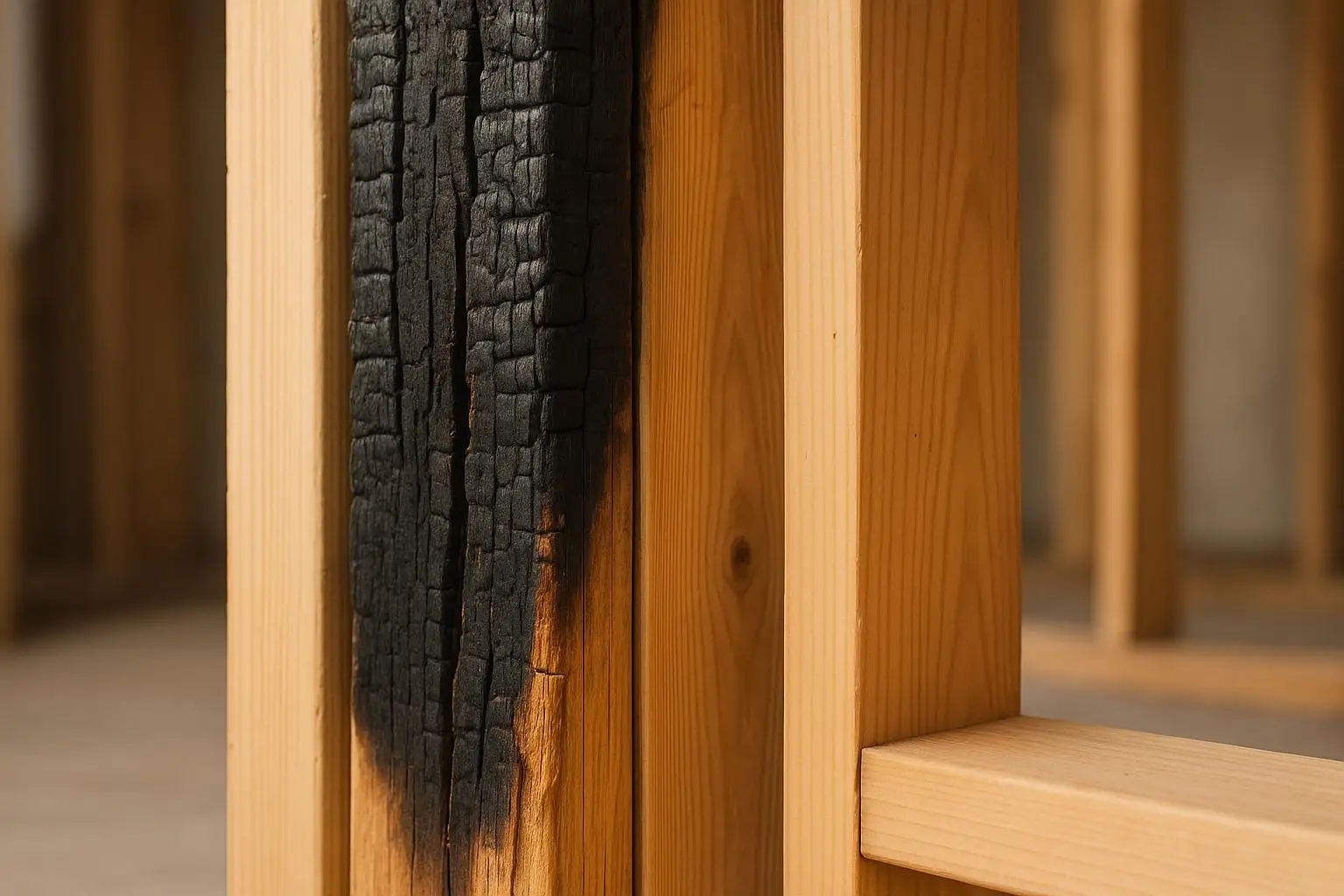
When a fire damages wood in your home, deciding between repair or replacement depends on safety, cost, and extent of damage. Here’s what you need to know:
- Safety First: Structural components like beams or joists with deep charring, warping, or weakness should be replaced. Superficial damage (e.g., light charring or smoke stains) can often be repaired.
- Cost Consideration: Repairs (cleaning, sanding, sealing) can sometimes cost as much as replacing the wood. Replacement often ensures long-term safety and durability.
- Smoke and Health Risks: Lingering Top 7 Fire Odor Neutralization Techniques can carry toxins. If cleaning doesn’t resolve this, replacement is the safer option.
Quick Tip: Use a screwdriver to check wood strength – soft or crumbly areas signal severe damage. For load-bearing elements, always consult a professional to ensure your home remains structurally sound.
Act quickly to prevent further issues like mold or decay. If you’re uncertain, seek expert advice to make an informed decision.
Fire Damage Restoration in a Home | Truss Repair | Building Code Tips
How to Assess Fire Damage in Wood
Assessing fire damage in wood requires a thorough examination to uncover both visible and hidden issues that could weaken the structure. Start with a close visual inspection to spot obvious signs like charring, discoloration, warping, or cracking. Keep in mind that wood might look fine on the surface but could have internal damage from prolonged heat exposure. Sometimes, a thin charred layer can even shield the wood underneath.
Use a screwdriver to test charred areas – soft or crumbly wood is a red flag. Pay special attention to load-bearing components like beams, joists, and posts, as their structural integrity is critical.
Another factor to consider is moisture. Firefighting efforts often leave wood waterlogged, which can lead to mold and further damage. A What Is a Moisture Meter the Best Measurement is a handy tool to identify damp areas that might need attention.
Once you’ve completed these checks, classify the damage as either light or severe.
Light Damage vs. Severe Damage
Light damage typically involves surface-level issues that don’t compromise the wood’s strength. For example, charring less than ¼ inch deep or smoke stains, which can be cleaned and refinished.
Severe damage, on the other hand, indicates structural issues that make repairs unsafe or impractical. Deep charring (over ½ inch), warping, twisting, or wood that feels soft or hollow when tapped suggests the need for replacement. Completely burned-through areas are clear signs that the component is beyond repair.
Here’s a quick breakdown of damage levels and repair methods:
| Damage Level | Characteristics | Typical Repair Approach |
|---|---|---|
| Light | Smoke stains, charring under ¼ inch, no warping | Clean and refinish |
| Moderate | Charring between ¼ and ½ inch, minor warping, surface cracks | Sand, seal, and possibly reinforce |
| Severe | Charring over ½ inch, significant warping, structural weakness | Replace component |
When to Get Professional Assessment
For structural elements like load-bearing beams, floor joists, roof trusses, or support columns, a professional evaluation is a must. Even if damage seems minor, internal issues may not be immediately visible. Professionals use specialized tools to detect hidden problems that could compromise safety.
Additionally, if you’re filing an insurance claim, certified documentation from a professional is often required. Experts can also help identify health risks like harmful smoke residues or hazardous materials (e.g., asbestos or lead-based paint) that may have been disturbed during the fire. Warning signs such as sagging floors, doors or windows that no longer close properly, new cracks in walls or ceilings, or unusual creaking sounds in wooden structures all warrant immediate professional attention.
By addressing these issues promptly, you can prevent further damage and make informed decisions about restoration.
For homeowners in the United States dealing with fire damage, Total Care Restoration offers expert help. Their certified technicians are available 24/7 to provide thorough evaluations and ensure your property is restored safely. Reach them at totalcarerestoration.com or call (786) 610-6317 for assistance.
Repair or Replace? Decision Factors
When fire damages wood in your home, deciding whether to repair or replace it isn’t always straightforward. A careful evaluation of the damage can help you make a choice that balances safety and cost while addressing potential health concerns. Making the wrong call could lead to safety issues, unnecessary spending, or lingering health hazards.
Structural Safety Issues
The strength and stability of your home’s structure should be your top priority. Load-bearing elements like floor joists, roof trusses, and support beams that show deep charring or warping typically need to be replaced to ensure safety. On the other hand, non-structural components such as decorative siding or trim might be repairable if the damage doesn’t compromise their integrity. However, keep in mind that hidden heat damage can weaken these elements over time, so thorough inspection is key.
Repair Costs vs. Replacement Costs
Financially, the decision between repair and replacement often comes down to more than just the initial expense. Repairing fire-damaged wood – through cleaning, sanding, sealing, and refinishing – can sometimes end up costing as much as, or even more than, replacing it. New materials not only meet current building codes but also often come with warranties, making them a practical choice. Additionally, insurance companies may lean toward replacement, especially when Smoke Damage Long Term Effects And Restoration Techniques complicates the repair process.
Smoke Odor and Health Problems
Smoke doesn’t just leave a bad smell – it seeps deep into wood fibers, carrying toxins that can linger long after the fire is out. If cleaning doesn’t completely eliminate the odor or the contaminants, the wood may continue to pose health risks. In these cases, replacing the affected wood is often the safest and most effective solution for your home and family.
If you’re unsure about how to proceed, the certified technicians at Total Care Restoration can help. They specialize in fire restoration and offer 24/7 emergency services to guide you through the process. For a professional evaluation tailored to your situation, call Total Care Restoration at (786) 610-6317 today.
How to Repair Fire-Damaged Wood
If the damage to wood from a fire isn’t too severe, targeted repairs can often restore both its safety and functionality. The first step is to carefully assess the extent of the damage to determine the best approach. Once you’ve confirmed that repairs are feasible, follow these steps to bring the wood back to life.
Cleaning and Restoring Light Damage
For surface-level problems like soot buildup or minor charring, start by using a stiff brush to remove any loose debris. Scrape away burned material carefully. To clean soot, begin with a dry chemical sponge, then follow up with a mild detergent solution applied with a damp cloth. If there’s still a lingering smoke odor, lightly sand the wood to reveal a fresh layer.
For heavier charring on structural elements like roof framing, professionals sometimes use sand blasting to remove burned material and restore the wood surface—see the video below.
After cleaning, apply an odor-blocking primer specifically designed for fire-damaged wood. Finish the process with a protective coating, such as a stain or polyurethane, to restore its appearance and provide long-term protection. Make sure to let each layer dry fully before moving on to the next step. Once the surface is cleaned and sealed, check if the wood needs any structural reinforcement.
Fixing Structural Weakness
If the fire has slightly weakened the wood’s structure, repairs can often stabilize it. One effective method is sistering, where you reinforce weakened sections by attaching new wood alongside the damaged areas. Cracks can also be filled with epoxy adhesive to improve strength. For added security, consider using steel reinforcement plates to strengthen connections and distribute weight more evenly.
However, if you’re unsure whether these measures are sufficient, it’s always a good idea to consult a professional. A structural expert can confirm whether the repairs will hold up over time.
When Repairs Aren’t Enough
In some cases, the damage may be too severe for repairs to restore the wood safely. If the wood shows extensive charring or significant structural compromise, replacement is often the safer and more cost-effective option. Seeking advice from Comparing DIY Vs Professional Fire Restoration, like those at Total Care Restoration, can help ensure that the remediation process is handled correctly. When repairs fall short, replacing the damaged wood is the best way to guarantee long-term safety and stability.
These techniques emphasize the importance of balancing repair and replacement to achieve the best outcome for fire-damaged wood.
Replacing Fire-Damaged Wood Components
When fire damage goes beyond the point of repair, replacing the affected wood becomes essential. Spotting the warning signs early can help prevent future hazards and structural failures. Detailed inspections often reveal when repairing is no longer a safe option.
When Replacement Is Needed
- Severely charred wood: Wood that has been heavily burned must be removed and replaced. The intense heat changes the wood’s cellular structure, making it unsafe for load-bearing purposes.
- Warped structures: Signs like sagging roofs, warped ceilings, or uneven floors often point to compromised structural support. These deformations indicate instability that requires attention.
- Weak load-bearing capacity: Damage to exposed beams and joists, even if it appears minor, can significantly weaken their ability to support weight. Roof beams, rafters, and trusses showing noticeable weakening must be replaced to maintain structural integrity.
- Other warning signs: Cracks along walls or foundations may suggest that the structure was compromised by extreme heat or the pressure from firefighting efforts. Additionally, beams or walls that sound hollow or crumble to the touch are clear indicators of internal damage requiring replacement.
Making the Right Choice for Fire-Damaged Wood
Deciding between repairing or replacing fire-damaged wood comes down to a few key factors: safety, cost, and durability. Your choice has a direct impact on your home’s structural integrity and your family’s safety, so it’s not a decision to be taken lightly.
Safety comes first – always. Wood that’s been exposed to high heat often loses its ability to bear weight. If there’s any uncertainty about whether a structural component like a beam or joist can still do its job, replacement is the safer option. These elements are essential for supporting your home, so erring on the side of caution is critical.
When it comes to cost, think beyond the initial price tag. While repairs might seem like the more affordable route upfront, they can turn into a costly mistake if the damage reappears or worsens over time. Replacing damaged wood may require a bigger investment at the start, but it often pays off in the long run – especially for structural areas or spots where smoke odors linger despite cleaning.
Bring in the experts. Professional evaluations are essential to avoid missteps. Specialists can identify hidden damage that might not be obvious to the untrained eye and ensure that any repairs are more than just temporary fixes. Their expertise can save you from future headaches and expenses.
Acting quickly is also crucial. Fire-damaged wood left untreated can lead to bigger problems like mold growth and decay. Addressing the issue promptly not only prevents further deterioration but also keeps your options open for restoration. The sooner you act, the better your chances of securing a safe and lasting solution for your home.
FAQs
How do I know if fire-damaged wood should be repaired or replaced?
When dealing with fire-damaged wood, deciding between repair and replacement hinges on how badly the wood has been affected. Start by examining the char depth and overall structural condition. If the char depth is more than 1/8 inch or the wood shows clear signs of severe damage – like cracking, warping, or becoming brittle – replacing it is generally the safest choice.
To assess the damage, you can use a tool like an awl to gauge how deeply the wood has been compromised. If the wood feels soft or structurally weak, replacement is the best way to ensure safety and longevity. When you’re unsure, it’s always wise to consult a professional restoration service for a thorough evaluation and guidance. Companies like Total Care Restoration specialize in fire restoration and can help ensure your property is restored safely and efficiently.
What health risks can arise from smoke odors trapped in fire-damaged wood?
When smoke odors linger in fire-damaged wood, they don’t just smell unpleasant – they can release harmful particles and chemicals into the air. These pollutants can lead to respiratory irritation, lung inflammation, and even increase the risk of infections. Some of the toxic substances released, like benzene, formaldehyde, and other volatile organic compounds (VOCs), are known to pose serious health risks. Long-term exposure to these can potentially contribute to chronic health problems, including certain cancers.
Protecting your health and ensuring your home is safe again means addressing fire-damaged wood properly. Professional remediation services, handled by certified experts, are essential to thoroughly clean your property and eliminate these hidden dangers.
When should I call a professional to evaluate fire damage to my home’s wooden structures?
If you spot warping, sagging, or visible charring on load-bearing elements like beams, walls, or floors, it’s time to call in a professional. Fire damage can seriously weaken wood, even if the harm isn’t immediately obvious.
Not sure how bad the damage is or worried there might be hidden problems? A licensed expert can evaluate the situation, ensuring your home is safe and determining whether repairs or replacements are needed. For trusted Fire Damage Restoration, Total Care Restoration is available 24/7 to help you safely and efficiently bring your property back to its best condition.
Need help in South Florida?
If this goes beyond DIY cleanup, our IICRC-certified technicians respond 24/7 across Miami-Dade, Broward, and Palm Beach:
- Fire damage restoration
- Fire damage repair estimator
- Fire-damaged concrete cleaning
- Contact Total Care Restoration or call (786) 610-6317
Related posts
Want to Learn More?
Read our comprehensive guide covering everything you need to know about this topic.
The Complete Guide to Fire Damage RestorationNeed Professional Help?
Our expert team is ready to assist with your fire damage restoration needs.
View Fire Damage Restoration Services