Best Practices for Restoring Fire-Affected Concrete
When fire damages concrete, the effects go beyond surface issues. High temperatures can weaken the structure, cause cracks, spalling, and even chemical changes. Proper assessment, cleaning, and repair methods are critical to restore safety and functionality. Here’s what you need to know:
- Assessment: Look for spalling, cracks, discoloration, and delamination. Use tools like core sampling, ground-penetrating radar (GPR), and ultrasonic testing to evaluate internal damage.
- Cleaning: Remove soot and residues using HEPA vacuums, chemical cleaners, or dry ice blasting. Always wear protective gear and ensure proper ventilation.
- Repair vs. Replace: Replace concrete if damage is severe (e.g., strength loss over 25% or rebar exposure to temperatures above 1,000°F). Repair minor cracks with epoxy or mortar.
- Repair Methods: Options include cast-in-place concrete, shotcrete for vertical surfaces, and epoxy injection for structural cracks.
- Post-Repair Testing: Verify structural integrity through load testing, thermal analysis, and core sampling.
- Maintenance: Keep detailed records, inspect regularly, and reseal surfaces to prevent future issues.
Act quickly to minimize costs and risks. For complex damage, consult professionals to ensure proper restoration.
Concrete Fire Damage: Save or Demolish?
How to Assess Fire Damage in Concrete
Evaluating Fire Damage Restoration in concrete involves more than just a quick glance. Fires can reach temperatures of over 2,000°F, causing deep, often hidden, chemical changes within the material.
Start by looking for visible signs like spalling, cracks, and discoloration. Concrete exposed to extreme heat may turn pink or red due to iron oxide formation, while temperatures exceeding 1,000°F can result in gray or white coloration.
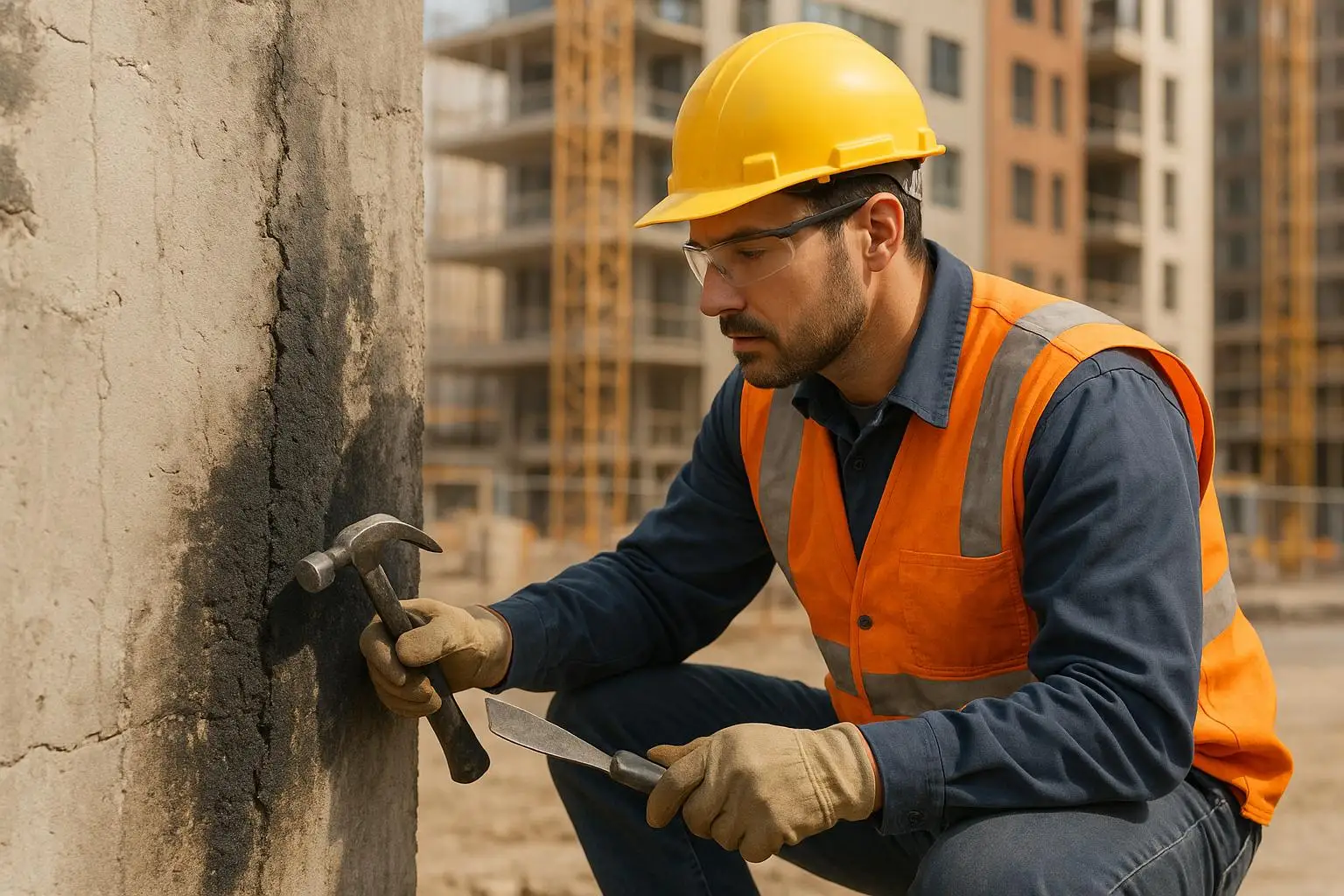
Delamination is another critical indicator. It occurs when the surface separates from the underlying layers. To check for this, tap the concrete with a hammer – delaminated areas will sound hollow compared to the solid thud of intact sections.
The extent of heat penetration depends on how long and intense the fire was. While surface temperatures can soar to 1,800°F, the layers below may remain cooler, creating internal stress that weakens the structure. Observing these details helps determine the need for technical testing methods.
Testing Methods for Damage Assessment
To accurately assess fire damage in concrete, professional testing methods are essential. These techniques provide a detailed understanding of the structure’s condition:
- Core Sampling: This method involves drilling cylindrical samples from various depths to examine the concrete’s strength and chemical changes. It’s considered the most reliable way to assess damage.
- Ground Penetrating Radar (GPR): GPR is a non-invasive tool that maps internal damage, detecting voids, cracks, and density changes up to 18 inches deep. It’s especially useful for identifying areas where reinforcing steel may have been weakened by heat.
- Schmidt Hammer Test: By striking the concrete surface with a spring-loaded hammer, this test measures hardness. Fire-damaged concrete often shows a 20–40% drop in surface hardness.
- Ultrasonic Pulse Velocity Testing: This method sends sound waves through the concrete to measure density and detect internal flaws. Slower pulse velocities typically indicate micro-cracking and other damage.
Temperature analysis also plays a key role. Concrete exposed to temperatures above 1,200°F usually needs to be replaced, while concrete in the 500–800°F range may be repairable, depending on how long it was exposed.
These tests provide the data necessary to decide whether repair or replacement is the best course of action.
When to Repair vs Replace Concrete
The choice between repairing and replacing fire-damaged concrete hinges on several factors, with structural integrity being the most critical. If compressive strength has dropped by more than 25%, replacement is mandatory.
Concrete should also be replaced if damage extends deeper than 2 inches, if reinforcing steel is compromised, or if rebar has been exposed to temperatures above 1,000°F, as this significantly reduces its strength. Repairs typically cost between $15–25 per square foot, while replacements range from $50–80 per square foot.
Cracking is another important consideration. Hairline cracks smaller than 0.1 inches can often be repaired using epoxy injection. However, larger cracks over 0.25 inches wide or those showing signs of structural movement usually call for section replacement.
Economic factors also play a role. If repair costs exceed 60% of replacement costs, replacement is often the better long-term solution. Additionally, building codes may require replacement when structural capacity falls below safety standards, regardless of cost.
Time constraints can influence decisions as well. In emergencies, temporary repairs might be used to stabilize the structure while planning for permanent solutions. However, safety and compliance with building codes should never be compromised in the process.
Cleaning Fire-Damaged Concrete
When it comes to restoring fire-damaged concrete, cleaning is the first and most important step. Fires leave behind more than just visible damage – soot, ash, and chemical residues can seep deep into the porous surface of concrete. Proper cleaning not only ensures that repair materials adhere correctly but also helps reduce potential health risks from lingering toxins.
Safety First: Gear Up and Plan Ahead
Cleaning fire-damaged concrete requires careful planning and the right safety precautions. Soot contains harmful chemicals, including carcinogens, that can be inhaled, absorbed through the skin, or accidentally ingested. Always wear protective gear such as gloves, safety goggles, and an N95 respirator (or equivalent). Make sure the area is well-ventilated by opening windows and using fans to direct contaminated air outside.
Removing Soot and Fire Residue
Start by securing the work area and focus on dry cleaning methods first to avoid spreading soot deeper into the concrete. Use a HEPA filter vacuum to gently lift loose debris and surface soot. For larger deposits, sweep carefully, working from the edges inward to minimize spreading contaminants.
Once the loose debris is removed, move on to chemical cleaning. Before applying any cleaner, test it on a small, hidden section of the concrete to ensure it won’t cause damage. Use a stiff brush with non-metallic bristles to scrub the cleaner into the surface – metal brushes can cause scratches and create spots where stains might settle. For outdoor areas, low-pressure power washing can help rinse away residues, but avoid high-pressure settings, as they can force contaminants deeper into the concrete.
Another effective option is dry ice blasting, which uses solid CO₂ pellets to clean the surface. This method is particularly useful for intricate or heavily contaminated areas since it doesn’t add moisture or chemicals to the cleaning process.
Remember to collect any runoff water carefully to prevent contaminated liquids from entering storm drains or sewers.
Preparing the Surface for Repairs
After cleaning, it’s time to prepare the surface for repairs. Damaged layers of concrete should be removed using mechanical methods like grinding or gentle blasting. This step creates a textured surface, which is essential for repair materials to bond effectively. Smooth surfaces don’t provide enough grip, so processes like scarification or light blasting can help achieve the right texture. Once the surface is prepped, rinse it thoroughly with clean water to remove any remaining dust or debris. Allow the concrete to dry completely before moving on to repairs.
Top 7 Fire Odor Neutralization Techniques can be particularly stubborn, as odor molecules can penetrate deep into the concrete. For these cases, additional steps such as professional ozone treatments or applying specialized sealers may be necessary to eliminate smells.
Finally, apply a new sealer to the cleaned and prepared surface. Fire often destroys existing sealers, leaving the concrete exposed to future damage and contamination. A fresh coat of sealer not only protects the surface but also helps prevent smoke odors from reappearing.
If the contamination is severe or odors persist despite your efforts, consider reaching out to Commercial like Total Care Restoration. They offer 24/7 emergency services with specialized tools and expertise to ensure the job is done right. With the concrete cleaned and prepped, the next step is choosing the best repair method for your project.
Concrete Repair Methods After Fire Damage
Once the cleaning phase is complete, the next step is selecting a repair method that aligns with the extent of the damage, structural requirements, and budget. The severity of the fire damage often determines the most suitable approach. High heat can cause concrete to spall, which may require replacing entire sections. Below, we’ll explore repair methods designed to address varying levels of damage and structural needs.
Cast-in-Place Concrete Repairs
For areas with extensive damage, cast-in-place repairs are often the go-to solution. This method involves removing the damaged concrete, preparing the site, and pouring fresh concrete into forms that shape the repaired section. It’s particularly effective for horizontal surfaces like floors or slabs, where form-and-pour techniques can be utilized. For vertical walls or overhead structures, adjustments are made to account for gravity’s impact on the fresh concrete.
The process typically includes cutting out the compromised material, cleaning and reinforcing the edges, setting up forms, and ensuring proper curing. While cast-in-place repairs can be labor-intensive and come with higher upfront costs, they deliver long-lasting results when done correctly.
Shotcrete for Structural Repairs
Shotcrete is a versatile repair method where concrete is sprayed onto surfaces at high velocity. This technique is especially effective for vertical walls, overhead areas, or irregular shapes that are challenging to address with traditional methods. The high-pressure application ensures strong bonding with the existing material and allows for precise control over the thickness of the repair.
Shotcrete can be applied using either a dry mix or a pre-mixed wet concrete. Both methods require skilled operators to ensure even application and proper curing. This approach is often faster than traditional methods and results in a dense, durable repair.
Epoxy Injection and Mortar Repairs
Epoxy injection is used to repair narrow structural cracks by injecting a high-strength epoxy resin into the voids. This method works best for stable cracks, as shifting cracks may require a more flexible sealing solution. Specialized equipment is used to inject the resin under controlled pressure, ensuring the crack is completely filled. This technique restores the structural integrity of the concrete quickly and effectively.
For surface-level issues like spalling or non-structural cracks, mortar repairs are a practical choice. Cement-based repair mortars are designed to match the thermal expansion and adhesion properties of the original concrete. While mortar repairs are cost-effective and ideal for cosmetic fixes, they are not suitable for load-bearing applications. Proper curing is essential to achieve the best results.
Repair Method Comparison
The table below provides a side-by-side comparison of these repair methods, highlighting their key applications, costs, cure times, durability, and structural capabilities.
| Method | Best Applications | Relative Cost | Cure Time | Durability | Structural Capacity |
|---|---|---|---|---|---|
| Cast-in-Place | Extensive damage requiring full reconstruction | Higher | Longer curing period | Very durable | Full structural repair |
| Shotcrete | Vertical, overhead, or complex shapes | Moderate | Faster application | Durable | Excellent structural integrity |
| Epoxy Injection | Narrow, stable structural cracks | Variable | Rapid curing | Restores strength | Can restore or exceed original strength |
| Mortar Repairs | Cosmetic fixes and minor surface damage | Economical | Shorter curing period | Moderately durable | Not suitable for load-bearing repairs |
Environmental conditions also play a role in selecting the best repair method. For instance, shotcrete works best in stable, controlled environments. Cast-in-place repairs require protection from freezing temperatures during curing, while epoxy injection may not be ideal in cold conditions, as the resin can become too viscous.
When dealing with complex or widespread damage, it’s crucial to consult a professional. Specialists, such as the team at Total Care Restoration, can assess the damage and recommend the most effective repair techniques to ensure a strong and lasting restoration.
Testing and Maintaining Restored Concrete
Once repairs are completed, thorough testing and consistent maintenance are essential to ensure your concrete remains durable and safe over time. Post-repair testing confirms the structural integrity and long-term reliability of the restoration.
Testing Completed Repairs
Just as with initial assessments, proper testing ensures that repairs bring the concrete back to its original strength and meet building code requirements. Engineers use a variety of methods, including video inspection, load tests, thermal imaging, and core sampling, to verify the quality of the restoration.
- Load Testing: This process evaluates whether the repaired areas can handle their intended loads. Engineers apply controlled stress to the repaired sections while monitoring for deflection, cracking, or other signs of failure. For commercial properties, these tests often adhere to specific building code protocols, with results documented for compliance purposes.
- Thermal Analysis: Repaired areas, especially those affected by fire, may respond differently to temperature changes. Infrared thermography can detect variations in heat transfer patterns, revealing potential weak spots or incomplete bonding. This step is particularly important for ensuring that repairs won’t create new stress points due to thermal expansion differences.
- Core Sampling: By extracting small samples from the repaired concrete, engineers can directly test the strength and composition of the restoration. Although this method requires patching the sample holes, it provides critical insights into the effectiveness of the repair work.
Removing Smoke Odors and Hazards
After repairs, specialized treatments are often needed to eliminate lingering smoke odors and toxins that can remain trapped in the porous structure of concrete.
air quality issues plays a key role in this process. Tests measure levels of volatile organic compounds (VOCs), particulates, and other airborne contaminants to confirm that the space is safe for use. In some cases, multiple rounds of testing may be necessary, as certain contaminants can take weeks to fully dissipate.
Record Keeping and Ongoing Maintenance
Proper documentation and regular maintenance are essential for preserving the success of the repairs.
“Property owners and insurance companies rely on professional assessments to determine the extent of fire damage and the cost of repairs. A well-documented evaluation ensures fair insurance claims and legal compliance”.
Comprehensive repair records should include photos of the damage before and after repairs, material specifications, testing outcomes, and contractor certifications. These records are invaluable for insurance claims, compliance with building codes, and planning future maintenance. Storing these documents digitally with cloud backups ensures they remain accessible even if physical copies are lost.
Routine maintenance prevents minor issues from escalating into major problems. Monthly visual inspections can catch early signs of deterioration, such as new cracks or discoloration. Additionally, scheduling annual professional assessments can help identify micro-cracks or hidden weaknesses that may develop over time.
Preventive maintenance also extends the lifespan of repaired structures. Regularly sealing surfaces, addressing minor cracks promptly, and protecting against moisture infiltration can add decades of durability. This proactive approach is often far more cost-effective than dealing with extensive repairs later on.
Maintaining compliance documentation is equally important, as many jurisdictions require periodic inspections of fire-damaged structures. Up-to-date paperwork simplifies these inspections and ensures adherence to safety regulations. It also facilitates future renovations or property sales by clearly demonstrating the quality of the restoration work.
For complex restoration projects, professional guidance can make all the difference. Total Care Restoration offers a full range of Fire Damage Restoration Guide, including post-repair testing and maintenance planning. Their certified technicians can help you establish efficient documentation systems and maintenance protocols to protect your investment. For expert assistance or immediate consultation, reach out to them at (786) 610-6317.
Conclusion
Repairing fire-damaged concrete requires a careful, step-by-step process to ensure both safety and long-term durability. After completing a detailed assessment and thorough cleaning, the focus shifts to selecting the right repair methods and maintaining the structure over time.
Advanced evaluations can uncover hidden structural issues that might not be immediately visible. Cleaning is essential for removing harmful residues and preparing the surface for effective repairs. Choosing the correct repair techniques is equally critical, as it ensures the restoration addresses the specific type of damage and meets the structural needs of the building.
Once repairs are completed, post-repair testing and consistent maintenance play a vital role in protecting the restoration work. Testing confirms the quality of the repairs, while keeping detailed records ensures compliance with insurance requirements and building codes – both of which highlight the importance of relying on professional expertise.
Attempting a do-it-yourself approach can be dangerous and ineffective, especially when dealing with hidden damage or toxic residue left behind by a fire.
FAQs
How can I tell if fire-damaged concrete needs repairs or a full replacement?
The choice between repairing or replacing fire-damaged concrete hinges on how badly the material has been affected. Severe structural problems – like deep cracks, spalling, or compromised strength – usually call for a full replacement to maintain safety. In contrast, less serious surface issues, such as discoloration or shallow cracks, can often be fixed with repairs and proper sealing.
For a reliable evaluation, it’s wise to consult a structural engineer or fire restoration specialist. These professionals can assess the extent of the damage and suggest the safest, long-lasting solution. If you’re facing fire damage, companies like Total Care Restoration offer Miramar water damage restoration and can help you navigate the process. Their 24/7 emergency line, (786) 610-6317, is available to provide immediate assistance.
What safety measures should I follow when cleaning fire-damaged concrete to protect my health?
When tackling fire-damaged concrete, safety should always come first. Equip yourself with proper protective gear like gloves, an N95 mask, safety goggles, and long-sleeved clothing. These essentials help guard against harmful chemicals, toxic particles, and debris that could pose serious health risks.
Make sure the area is well-ventilated to reduce the chance of inhaling dangerous fumes. Be cautious with strong chemicals such as bleach or muriatic acid – without the right precautions, these can release harmful vapors. If the debris includes hazardous materials like asbestos or heavy metals, follow appropriate disposal protocols to protect both yourself and the environment.
Not confident about managing the cleanup on your own? It’s worth reaching out to a professional restoration service like Total Care Restoration to handle the process safely and effectively.
What are the best methods to evaluate the structural integrity of concrete after fire damage?
To evaluate the condition of fire-damaged concrete, methods like ultrasonic pulse velocity testing, hammer sounding, and acoustic testing are incredibly useful. These non-destructive techniques allow experts to detect internal cracks, voids, and weak spots without inflicting additional harm to the structure.
Working with certified professionals is key to ensuring precise testing and a thorough assessment. This step is critical for deciding whether the concrete can be repaired or if replacement is necessary.
Related posts
Want to Learn More?
Read our comprehensive guide covering everything you need to know about this topic.
The Complete Guide to Fire Damage RestorationNeed Professional Help?
Our expert team is ready to assist with your fire damage restoration needs.
View Fire Damage Restoration Services