Storm Contractor Scam Checklist After a South Florida Hurricane
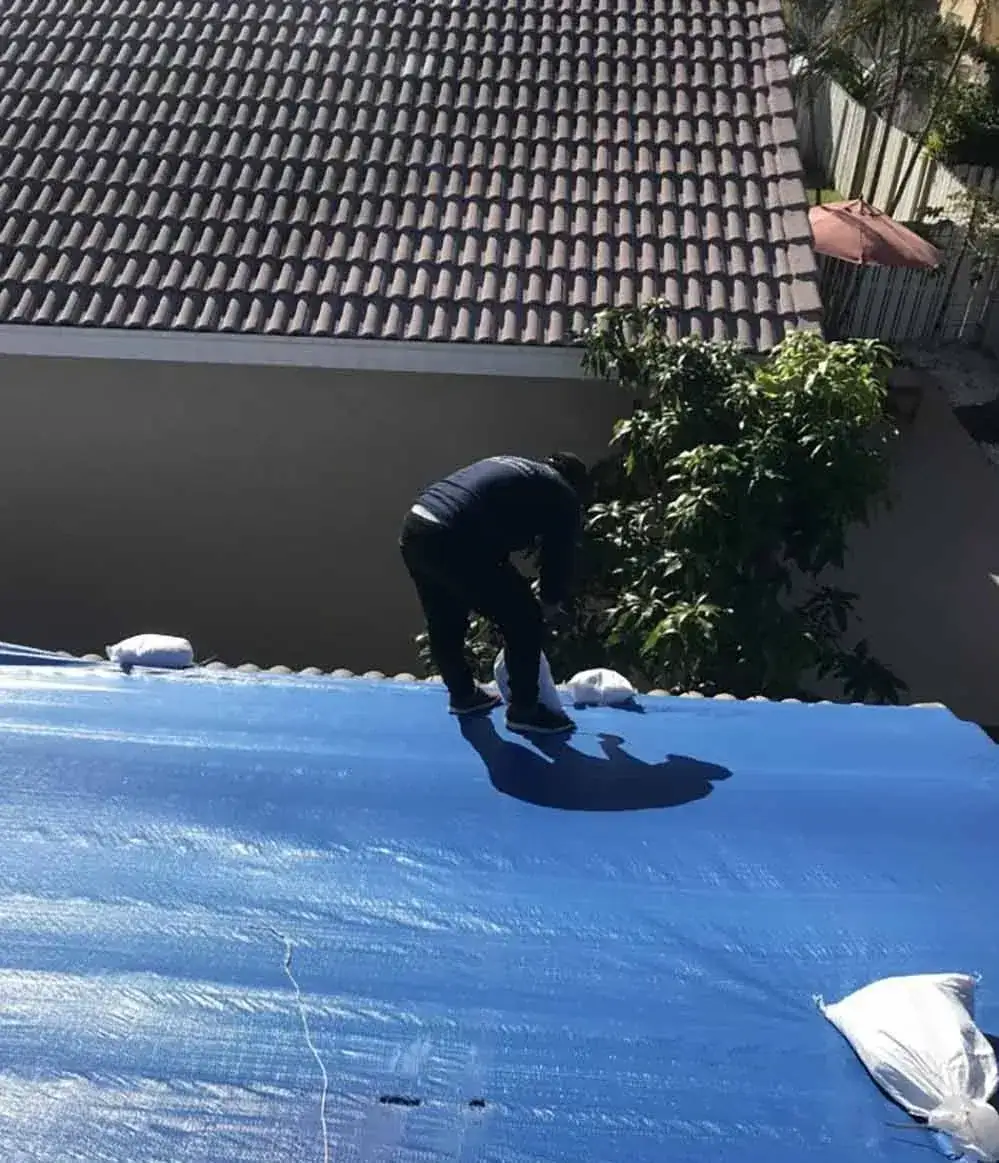
Storm Contractor Scam Checklist After a South Florida Hurricane
A knock at the door after a hurricane can feel like relief right up until the pitch starts moving faster than your decision-making. The roof is leaking. The living room is wet. Your insurer has not called back yet. Someone says they can tarp the opening, handle the paperwork, and get you back to normal if you just sign now.
That is exactly the moment this checklist is for. South Florida homeowners do need to move quickly after storm damage, but quick action is not the same thing as rushed contracting. The safest approach is to stabilize the property, document the loss, verify who is standing in front of you, and make sure temporary emergency work does not quietly turn into a vague repair contract you never meant to approve.
| Checkpoint | What to confirm | Why it matters |
|---|---|---|
| Identity | Company name, address, license status, insurance contact | Scam pitches often fall apart when the paperwork does not match the truck, invoice, or website |
| Scope | Temporary tarp, mitigation, or permanent repair | A tarp job and a licensed roof repair are not the same kind of work |
| Paperwork | Itemized estimate, photos, payment schedule, cancellation language | Vague contracts make it easier to add charges later |
| Payment | No full upfront payment, traceable payment method, staged releases | You keep leverage if the work or documentation changes mid-job |
| Escalation | Insurer, DBPR, Attorney General, consumer services | The right agency depends on whether the problem is fraud, licensing, or claim handling |
The first check after a storm is not the sales pitch. It is making sure temporary protection and future repair promises are being described honestly and in writing.
Why storm-related contractor scams spike after a hurricane
After a major storm, urgency works in a scammer's favor. Crews are busy, adjusters are overloaded, and property owners want the rain to stop getting in. Total Care Restoration's existing storm-chaser scam guide says that door-to-door solicitation, false urgency, deductible-waiver promises, and vague insurance help are some of the most common pressure tactics homeowners face after Florida storms.
Florida's own consumer guidance describes the same pattern. In the 2025 Florida Hurricane Preparedness Guide, the Attorney General's office warns homeowners to be wary of unsolicited repair offers, especially pitches tied to "leftover supplies" or discount pricing after a disaster. A later Florida Attorney General consumer alert repeats the point in plainer language: after a storm, qualified contractors are booked up fast, and that vacuum attracts unqualified or opportunistic operators.
That does not mean every fast-response company is a scam. Emergency work really is time-sensitive. Total Care Restoration's storm damage restoration page makes the case clearly: open roofs let in more rain, soaked materials can deteriorate quickly, and post-storm crews get stretched thin. The practical lesson is that you should treat speed and verification as a package deal. If someone wants the urgency of emergency work, they should also be ready for the scrutiny that comes with it.
The five-minute Florida license and insurance check
If you only do one verification step before signing anything, make it this one.
Florida DBPR says you can verify a contractor license online, by phone, or through the DBPR mobile app. On the license-verification page, the state explains that a search by name or license number will show the licensee's name, profession, address, and status. That gives you a fast way to compare the contractor's invoice, business card, truck branding, and spoken pitch against the actual public record.
Use the check in this order:
- Ask for the exact legal business name and license number.
- Run that information through the DBPR portal or call the listed support line.
- Confirm the license status is active and that the profession matches the work being sold.
- Ask for proof of insurance and call the insurer to confirm the policy is current.
- Compare the business address and phone number on the estimate with the information you just verified.
A subtle but important Florida nuance comes from DBPR's hurricane guide: the agency lists roof repairs and new or replacement roofs as storm-related services that require a state license, while placing a tarp on a roof appears on the list of common services that do not require a state license. That detail matters because a temporary stabilization visit is not the same thing as a permanent repair contract.
Here is the homeowner takeaway: if a crew says they are only there to secure the opening with an emergency tarp, the licensing analysis can be different from a pitch for full roofing work. But if the same paperwork starts promising structural repair, roof replacement, or other licensed construction tasks, slow down and verify that the company is actually licensed for that scope.
DBPR adds two more useful warnings. First, an out-of-state license is not enough for licensed construction work in Florida. Second, an occupational license or corporate filing is not proof that the person is licensed to do regulated repair work. Both warnings are easy to miss when someone is waving papers at your front door. They are much easier to spot when you make the state database your source of truth.
Temporary roof protection can be legitimate emergency work, but the paperwork still needs to tell you who is doing the work, what is temporary, and what still requires a licensed repair contractor.
Red flags in deposits, deductibles, and pressure tactics
Once identity checks out, the next question is whether the deal itself sounds legitimate.
Start with pressure. If you hear "this price is only good today," "we're already working on your neighbor's roof," or "your insurer always covers this," you are not hearing expert guidance. You are hearing a closer trying to collapse your decision window. TCR's storm-scam guidance and its broader restoration-scam article both flag this pattern: legitimate contractors should be able to explain the damage, describe the next emergency step, and leave you enough room to review the paperwork.
Then look at money language. Florida's hurricane-preparedness guidance says never to pay the full amount upfront and to be cautious about large deposits. That aligns with TCR's own best-practice framing around staged payments and clear contracts. You do not need a legal treatise here. You just need a rule: the less defined the scope, the less reason there is to hand over a large amount of money immediately.
Deductible talk is another hard stop. TCR's existing scam article calls out "free roof" pitches and deductible-waiver promises as a major warning sign. If someone says they will absorb, waive, or hide your deductible, do not treat that as customer service. Treat it as a sign the numbers are already being manipulated.
Other stop-the-conversation red flags include:
- wanting cash only
- refusing to give a copy of the license number
- discouraging you from getting other estimates
- pushing you to sign before your insurer has seen the damage
- offering to sign claim forms or overtake the entire insurance conversation for you
- using vague contract language like "additional repairs as needed" without a written change-order process
The common thread is control. Scammy contractors want to take it early. A safer contractor keeps the scope, payment triggers, and decision points visible.
What a legitimate emergency tarp or mitigation invoice should show
Most homeowners do not need to know how to install a tarp. They do need to know what honest emergency paperwork looks like.
TCR's emergency roofing Miami page says its follow-up documentation includes before-and-after photos, a written damage assessment, tarp installation details, and recommendations for permanent repairs. Its broader scam guidance says a trustworthy contract should spell out scope, materials, dates, payment schedule, warranty terms, and change-order procedures. The Attorney General's hurricane guidance adds another layer: get written, itemized estimates and read the full contract before signing.
Put together, that gives you a practical document checklist:
- the contractor's legal business name, address, phone number, and license information when the scope requires one
- the property address and the date of service
- a clear statement of whether the work is temporary stabilization, drying/mitigation, or permanent repair
- an itemized scope, not a vague line like "storm fix" or "roof emergency package"
- photo documentation or a written damage assessment explaining why the emergency step was needed
- material or installation details for the tarp or mitigation step
- total cost, payment schedule, and what would require a written change order
- recommendations for next-step repairs that are clearly separated from the emergency invoice
That separation matters. Temporary tarping, interior drying, mold-prevention work, and permanent roof replacement often happen on different timelines. A clean invoice packet makes those boundaries readable.
Before releasing final payment, Florida's Attorney General says homeowners should also insist on lien releases from subcontractors and avoid signing a certificate of completion until they are satisfied with the work. That is a useful checkpoint because some bad jobs look organized right up until the last document arrives.
How to document damage before you sign anything
Good documentation gives you leverage. Bad documentation turns every later disagreement into your word against someone else's memory.
TCR's complete storm damage guide tells property owners to photograph and video the damage before cleanup starts. The goal is not to create a cinematic archive. It is to preserve the exact condition of the roofline, ceilings, windows, flooring, contents, and any active leaks before debris is moved or water is extracted.
Use a simple post-storm record set:
- wide exterior shots of the affected elevations
- close-ups of roof damage visible from the ground, interior ceiling staining, and active leaks
- room-by-room interior photos before belongings are moved
- screenshots of the DBPR license lookup result
- the contractor's certificate of insurance and your notes from calling the insurer
- the first estimate, any revised estimate, and any change order
- receipts, card slips, and copies of checks
- names and phone numbers of everyone who visits the property
If the contractor arrived unsolicited, document that too. TCR's older storm-scam page recommends getting the business card and license number without rushing into access or payment. That is good advice because a truck photo, a plate number, and a saved text thread can become important later if the scope changes or the crew disappears.
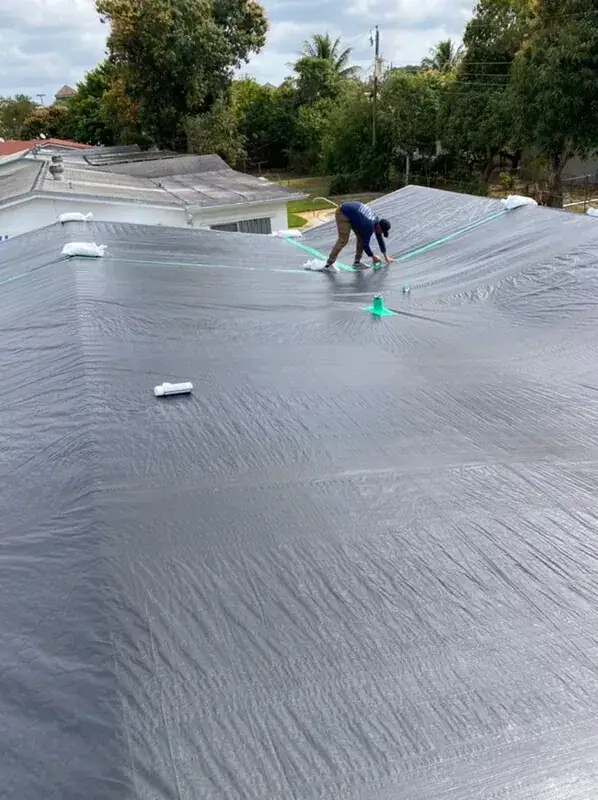
Good documentation starts before cleanup. Wide shots, close-ups, and saved paperwork give you leverage if a contractor's story changes later.
One more reader-safe reminder: documenting the loss early may help support the claim process, but it does not guarantee what your policy will cover. Use the file to preserve facts, not to assume outcomes.
When to involve your insurer, DBPR, or the Attorney General
A lot of homeowner frustration comes from calling the wrong office first.
If the issue is coverage or claim handling, start with your insurer and, if needed, the Florida Department of Financial Services Division of Consumer Services, which Florida's hurricane guide lists at 1-877-693-5236 for insurance-related questions.
If the issue is licensing or unlicensed activity, DBPR is the better lane. Its hurricane guide lists 1-866-532-1440 for reporting unlicensed activity.
If the issue is consumer fraud or storm-related scam behavior, the Attorney General's office points consumers to 1-866-9-NO-SCAM.
Here is a simple split:
- Insurer question: coverage, deductible, claim process, claim documents
- DBPR question: Is this contractor licensed for the work being sold?
- Attorney General question: Is this behavior deceptive, coercive, or scam-like?
Florida's consumer guidance also recommends having the insurance company evaluate the damage before arranging repairs when possible. That does not mean you wait with an open roof while water comes in. It means you separate emergency stabilization from bigger repair promises and keep your claim documentation clean while decisions are still reversible.
How to hire a local restoration company without rushing the decision
The safest contractor is not necessarily the first one who can drive by. It is the one who can explain the emergency step, document it properly, and stay accountable after the storm traffic fades.
Local presence helps because accountability is easier to verify. TCR's storm-service page emphasizes South Florida response, local codes, and support for both residential and commercial storm losses. Whether you choose TCR or another company, the practical screening questions are the same:
- Where is your local office?
- What emergency work are you recommending today, specifically?
- What work will need a second written scope later?
- What photos, notes, and claim-support documents will you leave me with?
- Who should I call if the tarp leaks, the drying plan changes, or a subcontractor shows up unexpectedly?
Ask those questions before you fall in love with the promise of speed.
If you want a model for what a more grounded emergency response looks like, TCR's storm damage restoration service and its Miami emergency roofing page show the kind of staged thinking homeowners should expect: secure the opening, document the condition, define the temporary work, and then decide what permanent restoration needs to happen next.
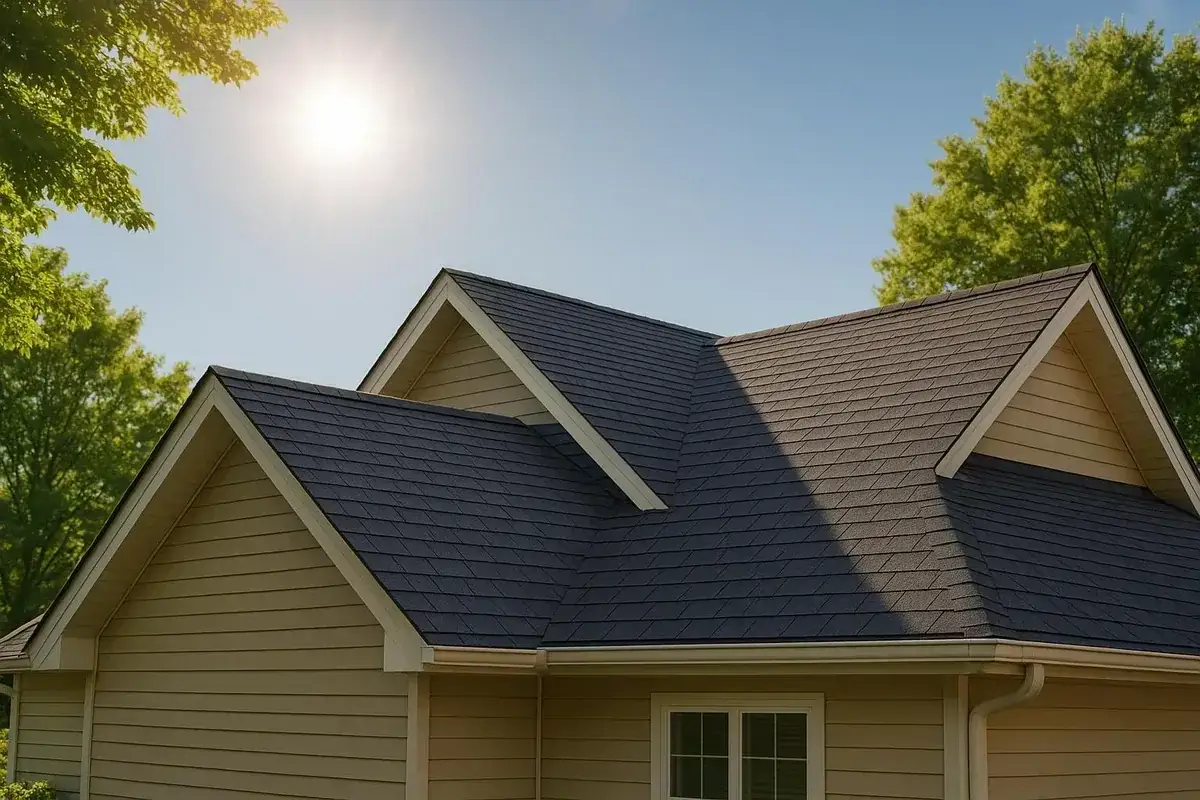
A local company should be able to explain the difference between emergency stabilization, moisture mitigation, and the permanent repair work that follows.
The best version of this checklist is not complicated:
- Protect the property.
- Verify the contractor.
- Read the scope.
- Control the payment timeline.
- Save every document.
- Escalate to the right agency if the story stops adding up.
That sequence is slower than a panic signature, but much faster than unwinding a bad contract after the storm is over.
If you need immediate South Florida help securing storm damage while you work through those checks, Total Care Restoration's complete guide to storm damage and roof protection in Florida and live emergency service team can help you understand the difference between urgent mitigation and the larger repair decisions that follow.
This article is for general education, not legal advice or insurance coverage advice. Contractor requirements, claim handling, and cancellation rights can vary by scope and circumstances, so confirm the details with the appropriate Florida agency, your insurer, and qualified restoration professionals.
Want to Learn More?
Read our comprehensive guide covering everything you need to know about this topic.
The Complete Guide to Storm Damage Restoration and Roof Protection in FloridaNeed Professional Help?
Our expert team is ready to assist with your storm damage restoration needs.
View Storm Damage Restoration Services