Storm Damage Restoration in South Florida: Week-One Plan
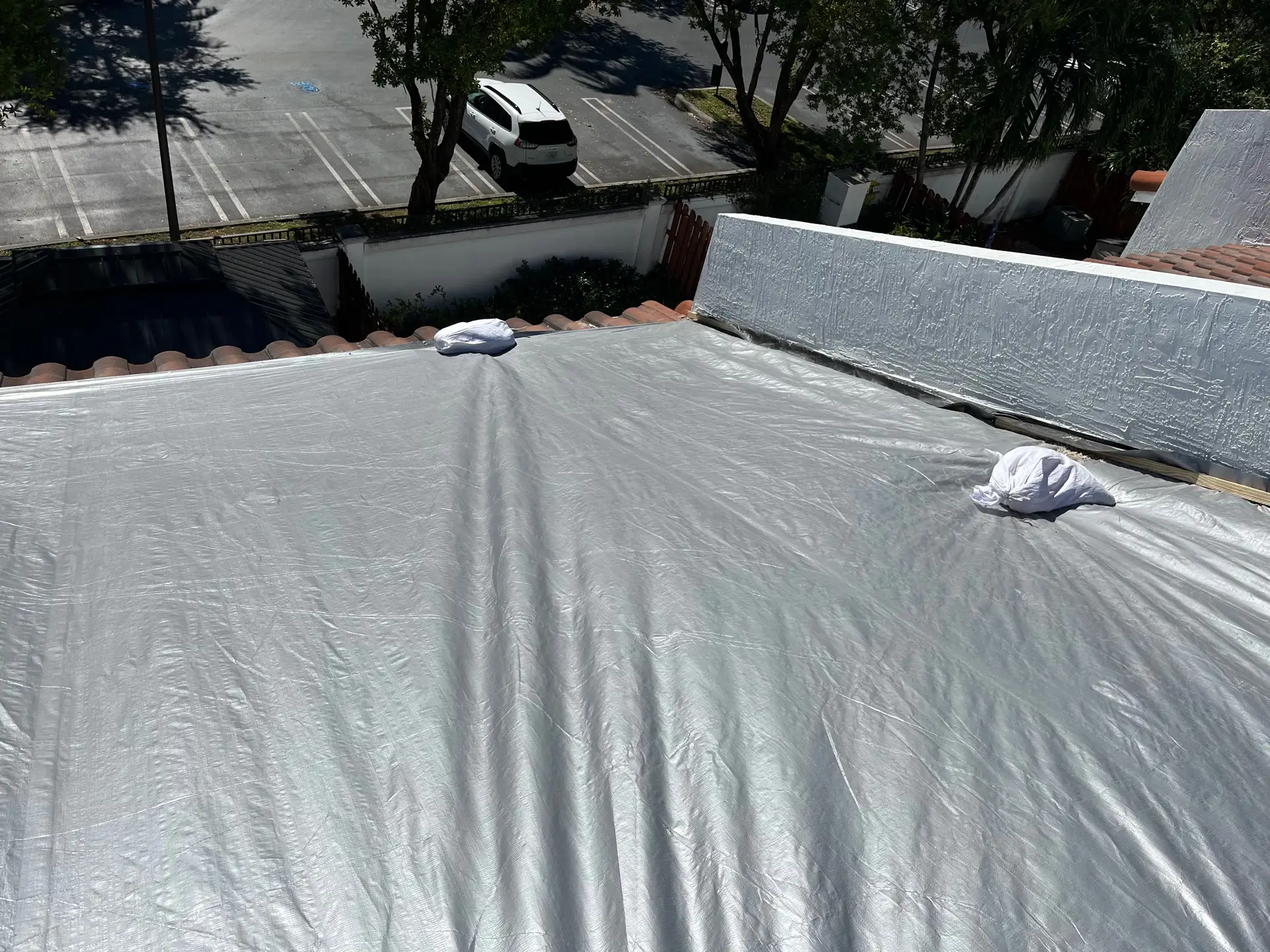
Storm damage restoration in South Florida is not the same job as a burst supply line on a clear day. Wind openings, tree impact, wind-driven rain, and surge or floodwater change the order of work: life safety first, weatherboard the building, extract and dry, then rebuild—while the claim file stays coherent.
Total Care Restoration's storm damage restoration page is the service hub for that work across Miami-Dade, Broward, and Palm Beach. This article is a supporting week-one plan for homeowners and managers who need the sequence in writing before the next band of rain arrives.
The U.S. Environmental Protection Agency still frames the moisture clock clearly: wet materials should usually be dried within 24 to 48 hours to help limit mold growth. Ready.gov and insurer consumer pages push the same documentation habit: photograph before cleanup when you can, and keep receipts for temporary protection.
| Phase | Focus | Why it matters |
|---|---|---|
| Hours 0–6 | Safety, shutoffs, exterior openings | Stops more weather and electrical risk |
| Hours 6–24 | Tarping / board-up, extraction, first photos | Protects structure and starts the drying clock |
| Days 2–7 | Moisture verification, claim walkthrough, scope | Prevents "it looks dry" mistakes and missed line items |
Week one is not "finish the rebuild." It is secure the opening, extract, dry, and document so storm damage restoration does not turn into secondary mold and estimate fights.
What makes storm losses different from ordinary water jobs
Ordinary indoor leaks often start with a fixture or appliance. Storm losses often start with the building envelope: missing shingles, open ridges, broken openings, failed flashings, or water driven sideways into wall cavities.
That is why TCR separates residential and commercial storm paths on the storm damage restoration hub and pairs them with emergency roof tarping, extraction, and insurance documentation. A storefront curtainwall failure and a single-family roof opening are different logistics, but both fail for the same reason if rain keeps entering while crews argue about paint color.
Flood and surge water can also be contaminated. When the water source is ground-up flooding or sewage-impacted, treat it as a professional mitigation problem—not a mop-and-fan weekend project.
Hours 0–6: safety and stop the weather
- Confirm people are safe. Do not enter if the structure looks unstable or power lines are down.
- If water is present and it is safe, shut electricity off at the main.
- Photograph exterior and interior damage before moving debris when you can do so safely.
- Call for emergency tarping or board-up if openings are still exposed.
- Open a claim number early. Waiting for "dry weather" often means another soak cycle.
TCR's storm hub lists emergency tarping and 24/7 response for a reason: an open roof is a continuing loss, not a cosmetic delay.
Hours 6–24: extract, start drying, keep the file
Once the weather is off the building:
- Extract standing water and begin drying wet materials.
- Move undamaged contents to a dry zone.
- Keep invoices for tarps, board-up, extraction, and equipment.
- Avoid running HVAC through wet cavities when that can spread moisture and odors.
- Schedule moisture inspection even if surfaces look dry—South Florida humidity hides wet insulation and sheathing.
EPA's drying window is the operational reason to move this fast. A stain that looks "only cosmetic" on day one can be a cavity problem by day three.
Days 2–7: align scope with the adjuster
Use the first week to make the file readable:
- wide and close photos of openings, water lines, and damaged rooms
- moisture readings or technician summaries
- a simple room log (room, materials, active vs stopped intrusion)
- clear separation of temporary protection vs permanent rebuild
- notes on whether wind-driven rain, tree impact, or flood/surge categories are in play
Coverage details (wind vs flood, hurricane deductibles) vary by policy. Document the physical story carefully so the carrier and contractor are not inventing the sequence later. For the service path and storm-specific FAQs, return to storm damage restoration.
When to bring in a mitigation team
If the property is still open to weather, still wet, or unsafe to enter, call a licensed mitigation team rather than waiting on a checklist. Temporary protection, extraction, and drying should happen before anyone debates paint color or permanent rebuild details.
Storm damage restoration is the hub for that South Florida residential and commercial response: emergency tarping, water removal, drying, and the documentation that keeps the first week coherent.
This article is general education, not insurance, legal, or engineering advice. Confirm policy coverage, deductibles, and structural safety with qualified professionals before authorizing tear-out or rebuild.
Want to Learn More?
Read our comprehensive guide covering everything you need to know about this topic.
The Complete Guide to Storm Damage Restoration and Roof Protection in FloridaNeed Professional Help?
Our expert team is ready to assist with your storm damage restoration needs.
View Storm Damage Restoration Services