Common Fire Damage Reporting Mistakes to Avoid
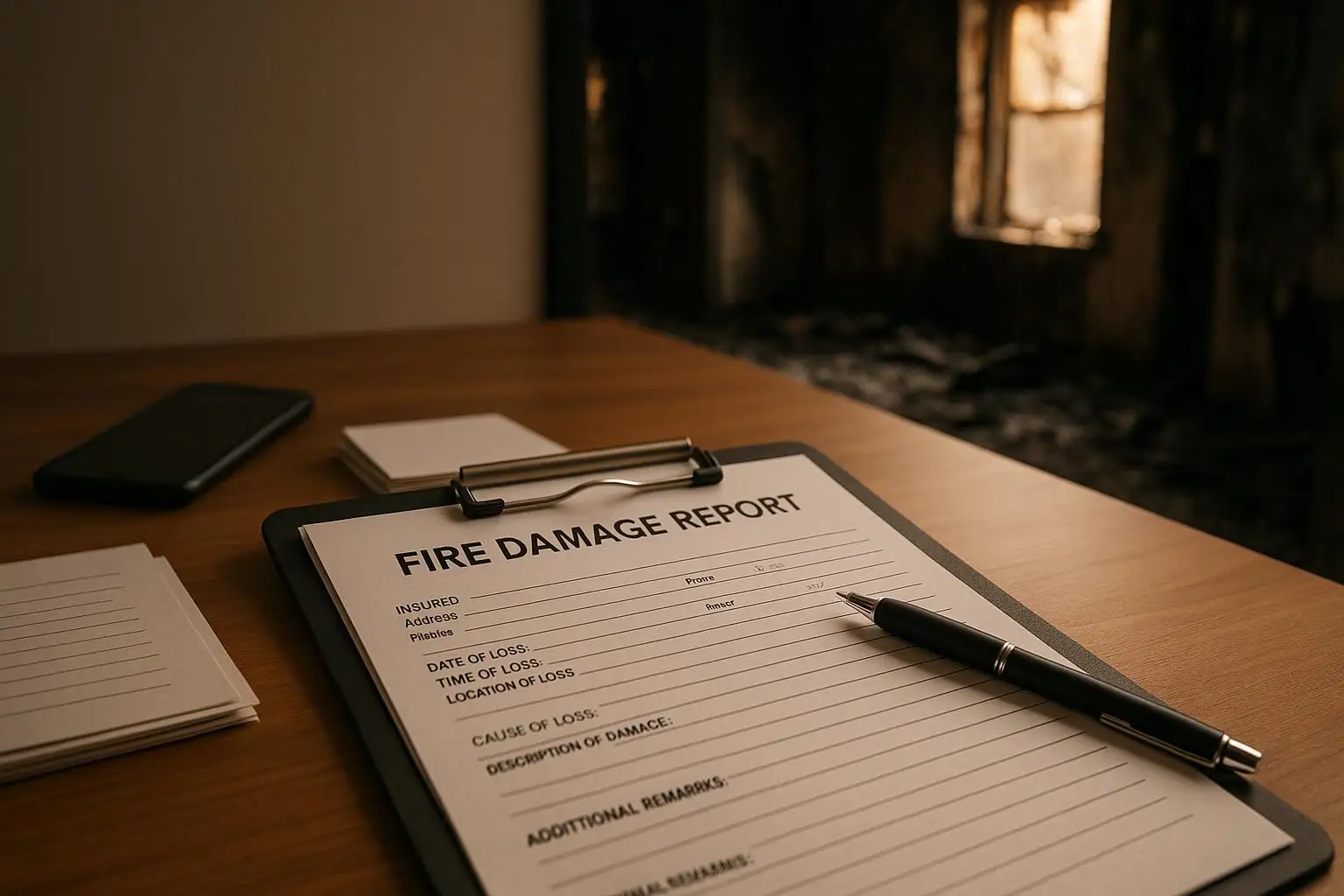
When dealing with Fire Damage Restoration, even small mistakes in reporting can lead to denied insurance claims, reduced payouts, or delayed repairs. Here’s how to avoid the most common errors:
- Incomplete Documentation: Take detailed photos, videos, and create an inventory of damaged items, including descriptions, purchase prices, and serial numbers.
- Delays in Reporting: Notify your insurance company immediately after the fire. Delays can result in denied claims.
- Ignoring Hidden Damage: Smoke, soot, and water damage may not be visible but can cause long-term issues. Get a video inspection to uncover hidden problems.
- Hiring Unlicensed Contractors: Always hire licensed and insured contractors to avoid substandard repairs and denied claims.
- Poor Communication with Insurers: Keep detailed records of all interactions with your insurance company, including emails and receipts for expenses.
Key Takeaway: Proper documentation, quick action, and professional help are critical for a smooth claims process and full recovery. Start by thoroughly recording all damage and contacting your insurer right away.
Common Mistakes to Avoid When Filing an Insurance Claim (TOP 10) – Public Adjuster Basics
Common Fire Damage Reporting Mistakes
When dealing with fire damage, property owners often make mistakes that can jeopardize their insurance claims and slow down the recovery process. Here are some missteps to watch out for and avoid.
Incomplete Documentation
Failing to provide thorough and detailed documentation can seriously hurt your claim. Many property owners take a few rushed photos but neglect to do a comprehensive video walkthrough or create a detailed inventory of damaged items. This inventory should include the condition of each item, its purchase price, and serial numbers. Without this level of detail, insurers may reduce or delay your claim settlement.
For example, leaving out key details – like the original condition or fair market value of damaged items – can result in insurers compensating you for less than the actual value of your losses. Accurate and complete documentation is essential to ensure you receive the full amount you’re entitled to.
Delays in Reporting Damage
Delaying the notification of fire damage to your insurance company can be a costly mistake. Most policies require immediate reporting, and failing to do so could result in an automatic denial of your claim. Acting promptly is critical to keeping your claim on track.
Overlooking Hidden Damage
Fire damage isn’t always obvious. Beyond the visible destruction, structural components, walls, and insulation often hide damage that can compromise safety. Smoke and soot can seep into surfaces, creating ongoing health risks and causing further deterioration if not addressed. As AAA Standard Services points out, the collateral damage from smoke, soot, and firefighting water can often surpass the immediate effects of the fire.
Water from firefighting efforts can lead to moisture buildup, which may weaken structural elements and create conditions for mold growth. Additionally, corrosive compounds from burnt materials can damage metal fixtures, electrical wiring, and other components long after the fire is extinguished. Ignoring these hidden issues can result in incomplete settlements and long-term risks.
Hiring Unlicensed Contractors
Hiring unlicensed contractors for repairs is another common and costly mistake. These individuals may perform work that doesn’t meet building codes or pass inspections, leading to fraud penalties and even denied insurance claims.
The financial and legal repercussions can be severe. For instance, in California, working without a license in a declared disaster area is considered a felony, punishable by up to three years in prison and fines of up to $10,000. Insurance companies may refuse to cover repairs done by unlicensed contractors, leaving you responsible for the damage and any new issues caused by substandard work. Unlicensed contractors also typically lack proper insurance, adding further risks to an already challenging situation.
Poor Communication with Insurers
Miscommunication or inconsistent updates with your insurance company can lead to unnecessary delays and complications. Every interaction with your insurer should be documented carefully. Without clear records, it becomes difficult to track what’s been submitted or follow up on pending requests. This lack of organization can drag out the claims process and even reduce your settlement amount.
Maintaining clear and consistent communication ensures that all required information is provided on time, helping to avoid disputes and keeping the claims process moving smoothly. Proper documentation of every conversation and submission can make a significant difference in the outcome of your claim.
How to Avoid Fire Damage Reporting Mistakes
Taking the right steps early on can help you avoid costly errors and prevent delays in your insurance claim. Here’s how to navigate the process and protect yourself after a fire.
Document All Damage Thoroughly
Before diving into documentation, ensure your property is safe to enter. Get confirmation from emergency responders or a structural engineer. Once you have the green light, it’s time to document everything.
Take clear, high-resolution photos and videos of all damaged areas, including structural damage and personal belongings. Capture multiple angles and close-up shots to show the extent of the damage. As one expert wisely notes:
"A picture is worth a thousand words, and in this case, it’s worth potentially thousands of dollars in your insurance claim."
Create a detailed inventory of all damaged items. Include descriptions, approximate ages, brands, and original purchase prices. This list should cover everything from large appliances to personal items like clothing.
Gather receipts, invoices, bank statements, and warranty documents to prove ownership of claimed items. If you don’t have original receipts, bank statements showing purchases can serve as proof. Keep all documents in a secure place – digitally stored copies are ideal to ensure they aren’t lost during the restoration process.
Once your documentation is complete, notify your insurer promptly to keep your claim on track.
Report Damage Immediately
Contact your insurance company as soon as possible to begin the claims process. Most policies require prompt reporting, and delays can complicate your claim. Acting quickly is crucial, as soot can stain surfaces and metal can corrode within hours of a fire.
With approximately 375,000 home fires reported across the country each year, timely reporting can mean the difference between manageable repairs and escalating damage.
Get Professional Inspections
Fire damage isn’t always visible. Hidden issues, like Smoke Damage Long Term Effects And Restoration Techniques within walls or structural weaknesses, can lead to bigger problems if left undetected. Certified professionals can identify these issues and ensure repairs meet safety and building code standards.
For example, moisture damage from firefighting efforts can lead to mold or structural weakening within just 24 to 48 hours. video inspection can catch these problems early.
Get detailed written estimates from licensed contractors for repair or rebuilding costs. These estimates provide your insurance company with a clear picture of the expenses, helping you secure fair compensation.
After inspections, take extra care to verify the credentials of any contractors you plan to hire.
Check Contractor Credentials
Before hiring a contractor, confirm they are properly licensed and certified for fire restoration work. Ask for their license or registration number and verify it with the appropriate authority.
Make sure the contractor carries liability insurance and worker’s compensation coverage. Request proof of their insurance to ensure they’re adequately covered. Certifications from organizations like the IICRC (IICRC) are also a good sign of expertise.
Thomas Nixa, Owner/Founder of Facebook, advises:
"Any business or business person with a good reputation will be ready to boast about their work. If there is any hesitation when you ask for references, be suspicious!"
Additionally, check online reviews, testimonials, and ratings on platforms like Google, Yelp, or the Better Business Bureau (BBB). You can also contact your local building department for insights on a contractor’s track record. Don’t hesitate to ask for examples of similar projects they’ve completed.
Keep Clear Communication Records
Maintain a dedicated file for all communications with your insurer. Record dates, names, and key discussion points, and follow up verbal conversations with emails to confirm details.
Track all expenses related to temporary housing, meals, and other costs caused by the fire. Many insurance policies cover these additional living expenses, but you’ll need proper documentation to get reimbursed.
For those looking for professional assistance, companies like Total Care Restoration offer certified technicians and direct insurance billing to simplify the process. Their expertise ensures no detail is overlooked in your claim.
Benefits of Proper Fire Damage Documentation
Keeping thorough records of fire damage goes far beyond just filing an insurance claim. Proper documentation minimizes errors and provides essential support during what can be an incredibly stressful time. It protects your finances, ensures legal compliance, and offers peace of mind when you need it most.
Faster and Fairer Insurance Settlements
Insurance companies need solid evidence to process claims efficiently and fairly. Without proper documentation, your claim could be delayed or underpaid. By providing detailed records, you speed up the claims process and increase the likelihood of receiving the full compensation for your losses.
Legal Protection and Compliance
Accurate fire safety records can be a lifesaver in legal disputes or audits. These records help shield you from lawsuits, financial penalties, and safety violations. They also ensure compliance with fire safety regulations, making audits smoother and reducing potential risks.
The financial stakes are high. In 2020 alone, office and store fires across the U.S. caused $932 million in damages. In 2021, non-residential building fires resulted in 1,025 injuries and 115 deaths. These numbers show why proper documentation isn’t just helpful – it’s critical for financial and legal protection.
Peace of Mind and Reduced Stress
Having detailed records allows property owners to make better decisions about restoration efforts. It also fosters smoother collaboration with restoration teams. When every detail of the damage is properly documented, you can trust that nothing will be overlooked, easing stress during an already challenging time.
Proactive Risk Management
Regular fire risk assessments play a key role in preventing future hazards. They help identify issues like outdated fire detection systems, poorly marked emergency exits, or inadequate suppression equipment. Plus, meeting your insurance provider’s fire safety requirements can improve your property’s insurability and even lower premiums, safeguarding your investment.
Compare Documentation Methods
Here’s a quick breakdown of different documentation methods to help you choose the best approach for your situation:
| Method | Advantages | Disadvantages | Best Used For |
|---|---|---|---|
| High-Resolution Photos | Clear visual evidence; easy to share; widely accepted by insurers | May miss subtle damage; lighting issues can affect quality | Structural damage, personal items, before/after comparisons |
| Video Documentation | Shows scale and movement; adds context; can include commentary | Large file sizes; lighting-dependent; harder to organize | Room walkthroughs, equipment failures, smoke damage patterns |
| Written Inventories | Detailed item descriptions; includes values and purchase dates | Time-intensive; relies on memory; harder to verify without receipts | Personal belongings, appliances, furniture, valuables with serial numbers |
| Official Reports | Legally recognized; professional assessments; identifies cause and origin | May take time to obtain; limited to fire department findings | Insurance claims, legal cases, cause determination |
| Professional Estimates | Expert repair cost assessments; identifies hidden damage; insurance-ready | May require upfront payment; estimates can vary | Structural repairs, HVAC systems, electrical work, specialized restoration |
Using a mix of these methods ensures nothing gets overlooked. Photos and videos capture visual details, written inventories keep track of personal items, official reports add credibility, and professional estimates clarify repair costs. Together, they provide a comprehensive approach for handling claims and rebuilding with confidence.
Conclusion
Handling fire damage reports can feel overwhelming, but avoiding common mistakes makes the process far smoother. As we’ve covered, thorough documentation, timely reporting, professional inspections, and clear communication are the cornerstones of a successful fire damage claim. These steps not only protect your claim but also pave the way for rebuilding your future.
When filing a claim, property owners carry the responsibility of proving their losses with detailed evidence. While this might seem daunting, having the right guidance and support can make it far more manageable.
Total Care Restoration specializes in navigating the complexities of fire damage reporting. They work directly with insurance companies to simplify the claims process, offering end-to-end assistance – from the initial damage assessment to the final stages of restoration. Their team uses advanced tools to ensure accurate claims, and their certified technicians conduct detailed inspections to uncover both visible and hidden damage, leaving no detail overlooked. This comprehensive approach ensures your claim is thorough and your recovery process is seamless.
Don’t let reporting errors cost you. Reach out to Total Care Restoration at (786) 610-6317 for a free preliminary evaluation. With their expertise in fire restoration and insurance claims, you can trust them to handle your property recovery with precision, care, and professionalism.
FAQs
What should I do if I find additional fire damage after submitting my insurance claim?
If you discover more fire damage after submitting your insurance claim, it’s important to inform your insurance company right away. In such cases, you might need to file a supplemental claim to account for the newly identified damage.
Be sure to capture clear photos or videos of the additional damage and jot down detailed notes about your findings. This documentation will play a key role in updating your claim with your insurer. Prompt action and solid evidence can make all the difference in getting the extra damage properly accounted for.
How can I make sure the contractors I hire for fire damage repairs are licensed and insured?
To make sure the contractors handling your Fire Damage Restoration a Step By Step Guide are qualified and covered, start by requesting their license number. Then, verify it through your state or local licensing board. This ensures they meet the necessary standards to carry out the work.
Next, ask for a Certificate of Insurance (COI). This document confirms the contractor has liability and workers’ compensation insurance, which safeguards you from potential financial risks during the project. If you’re unsure how to verify these details, your state’s Department of Consumer Affairs or Licensing Agency can guide you.
By taking these steps, you can feel confident that you’re hiring professionals who are equipped to restore your property safely and responsibly.
What happens if I don’t report fire damage to my insurance company right away?
Delaying the notification of fire damage to your insurance company can lead to major problems. Many insurance policies require you to report damages promptly, and failing to do so might result in your claim being delayed – or even denied. Missing this crucial step could also breach the terms of your policy, which might impact your ability to secure coverage in the future.
Beyond that, unresolved claims can create financial and legal headaches. You could end up paying for repairs out of pocket or facing disputes with your insurer. To steer clear of these issues, make it a priority to contact your insurance provider immediately after a fire and ensure you provide clear, accurate documentation of the damage.
Related posts
Want to Learn More?
Read our comprehensive guide covering everything you need to know about this topic.
The Complete Guide to Water Damage Restoration in South FloridaNeed Professional Help?
Our expert team is ready to assist with your water damage restoration needs.
View Water Damage Restoration Services