Fire Damage Inspection Standards Explained
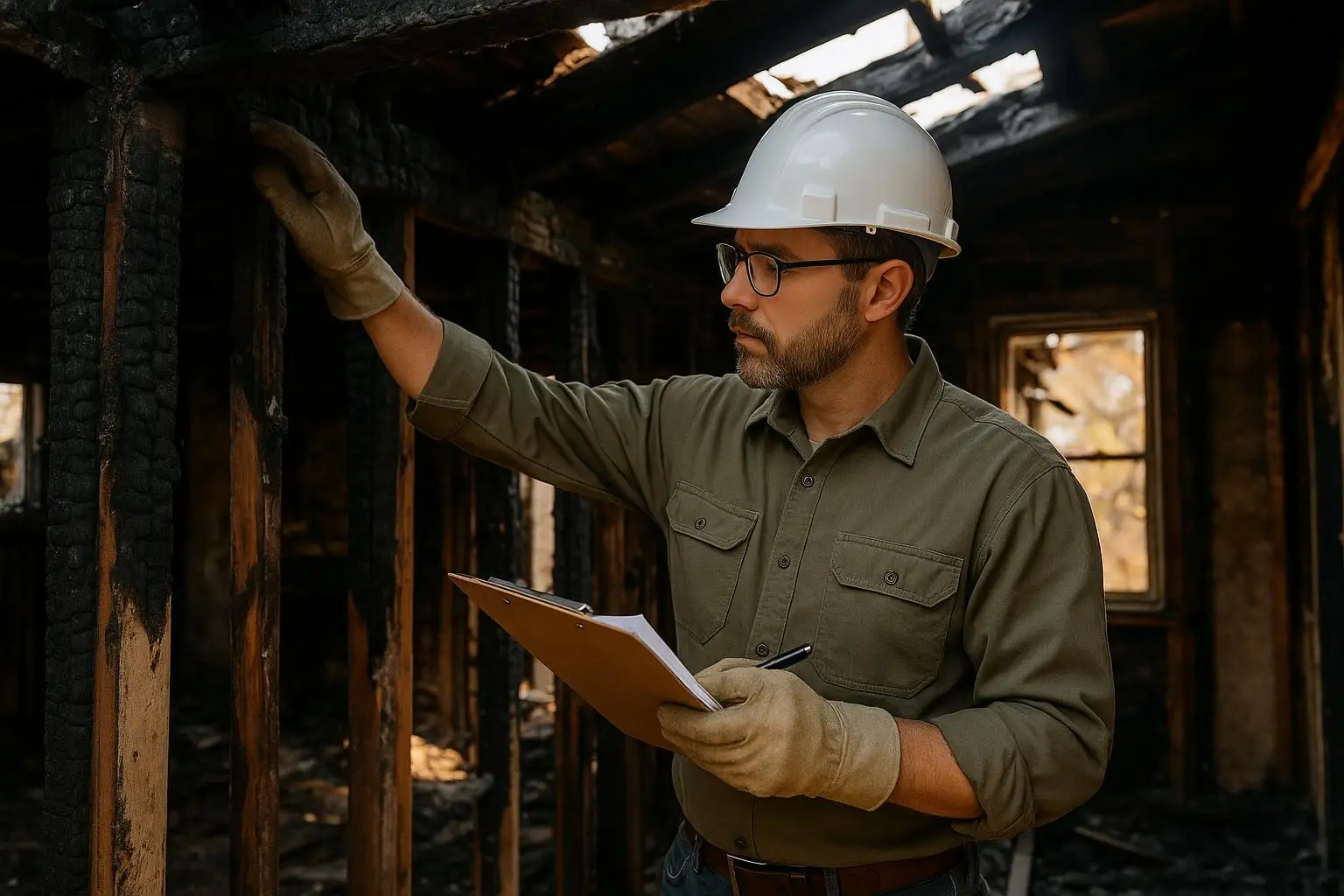
Fire damage inspection standards keep people safe. They ensure your property meets regulations and gets restored properly.
These guidelines help experts check structural damage, fire residue, and critical systems. Whether you need a Fire Damage Restoration Guide or Commercial help, understanding these standards matters.
Here's what you need to know:
- Why They Matter: Proper inspections save lives and reduce property damage. They also make insurance claims easier. Skipping standards creates safety risks, legal problems, and money losses.
- Key Standards: The IICRC S700 focuses on fire damage assessment. The IICRC S760 addresses Fire Damage Restoration. The NFPA 25 standard ensures fire protection systems are inspected and maintained.
- Inspection Process: Inspections include safety checks, structural evaluations, and system assessments. Proper documentation with photos and reports is critical for insurance claims.
- Key Organizations: The NFPA and IICRC set the protocols that experts follow.
Takeaway: Following video inspection standards protects lives, ensures compliance, and helps with restoration and insurance. Always hire certified experts for accurate assessments.
Fire and Smoke Damage Continued Education Course
Main Steps in Fire Damage Inspections
air quality issues involve a careful process. The goal is to assess building safety and outline repairs. Following a structured approach ensures inspections meet safety standards.
Safety Checks Before Starting
Safety comes first before entering a fire-damaged site.
Steps to take:
- Get clearance from local authorities
- Turn off utilities
- Bring battery-powered lighting
- Establish emergency exit routes
Required protective gear (PPE):
- Fire-resistant clothing
- Hard hats
- Safety glasses
- Heavy-duty gloves
- N95 respirators
- Steel-toed boots
Ventilation is key to avoid exposure to harmful substances like:
- Carbon monoxide
- Asbestos
- Volatile organic compounds
When dealing with wet materials, masks and gloves protect against mold and water hazards.
Checking Building Structure
Checking structural integrity is crucial after a fire. After clearing debris, structural engineers assess main components to determine safety.
What inspectors look for:
- Cracks
- Spalling
- Deflections
- Distortions
- Misalignment
- Exposed steel reinforcements
The fire's intensity and duration matter too. High heat can:
- Make concrete spall
- Char wood
- Warp steel
Cracks wider than 1/16 inch are measured. Both destructive and non-destructive testing methods verify findings.
Inspecting Electrical, HVAC, and Plumbing Systems
Fire damage often impacts more than visible structure. Essential systems need checking too.
| System | What to Check |
|---|---|
| Electrical | Wiring and outlets for heat damage |
| HVAC | Hidden damage, soot, Top 7 Fire Odor Neutralization Techniques, melted parts |
| Plumbing | Leaks, corrosion, fixture function |
| Gas lines | Cracks or corrosion |
Experienced pros ensure all systems meet safety requirements before the building is cleared for use.
Rules and Compliance Requirements
Fire damage inspections must follow specific regulations. Knowing these rules ensures inspections meet legal standards.
NFPA Rules and Requirements
The NFPA 25 standard sets the baseline for inspecting water-based fire protection systems:
- Sprinklers
- Standpipes
- Fire pumps
- Water storage systems
Key facts:
- Dying in a fire drops by 90% when sprinklers work
- Property damage drops by up to two-thirds with proper systems
- 79% of sprinkler failures come from preventable issues
These preventable issues include accidental shutoffs, damage, or poor maintenance.
NFPA standards are updated regularly to include:
- New technology
- Industry trends
- Lessons from real incidents
Building owners should follow these rules to avoid penalties and ensure safety.
IICRC Professional Standards
The IICRC offers specialized protocols for Fire Damage Restoration a Step By Step Guide.
The ANSI/IICRC S700 Standard (introduced January 2025) outlines:
- Fire damage assessment procedures
- Contractor qualifications
- Documentation requirements
- Compliance with local authorities
"Providing a Standard of Care for the restoration of structural fire and smoke damage to the restoration community is a massive win for our industry." – Brandon Burton, IICRC Standards Chairman
The S700 standard covers:
- Damage assessment
- Equipment use
- Mitigation strategies
- Odor management
- indoor air quality
- Post-restoration evaluations
Over 60,000 certified technicians and 6,000 Certified Firms across 22 countries follow IICRC standards.
Local Building Code Rules
Local codes complement national standards. They address specific inspection and restoration requirements.
Key points:
- Fire alarm requirements are enforced at the municipal level
- Some flexibility is allowed during emergencies
- California updates building codes every three years per the ICC IBC (International Building Code)
- Emergency executive orders like California's N-4-25 may ease rules temporarily
Local authorities may restrict rebuilding if it poses public health or safety risks. Non-compliance can result in severe legal and financial consequences.
How to Document and Report Inspections
Accurate documentation is crucial for planning restoration and supporting insurance claims.
Taking Photos and Videos
Visual records capture the full scope of fire damage.
Tips for documentation:
- Use high-resolution cameras
- Take photos and videos from multiple angles
- Timestamp each file
- Use wide shots for overall damage
- Use close-ups for specific issues like char or smoke stains
- Document every affected area
Organization tips from Fire Cash Buyer (February 2025):
- Create separate folders for each room
- Use clear, consistent naming systems
- Store backups in cloud services
- Keep additional copies on external hard drives
Add brief descriptions to each image. Note the time it was taken. Collect samples of damaged materials when possible.
Writing Reports for Insurance Claims
A detailed written report is vital.
Include:
- List of damaged items with descriptions
- Quantities and estimated values
- Original purchase details
- Fire-related expenses (temporary housing, emergency repairs, living costs)
- All communications with insurance adjusters and contractors
Be specific about:
- Size of affected areas
- Materials involved
- Professional assessments and recommendations
Update the report if new issues arise.
Using Technology for Better Documentation
Modern tools improve documentation accuracy.
| Technology | Purpose |
|---|---|
| Thermal imaging | Uncover hidden damage |
| Drones | Real-time imagery and thermal data |
| 3D mapping | Create detailed structural models |
| Photogrammetry | Precise measurements |
| LiDAR | Accurate structural analysis |
| Cloud-based systems | Improve accuracy and compliance |
Real-world examples:
- 2018 Camp Fire (California) – Drones provided real-time imagery to help responders prioritize actions
- 2019–2020 Australia "Black Summer" – Drones and satellite imagery assessed damage and planned reforestation
With over 1,388,500 fire incidents reported in 2020 (NFPA), these tools are essential for managing complex documentation.
Summary and Next Steps
Main Points About Inspection Standards
Fire damage inspection standards protect lives and property. They ensure:
- All damage is properly identified
- Structural stability is confirmed
- Restoration efforts comply with regulations
The NFPA and IICRC provide the protocols experts follow.
"Regular inspections are a cornerstone of fire safety and create a proactive line of defense against the risks and consequences of a fire." – Inspect Point Team
Fire damage can lead to significant expenses. Standards help:
- Uncover hidden damage
- Ensure all systems are assessed
- Provide documentation for insurance claims
Following these standards sets the stage for hiring Miami water damage restoration.
When to Hire a Professional
Act fast when dealing with fire damage. Call certified pros immediately after a fire to:
- Assess hidden damage
- Document accurately for insurance
Steps to take:
- Contact your insurance provider right away
- Contact a fire restoration service
- Don't re-enter the property until it's deemed safe
Professionals identify damage that isn't always visible:
- Thermal damage
- Chemical damage
- Water damage
- Smoke damage
Smoke damage can cause long-term health risks and persistent odors if not addressed.
Restoration teams conduct detailed evaluations to create comprehensive recovery plans. Their expertise helps with insurance claims through photos, inventory assessments, and accurate repair cost estimates.
How Total Care Restoration Can Help
Given the complexity of Emergency Water Damage Checklist: First 24 Hours and the need for expert oversight, Total Care Restoration offers 24/7 certified services.
What they provide:
- Initial assessment to final inspection
- Certified technicians following industry standards
- Specialized tools for damage evaluation
- Contaminant removal
- Tailored restoration plans
They simplify insurance by handling documentation and offering direct billing.
Their final inspections ensure all work meets quality standards. With free preliminary evaluations and dedicated account representatives, they make fire damage restoration more manageable.
FAQs
What is the difference between the IICRC S700 and S760 standards for fire damage inspections?
IICRC S700 covers general fire and smoke damage restoration:
- Evaluating fire residues and odors
- Assessing structural damage
- Restoring buildings and contents
IICRC S760 addresses wildfire-specific damage:
- Contamination from wildfire smoke
- Methods for assessing and cleaning affected areas
Both are crucial for thorough inspections. S700 covers general fire damage, while S760 focuses on wildfire-specific issues.
How does a fire damage inspection help streamline the insurance claim process?
Fire damage inspections provide:
- Thorough evaluation of damage
- Identification of fire cause
- Details on repairs needed
- Clear reports for adjusters
Well-documented findings reduce disputes and delays. Professional reports speed recovery by providing a roadmap for restoration.
Why is using advanced tools like drones and thermal imaging important for fire damage inspections?
Thermal imaging:
- Detects temperature variations and hotspots
- Reveals areas needing urgent attention
- Makes assessments safer and more precise
Drones with thermal cameras:
- Cover large areas quickly
- Capture detailed images
- Assess dangerous zones from a safe distance
These tools streamline inspections and ensure reliability and safety for both inspectors and property owners.
Related posts
Want to Learn More?
Read our comprehensive guide covering everything you need to know about this topic.
The Complete Guide to Fire Damage RestorationNeed Professional Help?
Our expert team is ready to assist with your fire damage restoration needs.
View Fire Damage Restoration Services