Top 6 Most Common Causes of Indoor Water Damage
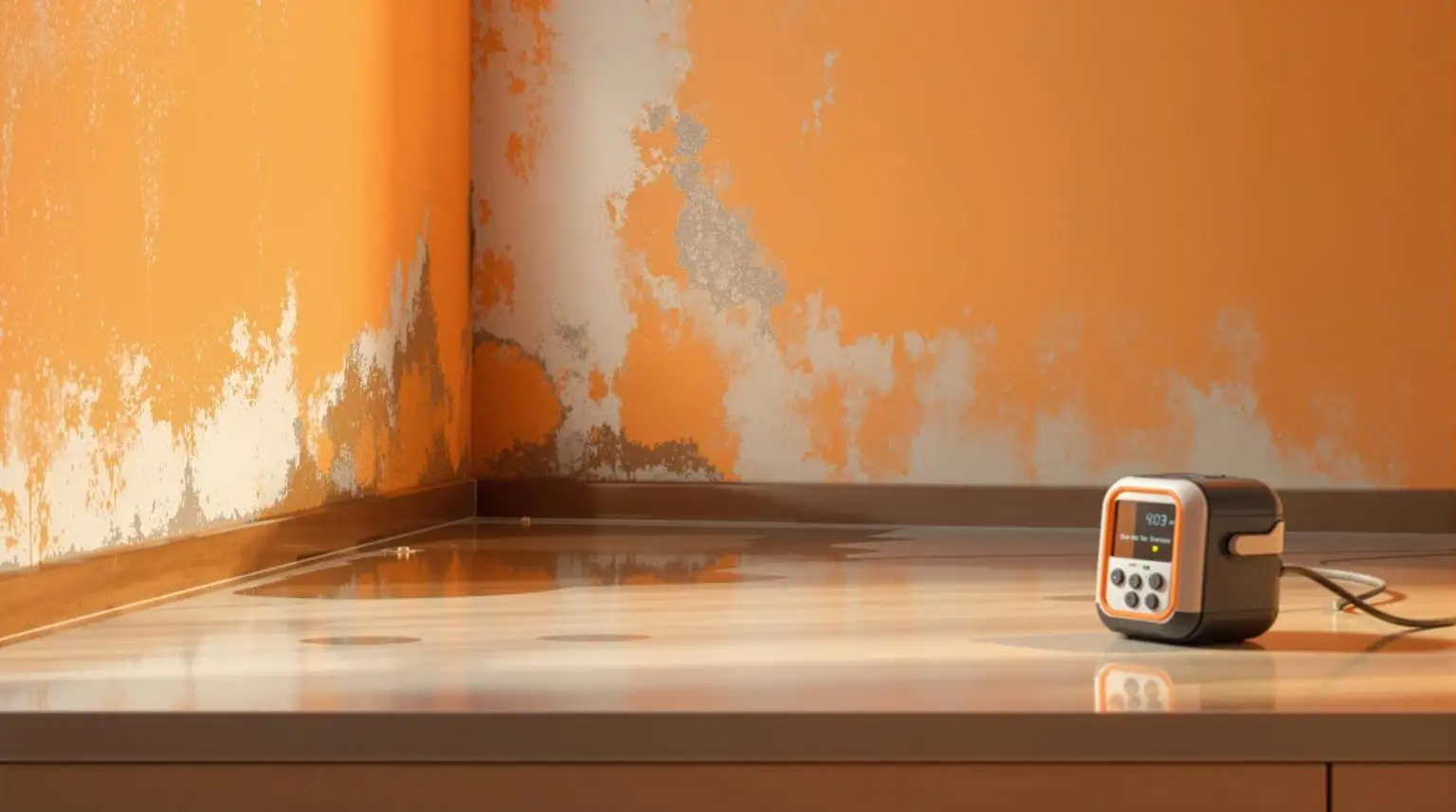
Did you know? Water damage affects 40% of U.S. homeowners, and a single inch of water can cause $25,000 in damage. The good news? 93% of water damage incidents are preventable.
Here’s a quick overview of the 6 most common causes of indoor water damage and how to prevent them:
- Pipe and Plumbing Problems: Burst pipes, freezing, and corrosion are major culprits. Keep water pressure between 30–50 PSI and replace old pipes.
- Roof Leaks: Water can travel far before becoming visible. Inspect your roof annually.
- Leaking Appliances: Replace hoses every 5 years and check for cracks or bulges.
- Foundation Issues: Cracks in the foundation can allow water seepage.
- Clogged Gutters: Overflowing gutters can lead to water pooling near your home.
- HVAC System Leaks: Regularly maintain your HVAC system to avoid condensation buildup.
Quick tips to protect your home:
- Install smart leak detectors to catch issues early.
- Schedule yearly plumbing and roof inspections.
- Replace appliance hoses and seals every 5 years.
Taking these steps can save you thousands of dollars in repair costs and keep your home safe from water damage.
How to Prevent Water Damage Into Your Home
How to Spot Water Damage
Water damage often starts with small, easy-to-miss clues. Catching these early can save you money on repairs.
Common Visual Signs
Keep an eye out for peeling paint, bubbling wallpaper, or soft spots on your walls. On ceilings, look for water stains, sagging areas, or discoloration near light fixtures. Floors may show signs like warping, buckling, or spongy spots when you walk. In basements, watch for chalky white residue, musty smells, or standing water. In attics, check rafters and insulation for damp areas, especially after heavy rain.
Subtle Warning Signs
Pay attention to musty smells, unexpected rises in humidity, or a sudden spike in your water bill – these can all point to hidden water issues.
Risks of Ignoring Water Damage
Leaving water damage untreated can lead to mold growth, structural problems, and potential health hazards. Up next, learn about the six main causes of indoor water damage.
6 Main Causes of Indoor Water Damage
1. Pipe and Plumbing Problems
Burst pipes often happen due to freezing, high water pressure, or old infrastructure. Homes over 25 years old with galvanized pipes are especially prone to rust and corrosion.
In Florida, one of the most common causes is cast iron pipe failure. Homes built before 1975 typically have cast iron drain lines that corrode faster in Florida's humid, salt-rich environment. These aging pipes can crack, leak, and cause extensive water damage without warning.
To help prevent this, keep your home's indoor temperature above 55°F during winter. Maintain water pressure between 30–50 PSI and avoid exceeding 60 PSI. Consider upgrading to copper pipes, which can last up to 100 years without rusting.
If you notice signs of a leak but can't find the source—such as unexplained water bills, sounds of running water, or damp spots—professional leak detection services can locate hidden leaks behind walls, under slabs, or in your plumbing system using non-invasive technology.
But pipes aren’t the only culprits – your roof can also lead to hidden water damage.
2. Roof Leaks and Failures
Water from roof leaks can travel long distances before becoming visible inside your home. Stains on walls or near windows often indicate roof damage. Identifying the exact source of the problem is key to making the right repairs.
Now, let’s look at another common source of water damage: appliances.
3. Leaking Appliances
Appliances like washing machines, dishwashers, and refrigerators often develop leaks as their hoses age. Replace these hoses every five years and check them monthly for signs of wear, such as cracks, bulges, or loose connections.
Prevention Steps and Solutions
Once you’ve identified the primary causes of water damage, take these steps to safeguard your home.
Regular Check-ups
Sticking to a maintenance schedule can help you avoid expensive repairs down the road.
Here are a few essential tasks to include:
- Plumbing Inspections: Examine all visible pipes and connections monthly for issues like corrosion, bulging, or small leaks. Keep an eye on water pressure to catch problems early. Focus on areas under sinks, around toilets, and behind appliances.
- Appliance Maintenance: Check hoses on appliances like washing machines and dishwashers for cracks or leaks. Replace them every five years. Use floor pans under major appliances to contain minor leaks.
Monitoring Equipment
Adding detection devices can help you catch leaks before they cause serious damage.
Here are some options:
- Basic Water Alarms: These sound an audio alert when water is detected. Place them under sinks or near appliances.
- Smart Leak Sensors: These send notifications to your smartphone if moisture or freezing is detected. Install them in high-risk areas.
- Water Flow Monitors: These devices alert you via an app and can automatically shut off the water if abnormal flow is detected on the main line.
The cost of these systems varies, from budget-friendly battery-powered sensors to advanced smart setups that can cost a few hundred dollars.
If you suspect a hidden leak that your sensors can't pinpoint, professional leak detection services use thermal imaging, video pipe inspection, and electronic detection to locate leaks accurately without tearing up walls or floors.
When to Call Experts
Sometimes, professional help is necessary. Reach out to water damage specialists if you notice any of the following:
- Stains or mold growing on walls or ceilings
- Soft or bulging areas in flooring or walls
- Persistent slow drips under sinks or behind appliances
Certified technicians can provide a free evaluation and identify hidden damage in areas like inside walls or under foundations.
From here, you can assess the cost and benefits of these prevention strategies.
Prevention Methods: Cost vs. Benefit Analysis
Consider upfront costs alongside potential savings from avoiding expensive repairs to decide on the best prevention measures for your home.
- Smart Water Monitor (e.g., Flume): $249 → Potential savings up to $15,000
- Professional Plumbing Inspection: $100–$200 → Potential savings up to $7,500
- Video Pipe Inspection: $300–$1,100 → Potential savings up to $15,000
- Comprehensive Inspection Package: $350–$1,375 → Potential savings up to $100,000
These savings estimates reflect avoided water damage repair costs, which can range from fixing minor leaks to full-scale home restoration.
Many smart water monitors now include automatic shutoff features and can monitor multiple sources – like appliances, irrigation systems, and pools – all for under $300.
The best strategy combines smart technology with professional inspections. By scheduling regular checkups and responding quickly to alerts, you can significantly reduce the risk of costly water damage.
Conclusion
Protecting your home from indoor water damage starts with regular maintenance and quick action. Simple steps like inspecting plumbing and roofs annually, replacing worn-out hoses and seals, and using smart leak detectors can save you from costly repairs down the line. Address any signs of moisture or leaks right away to prevent further issues.
Here are a few practical steps to safeguard your home:
- Schedule yearly plumbing and roof inspections.
- Replace hoses and seals every five years.
- Install smart leak detectors under key appliances.
Taking these precautions now can help you avoid expensive restoration work later.
FAQs
What are the best ways to prevent water damage in older homes?
Preventing water damage in older homes requires proactive care and regular maintenance. Start by inspecting your home frequently for signs of trouble, such as mold, peeling paint, or soft spots on walls and floors. Address any issues immediately to avoid further damage.
Check your plumbing system for leaks or corrosion, and ensure faucets, pipes, and fixtures are in good condition. Seal any cracks in your foundation and around windows or doors to prevent water from seeping in. Cleaning gutters and downspouts at least once a year is also crucial to ensure proper drainage.
For added protection, consider installing water detection systems to alert you to leaks early. These small steps can help you avoid costly repairs and keep your home safe from water damage.
What are the signs of hidden water damage in my home?
Hidden water damage can often go unnoticed, but there are key signs to watch for. Walls and ceilings may show peeling paint, bubbling wallpaper, water stains, or soft spots. Look for warping or buckling floors, spongy areas, or the presence of mold or mildew. Musty odors, rust on metal fixtures, or visible water stains near plumbing can also indicate hidden issues.
In basements, keep an eye out for pooling water, efflorescence (white, chalky residue on walls), or sagging drywall. In attics, check for water stains on rafters or insulation and signs of mold. Around windows and doors, look for peeling caulk, water stains, or leaks. Identifying these early can help prevent costly repairs and further damage to your home.
What steps should I take if I find a leak or water damage in my home?
If you notice a leak or signs of water damage in your home, act quickly to minimize potential harm. Start by identifying the source of the water and shutting it off if possible, such as turning off the main water supply for plumbing leaks. Remove any standing water using a mop, towels, or a wet/dry vacuum to prevent further damage.
Next, thoroughly dry the affected areas using fans and dehumidifiers to reduce moisture and prevent mold growth. If the damage is extensive or you’re unable to locate the source, consider reaching out to a professional water damage restoration service for assistance. Acting promptly can save you from costly repairs and preserve your property.
Related posts
Want to Learn More?
Read our comprehensive guide covering everything you need to know about this topic.
The Complete Guide to Water Damage Restoration in South FloridaNeed Professional Help?
Our expert team is ready to assist with your water damage restoration needs.
View Water Damage Restoration Services