Common Air Quality Issues After Fire Cleanup
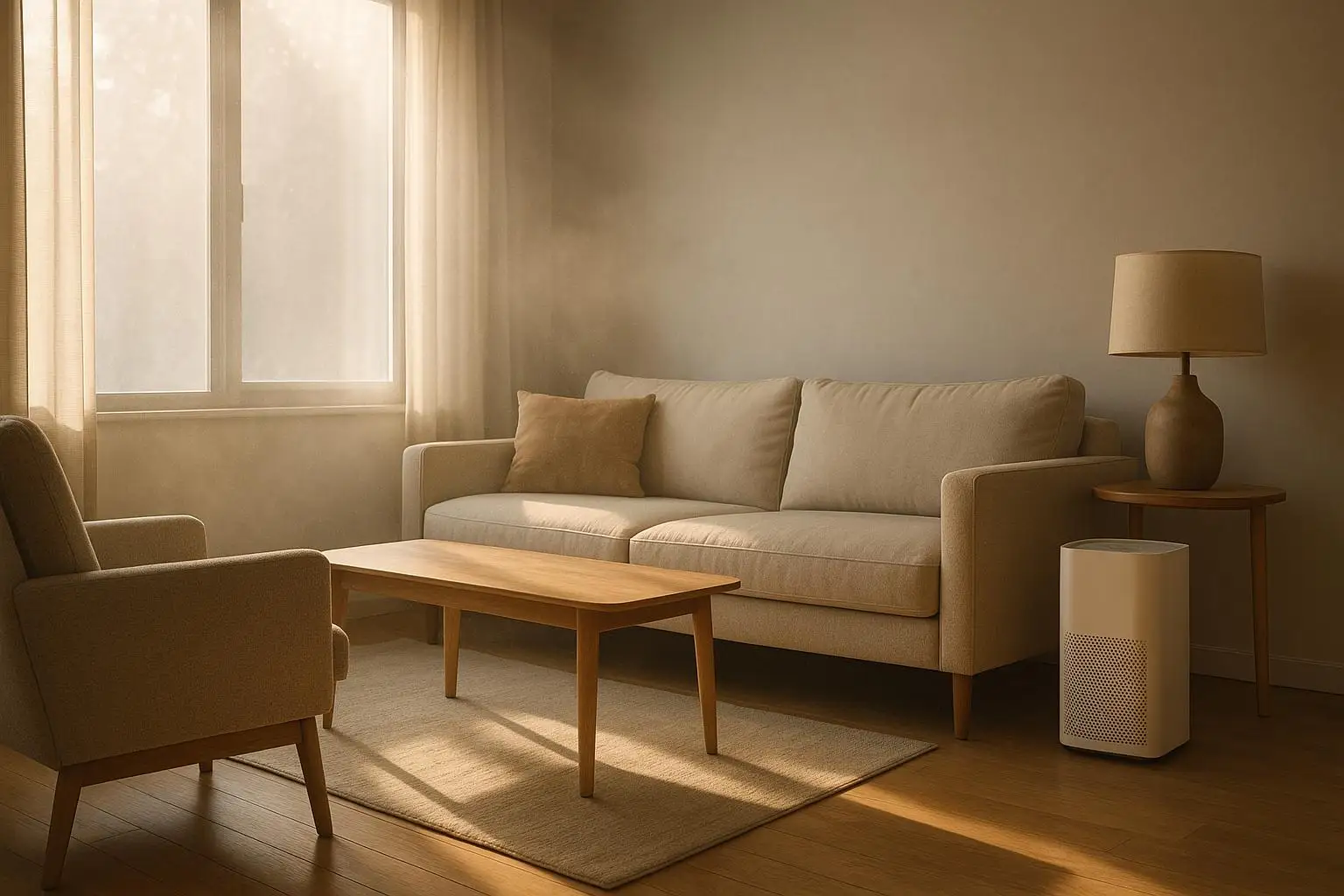
After a fire, the visible damage may be cleaned up, but the air in your home can still be filled with harmful toxins that are dangerous to your health. Fires release smoke particles, toxic chemical vapors, and even create conditions for mold growth. These contaminants can linger for weeks or months, affecting your lungs, causing odors, or even increasing long-term health risks like cancer.
Key Air Quality Problems After a Fire
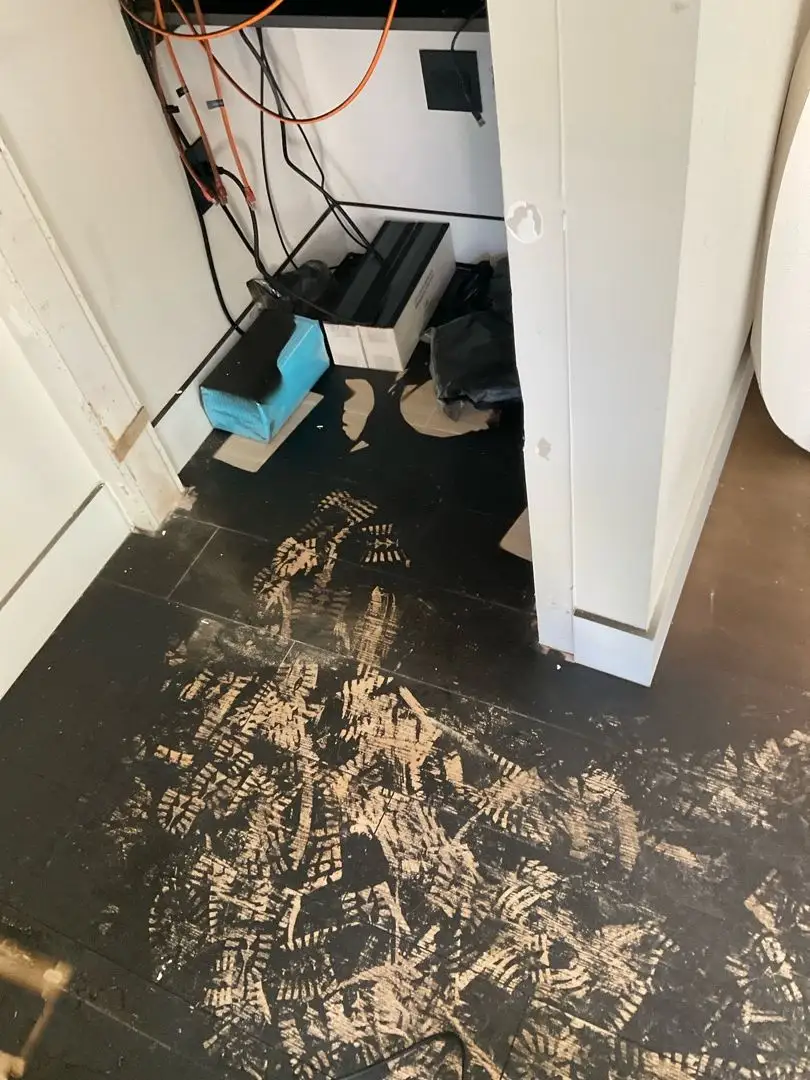
- Smoke & Soot Particles: Tiny particles (PM2.5) that can enter your lungs and bloodstream.
- Toxic Vapors (VOCs): Chemicals like benzene and formaldehyde that linger in furniture, walls, and air.
- Mold Growth: Caused by Emergency Water Damage Checklist: First 24 Hours from firefighting efforts, mold can grow in just 24–48 hours.
- Top 7 Fire Odor Neutralization Techniques: Persistent smells indicate lingering contaminants trapped in surfaces.
Quick Solutions
- Use HEPA air filters to remove fine particles.
- Install air purifiers with activated carbon to eliminate toxic vapors.
- Control moisture with dehumidifiers to stop mold growth.
- Hire professionals for deep cleaning and odor removal techniques like thermal fogging or HVAC cleaning.
Pro Tip: Fire Damage Restoration are often necessary to fully eliminate hidden dangers and restore safe indoor air quality.
Is LA’s Air Safe? Harvard Experts Weigh In on Wildfire Smoke & Health
Common Air Quality Problems After Fire Cleanup
Even after the visible mess of a fire is cleaned up, the air in your home or business can remain a hidden danger. Lingering contaminants often go unnoticed but can pose serious health risks if not addressed. Below, we’ll break down the most common air quality issues and how they can be tackled.
1. Smoke Particles and Soot in the Air
Tiny smoke and soot particles can linger in the air long after the fire is out. Measuring around 2.5 microns or smaller, these particles are small enough to enter deep into the lungs and even the bloodstream. Soot and smoke are made up of a mix of harmful substances, including fine particles, metals, acids, and volatile organic compounds (VOCs). Breathing them in can worsen conditions like asthma or COPD.
These particles don’t just stay put. They settle on surfaces and can become airborne again with everyday activities like vacuuming, walking, or running your HVAC system. Beyond just particles, toxic vapors add another layer of concern for air quality.
2. Toxic Chemical Vapors (VOCs)
Fires release harmful VOCs, which are chemicals that can evaporate at room temperature and linger for weeks or even months after the event. VOCs like benzene, formaldehyde, and polycyclic aromatic hydrocarbons (PAHs) can seep into walls, furniture, and your ventilation system, exposing you to long-term health risks.
| VOC Type | Boiling Point Range | Example Compounds |
|---|---|---|
| Very Volatile (VVOC) | <32°F to 122–212°F | Propane, butane, methyl chloride |
| Volatile (VOC) | 122–212°F to 464–500°F | Formaldehyde, toluene, acetone |
| Semi-Volatile (SVOC) | 464–500°F to 716–752°F | Pesticides, plasticizers, fire retardants |
These chemicals can cause respiratory irritation, neurological symptoms, and even increase the risk of cancer. Research shows smoke exposure involves more than 7,000 chemicals, with at least 70 known to cause cancer, even with brief exposure. While VOCs are a chemical hazard, firefighting efforts can introduce another major issue: water damage.
3. Mold Growth from Water Damage
The water used to extinguish a fire often soaks into porous materials like drywall, insulation, and carpets. When combined with the warmth and organic material left behind by soot or ash, this creates the perfect environment for mold growth. Mold can start developing in as little as 24 to 48 hours after water exposure.
Hidden wet spots inside walls or ceilings can allow mold to grow undetected, releasing spores that trigger respiratory problems, allergies, and infections. The EPA advises, “If mold is a problem in your home, you should clean up the mold promptly and fix the water problem”. Keeping moisture levels under control is vital for preventing mold and maintaining safe indoor air. But mold isn’t the only thing that sticks around – smoke odors can be another stubborn problem.
4. Smoke Odors That Won’t Go Away
If you’re still smelling smoke, that’s a sign of lingering contamination. Smoke particles can embed themselves deep into porous materials like drywall, carpets, upholstery, and wood. Even after cleaning, these particles may continue to release harmful chemical compounds and VOCs into the air.
Temperature and humidity shifts can worsen the issue, causing trapped particles to release more chemicals. What seems like just an annoying smell could actually mean ongoing exposure to substances like carbon monoxide, benzene, and formaldehyde. Standard cleaning methods usually aren’t enough – professional-grade tools and techniques are often required to fully eliminate these contaminants.
How to Fix Air Quality Problems After a Fire
Once you’ve identified the indoor contaminants, the next step is to take action. The right tools and techniques can make the difference between a temporary fix and a long-term solution for restoring air quality after a fire.
1. Remove Particles with High-Grade Air Filters
HEPA filters are a must when it comes to capturing the fine particles left behind by smoke and soot. These filters trap 99.97% of particles as small as 0.3 microns, which includes many smoke particulates. For even better results, pair your HEPA filter with an activated carbon filter to handle a broader range of contaminants. Be sure to check the unit’s Clean Air Delivery Rate (CADR) to ensure it’s suitable for your space. In areas with heavy smoke, activated carbon filters may need replacing every 1–3 months.
Clearing out particulate matter is the first step in addressing more stubborn contaminants, like chemical vapors.
2. Eliminate Toxic Vapors with Air Purifiers
After a fire, volatile organic compound (VOC) levels indoors can spike to ten times the usual outdoor levels. This makes a high-quality air purifier with a generous amount of activated carbon essential. The more activated carbon in the purifier, the faster it can clear the air. Avoid ozone generators or ionizers for smoke-related issues, as they can create harmful byproducts.
Here’s a quick comparison of air purifiers to help you choose:
| Air Purifier | Activated Carbon Amount | Time to Clear Room | Max Room Size | Price |
|---|---|---|---|---|
| Austin Air | 15 lbs | 52 minutes | 234 sq. ft. | $765.00 |
| IQAir | 5 lbs | 28 minutes | 319 sq. ft. | $1,199.99 |
| Levoit | 0.99 lbs | 24 minutes | 319 sq. ft. | $219.99 |
| Smart Air Blast Mini | 1.56 lbs | 15 minutes | 600 sq. ft. | $649.00 |
3. Stop Mold Growth by Controlling Moisture
Water used to extinguish a fire can lead to mold growth within just 24 to 48 hours. To prevent this, quickly identify and remove any hidden moisture using detection tools. Dehumidifiers are key to keeping indoor humidity levels below 50%, and in cases of severe water damage, you might need commercial-grade units to handle the load. Any porous materials that have absorbed water should be replaced immediately. Applying antimicrobial treatments to affected areas can also help stop mold and bacteria from spreading during the cleanup process.
Once moisture is under control, you can focus on addressing lingering smoke odors.
4. Get Rid of Smoke Odors with Professional Methods
Smoke odors often linger because contaminants have embedded themselves deep into surfaces. Standard cleaning methods won't cut it. Professional techniques like thermal fogging, hydroxyl generators, and HVAC system cleaning are highly effective at removing these odors. Learn more about How Thermal Fogging Restores Indoor Air Quality. Ozone treatment can also work but should only be used as a last resort due to health risks and the need for evacuation during the process. For more information, see Do Ozone Generators Work for Fire Damage Odors.
A thorough property assessment is critical before starting odor removal. For example, Home Depot highlighted in August 2024 that professional cleaners typically begin by identifying the main odor sources, evaluating affected areas, and determining the best treatment methods.
Why You Need Professional Fire Restoration Services
While DIY cleanup can handle some surface-level tasks, achieving safe air quality and addressing hidden dangers after a fire often requires professional expertise. Most homeowners simply don’t have access to the specialized tools and knowledge needed to fully restore their homes.
Finding Hidden Air Quality Problems
Fire damage isn’t always obvious. Contaminants like toxic vapors, mold behind walls, and smoke trapped in HVAC systems can linger undetected, posing serious health risks. Professionals use advanced tools such as thermal imaging cameras and What Is a Moisture Meter the Best Measurement to uncover these hidden dangers, ensuring no area is overlooked.
Trained technicians are equipped to safely manage hazardous materials, addressing potential risks comprehensively. For example, after the 2022 floods in Monroe, NC, homeowners who enlisted certified restoration specialists saw quicker and more effective results. Many homes were saved thanks to the swift, skilled intervention highlighted in local news reports.
Professional Equipment and Methods
Restoration experts rely on industrial-grade tools that outperform standard consumer equipment. Devices like HEPA-filtered vacuums, air scrubbers, and negative air machines capture 99.97% of particles, ensuring thorough cleaning. If you're unfamiliar with this equipment, learning what is an air scrubber can help you understand how they improve indoor air quality.
In addition to high-performance equipment, professionals use advanced techniques such as:
- Thermal fogging: Penetrates deep into surfaces to eliminate odors.
- Dry ice blasting: A non-abrasive cleaning method for delicate materials.
- Laser cleaning: Precise, low-dust option for certain metals and materials.
- Sand blasting: Removes embedded soot and char from structural wood (roof framing, beams, joists), often saving wood that would otherwise be replaced. See it in action:
Read When and How to Use Sand Blasting After a Fire for more details.
Professionals also use hydroxyl generators, which neutralize odors with safer chemistry than ozone generators, making them ideal for occupied spaces. This combination of cutting-edge tools and expert methods ensures restoration meets both health standards and local regulations.
Direct Insurance Billing
Navigating insurance claims after a fire can be overwhelming, especially when air quality and safety come into play. Professional restoration companies, like Total Care Restoration, simplify the process by offering direct insurance billing. They handle all communication with providers and submit detailed assessments, including moisture readings and thermal images, to expedite claims.
Accurate documentation is critical. In one case, a comprehensive report with thermal images and a floor plan helped secure proper insurance coverage. Professionals can also assist with supplemental claims if additional damage is discovered during restoration, ensuring no issues are left unresolved due to financial limitations. This expertise not only streamlines the claims process but also guarantees that indoor air quality is restored to safe levels.
Conclusion: Getting Clean and Safe Indoor Air Quality Back
Restoring indoor air quality after a fire isn’t just about comfort – it’s about protecting your health and your family’s well-being. Fires leave behind hidden contaminants that can linger long after the flames are out, posing serious health risks if not addressed quickly and effectively.
Studies highlight the urgency of acting fast. Even short-term exposure to fire-related pollutants can significantly increase health risks. For instance, children exposed to wildfire smoke for just five days face a doubled risk of developing asthma. Fine particulate matter (PM2.5) is especially hazardous because it can penetrate deep into the lungs and even enter the bloodstream. If left untreated, these pollutants can cause ongoing symptoms like coughing, chest tightness, fatigue, and headaches – clear signs that your indoor air may still be unsafe.
Professional intervention is key to resolving these issues. Contaminants can settle into your HVAC system, spreading harmful particles throughout your home. Without specialized tools like HEPA-filtered air scrubbers and advanced cleaning techniques, these toxins are nearly impossible to remove completely. Total Care Restoration’s certified technicians use cutting-edge methods to eliminate these pollutants, ensuring your indoor air meets safety standards before you return. As AGI explains:
"Yes, if air quality is not properly restored, lingering soot and smoke particles can continue to pose health risks. Professional restoration addresses these issues to ensure your home is safe." – Anderson Group International
Delaying action only allows contaminants to settle deeper, making remediation more challenging and increasing health risks. Comparing DIY Vs Professional Fire Restoration ensures that your home becomes a safe, breathable space once again, giving you peace of mind and protecting your family for years to come.
FAQs
What are the health risks of lingering smoke and toxins after a fire cleanup?
Lingering smoke particles and toxic vapors after a fire can pose serious health risks that extend well beyond the initial event. Tiny particles, like fine particulate matter (PM2.5), can irritate your respiratory system, heighten the chances of heart disease, and, with extended exposure, even contribute to premature death. On top of that, volatile organic compounds (VOCs) released during a fire can cause ongoing respiratory problems and other health issues, as these harmful chemicals can linger in the air and on surfaces for weeks – or even months.
Taking swift action is key to minimizing these risks. Professional Commercial are equipped to eliminate dangerous particles, neutralize lingering toxins, and improve air quality, making your home safe to live in once more.
What’s the best way to get rid of smoke odors after a fire, and should I hire professionals for help?
To tackle smoke odors after a fire, begin by giving all affected surfaces a deep clean. Mix warm water with a mild detergent or tri-sodium phosphate (TSP) to scrub down walls, floors, and furniture. For fabrics like curtains or upholstery, washing them with vinegar can help break down and neutralize the smoky smell. You can also place baking soda or activated charcoal around your home to absorb any lingering odors. Don’t forget to open windows to let fresh air flow through and improve ventilation.
If the odor still lingers, it might be time to call in the pros. Professional cleaning services use advanced tools like ozone generators or thermal fogging machines to remove smoke particles embedded deep in materials. This step can restore the air quality in your home and leave your space feeling fresher and more comfortable.
How can I prevent mold growth from water damage after firefighting, and how soon should I act?
To stop mold from taking hold after water damage from firefighting efforts, quick action is key – ideally within the first 24 hours. Mold thrives in damp conditions and can begin forming in as little as 1 to 2 days, so there’s no time to waste.
Start by getting rid of any standing water using pumps or wet vacuums. Once the water is gone, focus on drying the area thoroughly. Use high-powered fans and dehumidifiers to speed up the process, and improve airflow by opening windows and doors. Next, clean and disinfect all wet surfaces to eliminate contaminants. If there are items like soaked carpets or damaged drywall that can’t be saved, it’s best to remove and dispose of them. Don’t forget to check for any leaks caused by the fire and fix them promptly to prevent more moisture from building up.
Taking these steps quickly and effectively can greatly lower the chances of mold developing in your space.
Related posts
Want to Learn More?
Read our comprehensive guide covering everything you need to know about this topic.
The Complete Guide to Water Damage Restoration in South FloridaNeed Professional Help?
Our expert team is ready to assist with your water damage restoration needs.
View Water Damage Restoration Services