Mold in Commercial Spaces: Causes and Solutions
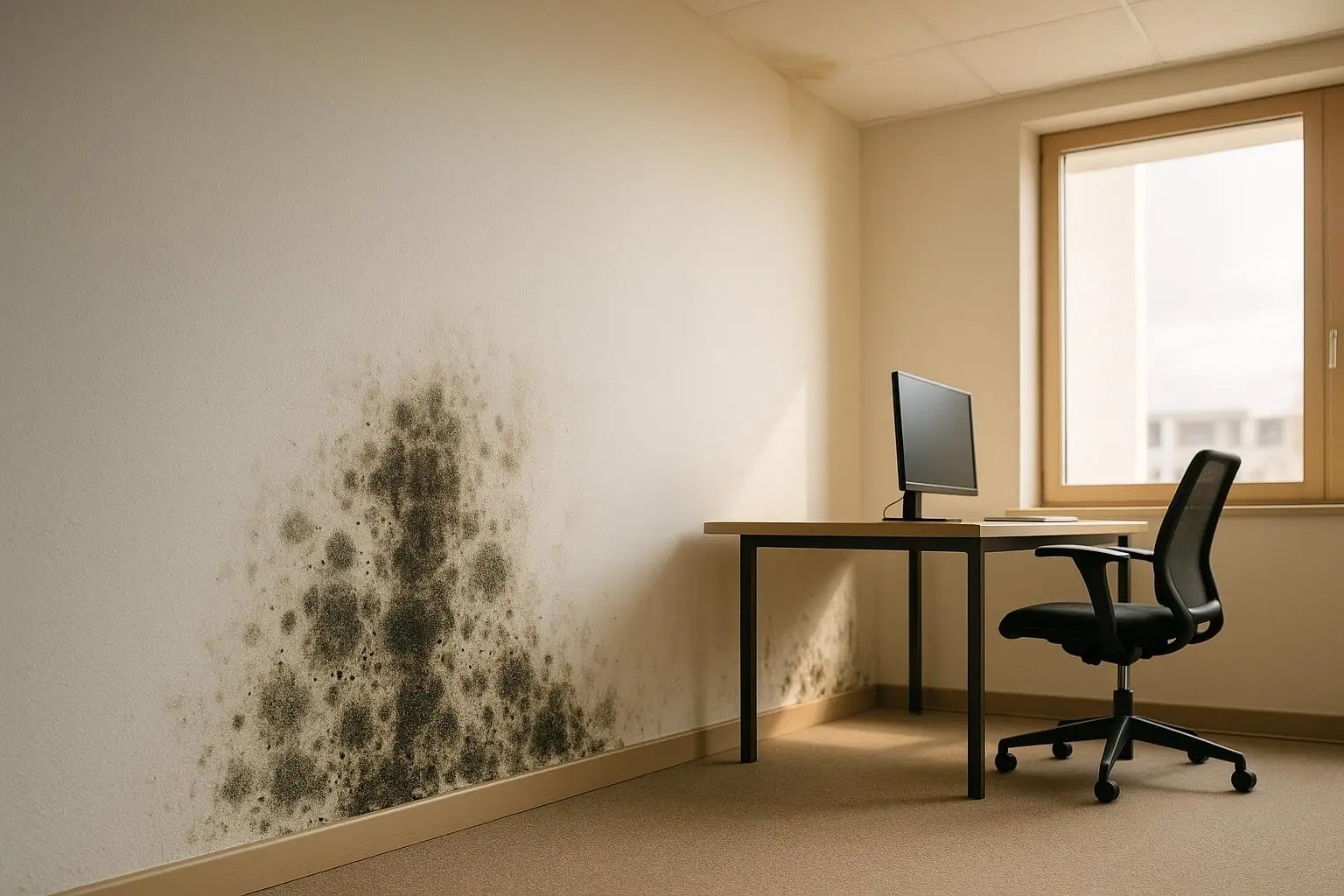
Mold in commercial buildings can harm health, damage property, and disrupt business operations. It thrives in damp conditions, often caused by water leaks, poor ventilation, and unsuitable building materials. Addressing mold quickly is essential to prevent health risks, structural damage, and financial losses.
Key Causes
- Water Issues: Roof leaks, plumbing problems, HVAC malfunctions, and poor drainage.
- Poor Airflow: Stagnant air and high humidity create ideal conditions for mold.
- Building Materials: Organic materials like wood, drywall, and insulation are prone to mold growth.
Prevention Tips
- Regular inspections for leaks and moisture.
- Maintain indoor humidity between 30%-50%.
- Ensure proper ventilation and HVAC upkeep.
- Educate staff and tenants to spot Recognizing the Early Signs of Mold Allergies.
Professional Help
For large infestations or hidden mold, professional remediation is necessary. Experts use advanced tools and techniques to remove mold safely and prevent recurrence. Services like Total Care Restoration offer 24/7 support and direct insurance billing.
Addressing mold early and maintaining a dry, well-ventilated environment can save money, protect health, and ensure the safety of your building.
How To Prevent Mold Growth In A Commercial Building
What Causes Mold in Commercial Buildings
To tackle mold effectively in commercial buildings, it’s crucial to understand what causes it in the first place. Mold thrives when four ingredients come together: moisture, a food source, oxygen, and the right temperature. Of these, moisture and food sources are the two factors property managers can control. Acting quickly to address mold can stop it from spreading across affected areas. Below, we’ll explore the main culprits behind moisture buildup, poor airflow, and material weaknesses.
Water Problems and Moisture Buildup
Water intrusion is a major driver of mold growth. Roof leaks, poorly sealed windows, and faulty flashing can let moisture seep into the building. HVAC issues also play a role – malfunctioning air conditioning units can cause condensation, while broken humidifiers can oversaturate the air. Plumbing leaks, whether from damaged pipes, slow-dripping fixtures, or malfunctioning toilets, create ongoing moisture problems. Regular inspections can help catch these issues early.
Other water-related problems include defective sprinkler systems, aging water heaters, boiler failures, and sewage backups, all of which can release significant amounts of water into commercial spaces. Poor drainage outside the building or clogged sewer lines can lead to localized flooding and moisture buildup around the foundation.
Poor Air Circulation
Without proper ventilation, moisture can linger, creating a perfect environment for mold. Stagnant air traps humidity, leading to condensation on surfaces. High-risk areas like bathrooms, kitchens, basements, and crawl spaces are especially prone to mold due to limited airflow. Signs of poor air circulation include stuffy rooms, persistent odors, and window condensation.
The CDC recommends keeping indoor humidity between 30% and 50% to reduce mold risks. To improve airflow, property managers should keep vents open, change HVAC filters regularly, maintain ventilation systems, and use exhaust fans or encourage natural ventilation. At the same time, it’s important to consider how building materials and design can contribute to mold issues.
Building Materials and Design Issues
While controlling water and airflow is essential, the materials used in construction also matter. Organic building materials like wood, paper, drywall, carpeting, and some types of insulation provide mold with the nutrients it needs to grow, thanks to their cellulose content. Processed wood products – such as oriented strand board (OSB), particleboard, and plywood – are particularly susceptible. Open-pored insulation materials like mineral wool can also be difficult to remediate once mold takes hold.
Design flaws can worsen the problem. Poor ventilation, gaps in sealing around windows, and improperly installed flashing can allow water to penetrate the building. Construction defects, like gaps from improperly installed beams or walls, and malfunctioning HVAC systems can also contribute to moisture buildup. In the U.S., roughly 33% of buildings face mold issues, and 40% of structures experience mold regrowth within a year of remediation. Climate change may worsen the situation, with increased rainfall, higher humidity, and warmer temperatures creating more favorable conditions for mold.
"Mold growth in commercial buildings compromises both health and structural integrity, making it a critical concern for property owners, occupants, and visitors alike." – Jeremy Jernigan, Chief Scientist and Principal Consultant at Intertek-PSI
Preventing mold involves addressing water issues promptly, keeping humidity levels between 30% and 50%, and performing regular maintenance, such as air quality issues, to minimize risks. These proactive steps can go a long way in maintaining a mold-free environment.
Health and Property Damage from Mold
Understanding the risks mold poses to both health and property emphasizes why addressing it quickly is crucial for commercial properties. Mold isn’t just an eyesore – it can harm people and compromise building structures, leading to costly problems like employee absences, tenant complaints, and potential legal liabilities.
Health Problems
Exposure to mold can lead to a variety of health issues, ranging from mild to severe. Common symptoms include allergic reactions like runny noses and red eyes, as well as skin, throat, and nasal irritation. For some, especially those with asthma, mold can trigger serious attacks. Certain types of mold, such as Stachybotrys (commonly known as black mold), Penicillium, and Aspergillus, release harmful mycotoxins. These toxins can worsen respiratory problems, and in the case of Aspergillus, even cause aspergillosis – a dangerous lung infection, particularly for individuals with weakened immune systems. Prolonged mold exposure can lead to chronic respiratory conditions, ongoing skin irritation, and even cognitive challenges. If employees or tenants show symptoms that may be linked to mold, consulting health professionals is critical. But the risks don’t stop with health – mold can also wreak havoc on a building’s structure.
Building Damage
Mold doesn’t just sit on surfaces; it actively damages them. By feeding on organic materials like wood, drywall, and insulation, mold weakens these essential components, which can eventually lead to structural failure. Alarmingly, mold can start causing damage within just 24 to 48 hours, increasing the risk of ceiling collapses and other structural problems. Even metal parts aren’t immune, as mold releases byproducts that can accelerate corrosion. The financial consequences of unchecked mold damage can be severe, potentially forcing businesses to close temporarily and incur significant repair costs. In extreme cases, neglecting mold issues could result in fines, lawsuits, or even the loss of business licenses. Acting quickly to address mold is key to preventing further damage and avoiding the health, legal, and financial fallout that prolonged exposure can bring.
How to Prevent Mold in Commercial Buildings
Stopping mold before it starts is the smartest way to avoid costly problems in commercial spaces. By keeping moisture under control, ensuring proper airflow, and staying on top of potential trouble spots, you can create an environment where mold has no chance to grow.
Regular Inspections and Maintenance
Frequent inspections in areas prone to moisture – like bathrooms, kitchens, HVAC systems, basements, or places with a history of Emergency Water Damage Checklist: First 24 Hours – can help you catch potential mold problems early. During these checks, look for leaks, condensation, or water stains that might signal a moisture issue.
Make sure your checklist includes inspecting the roof, plumbing, and the building’s exterior for any spots where water could seep in. Don’t forget hidden trouble areas like HVAC ducts and drip pans, where moisture can accumulate out of sight.
Data shows that commercial properties with regular inspections and maintenance have far fewer mold issues and lower cleanup costs. Addressing moisture problems within 48 to 72 hours is especially effective in stopping mold from spreading. These inspections work hand-in-hand with efforts to manage humidity and airflow indoors.
Manage Humidity and Air Circulation
Keeping indoor humidity below 60% – ideally between 30% and 50% – is key to preventing mold. Mold thrives in damp conditions, so using tools like hygrometers to monitor humidity levels can help pinpoint problem areas.
Dehumidifiers are a great addition to spaces like basements or storage rooms where ventilation is limited.
Your HVAC system is crucial for controlling both humidity and air circulation. Schedule regular maintenance to clean ducts, replace filters, and check for leaks. Installing exhaust fans in moisture-heavy areas like restrooms and kitchens helps remove humid air before it settles. For buildings prioritizing energy efficiency, energy recovery ventilators (ERVs) provide a balanced way to maintain air quality and control moisture without driving up energy costs.
Educate Staff and Tenants
Make sure occupants know how to spot early warning signs of mold, such as musty smells, discoloration, or water stains. Early detection and reporting can prevent minor issues from turning into major problems.
Set up clear reporting systems – whether by phone, email, or an online platform – so potential mold concerns can be communicated quickly. Regular awareness sessions can help reinforce the importance of keeping areas dry and well-ventilated, building a mold-resistant environment for everyone.
Professional Mold Removal Solutions
When routine inspections and maintenance don’t stop mold in its tracks, it’s time to call in the professionals. Once mold spreads beyond surface-level patches, it requires specialized tools, proven methods, and the expertise that only trained technicians can provide.
Certified Mold Removal Services
Professional Mold Remediation isn’t just about wiping away what you can see. Certified technicians follow strict protocols to safely remove mold while preventing it from spreading to other areas. They use containment strategies and treatments specifically designed to eliminate mold at its source, ensuring a thorough and safe cleanup.
Total Care Restoration Services
Total Care Restoration brings certified experts to the table, following rigorous protocols to not only remove mold but also prevent it from coming back. Their goal? To restore safe, breathable indoor air quality for your property.
Available 24/7 for emergencies, Total Care Restoration can be reached at (786) 610-6317. They use industrial-grade dehumidifiers and air movers to target moisture – the root cause of mold growth. Plus, they handle direct insurance billing, making the process smoother for business owners.
Preventing Mold After Removal
Mold remediation doesn’t end with removal. Certified technicians apply antimicrobial treatments to surrounding areas to eliminate lingering spores and stop mold from spreading. They follow strict indoor air quality to ensure the indoor environment meets acceptable standards.
Long-term prevention hinges on addressing moisture issues. This means fixing leaks, maintaining proper ventilation, controlling humidity, and sticking to a consistent cleaning schedule. These expert interventions, combined with ongoing maintenance, are key to keeping mold at bay for good.
DIY Mold Removal vs. Professional Services
When mold shows up, you’re faced with a choice: tackle it yourself or bring in the pros. This decision isn’t just about convenience – it’s about health, safety, and avoiding costs down the line. Using the wrong techniques can lead to mold returning, health hazards, or even bigger expenses.
DIY mold inspection can work if you’re dealing with a small, contained area – think less than 10 square feet of mold on a hard surface. This approach is fine if the mold stems from a minor water issue that’s already been resolved. However, be cautious. Disturbing mold without proper containment can release spores into the air, spreading the problem to other parts of your building.
Professional remediation, on the other hand, is the better option for larger infestations, recurring mold, or cases where the mold has infiltrated HVAC systems or hidden areas like behind walls. Professionals use advanced tools like HEPA vacuums, air scrubbers, and moisture meters, and they follow strict industry guidelines (such as IICRC S520) to ensure the mold is thoroughly removed and less likely to return.
For commercial properties, professional services are often a must. Without proper protective equipment and containment, DIY efforts can expose occupants to serious risks like respiratory issues, allergic reactions, or skin irritation. Plus, insurance companies often require certified remediation for mold-related claims. In many cases, regulations demand professional treatment to meet health and safety standards. When deciding between DIY and professional services, factors like the size of the mold problem, safety concerns, and long-term results should guide your choice.
DIY vs. Professional Mold Removal Comparison
Here’s a quick breakdown of how DIY and professional mold removal stack up:
| Factor | 5 Steps for Emergency Mold Mitigation | Professional Mold Remediation |
|---|---|---|
| Cost | Low (under $100 for supplies) | Higher ($500–$10,000+ depending on the job) |
| Effectiveness | Limited to small, surface areas | Handles large or hidden mold with precision |
| Safety | Moderate risk of exposure and spreading spores | High safety with trained experts and specialized tools |
| Speed | Quick for minor issues | Efficient for large or complex problems |
| Long-term Results | Often temporary, with risk of recurrence | More lasting, addressing root causes |
While DIY might seem faster and cheaper upfront, unresolved moisture or improper cleanup often leads to the mold coming back – making it costlier in the long run. Professional remediation takes more time initially but involves a thorough process: assessing the situation, containing the mold, removing it, and verifying the results. This approach is more effective at preventing mold from returning.
In fact, over half of commercial mold cases involve areas larger than 10 square feet, making professional intervention essential. Experts don’t just remove visible mold; they also identify hidden moisture, seal affected areas, and apply antimicrobial treatments to stop regrowth.
Take this example: A small retail store tried a DIY cleanup after a minor water leak. Despite their efforts, mold kept coming back. Air quality worsened, employees started reporting health issues, and the store lost business days. It wasn’t until they brought in professionals that the root problem – hidden moisture in the walls – was found and fixed. Once treated properly, the store’s conditions were restored, and the mold didn’t return.
If your commercial property has mold – especially in areas larger than 10 square feet, within HVAC systems, or if people are experiencing health symptoms – professional remediation is the safest bet. For thorough, certified mold removal, check out Total Care Restoration. They offer 24/7 emergency services, certified technicians, and handle insurance claims directly, helping protect your business and its reputation. Pairing professional services with routine maintenance is the best way to keep mold at bay.
Conclusion
Mold in commercial spaces poses a serious risk to both health and property value. While the causes may vary, taking swift action can mitigate damage, save money, and protect those who use the space.
Once mold begins to spread, the problems can escalate quickly. Health concerns and structural damage can worsen, emphasizing the need for early intervention – something we’ve highlighted throughout this discussion.
Professional mold remediation is key to achieving lasting results. These services don’t just remove visible mold but also address the root cause, such as underlying moisture issues, to prevent future outbreaks. However, ongoing maintenance plays an equally important role in keeping mold at bay.
Regular inspections, timely repairs, and proper HVAC upkeep are essential in maintaining a mold-free environment. Clean air circulation and early detection of warning signs – whether by trained staff or tenants – add an extra layer of protection.
When professional help is required, Total Care Restoration offers a comprehensive approach to Mold Sanitization Vs Mold Remediation. Their certified technicians are available 24/7, handle insurance claims directly, and use advanced technology to minimize disruptions to your business. From initial assessments to complete remediation, they ensure your property is restored to a safe, healthy condition while safeguarding your investment.
FAQs
What health risks can mold in commercial buildings pose, and how can they be prevented?
Mold in commercial spaces can lead to serious health problems, such as allergic reactions, respiratory troubles, asthma flare-ups, and irritation affecting the eyes, skin, nose, and throat. For those with allergies or compromised immune systems, exposure can result in even more severe health challenges.
Keeping mold at bay requires a focus on managing moisture levels, promptly fixing water leaks, improving air circulation, and scheduling regular mold inspections and remediation efforts. These steps go a long way in ensuring a safer and healthier environment for everyone.
What steps can building managers take to monitor and control humidity levels to prevent mold in commercial spaces?
To keep mold at bay, building managers should keep a close eye on indoor humidity levels by using continuous humidity sensors that provide real-time data. The ideal range to aim for is 30% to 50%, as anything outside this range can promote mold growth.
Key steps include using dehumidifiers, ensuring proper ventilation, and quickly fixing leaks or water damage. Don’t forget regular maintenance of the HVAC system, as it plays a crucial role in controlling moisture levels. Together, these measures help maintain a healthier indoor environment and minimize the chances of mold developing in commercial spaces.
When should a business hire professionals for mold remediation instead of trying to handle it themselves?
If mold spreads over an area larger than 10 square feet, is suspected to be lurking behind walls or ceilings, or keeps reappearing despite DIY clean-up attempts, it’s time to call in professional The Importance of Rapid Mold Detection And Response. Another red flag is when employees or customers start experiencing health problems, such as allergies or respiratory issues, linked to mold exposure. In these cases, certified experts can tackle the problem thoroughly and ensure it doesn’t come back.
Companies like Total Care Restoration have the right tools and expertise to remove mold safely and efficiently, all while keeping disruptions to your business operations as minimal as possible.
Related posts
Want to Learn More?
Read our comprehensive guide covering everything you need to know about this topic.
The Complete Guide to Mold Remediation in FloridaNeed Professional Help?
Our expert team is ready to assist with your mold remediation needs.
View Mold Remediation Services