How to Safely Reenter Fire-Damaged Properties
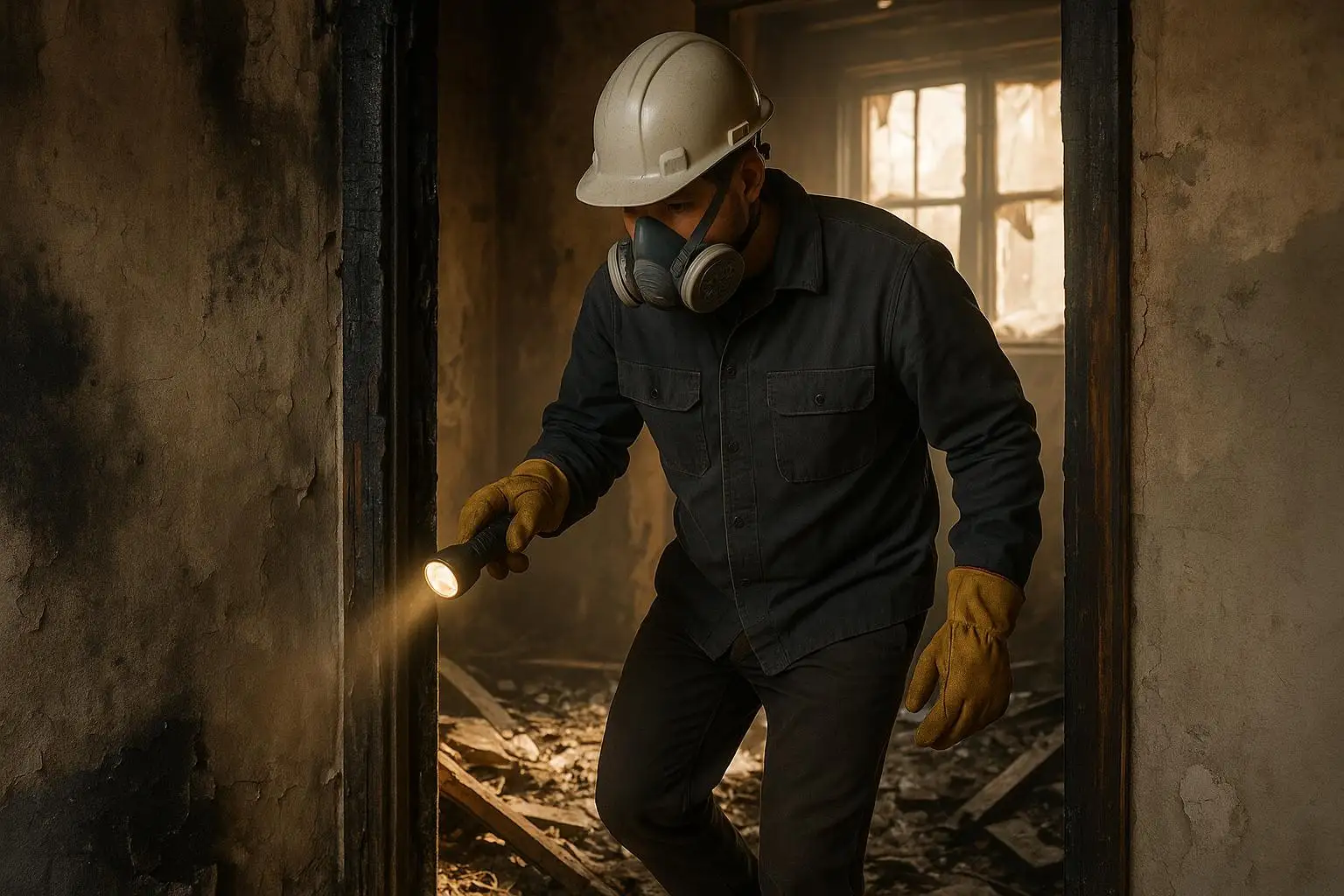
After a fire, reentering your property can be dangerous. Toxic substances like smoke, soot, and ash, structural instability, and electrical risks pose serious hazards. Follow these steps to stay safe:
- Wait for clearance: Only enter after fire authorities confirm the area is safe.
- Inspect for damage: Look for unstable floors, cracks, or sagging ceilings.
- Turn off utilities: Ensure gas, electricity, and water are shut off and inspected.
- Wear protective gear: Use N95 masks, gloves, sturdy boots, and long clothing to protect against toxins and debris.
- Check air quality issues: Ventilate the space or use HEPA air purifiers if air quality is poor.
- Dispose of contaminated items: Throw away food, porous materials, and anything exposed to fire or water.
- Address mold risks: Dry water-damaged areas to prevent mold growth.
For thorough Emergency Water Damage Checklist: First 24 Hours, hire certified professionals who can handle hidden damage, toxic materials, and insurance claims efficiently. Avoid rushing the process – your safety comes first.
Returning Home After a Wildfire: Safety Tips and Support
Get Official Clearance and Check Safety
Before stepping back onto your property, make sure local fire authorities have declared it safe. Hazards like downed power lines, structural damage, and toxic materials may still be present, so it’s crucial to confirm that all risks have been addressed.
Get Clearance from Fire Authorities
Wait for a fire marshal or local fire official to give the green light before entering your property. Their inspection identifies lingering dangers and ensures the area is safe. Stay updated by checking emergency notifications online or contacting your local fire department for specific clearance procedures. If you need to recover important belongings, wait for the officer in charge to coordinate a safe retrieval.
"The Los Angeles County Fire Department (LAFD) wants to hear your concerns so that they can provide the clearance necessary for firefighters to protect your property and your neighborhood."
Check for Structural Damage
Once clearance is granted, carefully assess the structural integrity of your property. Keep in mind that significant internal damage may not always be visible. Be on the lookout for warning signs like:
- Sagging or unstable floors
- Cracks in load-bearing walls
- Damaged or drooping ceilings
- Charring or burns on beams, walls, or frames
- Warped or cracked columns and foundational supports
For a thorough evaluation, consider hiring a professional structural engineer. During your inspection, wear protective gear such as sturdy boots, gloves, long sleeves, and masks. Avoid moving objects that could be holding up weakened structures, and tread cautiously on wet or slippery surfaces often left behind after firefighting efforts.
Confirm Utility Shut-Offs
Before entering, ensure all utilities – electricity, gas, and water – are turned off and inspected by professionals. Damaged wiring can lead to electrical hazards, water from firefighting efforts can amplify risks, and compromised gas lines may pose explosion dangers. Similarly, damaged water systems can result in flooding.
Key safety tips include:
- Don’t use lights or outlets until an electrician has inspected the wiring. If you smell gas or hear hissing, leave immediately and call emergency services.
- Have all utilities professionally inspected before starting any restoration work.
Use Proper Protective Gear
Stepping into a fire-damaged property without the right protective gear can put you at serious risk. Toxic particles, chemical irritants, and hidden physical dangers often linger in these environments. Protective equipment isn’t just a precaution – it’s your first line of defense.
Essential Protective Equipment
The LA County Public Health emphasizes the importance of equipping yourself with the following gear before entering any fire-damaged property:
- Respiratory Protection: A well-fitted N-95 respirator (or a higher-rated model) is essential. If smoke or fumes remain, opt for a half-face or full-face respirator. Protecting your lungs from toxic soot and chemicals is critical.
- Eye Protection: Safety goggles are a must, especially when using strong chemical cleaners. Unlike standard safety glasses, goggles provide full coverage, preventing particles from entering from the sides.
- Hand Protection: Heavy-duty gloves safeguard your hands from sharp debris, toxic chemicals, and contaminated surfaces. Fire-damaged areas often contain broken glass, exposed nails, and other hazards.
- Protective Clothing: Long-sleeved shirts and pants help shield your skin from scrapes and harmful substances. Disposable coveralls are a smart choice to avoid contaminating your personal clothing.
- Footwear: Sturdy, steel-toed boots or similar protective footwear are necessary to guard against falling debris and sharp objects.
After every visit, make it a priority to launder your clothing, take a thorough shower, and change your footwear to prevent spreading contaminants.
Who Should Stay Out
Even with the best gear, some individuals should steer clear of Fire Damage Restoration until professionals declare it safe. This includes:
- Children: Their developing lungs are particularly vulnerable.
- Pregnant Women: Exposure can pose risks to both the mother and the unborn child.
- Individuals with Respiratory or Heart Conditions: Toxic exposure can significantly heighten health risks.
It’s worth noting that soot exposure contributes to about 60,000 deaths in the U.S. annually. Pets should also be kept away from burned areas to protect their health and prevent ash from spreading further.
Find and Handle Health and Safety Hazards
Once you’ve ensured the area is cleared and put on your protective gear, the next step is tackling potential health hazards. This process involves carefully identifying and addressing any lingering dangers that could pose a risk to your well-being. It builds on earlier safety checks by focusing on hidden or residual hazards.
Spot Remaining Hazards
Fire damage often leaves behind toxic substances that can persist long after the flames are gone. Smoke and soot, for example, deposit harmful particulate matter and volatile organic compounds (VOCs) on surfaces. These VOCs can continue to off-gas for weeks or even months.
Take your time walking through the property, looking for visible signs of contamination. Pay close attention to corners, behind furniture, and other enclosed spaces where soot might accumulate. Dark residue is a clear indicator of soot deposits, which may contain hazardous chemicals.
A lingering Top 7 Fire Odor Neutralization Techniques is more than just an unpleasant smell – it’s a sign of ongoing chemical exposure. This can lead to respiratory problems like asthma or bronchitis. If the odor is strong or you detect chemical smells, leave the area and allow more time for ventilation before reentering.
Food safety is another concern. Any food exposed to fire, smoke, heat, or firefighting chemicals should be thrown away. This includes canned goods, as heat can compromise their safety.
Check Air Quality and Monitor Symptoms
Your body can often signal poor air quality before any device does. Exposure to soot and ash can cause coughing, wheezing, shortness of breath, chest tightness, headaches, nausea, and fatigue. More severe symptoms like dizziness, confusion, or heart strain – such as an increased heart rate or high blood pressure – are also possible.
Use air quality monitors to assess conditions inside and outside the property. If outdoor air quality is good, open windows to improve ventilation. If not, seal the property and rely on HEPA air purifiers. These purifiers are incredibly effective, capturing 99.97% of harmful particles and VOCs that attach to them. For the best results, choose purifiers with both HEPA and activated carbon filters – the HEPA filter removes particulate matter, while the carbon filter tackles VOCs.
Take regular breaks for fresh air during your inspection, especially if you start to feel unwell. Fine particles from soot can penetrate deep into the lungs, posing serious health risks. If you feel discomfort, stop and reassess – clean air is essential for safe reentry.
Stop Mold Growth in Water-Damaged Areas
The water used in firefighting can leave behind significant moisture, creating the perfect environment for mold. Mold not only adds to the health risks from fire damage but can also trigger allergies and respiratory issues.
Inspect areas where water was used, focusing on carpets, drywall, insulation, and wooden structures. Signs of water damage include stains, warping, discoloration, or musty odors, which often point to hidden mold.
To prevent mold, reduce humidity in affected areas. Use dehumidifiers and fans, or open windows if conditions allow. Remove porous materials like carpeting or drywall that show signs of water damage, as these are nearly impossible to fully dry and sanitize.
Unchecked mold growth can lead to chronic respiratory problems and worsen existing conditions. Health experts strongly recommend medical evaluations for individuals exposed to smoke and fire damage to address potential long-term health effects.
Continue these steps to ensure a thorough safety review before reentering the property.
"Sorting through/cleaning burn debris is not recommended for health reasons." – socoemergency.org
Do a Step-by-Step Safety Check
After addressing immediate hazards, it’s time to ensure the space is completely safe for reentry. A systematic safety check is essential to identify any lingering dangers and confirm that the area is ready for occupancy.
Look for Dangerous Conditions
With immediate health risks removed, shift your focus to inspecting for structural and fire-related damage. Different materials react uniquely to fire, so pay close attention to these signs:
- Wood: Look for charring, which weakens its structural integrity.
- Steel: Warping or deformation indicates exposure to intense heat.
- Masonry (brick and concrete): Damage may appear as spalling, cracking, or discoloration. Concrete can also spall due to moisture trapped during firefighting efforts.
Don’t forget to inspect the home’s exterior. Cracks in the foundation, damaged brickwork, or bowing walls could signal structural issues. If you notice any of these, consult a foundation repair specialist for a professional assessment.
Smoke contamination is another key concern. Between 2016 and 2020, an average of 350,800 home structure fires occurred annually in the United States. Fire aftermath often includes lingering smoke contamination. Check for smoky odors, discoloration on walls and ceilings, or soot deposits that appear as a greasy, dark film. Use a white cloth to wipe surfaces for residue, and shine a flashlight at an angle to spot fine films or streaks. Smoke particles, often smaller than 2.5 microns, can pose serious health risks by penetrating deep into the lungs.
"A fire in your neighborhood or on your acreage may cause your home to smell like smoke. The odor is caused by tiny, microscopic particles that cling to walls, furniture, floors, clothing and other items inside your home." – Gina Peek, Assistant Director, Oklahoma State University Extension/Family Consumer Science Program Leader
Make Sure Cleaning and Sanitization is Complete
Thorough cleaning, sanitization, and drying are necessary to eliminate fire residues and prepare the space for safe reentry. Confirm that all remediation steps have been completed.
During the initial cleanup, dry cleaning sponges should have been used on walls and ceilings to avoid smearing soot with water. Afterward, washing walls with soapy water can help remove lingering odors. Check the HVAC system to ensure ducts have been cleaned of soot, smoke, and debris.
Proper drying is critical. Use dehumidifiers or fans to remove moisture, and watch for signs of water damage. Ventilation is equally important to improve air quality and reduce smoke odors. Lingering smells often stem from volatile organic compounds (VOCs) that can off-gas for weeks or months. Ensure the property is ventilated enough to restore safe air levels.
For added assurance, consider hiring an independent environmental professional (IEP) for post-remediation verification (PRV). This process involves professional testing to confirm that all hazards have been addressed.
"A PRV verifies that at the time the test was taken and passed, that the indoor air environment and surfaces were deemed safe for use or occupancy."
Real-world examples highlight the importance of professional verification. In one case, an IEP uncovered high levels of lead in soot after a garage fire – something the adjuster hadn’t anticipated. This underscores why testing for hazardous byproducts is essential, even when risks seem minimal.
Avoid using harsh chemicals or vinegar, as they can react with ash and create harmful compounds. Instead, use cleaning products specifically designed for Fire Damage Restoration a Step By Step Guide. Additionally, smoke can corrode electronic components, so have electronics inspected by professionals before use.
Lastly, be mindful of dioxin exposure, as even trace amounts can cause severe health issues, potentially affecting future generations. Ensuring all contaminated areas are addressed is crucial before reentry, paving the way for Commercial to complete the recovery process.
Hire Professional Restoration Services
While safety checks are a must, the intricate process of fire damage restoration often calls for professional help. Once your property is deemed safe, professional restoration services step in to guide you toward complete recovery.
Benefits of Professional Restoration
Sunrise area water damage restoration bring more to the table than basic cleanup. They can identify and address hidden damage, such as mold or smoke particles lurking in hard-to-reach places. This is critical because smoke can seep deep into materials, posing long-term health risks if not properly treated.
The IICRC (IICRC) sets the industry benchmark for restoration services. With over 6,500 certified firms and 49,000 technicians globally, these standards ensure top-quality service. The IICRC reviews and updates its guidelines every five years to align with advancements in technology and science. Before hiring, you can confirm a company’s certification via the IICRC Global Locator or by contacting the organization directly.
Professional restoration teams also use advanced tools to get the job done right. From industrial-grade air scrubbers and thermal foggers for odor removal to What Is a Moisture Meter the Best Measurement for uncovering hidden water damage, these tools ensure thorough restoration.
The financial advantages are equally compelling. Acting quickly with professional help can prevent additional damage, saving money in the long run. Smoke damage, for example, worsens over time, becoming more costly and difficult to fix. Considering that fire-related property damage reached $15.9 billion in 2021, according to the NFPA, professional intervention can mean the difference between manageable repair costs and a complete loss.
Handling hazardous materials is another area where professionals excel. Fire-damaged properties often contain toxic substances that require specialized removal techniques. Certified experts ensure these materials are dealt with safely, protecting both workers and future occupants.
"Professional restoration companies bring years of experience and expertise in handling fire and Smoke Damage Long Term Effects And Restoration Techniques. They have the necessary tools, equipment, and knowledge to effectively clean up the damage caused by fire and smoke." – Stephco Cleaning & Restoration
Additionally, professional services simplify the insurance claims process. They provide detailed assessments and documentation that help property owners secure fair compensation, easing the administrative burden during an already overwhelming time.
Research shows that those who hire certified specialists experience quicker recovery and more thorough solutions compared to uncertified services. Professionals are skilled at uncovering hidden damage, ensuring safety and preventing future issues that could lead to additional repairs.
How Total Care Restoration Can Help
Total Care Restoration builds on these benefits by offering a full range of services to restore your property’s safety and livability. Serving South Florida since 2015, they are well-versed in the challenges unique to the region.
Their 24/7 emergency services ensure a fast response when time is of the essence. The process begins with an inspection and damage assessment, followed by measures like Emergency Roof Tarping or tarping to secure the property. Certified technicians then handle water and soot removal, dispose of damaged materials, and complete structural repairs.
Using specialized equipment, Total Care Restoration tackles soot, odors, and contaminants with precision. Each project is approached with a custom restoration plan tailored to the property’s specific needs.
Another standout feature is their direct billing to insurance companies. This service eliminates the need for property owners to pay upfront, reducing financial stress during a challenging time. Their expertise in working with insurance adjusters ensures that all necessary work is documented and approved.
As a licensed, bonded, and insured company, Total Care Restoration adheres to the highest standards of quality and ethics, giving property owners peace of mind. Their certifications reflect their commitment to delivering professional-grade results.
"The aftermath of a fire is stressful, but professional fire restoration companies offer the expertise and resources needed to recover efficiently." – ATI Restoration
For immediate help with fire damage restoration, call Total Care Restoration at (786) 610-6317. Their emergency response team is ready to act quickly, minimizing further damage and preparing your property for safe reentry.
Conclusion: Safe and Successful Reentry
Reentering a fire-damaged property safely requires careful planning and strict adherence to essential steps – from obtaining proper clearance to enlisting professional restoration services. The process begins with securing approval from fire authorities and a thorough video inspection to ensure the building is stable and safe to enter, reducing the risk of collapse or injury.
Once you have the green light, your focus should turn to personal safety. Equip yourself with protective gear, including steel-toed boots, an N95 mask, gloves, and long clothing. These items shield you from harmful ash and toxic particles that can irritate the skin, nose, and throat, or even worsen respiratory conditions like asthma. Fire ash, in particular, can cause coughing, nosebleeds, and other health issues if inhaled.
Burned debris often contains hazardous substances such as asbestos, arsenic, and lead, making professional hazardous material cleanup non-negotiable. Certified cleanup teams have the tools and expertise to handle these dangers safely and effectively.
As soon as it’s safe to do so, document all belongings and contact your insurance provider. Detailed records can simplify the claims process and help avoid costly errors. Considering the steep expenses associated with fire damage, this step is critical.
Miramar water damage restoration play a key role in addressing hidden damage and managing insurance claims. Certified professionals bring both the knowledge and tools needed to uncover issues that might otherwise go unnoticed, ensuring a smoother recovery process.
For round-the-clock support, Total Care Restoration offers certified technicians and direct insurance billing. Need immediate help? Call (786) 610-6317 anytime.
FAQs
What should I do if I notice structural damage after returning to my fire-damaged property?
If you notice structural issues like sagging ceilings, cracked walls, or uneven floors, leave the property immediately. These signs could mean the structure is compromised and unsafe to occupy.
Reach out to a professional restoration or structural assessment service right away. These experts can assess the situation, confirm whether it’s safe to re-enter, and suggest the repairs or reinforcements needed. Prioritize your safety above all else – don’t try to inspect or fix the damage yourself.
How can I make sure the air in my fire-damaged home is safe before going back inside?
To make sure the air quality in your fire-damaged home is safe, avoid doing anything that might stir up ash or soot, like dry sweeping. Instead, lightly dampen surfaces with water before cleaning to keep particles from becoming airborne. Using HEPA air purifiers can also be a big help, as they filter out harmful particles and volatile organic compounds (VOCs), making the air indoors safer to breathe.
It’s a smart move to get professional indoor air quality to check for any lingering contaminants such as soot, smoke residue, or VOCs. This step ensures your home has been thoroughly cleaned and is safe for you to return. If you need expert help, Total Care Restoration has certified technicians available 24/7 to restore your property safely and effectively. For immediate assistance, call (786) 610-6317.
Why should you hire professional restoration services after a fire, and what are the benefits?
Hiring professional restoration services after a fire is crucial for ensuring your property is restored safely and thoroughly. These experts come equipped with the right tools, training, and experience to tackle fire damage effectively, addressing potential problems like structural instability, persistent odors, and even mold growth.
With their expertise, professionals can quickly evaluate the extent of the damage, safely remove debris, clean affected areas, and restore your property to its pre-fire state. This approach not only saves you time but can also help cut down on long-term repair costs and avoid health hazards. Companies like Total Care Restoration offer 24/7 emergency services and even coordinate directly with insurance providers, making the entire process much easier to navigate.
Related posts
Want to Learn More?
Read our comprehensive guide covering everything you need to know about this topic.
The Complete Guide to Fire Damage RestorationNeed Professional Help?
Our expert team is ready to assist with your fire damage restoration needs.
View Fire Damage Restoration Services