How to Handle Mold, Water Damage, and Odors
Mold, water damage, and odors are common challenges for homeowners and business owners, especially in humid climates like Florida. These issues can feel overwhelming, leading to stress and confusion about how to protect your property and ensure a healthy living or working environment. However, understanding the root causes and practical solutions can make these problems manageable.
This article distills expert advice from a discussion with John Coun, a seasoned specialist in mold remediation, water damage mitigation, and indoor air quality. His decades of experience offer homeowners and business owners practical tools to prevent damage, mitigate risks, and restore their property efficiently.
Understanding the Problem: Why Mold and Moisture Are Common Issues
Mold thrives in warm, humid environments, making it a recurring issue in regions with high humidity. As John explains, "Mold needs two things to grow: moisture and something to eat." Unfortunately, many materials in our homes – like drywall and wood – provide plenty of "food" for mold. If the humidity in your home exceeds 60% for an extended period, mold growth is almost guaranteed.
But humidity isn’t the only culprit. Water leaks, whether from a damaged roof, a cracked pipe, or even improperly adjusted sprinklers, can introduce enough moisture for mold to flourish. John emphasizes that addressing the underlying cause is critical: "You have to fix the cause before you repair the problem."
The Misconceptions About Mold
One of the common myths about mold is that dust or dirt is the main issue. In reality, dust may contribute to mold growth, but the true driver is moisture. Keep humidity levels under control, and mold doesn’t stand a chance – even in dusty environments.
Practical Steps to Prevent and Handle Mold
1. Monitor and Control Humidity
Humidity is the silent enabler of mold growth. John recommends keeping indoor humidity levels below 55%. Here’s how:
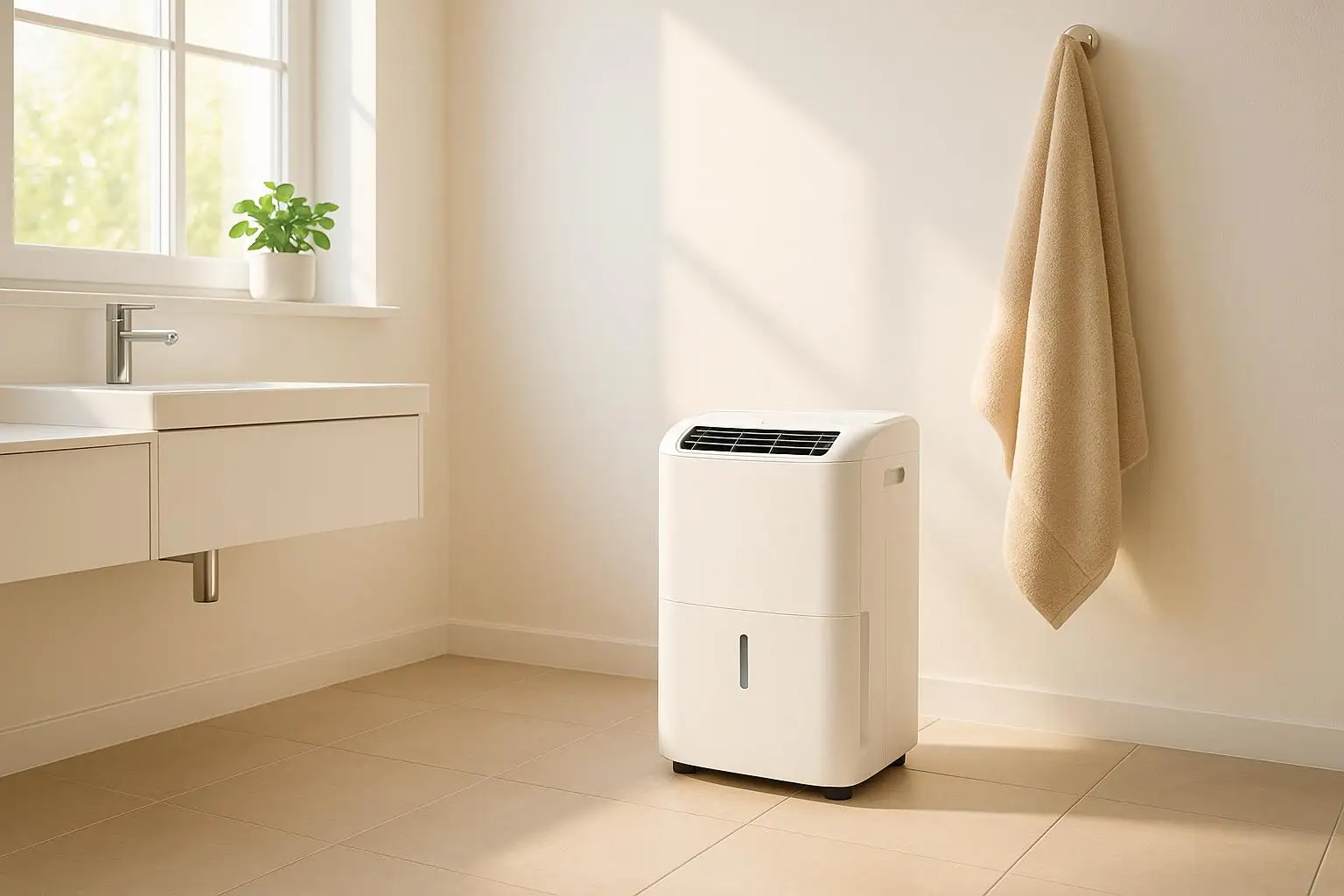
- Install Dehumidifiers: Whole-house dehumidifiers can maintain consistent humidity levels, especially in humid climates.
- Use a Hygrometer: A simple $12 humidistat can give you real-time humidity readings. Place it in a visible area to monitor levels regularly.
- Adjust Thermostat Settings: Contrary to popular belief, the temperature isn’t as important as humidity. For example, setting your thermostat to 77°F is fine as long as humidity stays under control.
2. Address Moisture Sources Immediately
Leaks and water intrusion are the primary causes of mold issues. Whether it’s a roof leak or a sprinkler hitting a window, identifying and fixing the source should always be your first step. As John notes, "If you’re not repairing the roof, you’re wasting your money and time fixing the ceiling."
3. Improve Air Circulation
Stagnant air creates pockets of high humidity, especially in closed spaces like closets or bathrooms. Simple fixes like opening closet doors, installing louvered doors, or running exhaust fans during and after showers can dramatically reduce moisture buildup.
When Mold Strikes: How to Respond
Step 1: Don’t Panic
Mold is often manageable. John advises homeowners to stay calm: "Mold reports are red flags for moisture, not necessarily for major health concerns." Focus on identifying the cause and addressing it promptly.
Step 2: Get a Professional Opinion
Home inspectors often provide general assessments, but they may not specialize in mold or water damage. Bring in a trusted mold remediation expert to verify findings and provide a detailed evaluation. This second opinion can prevent unnecessary expenses or exaggerated repair estimates.
Step 3: Clean and Sanitize
In many cases, surface mold can be wiped away with proper cleaning agents. For more extensive issues, professionals can sanitize the home, including air ducts, with antimicrobial treatments. John highlights a specific product used in high-security environments like the United States Capitol that is safe and effective for residential use.
The Role of Contracts and Inspections in Mold Mitigation
Understanding Real Estate Contracts
If you’re buying or selling property, it’s crucial to understand how mold and moisture issues are addressed in contracts. Not all agreements treat mold the same way:
- AS-IS Contracts: These are more flexible for buyers and sellers. If mold is discovered, the buyer can often renegotiate or cancel the deal.
- Standard Contracts: Mold may not always be considered a defect, particularly if it’s non-toxic or not airborne.
- Addendums: For added protection, a mold addendum can specify how remediation costs will be handled if mold is detected.
John emphasizes the importance of identifying the root cause of the issue before making decisions. "Know the answer before you ask the question", he advises. For example, if a swab test shows mold but the air quality is fine, the issue may be minor and easily addressed.
Real-Life Case Studies
Case 1: Misinterpreted Moisture Readings
In one scenario, a home inspector reported elevated moisture levels in a bathroom and recommended extensive remediation. John discovered that the inspector had used the wrong setting on a moisture reader, mistaking normal masonry dampness for an issue. A quick verification saved the homeowner tens of thousands of dollars.
Case 2: Overpriced Remediation Quotes
A high-end property received a $500,000 remediation quote for mold issues. John’s team completed the necessary work for $20,000, demonstrating the importance of seeking a second opinion and trusting a reliable specialist.
Key Takeaways
- Control Humidity: Keep indoor humidity below 55% to prevent mold growth.
- Act Fast on Leaks: Fix the source of water intrusion immediately before addressing any damage.
- Use a Hygrometer: Monitor your home’s humidity levels to stay proactive.
- Improve Airflow: Open closet doors and use exhaust fans to prevent stagnant moisture.
- Get a Second Opinion: Always verify mold reports and remediation estimates with a trusted expert.
- Understand Your Contract: Know whether your real estate agreement covers mold issues and add necessary addendums.
- Focus on the Cause: Mold is often a symptom of a larger issue, like leaks or poor ventilation. Fix the root cause before addressing the damage.
- Don’t Overreact to Small Issues: Common molds like aspergillus are often harmless and easily addressed with cleaning and sanitization.
Conclusion
Mold, water damage, and odors are challenges that can feel daunting, but they’re often preventable and manageable with the right approach. By focusing on humidity control, addressing moisture sources promptly, and seeking professional guidance, you can protect your property and ensure a healthy environment.
Whether you’re dealing with a current issue or looking to prevent future problems, staying informed and proactive is your best defense. Remember: it’s not just about fixing the damage, but about creating a home or workspace you can feel safe and comfortable in.
Source: "Mold Removal, Water Damage Restoration, Odor Removal, Disaster Clean-up, and more!" – Total Care Restoration YouTube, YouTube, Aug 27, 2025 – Watch Video
Use: Embedded for reference. Brief quotes used for commentary/review.
Related Blog Posts
Want to Learn More?
Read our comprehensive guide covering everything you need to know about this topic.
The Complete Guide to Water Damage Restoration in South FloridaNeed Professional Help?
Our expert team is ready to assist with your water damage restoration needs.
View Water Damage Restoration Services