How Professionals Assess Smoke Odor in Properties
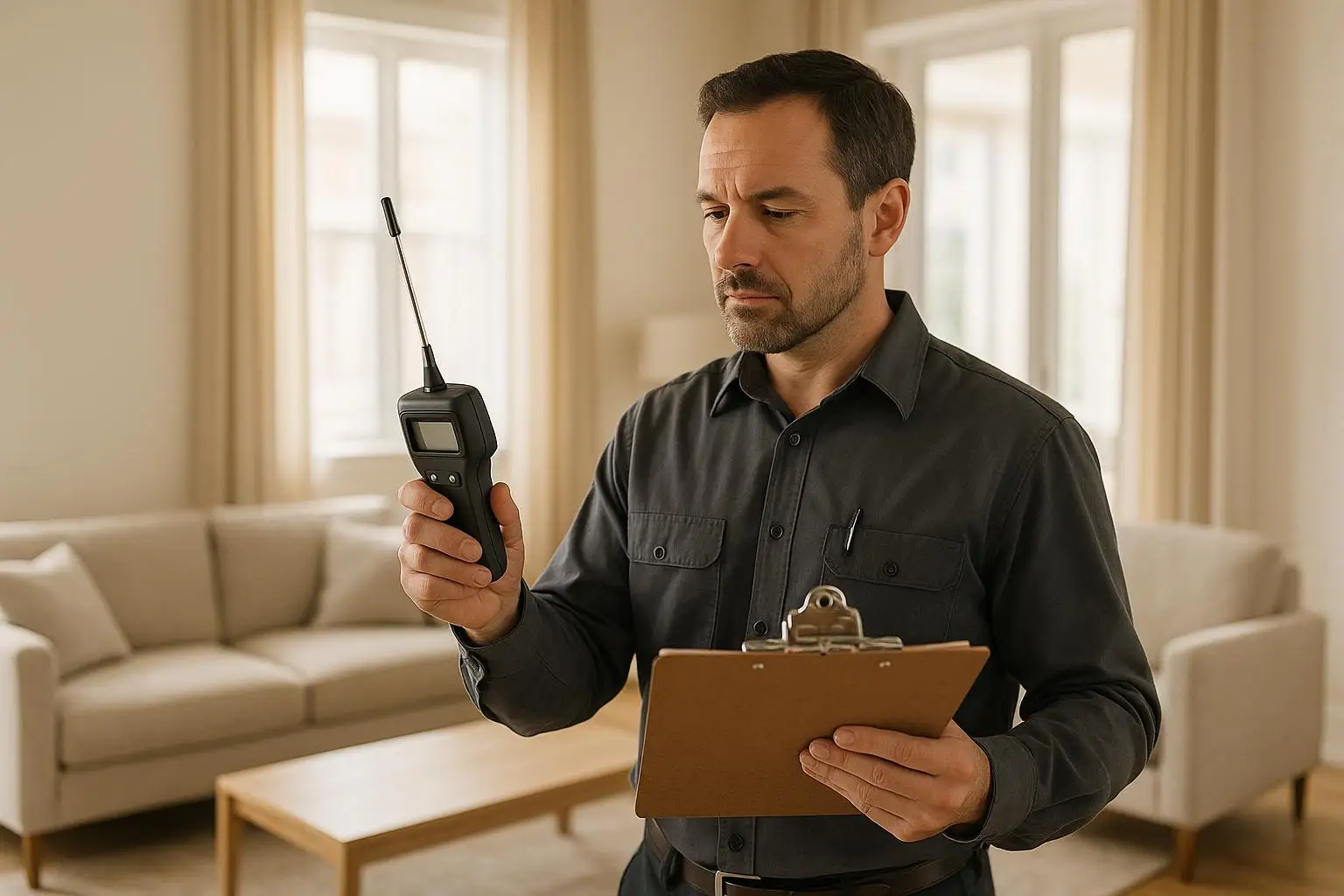
Smoke odor isn't just unpleasant. It signals harmful particles that pose health risks and lower property value.
Experts use advanced tools to detect and measure smoke contamination. Their assessments ensure thorough cleanup and proper insurance documentation.
Here's a quick breakdown:
- Why it matters: Lingering smoke contains Smoke Damage Long Term Effects And Restoration Techniques that may cause breathing issues and long-term damage.
- How experts assess: They inspect visible surfaces, test hidden areas (like HVAC systems), and use specialized tools.
- Key tools: Air quality monitors detect particles. Thermal imaging spots hidden damage. Top 7 Fire Odor Neutralization Techniques measure odor intensity.
- How To Safely Reenter Fire Damaged Properties: Detailed documentation ensures smooth insurance claims.
- Specialized methods: Techniques like Signs Of Structural Damage After A Fire, 7 Steps To Clean Smoke Damaged Items, and Air Quality Testing After Fire Damage identify full contamination.
Skipping a professional evaluation can lead to:
- Persistent odors
- Health risks
- Denied insurance claims
For effective remediation, expert assessments are essential.
Inside A Professional Fire Damage Soot Investigation Report REVEALED
Initial Property Inspection Steps
When tackling smoke contamination, experts start with a thorough inspection. Certified technicians follow a detailed process to find contamination, create a Fire Damage Restoration Guide, and develop a cleanup plan.
Visual Inspection of Damaged Areas
The first step is a careful room-by-room inspection.
What technicians examine:
- Walls, ceilings, and floors
- Furniture and personal items
- Smoke residue, stains, or discoloration
They pay special attention to porous materials:
- Carpets
- Upholstered furniture
- Drapes
- Painted walls
Smoke particles seep deep into these materials. This makes surface damage less obvious.
Specialized lighting helps detect residue patterns. These patterns reveal how smoke traveled through the property.
Rooms closer to the fire source show heavier staining. Areas farther away may only have faint signs of exposure.
Testing Materials and HVAC Systems
Visual checks are only part of the process. Testing is essential for finding hidden smoke particles.
Testing methods include:
- Adhesive tape tests – Measure soot on carpets, drapes, and upholstery
- Air quality testing kits – Detect airborne particles
- HVAC inspection – Check air filters, grates, and ductwork
HVAC systems are critical. Smoke particles can spread through air systems long after the fire. Testing can also reveal hidden contamination in:
- Wall cavities
- Insulation
- Poorly ventilated spaces
Technicians wear protective gear and ensure proper ventilation throughout.
Documentation for Insurance and Planning
Thorough documentation is key.
Technicians record:
- Photos and videos of visible damage
- Test results
- Affected areas
This serves two purposes:
- Supports insurance claims
- Creates a clear restoration plan
Records show the property's condition before and after remediation. This helps justify the scope of work for insurance.
Total Care Restoration offers a free initial evaluation (a $97 value). Their certified team is available 24/7 and works directly with insurance companies.
Tools and Equipment for Smoke Odor Assessment
Assessing smoke odors requires specialized tools. Professionals use advanced equipment to find hidden contamination.
Air Quality Monitors and Sampling Kits
Air quality monitors measure real-time levels of:
- Particulate matter (PM2.5, PM10)
- Carbon monoxide
- Volatile organic compounds (VOCs)
This data helps identify heavily contaminated areas and prioritize cleanup.
Professional-grade monitors detect microscopic smoke particles. These particles can circulate through a building long after visible smoke clears.
Sampling kits collect both airborne and surface samples for lab analysis. This targeted approach tailors remediation to exact contaminants present.
Thermal Imaging Cameras
Thermal imaging cameras spot hidden damage by detecting temperature differences.
They reveal:
- Areas where heat penetrated walls, insulation, or cavities
- Smoke residue in hard-to-reach places
- Contamination in HVAC ductwork and attics
Skilled operators are essential for accurate interpretation.
Moisture Meters and Odor Detectors
Moisture meters locate damp areas where smoke particles get trapped:
- Drywall
- Insulation
- Carpets
Odor detectors (electronic noses) measure smoke odor intensity. Unlike human smell, these devices quantify odor compounds. They're useful for documenting odor levels before and after remediation.
| Tool Type | Function | Pro vs. DIY |
|---|---|---|
| Air Quality Monitors | Measure airborne particles | Pro units are more precise |
| Sampling Kits | Collect surface and air samples | Lab analysis ensures accuracy |
| Thermal Imaging | Detect hidden heat signatures | Requires pro expertise |
| Moisture Meters | Locate water-damaged areas | Pros interpret data better |
| Odor Detectors | Quantify odor intensity | Pro devices are more accurate |
Methods for Evaluating Smoke Odor
Experts use specialized methods that go beyond surface inspections. These techniques uncover contamination extent and guide effective remediation.
Surface Sampling and Chemical Testing
Surface sampling collects contaminants from:
- Walls and ceilings
- Floors
- Personal belongings
Tools used:
- Swabs
- Adhesive tape
- Specialized wipes
Chemical testing methods:
- pH testing
- Ion chromatography
- Colorimetric analysis
These tests detect acidic residues, VOCs, and combustion byproducts.
Why source identification matters:
- Burning plastics create acidic residues that corrode metal
- Wood smoke penetrates deeply into porous surfaces
Knowing the source helps experts choose the right cleaning agents.
HVAC System Inspections
HVAC systems spread smoke particles throughout properties.
Signs of HVAC contamination:
- Visible soot inside ducts
- Smoke smell when system runs
- Dirty or discolored filters
Solutions may include:
- Cleaning or replacing filters
- Using specialized duct-cleaning tools
- Applying odor-neutralizing agents inside ducts
Technicians focus on:
- Return air ducts (which accumulate significant soot)
- Junctions where ductwork connects to living spaces
Structural Evaluations for Odor Removal
Porous materials absorb smoke particles deeply. These include:
- Drywall
- Insulation
- Carpets
- Fabrics
Tools for evaluation:
- Moisture meters
- Odor detectors
- Thermal imaging
Testing reveals how far contamination has spread.
If odors persist after cleaning:
- Seal surfaces with odor-blocking primers
- Replace affected materials entirely (in severe cases)
For deep penetration:
- Thermal fogging disperses deodorizing agents
- Ozone treatment oxidizes odor molecules
Some materials may release odors later due to temperature or humidity changes.
| Method | Purpose | When Applied |
|---|---|---|
| Surface Sampling | Identify contaminant types | All smoke damage assessments |
| Chemical Testing | Determine source materials | When source is unclear |
| HVAC Inspection | Prevent odor recirculation | Properties with forced air |
| Structural Assessment | Decide repair vs. replacement | Moderate to severe damage |
| Advanced Techniques | Address deep penetration | When standard methods fail |
Air quality monitors measure particulate levels and VOC concentrations before and after remediation. This confirms whether smoke odors have been eliminated.
Conclusion: The Importance of Professional Assessment
Professional assessment is critical for addressing smoke damage complexities.
Why it matters:
- Identifies hidden residues that harm health and lower property value
- Studies show 70% of fire-damaged properties have ongoing smoke odor issues without professional treatment
By combining visual inspections with advanced testing, pros find contamination that DIY methods miss. This includes hidden HVAC contamination and smoke particles deep in porous materials.
Key Points for Property Owners
Professional assessments offer clear advantages.
For example:
- HEPA filters used by experts capture up to 99.97% of airborne particles
- This precision is impossible with consumer-grade tools
Documentation benefits:
- Detailed reports are often required for insurance claims
- Without professional assessments, navigating insurance becomes much harder
Safety is always a priority:
- Restoration specialists follow strict protocols
- Techniques like ozone treatment can be risky without proper training
- Advanced methods (thermal fogging, hydroxyl generators, activated carbon scrubbing) need expert handling
Skipping professional remediation can lead to:
- Expensive consequences
- Decreased property value
- Health risks
- Recurring odor problems
How Total Care Restoration Can Help
Total Care Restoration specializes in smoke damage assessment and fire restoration. Their certified team identifies and restores affected spaces.
They offer:
- 24/7 emergency services
- Early intervention to prevent permanent odor embedding
- Direct insurance billing
"We will alleviate the stress associated with these types of situations by providing fast, effective, and transparent services from initial consultation through completion." – Total Care Restoration
For immediate support with smoke odor assessment and fire restoration, call Total Care Restoration at (305) 428-2192.
FAQs
Why should I hire a professional to assess smoke odor instead of handling it myself?
Professional evaluation is crucial because:
- Experts bring the right tools and expertise
- Smoke odor seeps into walls, furniture, and HVAC systems
- It's hard to eliminate without proper skills and equipment
Fire Damage Restoration pros uncover hidden damage and ensure comprehensive cleanup. Their 24/7 emergency services provide quick, dependable help.
How do professionals identify and measure smoke damage?
Experts use a mix of advanced tools and proven techniques:
- Air quality testing measures contamination levels
- Thermal imaging cameras detect hidden damage
- Visual inspections pinpoint residues and odors
By combining these approaches, technicians accurately assess damage and create customized restoration plans.
How do professionals document smoke damage to support insurance claims?
Professionals document everything meticulously:
- Detailed notes
- Clear photographic evidence
This streamlines insurance claims and creates a clear cleanup plan.
Total Care Restoration helps homeowners and businesses recover from smoke damage. They work directly with insurance companies for a smooth process. Available 24/7 for emergencies, they guide clients every step of the way.
Related Blog Posts
Want to Learn More?
Read our comprehensive guide covering everything you need to know about this topic.
The Complete Guide to Fire Damage RestorationNeed Professional Help?
Our expert team is ready to assist with your fire damage restoration needs.
View Fire Damage Restoration Services