Understanding Fire Damage
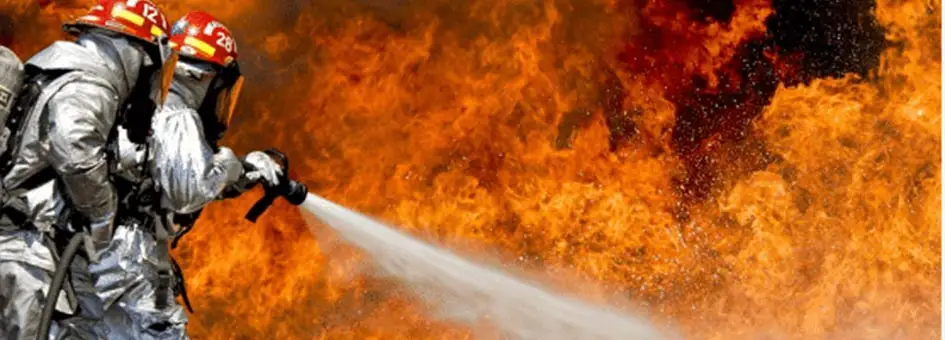
A fire in your home or business is one of the most traumatic events you can experience. Statistics from the NFPA reveal that roughly 375,000 homes catch fire each year in the United States. Nearly 2,600 lives are lost annually, with an $8 billion cost in property damage. While you can't predict a fire, you can make the recovery process easier by understanding how fire damage restoration works in Miami and the greater South Florida area.
Beyond the immediate danger, fire leaves behind a complex mix of damage that requires professional expertise to properly address. For residents across Miami-Dade, Broward, and Palm Beach counties, fire damage isn't just about what burned—it's about smoke, soot, water from firefighting efforts, and the structural integrity of your property.
This comprehensive guide will help you understand the full scope of fire damage and the professional restoration process that returns your property to a safe, livable condition.
Table of Contents
- Understanding Fire Damage
- What To Do Immediately After a House Fire
- Common Causes of House Fires
- Types of Fire Damage
- The Fire Damage Restoration Process
- How Long Does Fire Damage Restoration Take?
- Fire Damage Restoration Costs
- Fire Damage Safety Concerns
- What Can Be Saved After a Fire?
- Fire Damage Insurance Claims
- Preventing Fire Damage
- Choosing the Right Fire Damage Restoration Company
- When to Call a Professional
- Frequently Asked Questions
- Conclusion
What To Do Immediately After a House Fire
Experiencing a house fire can be overwhelming, and it's often difficult to know what steps to take once the flames are extinguished. Understanding the correct steps after a house fire and taking the right actions immediately can help protect your safety, preserve evidence for insurance claims, and prevent additional damage to your property.
If you are wondering about the first steps after fire damage, follow this guide:
1. Make Sure Everyone Is Safe
Your first priority should always be safety. Do not re-enter the property until the fire department has declared it safe. Fire can weaken structural components, create electrical hazards, and leave behind toxic smoke residue.
2. Contact Your Insurance Company
Notify your insurance provider as soon as possible to start the claims process. When considering what to do after fire damage, insurance policies typically require prompt reporting, and an adjuster may need to inspect the property before major cleanup begins.
3. Secure the Property
Fire often leaves openings in roofs, walls, doors, or windows. Securing the property with board-up services or tarps helps prevent:
- Weather damage
- Theft or vandalism
- Animals entering the property
4. Document the Damage
Before cleanup begins, take photos and videos of all affected areas. This documentation helps support your insurance claim and ensures the full extent of the damage is recorded.
5. Avoid Attempting Major Cleanup Yourself
Soot residue is acidic and can cause permanent damage if improperly cleaned. Additionally, smoke particles can pose health risks when inhaled. Professional fire damage restoration companies use specialized equipment to safely remove soot, smoke, and water damage. Trying to handle house fire cleanup steps on your own can lead to costly mistakes.
6. Contact a Professional Fire Damage Restoration Company
A professional restoration team can quickly stabilize the property and begin the cleanup process. Early intervention helps prevent further structural damage, corrosion, and lingering smoke odors.
If your property has experienced fire damage, contacting a restoration professional as soon as possible can significantly improve the recovery process.
Common Causes of House Fires
Understanding how fires start can help with both prevention and restoration planning. Here are the most common causes of house fires:
Cooking Equipment
Kitchen fires are the leading cause of house fires. Part of this is due to homeowners not knowing how to properly handle grease fires, but other issues include burning stoves or leaving ovens unattended. Never leave cooking unattended and keep flammable materials away from heat sources.
Home Heaters
Space heaters and other heating equipment are common fire starters, especially during winter months. Faulty wiring in electrical heaters can lead to fire hazards. Proximity to fabrics, curtains, and other flammable materials also contributes to heating-related fires.
Smoking and Candles
It's very common to find fire damage caused by smoking materials or unattended candles. A single ash or contact with a candle flame can ignite curtains, bedding, or other flammable materials in seconds.
Chemicals and Electrical Issues
Certain household chemicals like motor oil or cleaning liquids have the potential to ignite under specific conditions. Electrical fires—including overloaded circuits, damaged wiring, and faulty appliances—are also significant fire hazards.
In general, a lot of fire prevention comes down to being thorough and attentive, making sure that you monitor fire hazards at all times.
Types of Fire Damage
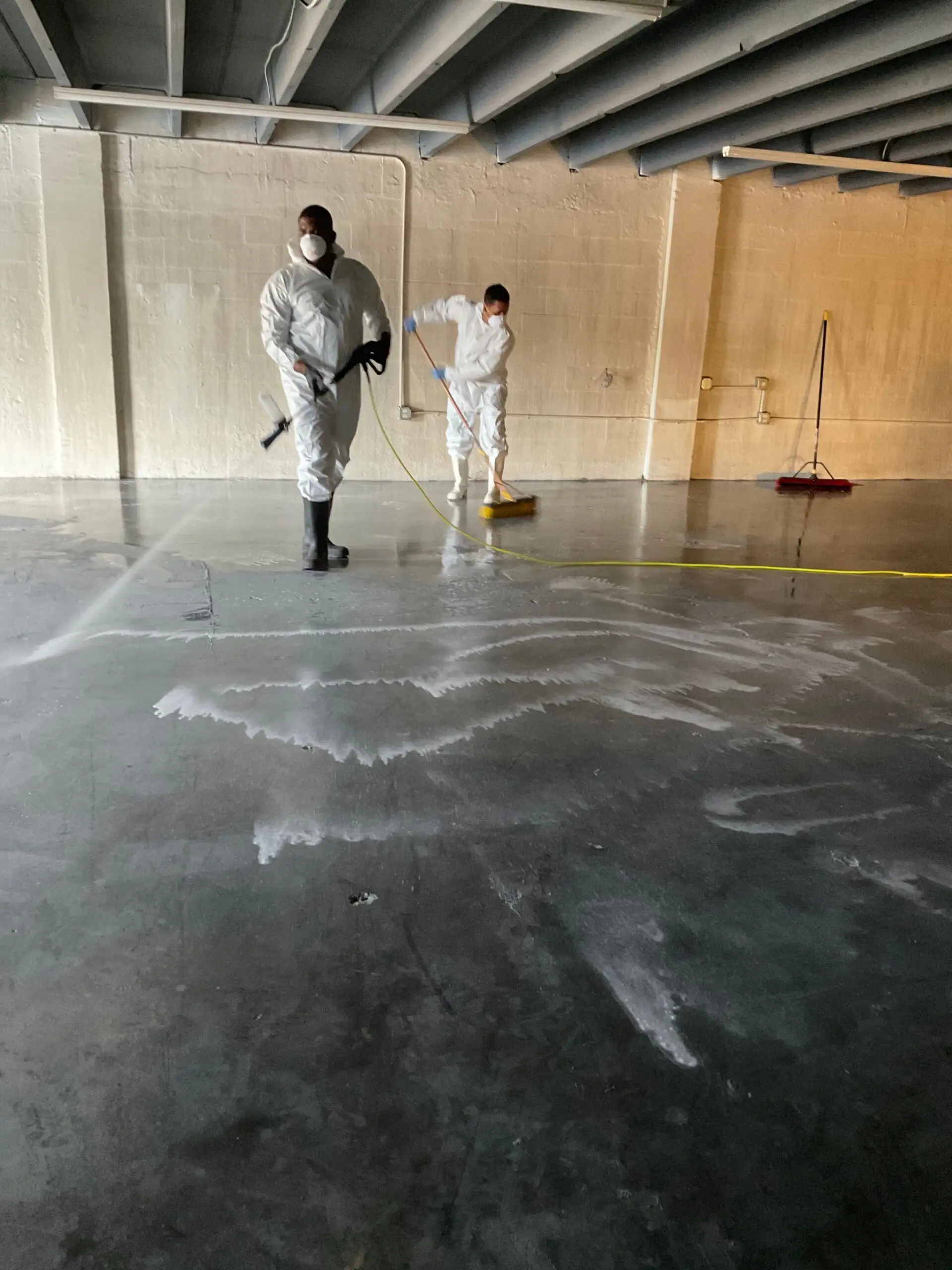
Fire damage extends far beyond what's visibly burned. Understanding the different types of damage helps you appreciate why professional restoration is essential.
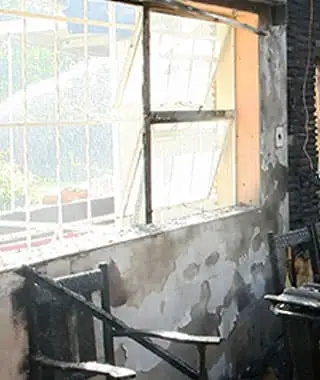
Direct Fire Damage
Direct fire damage occurs where flames made contact with materials:
- Charring: The intense heat burns the outer layers of your wood beams, studs, and drywall, leaving a blackened, weakened surface.
- Complete destruction: The flames entirely consume materials like fabrics, papers, and plastics, reducing them to ash.
- Structural compromise: The prolonged, extreme temperatures weaken steel beams and concrete, making the building unsafe to enter until shored up.
- Heat damage: Objects far from the actual flames warp, melt, or blister simply from the intense radiant heat filling the room.
Smoke Damage
Smoke damage often extends throughout a property, even to areas the fire never reached:
- Visible soot deposits: Black or gray residue on surfaces
- Smoke odor: Penetrates porous materials and HVAC systems
- Discoloration: Yellowing or staining of walls, ceilings, and fabrics
- Corrosion: Smoke residue is acidic and continues damaging metal surfaces
The reason smoke smell can be so difficult to eliminate is that particles tend to get stuck in carpet, upholstery, and porous surfaces. Byproducts of smoke and soot can lead to respiratory issues as well as irritation of the skin and eyes, according to the American Institute for Conservation.
Soot Damage
Soot is the black residue left by incomplete combustion. Different fires produce different types of soot:
Dry Soot: From fast-burning, high-temperature fires (like wood or paper). It's powdery and relatively easy to clean but can smear if improperly handled.
Wet (Oily) Soot: From slow-burning, low-temperature fires with restricted oxygen (like plastics, rubber, or smoldering fires). It's sticky, smears easily, and is more difficult to clean.
Protein Residue: From kitchen fires involving burned food. Nearly invisible but produces strong, persistent odors.
Fuel Oil Soot: From furnace or fuel storage fires. Dense, sticky, and challenging to remove.
Water Damage from Firefighting
Firefighting efforts often cause significant secondary damage:
- Standing water from fire hoses
- Water penetrating walls and ceilings
- Structural saturation
- Risk of mold growth if not properly dried
Not only does water potentially render furniture and valuables unusable, but water that isn't dried quickly can help mold grow within 24-48 hours. In some cases, firefighters may also need to break through doors and windows to control the spread of flames, creating additional damage.
The Fire Damage Restoration Process
Professional fire damage restoration follows a systematic approach to address all types of damage safely and thoroughly.
Step 1: Emergency Contact and Securing the Property
The restoration process begins as soon as it's safe to enter the property:
Emergency Board-Up: Open windows, doors, and holes in walls or roofs are secured to prevent weather damage, vandalism, and unauthorized entry.
Roof Tarping: If the roof is damaged, tarps are installed to prevent water intrusion.
Initial Assessment: Restoration professionals evaluate the extent of fire, smoke, soot, and water damage.
Safety Evaluation: The property is checked for structural hazards, electrical dangers, and other safety concerns.
Step 2: Damage Assessment and Documentation
A thorough assessment is critical for both restoration planning and insurance claims:
- Detailed inspection of all affected areas
- Photo and video documentation of damage
- Inventory of damaged contents
- Moisture mapping if water damage is present
- Air quality testing in some cases
- Restoration scope development
Step 3: Water Removal and Drying
If firefighting water is present, it must be addressed immediately to prevent mold:
- Water extraction using professional equipment
- Structural drying with dehumidifiers and air movers
- Moisture monitoring to ensure complete drying
- Antimicrobial treatment to prevent mold growth
Step 4: Soot and Smoke Removal
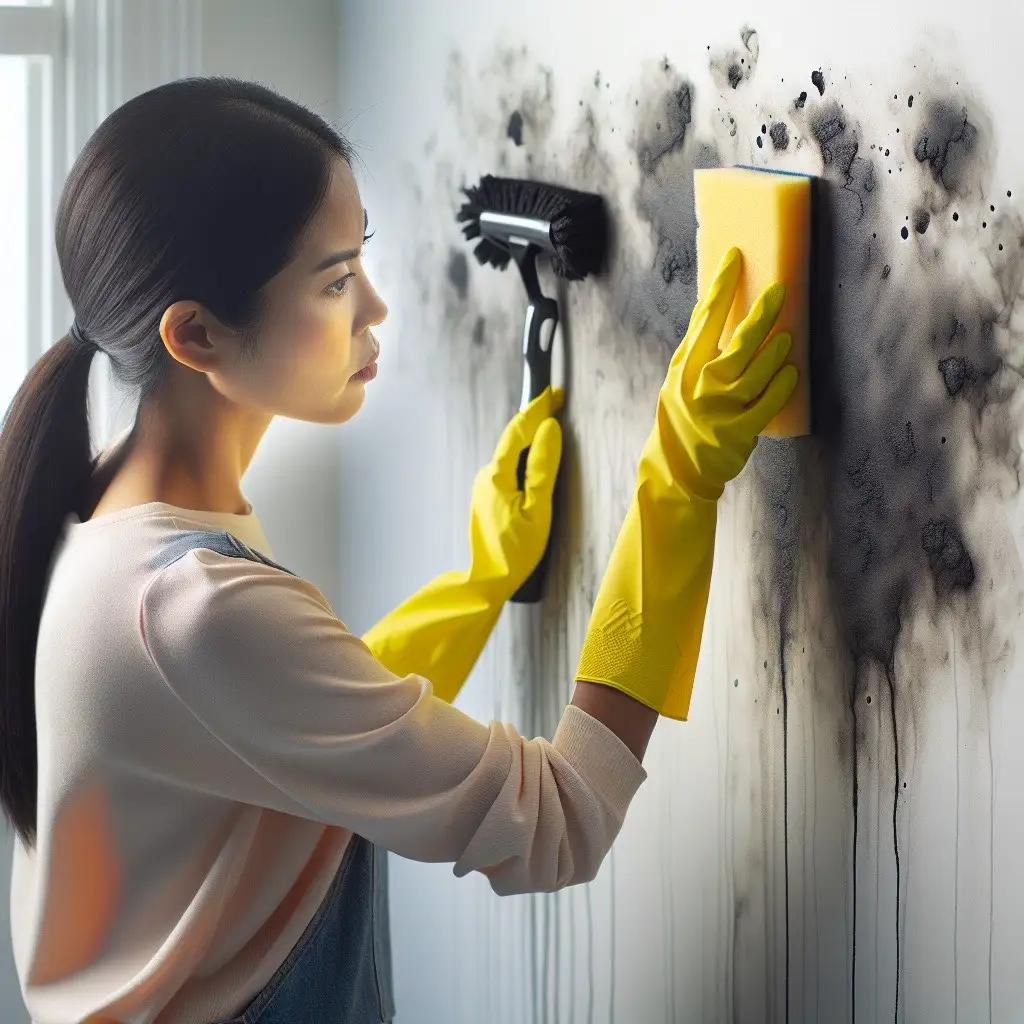
Removing soot and smoke residue requires specialized techniques:
Surface Cleaning: Different surfaces require different approaches:
- HEPA vacuuming to remove loose soot particles
- Dry cleaning (chemical sponges) for delicate surfaces
- Wet cleaning for non-porous surfaces
- Abrasive cleaning for heavily soiled areas
For guidance on proper removal methods, see our article on Safe Disposal of Fire Damaged Materials.
Content Cleaning: Salvageable belongings are cleaned using appropriate methods:
- Electronics require specialized cleaning
- Fabrics may need dry cleaning or laundering
- Hard goods are wiped and deodorized
- Documents and photos may need freeze-drying
You can also learn about Top 5 Soot Cleaning Services available for thorough restoration.
HVAC Cleaning: Smoke travels through ductwork, depositing soot throughout:
- Duct cleaning and sanitization
- Filter replacement
- Blower and coil cleaning
- System evaluation
Sand Blasting for Structural Wood: Roof framing, beams, and joists coated in soot and char often need more than chemical cleaning. Sand blasting (abrasive blasting) physically removes embedded residue, revealing the natural wood and often saving structural members from replacement. It's necessary when soot has penetrated deeply, when wood needs a clean surface for sealing or refinishing, or when odor persists because residue remains trapped in the grain. See our article on When and How to Use Sand Blasting After a Fire for details.
Step 5: Odor Elimination
Smoke odor is one of the most challenging aspects of fire restoration:
Thermal Fogging: Creates a deodorizing fog that penetrates materials the same way smoke did, neutralizing odors at the source.
Ozone Treatment: Ozone generators oxidize odor-causing molecules. The property must be unoccupied during treatment.
Hydroxyl Generators: Produce hydroxyl radicals that neutralize odors while being safe for occupied spaces.
Sealing: In severe cases, affected surfaces are sealed with odor-blocking primers before refinishing.
Step 6: Structural Repairs and Reconstruction
Once cleaning is complete, repairs restore the property to pre-loss condition:
Minor Repairs:
- Drywall patching and replacement
- Painting with odor-sealing primers
- Trim and molding replacement
- Flooring repairs
Major Reconstruction:
- Structural repairs and reinforcement
- Electrical and plumbing repairs
- Complete room reconstruction
- Roof repairs or replacement
How Long Does Fire Damage Restoration Take?
A common question property owners ask is, "How long does fire cleanup take?" The fire restoration timeline depends entirely on the extent of the damage, the size of the property, and the materials affected.
While every situation is unique, here is a general idea of the fire repair time you can expect:
- Minor Smoke Damage (1 to 3 days): If the fire was contained to a single room (like a small kitchen fire) and primarily caused smoke or light soot damage, professionals can often clean, deodorize, and restore the area in a matter of days.
- Moderate Fire and Smoke Damage (1 to 3 weeks): When flames, smoke, and firefighting water affect multiple rooms, the process takes longer. This timeline includes water extraction, drying, comprehensive soot removal, and minor repairs like replacing drywall or flooring.
- Severe Fire and Structural Damage (Several weeks to months): For extensive fires that compromise the building's structural integrity, the restoration process involves major reconstruction. Rebuilding roofs, replacing electrical systems, and completely restoring the property's interior can take several months.
Factors that can extend your fire restoration timeline include delays in insurance claim approvals, the time required to clean salvageable contents (like furniture and textiles) at an off-site facility, and local permitting processes for major reconstruction. Acting quickly to secure the property and begin cleanup is the best way to keep your fire repair time as short as possible.
Fire Damage Restoration Costs
Fire damage restoration is an expensive but necessary process. It involves repairing structural damage, removing smoke and soot from walls and surfaces, and restoring furniture and belongings.
The cost depends on the extent of the damage, the size of the affected area, and the materials and labor needed to complete the work.
Stress-test repair costs before you meet adjusters
Fire bills swing with square footage, smoke versus structural damage, and contents work. Run the estimator below to see how your inputs compare to typical ranges—then bring sharper questions to your insurer and restoration contractor.
Methodology and expanded FAQs: Fire Damage Repair Estimator
Average Fire Damage Restoration Costs by Size
| Square Footage | Estimated Cost |
|---|---|
| 500 sq ft | $2,500 – $4,500 |
| 1,000 sq ft | $4,500 – $6,500 |
| 2,000 sq ft | $6,500 – $12,500 |
| 3,000 sq ft | $12,500 – $19,000 |
| 4,000 sq ft | $19,000 – $29,000 |
These are averages based on our experience with fire damage restoration projects. The more extensive the damage, the higher the expenses. Factors that affect cost include:
- Severity and type of fire damage
- Amount of smoke and soot contamination
- Water damage from firefighting efforts
- Structural repairs needed
- Content cleaning and restoration
- Geographic location
Fire Damage Safety Concerns
Fire-damaged properties present several safety hazards:
Structural Integrity
Fire can weaken structural elements without visible signs. Never enter a fire-damaged property until it's been cleared by fire department officials or structural engineers.
Air Quality
Smoke and soot particles are harmful to breathe. Professional-grade respirators should be worn in fire-damaged properties, and air scrubbers should be used during restoration.
Electrical Hazards
Fire and water damage can create electrical dangers. Have an electrician evaluate and clear the electrical system before power is restored.
Hidden Hazards
- Asbestos may be present in older homes and can be disturbed by fire damage
- Lead paint may have been affected
- Chemical residues from burned materials
What Can Be Saved After a Fire?
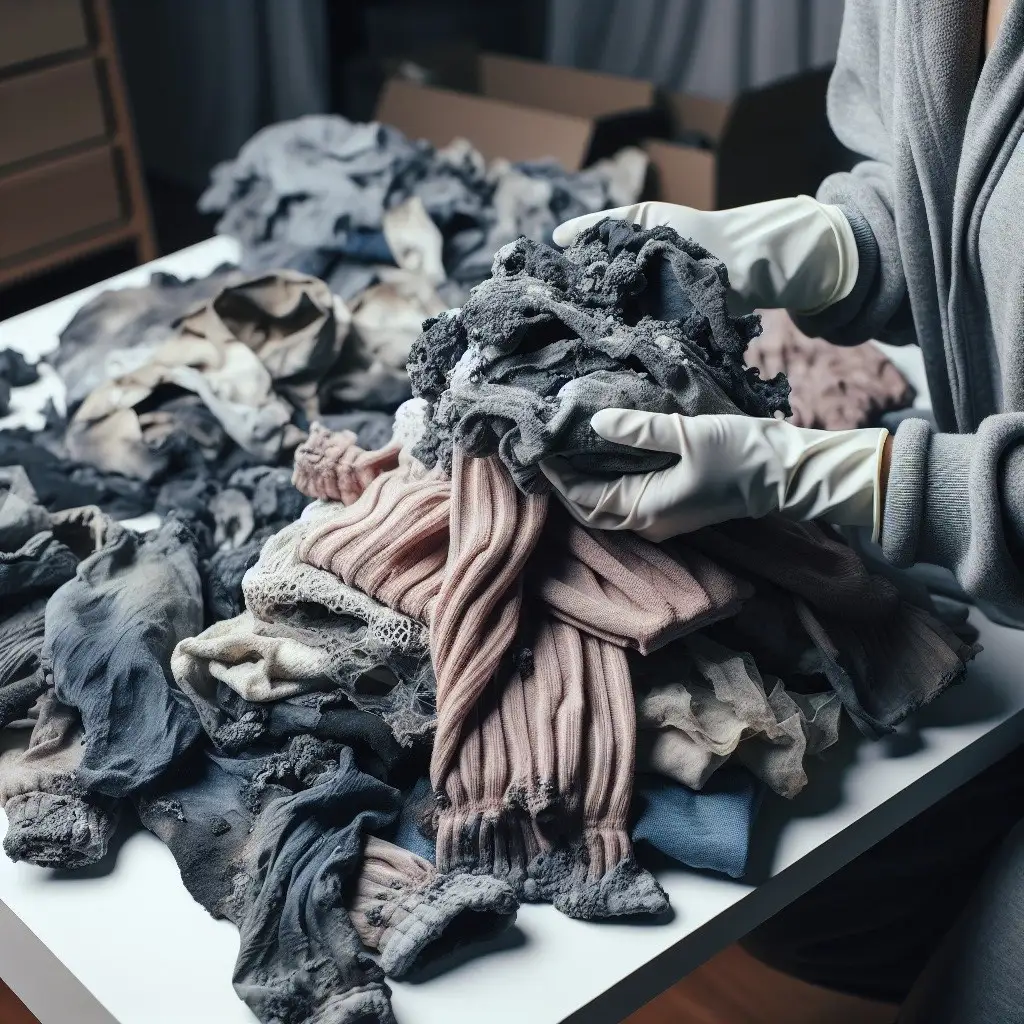
One of the most common questions after a fire is what belongings can be salvaged:
Often Salvageable
- Hard-surface furniture (with proper cleaning)
- Most appliances (with professional evaluation)
- Dishes and cookware
- Metal items
- Some electronics (with specialized cleaning)
- Photographs (with professional restoration)
- Many documents
Rarely Salvageable
- Heavily burned items
- Items with melted plastics
- Food and medications
- Cosmetics and toiletries
- Severely smoke-damaged upholstery
- Items with deeply penetrated odors
Requires Professional Evaluation
- Electronics and computers
- Artwork and collectibles
- Clothing and fabrics
- Books and documents
- Soft furnishings
Fire Damage Insurance Claims
Most homeowners and business insurance policies cover fire damage. Here's how to navigate the process:
Immediate Steps
- Contact your insurance company to report the loss
- Document everything with photos and video before cleanup begins
- Save receipts for any emergency expenses
- Don't discard items until the adjuster has seen them
- Request an advance for immediate needs if necessary
Working with Adjusters
- Be present for all inspections
- Point out all damage, including hidden areas
- Provide detailed inventories of damaged contents
- Get multiple estimates for major repairs
- Consider hiring a public adjuster for complex claims
Common Coverage Questions
What's typically covered:
- Structural damage and repairs
- Content replacement or restoration
- Additional living expenses while displaced
- Smoke and soot damage
- Water damage from firefighting
What may not be covered:
- Arson by the insured
- Vacant property fires (may have limitations)
- Code upgrade requirements
- Consequential damages
Preventing Fire Damage
Prevention is always better than restoration:
Kitchen Safety
- Never leave cooking unattended
- Keep flammable materials away from stovetops
- Clean grease buildup regularly
- Have a fire extinguisher within reach
- Know how to handle grease fires (never use water)
Electrical Safety
- Don't overload outlets or power strips
- Replace damaged cords immediately
- Have electrical systems inspected regularly
- Use proper wattage bulbs in fixtures
- Update older electrical systems
Heating Safety
- Maintain 3-foot clearance around space heaters
- Have furnaces and chimneys inspected annually
- Clean dryer vents regularly
- Never use ovens or stovetops for heating
General Fire Safety
- Install smoke detectors on every level
- Test smoke detectors monthly
- Replace batteries annually
- Create and practice a fire escape plan
- Keep fire extinguishers accessible and know how to use them
Choosing the Right Fire Damage Restoration Company
Compared to other restoration services, fire damage restoration is probably the least likely to be performed on your own due to the scale of work, specialized equipment needed, and safety concerns. Choosing the right restoration company is essential.
What to Look For
Proper Licensing and Insurance: Make sure the company follows proper safety practices and has adequate insurance. This protects both their workers and your property. Take a close look at their licenses and insurance certificates.
IICRC Certification: Look for IICRC-certified technicians who understand:
- Different soot types and appropriate cleaning methods
- Proper handling of contaminated materials
- Effective odor elimination techniques
- Structural evaluation and repair
- Safe handling of hazardous materials
References and Reviews: Ask for references from previous customers. Check online reviews and ratings. A reputable company should be happy to provide this information.
Avoiding Scams
Many people are desperate for help after house fires, which unfortunately attracts scammers. Be cautious of:
- Companies demanding large upfront payments
- Unusually low prices that seem too good to be true
- High-pressure sales tactics
- Companies without verifiable licenses or insurance
- Anyone who shows up unsolicited after a fire
Be patient and do your research. Asking for references and verifying credentials will help you avoid fly-by-night services that don't do the job properly.
Why Professional Restoration Matters
Specialized Equipment: Professional restoration requires industrial air scrubbers, HEPA filtration, commercial-grade dehumidifiers, ozone generators, thermal foggers, ultrasonic cleaning equipment, and specialized cleaning chemicals.
Insurance Documentation: Professional restoration provides detailed damage documentation, industry-standard reporting, direct communication with adjusters, and proof of proper restoration methods.
Complete Restoration: Professional restoration ensures all damage is identified (even hidden issues), proper cleaning methods prevent re-soiling, odors are eliminated (not masked), and health and safety hazards are fully addressed.
When to Call a Professional
Contact a fire damage restoration professional immediately if you've experienced:
- Any fire damage, regardless of size
- Smoke or soot damage throughout your property
- Water damage from firefighting efforts
- Persistent smoke odors
- Uncertainty about the extent of damage
Even small fires can cause hidden damage. A professional assessment ensures nothing is missed and your property is safe.
Frequently Asked Questions
Is it safe to stay in a house after a fire? Even if the fire was small, it is generally not safe to stay in the house until a professional clears it. Smoke and soot particles are toxic and can cause serious respiratory issues. Additionally, the property may have hidden structural damage or electrical hazards.
How long does fire damage restoration take? The timeline for fire damage restoration varies widely based on the severity of the damage. Minor smoke damage might take a few days to clean, while major structural reconstruction could take several weeks to months. For more details, see our section on the fire restoration timeline.
Will my insurance cover fire damage restoration? Most standard homeowners and business insurance policies cover fire damage, including the cost of temporary living expenses if you are displaced. However, it's critical to document everything and consult your policy for any specific limits or exclusions.
Can the smell of smoke be completely removed? Yes, but it requires professional equipment. Simply cleaning surfaces or using consumer air fresheners will only mask the odor. Professionals use ozone treatments, hydroxyl generators, and thermal fogging to neutralize smoke odors at a molecular level.
Conclusion
Fire damage restoration is a complex process that requires expertise, specialized equipment, and attention to detail. From initial board-up and water removal to final odor elimination and reconstruction, every step matters.
If you're facing fire damage, don't try to handle it alone. Contact our team for a free assessment. We're available 24/7, work directly with insurance companies, and have the expertise to restore your property properly.
Remember: Fire damage continues even after the flames are out. Soot is acidic and keeps damaging surfaces. Smoke odors become more difficult to remove over time. The sooner professional restoration begins, the better the outcome.
About the Author
Alejandro Diaz is an IICRC-Certified restoration expert and licensed plumber with extensive experience navigating the unique property damage challenges of South Florida. As a leading specialist in disaster recovery, Alejandro combines his deep technical knowledge with a commitment to providing the Miami and South Florida community with the highest standard of emergency restoration services.
Need Professional Assistance?
Our certified technicians are available 24/7 to help with your restoration needs. Get a free assessment and expert guidance for your specific situation.