How to Choose the Right PPE for Property Restoration
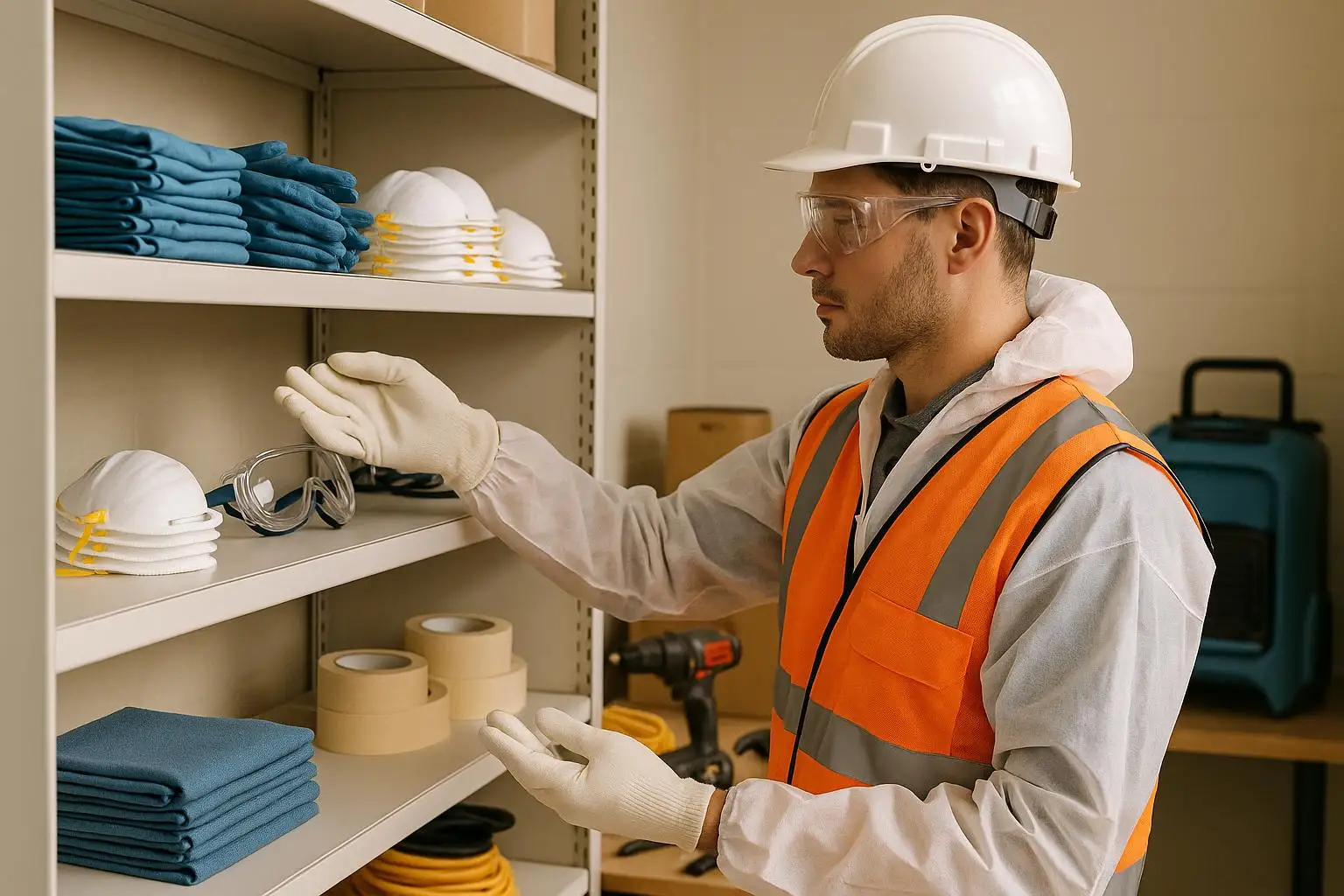
Choosing the right personal protective equipment (PPE) is critical for staying safe in Commercial. Workers face risks like mold, toxic chemicals, falling debris, and unstable structures. Without proper PPE, injuries, respiratory issues, and long-term health problems are common. Employers must follow OSHA regulations to ensure safety.
Key PPE Types for Restoration:
- Respiratory Protection: N95 masks, full-face respirators, or PAPRs for airborne hazards.
- Body Protection: Waterproof suits, disposable coveralls, or flame-resistant clothing.
- Hand, Eye, and Foot Safety: Nitrile gloves, ANSI-approved goggles, and steel-toed boots.
How to Choose the Right PPE:
- Assess Hazards: Identify risks like mold, chemicals, or structural instability.
- Match PPE to Risks: Use respirators for airborne threats, gloves for chemicals, and boots for physical hazards.
- Ensure Proper Fit: Ill-fitting PPE can fail; use CDC or ANSI-certified gear.
Using the right PPE ensures safety, reduces injuries, and improves outcomes in restoration work.
Getting to know your Tools – Personal Protective Equipment (PPE)
Common Hazards in Property Restoration
Working on property restoration sites can expose both workers and property owners to a range of dangers. Identifying these risks is a crucial first step in choosing the right personal protective equipment (PPE). By understanding the specific threats at hand, it becomes easier to ensure safety measures are tailored to the situation.
Biological Hazards
Emergency Water Damage Checklist: First 24 Hours creates the perfect environment for mold to thrive, often within just 24–48 hours. Mold spores can quickly become airborne, leading to respiratory issues, allergies, and even skin infections. Total Care Restoration, a leader in Mold Remediation, frequently encounters these challenges, highlighting how serious they can be.
Water-damaged areas also bring the risk of harmful bacteria, especially when sewage or floodwater is involved. These microorganisms can enter the body through cuts, inhalation, or contact with the eyes, nose, or mouth, potentially causing infections or gastrointestinal problems. Other biological threats include animal waste and decomposing organic matter, which can carry diseases and worsen respiratory conditions.
Chemical and Toxic Hazards
Fire-damaged properties present their own set of dangers, including exposure to asbestos fibers, lead dust, and volatile organic compounds (VOCs). These substances can lead to respiratory issues, headaches, and even long-term health problems like cancer and neurological damage. Asbestos and lead, in particular, are linked to serious conditions such as lung cancer and mesothelioma.
Additionally, residues from burned plastics and synthetic materials, combined with the use of strong cleaning agents during restoration, can irritate the skin, cause chemical burns, or harm the respiratory system. The combination of these chemical hazards demands strict safety protocols to protect workers.
Physical Hazards
Restoration sites are often littered with debris like broken glass, exposed nails, and sharp metal fragments, which can cause injuries such as cuts or puncture wounds. Poor lighting or low visibility can make these risks even more dangerous.
Structural instability is another major concern. Fire and water damage can weaken floors, walls, and ceilings, increasing the likelihood of collapses, crush injuries, or falls. Wet surfaces, whether from standing water or cleaning solutions, heighten the risk of slipping, while exposed electrical wiring in water-damaged areas poses a serious electrocution hazard.
The specific mix of hazards varies depending on the type of restoration project. For instance, water damage often brings biological risks and slippery surfaces, while Fire Damage Restoration is more likely to involve chemical exposure and structural instability. Mold remediation, on the other hand, requires strict respiratory protection due to airborne biological threats. Understanding these diverse risks is essential to selecting the right PPE for each unique situation.
Types of PPE for Property Restoration
When it comes to restoration work, having the right personal protective equipment (PPE) is critical. It’s not just about following safety protocols – it’s about making sure workers are protected from serious health risks. Understanding the main categories of PPE allows restoration professionals to tailor their approach to specific hazards. Below, we’ll break down the essential types of PPE and how they address different risks.
Respiratory Protection
Airborne hazards are a constant concern in restoration work, and respiratory protection is a must. For many projects, N95 respirators are the go-to option. These masks filter out at least 95% of airborne particles, including mold spores and bacteria, and typically cost between $1 and $3 per mask.
For more hazardous conditions, half-face and full-face respirators provide a higher level of protection. The 3M 6000 Series, priced between $50 and $200, is a popular choice. These respirators are reusable and feature replaceable filters. Full-face models add an extra layer of protection by covering both the respiratory system and the face, making them ideal for dealing with asbestos, heavy chemical contamination, or large-scale mold remediation.
In the most dangerous environments, Powered Air Purifying Respirators (PAPRs) are the top choice. These battery-powered systems actively filter air and maintain positive pressure, ensuring contaminants don’t enter even if the seal isn’t perfect.
No matter the type, all respiratory equipment must be NIOSH-certified to meet federal safety standards. Using the wrong respirator can create a false sense of security and leave workers vulnerable to harmful particles.
Body and Skin Protection
Protecting the skin from direct contact with contaminants is just as important. Disposable coveralls, such as DuPont suits, are a common choice. These suits are made from microporous fabric that blocks particles while allowing moisture vapor to escape, keeping workers cooler during long shifts. They typically cost between $5 and $15 per suit.
For water damage restoration, waterproof gear is essential. Waterproof aprons and coveralls shield workers from contaminated water, cleaning chemicals, and biological hazards often present in flood-damaged properties. It’s crucial that this gear provides full coverage without restricting movement.
Fire restoration comes with its own set of challenges, requiring flame-resistant clothing. These garments are designed to withstand high temperatures and protect against chemical residues left behind in fire-damaged structures. Matching the clothing material to the specific hazards ensures maximum safety.
Hand, Eye, and Foot Protection
Hands, eyes, and feet are particularly vulnerable on restoration sites, so proper protection is non-negotiable. Chemical-resistant gloves are vital for shielding hands from cleaning agents, biological contaminants, and toxic residues. Since different glove materials protect against different chemicals, selecting the right type is essential to avoid burns or skin absorption.
For eye protection, safety goggles that meet ANSI Z87.1 standards are a basic requirement. These goggles guard against splashes and airborne particles. In situations with higher risks, face shields provide additional protection against splashes and impacts. However, face shields should always be used alongside goggles since they don’t provide a complete seal around the eyes.
When it comes to foot protection, steel-toed boots are indispensable. These boots, which meet ASTM F2413 standards, protect against crushing injuries, punctures, and even electrical hazards. They typically cost between $50 and $150 and often feature non-slip soles for stability on wet surfaces. Waterproof versions are especially important for flood restoration work or jobs involving standing water.
| PPE Type | Example Products | Typical Price Range | Protection Offered |
|---|---|---|---|
| N95 Respirator | 3M 8210, 3M 8511 | $1 – $3 | Filters 95% of airborne particles |
| Full-Face Respirator | 3M 6000 Series | $50 – $200 | Respiratory and facial protection |
| Disposable Coverall | Tyvek Suit, 3M 4520 | $5 – $15 | Barrier against particulates and moisture |
| Steel-Toed Boots | Timberland PRO, Wolverine | $50 – $150 | Impact, puncture, and water resistance |
The effectiveness of PPE depends on proper selection, fit, and consistent use. Poorly fitting respirators or uncomfortable clothing can compromise safety, as workers may adjust or remove their gear. Regular inspections and timely replacement of PPE ensure it remains reliable throughout the restoration process.
How to Choose the Right PPE
Understanding the specific hazards of a site is crucial when selecting the right personal protective equipment (PPE). Start by assessing the conditions and matching PPE to the identified risks.
Conducting a Hazard Assessment
Before using any protective gear, take the time to identify potential hazards at the site. A thorough hazard assessment involves both a visual inspection and a review of relevant documents like Safety Data Sheets (SDS). This combination helps create a complete understanding of the risks.
During the visual inspection, look for signs such as mold, standing water, debris, chemical residues, or unusual odors that might indicate the presence of toxic gases. Consider the history of the property as well – sewage backups, for example, pose different risks compared to a clean water leak. Similarly, fires involving synthetic materials produce different airborne hazards than those involving natural materials.
Physical hazards are another critical factor. Check for unstable structures, damaged electrical wiring, or slippery surfaces. These conditions will influence the type of protective gear needed, such as footwear, hard hats, or other safety equipment.
Matching PPE to Hazard Type
Once you’ve identified the hazards, select PPE that directly addresses each risk. Use the information from your hazard assessment and SDS to guide your choices.
- Biological Hazards: For risks like mold spores or bacteria, the goal is to prevent inhalation and skin contact. Respirators and full-body protective clothing are often required.
- Airborne Hazards: Depending on the level of contamination, choose respirators with the appropriate filtration capabilities.
- Chemical Hazards: Not all gloves or protective materials are suitable for every chemical. Use the SDS to select gloves and other equipment that can provide effective protection against specific substances.
- Physical Hazards: Gear like steel-toed boots (meeting ASTM F2413 standards) and cut-resistant gloves (rated under ANSI/ISEA 105) can protect against injuries from falling debris or sharp materials.
For fire cleanup, where environments may contain chemical residues, airborne particles, and debris, prioritize PPE that addresses the most severe risks in each category to ensure comprehensive protection.
Ensuring Proper Fit and Certification
Even the best PPE won’t protect you if it doesn’t fit correctly or meet established safety standards. Proper fit ensures a tight barrier against hazards, while certifications like those from NIOSH or ANSI confirm the equipment’s reliability.
- Fit Testing: OSHA-mandated fit tests ensure items like respirators form a proper seal. Facial hair can interfere with this seal, so OSHA requires clean-shaven faces where the respirator contacts the skin. If shaving isn’t an option, powered air-purifying respirators (PAPRs) with loose-fitting hoods are a practical alternative.
- Certification: Look for PPE that meets recognized standards. A high price tag doesn’t guarantee better protection – proper fit and certification are what truly matter.
Routine maintenance and inspections are essential for ensuring PPE remains effective. Disposable items should be discarded after use or if visibly soiled. Reusable gear must be cleaned regularly and checked for wear, such as cracks or degraded seals. Damaged or ill-fitting equipment should be replaced immediately to maintain protection.
| Assessment Factor | What to Look For | PPE Implications |
|---|---|---|
| Airborne Particles | Visible dust, mold spores, debris | N95 respirators for most cases; higher-level filters for heavily contaminated areas |
| Chemical Exposure | Chemical presence via SDS, solvent odors | Chemical-resistant gloves and appropriate respirator cartridges |
| Physical Hazards | Sharp debris, unstable structures | Steel-toed boots, hard hats, cut-resistant gloves |
| Biological Contamination | Standing water, sewage, organic matter | Full-body coverage with waterproof or disposable materials |
When PPE is carefully chosen, fitted, and maintained, it acts as a vital safeguard, allowing professionals to focus on their work without unnecessary risks. This methodical approach to PPE selection is a cornerstone of safety in property restoration.
With the right PPE in place, the next step is to review the specific requirements for Reviews.
PPE Requirements for Total Care Restoration Services
Different restoration services come with their own unique hazards, which means specific personal protective equipment (PPE) is a must. At Total Care Restoration, our certified technicians follow stringent PPE protocols tailored to the risks they face during water damage, fire restoration, and mold remediation projects. These service-specific measures highlight our dedication to maintaining a safe working environment.
Water Damage Restoration
Water damage restoration often involves exposure to contaminated water, which may carry bacteria, sewage, or harmful chemicals. To protect against these hazards, technicians wear waterproof coveralls and rubber boots to avoid skin contact with hazardous liquids. Nitrile gloves provide an additional layer of defense against chemical irritants and pathogens.
Respiratory protection is a key priority. N95 respirators or higher-rated options are essential for filtering out mold spores and other airborne contaminants that commonly develop in water-damaged areas. These respirators ensure at least 95% filtration efficiency for dust and particulates encountered during restoration work. In cases of severe contamination or sewage backups, full-face respirators may be required for enhanced respiratory protection.
Other necessary gear includes protective eyewear to shield against splashes and debris, and waterproof footwear that meets ASTM F2413 standards, ensuring safe navigation through flooded spaces.
Fire and Smoke Damage Restoration
Restoring fire- and smoke-damaged properties introduces its own set of risks, including exposure to toxic smoke particles, sharp debris, and unstable structures. To address these challenges, technicians wear flame-resistant clothing to guard against residual heat and the risk of flare-ups, even after a fire is extinguished.
Respiratory safety is critical. While N95 respirators can handle basic particulate matter, full-face respirators with carbon filters provide superior protection against chemical vapors released by burning synthetic materials. For optimal safety, NIOSH-approved options like the 3M™ Particulate Respirator 8210 N95 are recommended.
Additional PPE includes steel-toe boots to protect feet from sharp objects and unstable surfaces, safety goggles to prevent eye irritation from soot and ash, and hard hats that meet ANSI/ISEA Z89.1-2014 standards for head protection during restoration work.
Mold Remediation
Mold remediation requires a comprehensive approach to PPE due to the health risks associated with airborne mold spores. Full-face respirators with P100 filters are mandatory to protect workers from inhaling harmful particles.
Technicians also wear disposable microporous suits and nitrile gloves to prevent skin contact and avoid cross-contamination. For example, the 3M™ Disposable Protective Coverall Safety Work Wear 4520 offers a balance of protection and mobility. Additionally, safety goggles shield eyes from airborne spores. After each use, all disposable PPE is properly discarded to prevent contamination spread.
Total Care Restoration ensures all PPE complies with OSHA and NIOSH standards through regular equipment checks and fit testing. Ongoing training on the selection, use, and maintenance of PPE reinforces our commitment to safety, helping our teams work effectively and securely across various restoration scenarios.
| Service Type | Essential PPE | Key Protection Standards |
|---|---|---|
| Water Damage | Waterproof coveralls, chemical-resistant gloves, N95+ respirators, waterproof footwear | ASTM F2413 (footwear), NIOSH (respirators) |
| Fire/Smoke Damage | Flame-resistant clothing, full-face respirators with carbon filters, steel-toe boots, hard hats | ANSI/ISEA Z89.1-2014 (hard hats), NIOSH (respirators) |
| Mold Remediation | Full-face respirators with P100 filters, disposable protective suits, nitrile gloves, safety goggles | NIOSH (respirators), OSHA compliance |
Conclusion: PPE as the Foundation of Safe Property Restoration
The right personal protective equipment (PPE) is the backbone of safe property restoration. It serves as a crucial barrier against the variety of hazards restoration professionals encounter every day.
According to OSHA, proper use of PPE can cut injuries in hazardous environments by up to 60%. This underscores how vital PPE is in preventing occupational illnesses within the restoration industry . When workers are equipped with the right protection, they can perform their tasks with confidence and efficiency.
By combining thorough hazard assessments with well-matched PPE, companies can build a strong safety program. These principles are central to service providers like Total Care Restoration, whose certified technicians rely on high-quality, certified gear for handling water, fire, and mold remediation projects. For property owners, understanding the role of PPE is essential when choosing restoration professionals. Companies that prioritize worker safety through proper PPE demonstrate not only their commitment to high standards but also their dedication to earning client trust.
Investing in quality PPE brings tangible benefits – better worker morale, fewer legal risks, and improved project outcomes. As one client of Total Care Restoration shared:
The team was always on time, respectful, clean. They protected my home as if it was their own to make sure that other damage did not occur.
While property restoration comes with inherent risks, using the right PPE and implementing it correctly makes these challenges manageable. It’s not just about safety – it’s about protecting lives, ensuring successful outcomes, and upholding professional standards in every project.
FAQs
What hazards are common in property restoration, and how does PPE protect against them?
Property restoration projects often come with their fair share of hazards – think mold, asbestos, chemical contaminants, sharp debris, and even biohazards. To tackle these risks head-on, Personal Protective Equipment (PPE) is an absolute must for keeping workers safe.
PPE includes essentials like gloves, respirators, protective suits, and safety goggles. These items shield workers from harmful particles they might inhale, skin irritants they could come into contact with, and potential physical injuries. The key to effective protection lies in selecting the right gear for the job. This means carefully assessing the environment and choosing PPE tailored to the specific dangers present. Safety should always come first to ensure the restoration process goes smoothly and without unnecessary risks.
How do I choose properly certified and well-fitting PPE for property restoration?
Selecting the right Personal Protective Equipment (PPE) for property restoration boils down to two critical aspects: certification and proper fit. First, make sure the PPE you choose is certified by trusted organizations like OSHA or ANSI. This ensures it meets the necessary safety standards to protect against hazards such as mold, asbestos, or chemical exposure.
Equally important is ensuring the PPE fits correctly. Always refer to the manufacturer’s sizing guidelines and, if possible, conduct a fit test. Poorly fitting PPE can reduce both safety and effectiveness, putting you at risk. If you’re uncertain about what to use, consider reaching out to a professional restoration service like Total Care Restoration. Their certified technicians are trained and equipped with the right PPE to safely manage hazardous materials.
Why is it crucial to choose the right PPE for specific hazards in property restoration?
When tackling property restoration projects, choosing the right personal protective equipment (PPE) is crucial for maintaining safety. Each hazard – whether it’s mold, asbestos, or exposure to chemicals – demands specific PPE to minimize health risks effectively.
Take respirators, for instance. They protect against airborne contaminants, ensuring workers can breathe safely in environments with poor air quality. Meanwhile, gloves and protective suits act as barriers, keeping harmful substances away from the skin. Using the correct PPE not only safeguards the health of workers but also helps meet safety standards, making the restoration process smoother and more secure.
Related Blog Posts
Want to Learn More?
Read our comprehensive guide covering everything you need to know about this topic.
The Complete Guide to Water Damage Restoration in South FloridaNeed Professional Help?
Our expert team is ready to assist with your water damage restoration needs.
View Water Damage Restoration Services