Mold Growth Risk Calculator
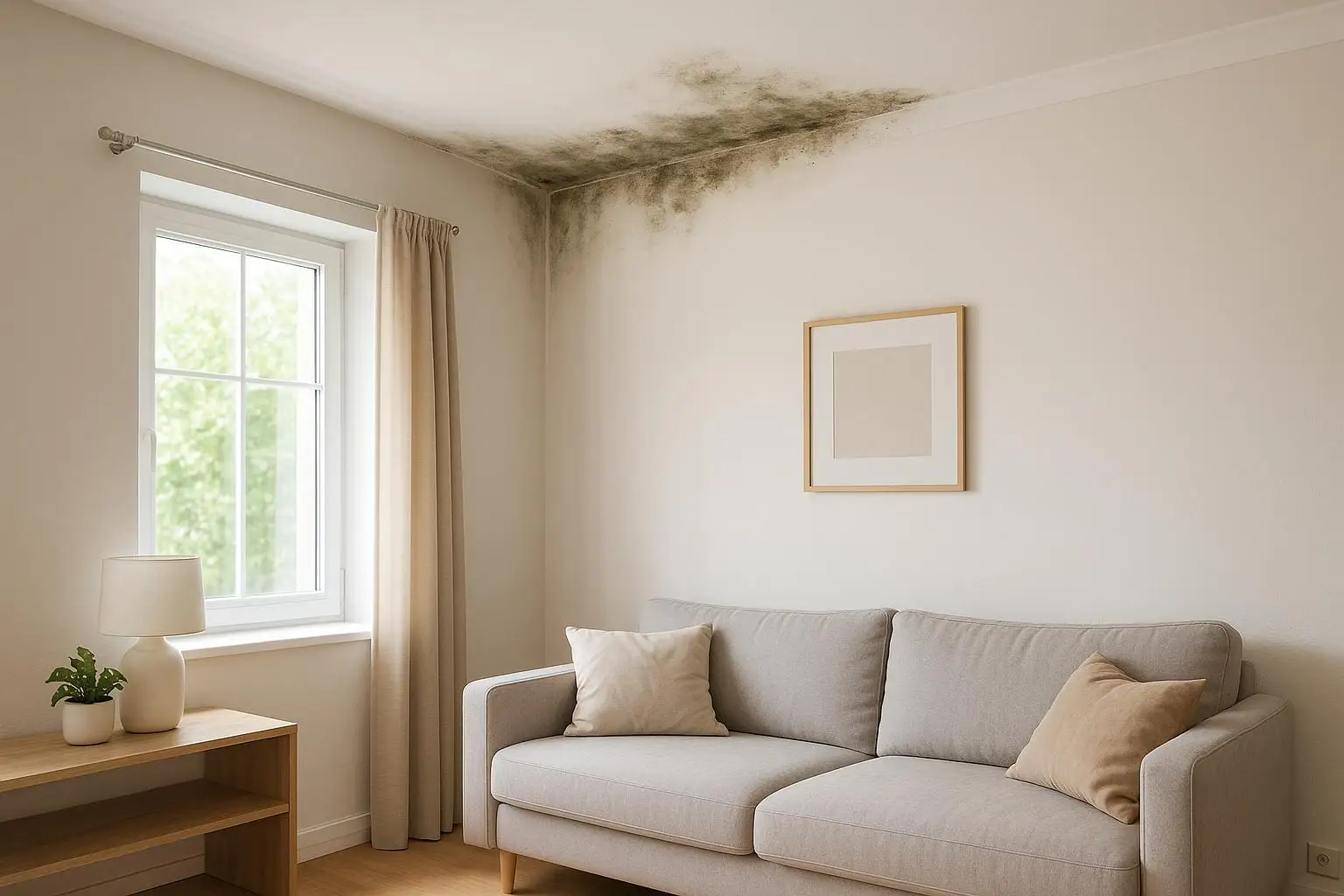
Understanding Mold Risks in Your Home
Water damage is a silent threat that can turn into a bigger problem if ignored. Many homeowners don’t realize how quickly damp conditions can lead to fungal growth, impacting both property and health. That’s where tools like a mold risk assessment come in handy—they help you spot potential issues before they spiral out of control.
Why Moisture Matters
When water lingers in walls, floors, or ceilings, it creates an environment where spores can settle and multiply. Factors like high humidity, warm temperatures, and stagnant air amplify the danger. For instance, a flooded basement with no ventilation is a prime spot for trouble. Studies show that fungal growth can start within 24-48 hours of water exposure if conditions aren’t addressed. Being proactive—drying out spaces, using dehumidifiers, and monitoring indoor humidity—can make all the difference.
Taking Control of Your Space
The good news? You don’t need to be an expert to protect your home. Simple steps like improving airflow and checking for leaks go a long way. By staying informed about indoor dampness risks and using quick online assessments, you can catch warning signs early and keep your living space safe.
Frequently Asked Questions
Want to Learn More?
Read our comprehensive guide covering everything you need to know about this topic.
The Complete Guide to Mold Remediation in FloridaNeed Professional Help?
Our expert team is ready to assist with your mold remediation needs.
View Mold Remediation Services