Ultimate Guide to Water Extraction and Drying
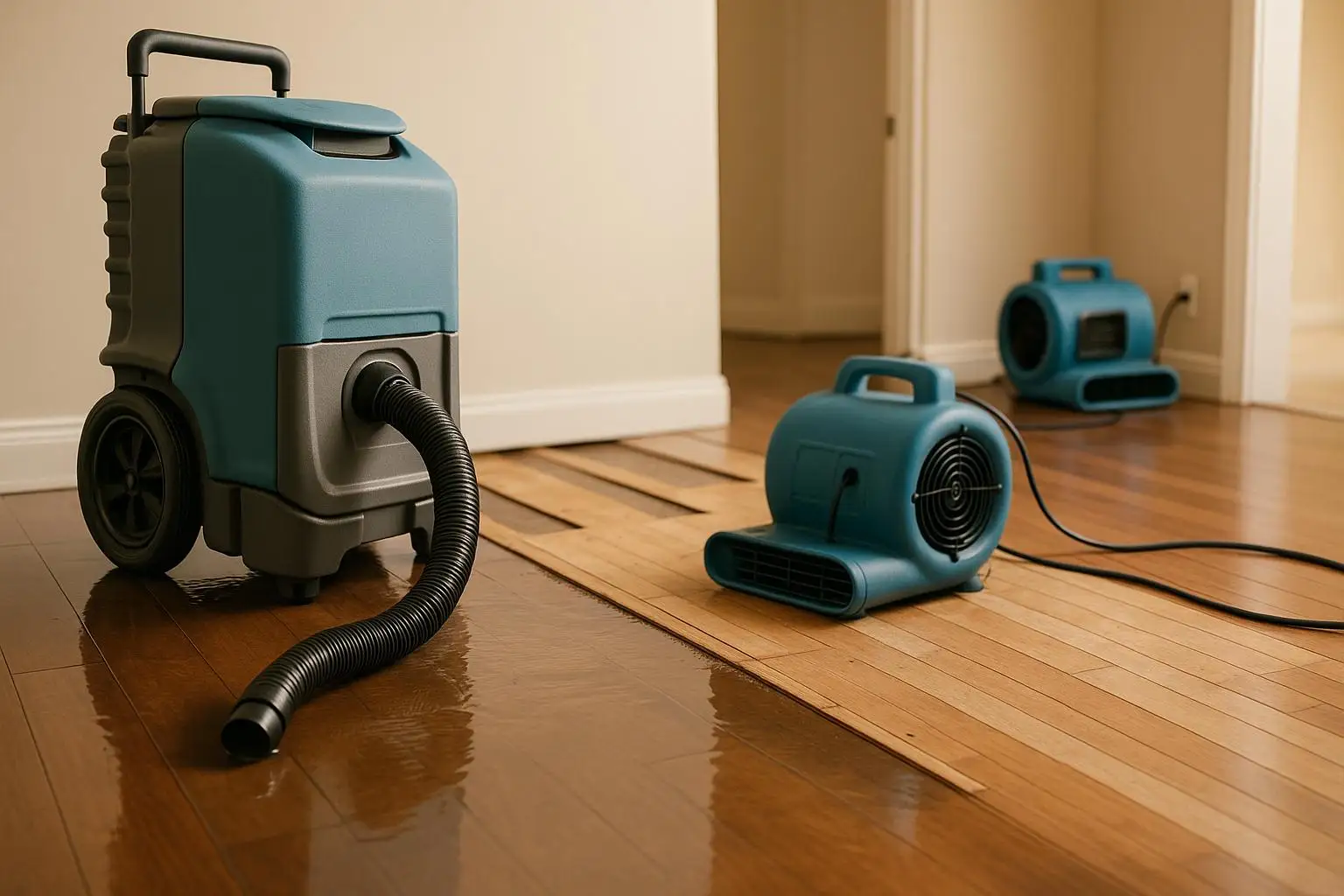
Emergency Water Damage Checklist: First 24 Hours can escalate quickly, causing costly repairs and health risks if not addressed immediately. Acting within the first 24–48 hours is critical to prevent mold growth and further structural damage. Here’s the process in a nutshell:
- Immediate Action: Extract standing water quickly – removing liquid water is 500x more efficient than drying soaked materials.
- Safety First: Assess for electrical hazards, structural issues, and contamination before starting any cleanup.
- Systematic Approach: Follow four key steps – water extraction, airflow, dehumidification, and temperature control.
- Specialized Tools: Use industrial pumps, vacuums, and What Is a Moisture Meter the Best Measurement to ensure thorough water removal.
- Drying and Sanitization: Employ air movers, dehumidifiers, and antimicrobial treatments to dry materials and prevent mold.
Professional expertise and equipment are essential to fully restore your property and minimize long-term damage. Delaying action can significantly increase costs, with the average water damage claim exceeding $10,000 in the U.S. Don’t wait – quick, precise actions make all the difference.
Water Damage Dry Out Training with YouTube (ADI)
Safety Assessment and Damage Evaluation
Before starting any water extraction efforts, a detailed safety assessment is critical to protect both property owners and restoration teams. Water damage often brings hidden dangers like electrical hazards, structural instability, and contamination. Addressing these risks quickly is essential to ensure safe restoration conditions and to prevent further damage.
Damage Inspection and Hazard Identification
The first step is a comprehensive inspection of the property. This includes checking for hazards such as standing water near electrical outlets, sagging ceilings, or warped floors. Always turn off the main electrical power before entering a flooded area, as water and electricity are a dangerous combination.
Specialized tools are used to detect hidden moisture. Moisture meters help locate water trapped within walls or floors, while thermal imaging cameras reveal damage that might not be immediately visible. These tools are crucial for identifying issues early, preventing them from escalating into major structural problems.
Common hazards uncovered during inspections include exposed wiring in wet areas, gas leaks from damaged pipes, and weakened support structures. Identifying moisture pockets quickly is vital for safety and to minimize structural damage. The level of water contamination also determines safety protocols: clean water from a burst pipe might only require basic protective gear, but sewage or floodwater contamination calls for full hazmat suits and respiratory protection. Industry standards, such as those from the IICRC (IICRC), guide these assessments and ensure proper safety measures are followed.
Once hazards are identified, it’s important to document everything to support insurance claims.
Damage Documentation for Insurance
The water damage restoration process should start as soon as it’s discovered. Take clear, timestamped photos and videos, capturing both wide shots and detailed close-ups. This visual evidence supports insurance claims and helps guide the restoration process. Written notes should include details such as the water’s source, the extent of the damage, identified hazards, measurements of affected areas, and an inventory of damaged belongings with estimated values.
Professional restoration companies often incorporate thorough documentation into their workflow. For instance, Total Care Restoration’s certified technicians document every stage of the process with photos, creating a comprehensive record that simplifies insurance claims and direct billing. For commercial properties, documentation might also include floor plans, inventory lists, and coordinated efforts with stakeholders to ensure compliance with business continuity standards.
After documentation is complete, the site must be prepared for safe restoration.
Safety Preparation Before Restoration
Once hazards are identified and documented, the next step is preparing the property for restoration. Start by disconnecting the main electrical power and shutting off gas lines if water has reached outlets or appliances. Remove hazardous debris and set up barriers to separate contaminated zones from clean areas. Proper ventilation is also essential to reduce humidity and limit the spread of airborne contaminants.
The type of personal protective equipment (PPE) required depends on the contamination level. For clean water, gloves, boots, and eye protection are usually sufficient. Gray water requires additional respiratory protection, while black water demands full-body suits with sealed respirators.
During this phase, materials like drywall, insulation, and carpeting are evaluated for structural integrity and contamination. Any materials that cannot be safely restored are removed immediately to prevent mold growth and further damage.
Total Care Restoration offers 24/7 emergency response to ensure safety steps are taken promptly. Their certified technicians follow strict OSHA guidelines and IICRC protocols, providing the expertise needed for effective water damage restoration. With a thorough safety assessment and proper documentation, the restoration process can move forward efficiently while keeping everyone involved safe.
Water Extraction Methods and Equipment
Once safety measures are in place and the damage has been thoroughly documented, the next step is tackling standing water. Removing water quickly is critical to preventing further issues like mold growth or structural weakening.
The speed at which water is extracted plays a huge role in the overall restoration timeline. It also helps avoid secondary damage to the property. Professional restoration teams rely on specialized equipment, each designed to handle specific water volumes and property types.
Water Extraction Equipment Types
Industrial submersible pumps are the heavy lifters for large-scale water removal. These machines can handle thousands of gallons per hour, making them perfect for situations like flooded basements, commercial spaces, or properties hit by burst pipes or natural disasters. They’re also built to manage water mixed with debris and can run for long periods without interruption.
Wet/dry vacuums are more versatile and precise, ideal for moderate water levels. These units can extract hundreds of gallons per hour and are particularly useful in areas with furniture, electronics, or delicate surfaces. Their portability allows technicians to navigate tight spaces and reach areas that larger equipment might not.
Truck-mounted extraction units are powerhouses for large-scale flooding. These systems provide unmatched suction power, removing large volumes of water in just a few hours. Because the equipment stays outside the property, there’s less risk of causing additional damage to floors or doorways during the process.
Each type of equipment is suited to specific tasks. Industrial pumps are best for removing large amounts of standing water, wet/dry vacuums handle detailed extraction work, and truck-mounted units strike a balance between power and efficiency for larger projects. The type of flooring also plays a role in choosing the right extraction approach, which we’ll explore next.
Extraction Methods by Floor Type
Different flooring materials require tailored approaches to ensure thorough water removal without causing further damage.
Carpeted areas are particularly challenging because water seeps deep into the fibers and padding. Weighted extractors or truck-mounted units are often used to pull water out from the carpet and subfloor. Multiple passes may be necessary to ensure all trapped water is removed.
Wood floors require swift but careful handling. Water can quickly warp or buckle hardwood if left untreated. Technicians use specialized tools to remove surface water and then apply controlled drying methods to prevent water from seeping between planks or underneath the flooring.
Tile and hard surfaces might seem easier to manage, but water often hides in grout lines or beneath tiles. Wet/dry vacuums are used to remove surface water first, followed by targeted extraction around grout lines and edges where water tends to accumulate. Joints where tiles meet walls or other surfaces are given extra attention, as they can trap significant moisture.
For every flooring type, technicians use moisture meters to confirm that water removal is complete. Even if a surface feels dry, hidden moisture can linger, leading to mold or structural problems. Once extraction is finished, the focus shifts to drying, which works hand in hand with physical water removal.
Physical Extraction vs. Drying
To fully restore a property, it’s important to understand the difference between physical extraction and drying. Physical extraction involves removing liquid water using pumps, vacuums, and other equipment. This step addresses the bulk of the water quickly and efficiently.
Drying, on the other hand, deals with the moisture left behind. Using tools like air movers and dehumidifiers, this process ensures that materials reach safe moisture levels. While extraction can remove thousands of gallons in just hours, drying often takes days to complete.
These two processes are complementary. Effective extraction lays the groundwork for successful drying by removing most of the water upfront. Skipping extraction and jumping straight to drying would significantly extend the restoration timeline and increase the risk of secondary damage. Drying equipment is specifically designed to handle the residual moisture left after extraction.
At Total Care Restoration, technicians understand the importance of balancing these two steps. They carefully select the right equipment based on the property and extent of damage, ensuring efficient water removal before moving on to drying. Their 24/7 emergency response ensures that properties are restored as quickly as possible, minimizing damage and disruption.
Investing in the right equipment and techniques for water extraction pays off by shortening restoration time, preventing further damage, and setting the stage for effective drying. This systematic approach is essential for comprehensive water damage restoration.
Drying and Dehumidification
After the bulk of standing water is removed, the next step in water damage restoration is crucial: drying out the moisture that’s seeped into building materials and the air itself. This phase goes beyond the surface, targeting hidden dampness with a precise combination of air circulation, humidity control, and temperature management to create the best conditions for drying.
Even after water extraction, moisture often lingers in porous materials like drywall, insulation, and wood. If left untreated, this trapped moisture can lead to mold growth and structural issues that might not show up until weeks or months later. That’s why drying and dehumidification are essential to complete the restoration process.
The key tools for this phase? Air movers and dehumidifiers working in tandem.
Air Movers and Dehumidifiers
Air movers and dehumidifiers are a dynamic duo, each playing a distinct role in the drying process. Air movers are powerful fans that drive air circulation across wet surfaces, speeding up evaporation by pushing moisture-laden air away. This steady airflow helps draw water out of materials and into the air as vapor.
On the other hand, dehumidifiers step in to handle that vapor. They pull in the moist air, extract the water, and release dry air back into the environment. This prevents the vapor from settling back into absorbent materials like wood or drywall, which could undo the drying progress.
The two machines work best together: air movers kickstart evaporation, while dehumidifiers ensure the moisture is removed from the air entirely. Using just one without the other can slow down the process and even lead to secondary issues like mold growth or extended drying times.
Proper placement of air movers is also critical. Poor airflow can leave behind stagnant zones where humidity builds up, creating ideal conditions for mold. Restoration professionals carefully position equipment to ensure consistent airflow and even drying across all affected areas.
The Science Behind Drying
Drying isn’t guesswork – it’s a science that hinges on three key factors: temperature, humidity, and air movement. These elements must work together to create an environment where moisture is effectively removed.
Temperature control is one of the most important aspects. It directly impacts how quickly moisture evaporates and how well dehumidifiers perform. For the best results, restoration professionals aim to maintain temperatures between 70°F and 90°F, with 75°F to 90°F being ideal during the first 36 to 48 hours. Warmer air speeds up evaporation, but temperatures over 90°F can reduce the efficiency of dehumidifiers. On the flip side, cooler temperatures slow down evaporation, stretching out the drying timeline.
Humidity levels are equally critical. High humidity can saturate the air, making it harder for moisture to evaporate from wet materials. It also increases the risk of mold growth. Dehumidifiers work to bring relative humidity below 60%, which not only speeds up drying but also helps prevent mold from taking hold.
While extraction tools remove the bulk of the water, drying equipment tackles the moisture that’s left behind – moisture that could otherwise linger out of sight.
For situations where standard drying methods aren’t enough, advanced techniques come into play.
Specialized Drying Methods
Some restoration scenarios call for more than just air movers and dehumidifiers. Specialized drying methods like vortex drying and pressure drying are designed for those tough cases where moisture is trapped in hard-to-reach spots or where large-scale properties are involved.
Vortex drying uses advanced equipment to create controlled air circulation patterns, reaching areas that standard air movers can’t. Pressure drying, on the other hand, involves creating pressure differences to draw moisture out of enclosed spaces like wall cavities or building systems. These techniques require specialized equipment and expertise, making them best suited for complex layouts or large-scale restoration projects.
However, these aggressive drying methods come with limitations. They are only effective for clean water incidents and need to be started within 48 to 72 hours to avoid contamination. Rapid drying can also damage certain materials, like causing wood floors to warp or weaken. Restoration professionals carefully monitor drying rates to ensure they match the specific needs of the materials involved.
Another critical step in the process is accurately measuring moisture levels. Materials might feel dry on the surface but still hold moisture deep inside. Moisture meters are essential tools for confirming that all water has been eliminated before moving on to the next phase of restoration.
At Total Care Restoration, the team uses state-of-the-art drying equipment and monitoring tools to ensure every last bit of moisture is removed. Their 24/7 emergency response means drying starts right away, reducing the risk of further damage and speeding up the overall restoration process. With direct insurance billing, homeowners can focus on recovery while the experts handle the technical work. This comprehensive approach ensures a thorough and efficient drying process as part of the broader water restoration strategy.
Final Verification and Property Restoration
Once the drying process is complete, professionals must confirm that the restoration has been successful and that your property is safe to occupy. This involves precise moisture testing, thorough sanitization, and necessary repairs to restore your home or business to its original state.
Skipping this crucial step can lead to hidden moisture problems, which may result in mold growth, structural damage, or recurring water issues down the line.
Moisture Level Verification
Commercial use specialized tools to measure moisture levels accurately. These tools, known as moisture meters, assess water content in various building materials and compare the readings to industry standards. The goal is to ensure moisture levels are returned to pre-damage conditions.
There are two main types of moisture meters used during this phase:
- Pin-type meters: These measure moisture at specific depths by inserting pins directly into materials.
- Pinless meters: These assess moisture across larger surface areas without causing any damage.
By combining these tools, professionals can evaluate both surface-level and deeper moisture levels throughout the affected areas. Each material has a specific acceptable moisture range, and for most residential spaces, relative humidity levels should be below 50-55% to prevent mold growth.
Special attention is given to hidden areas such as wall cavities, beneath flooring, and inside insulation. These areas often trap moisture even when surfaces appear dry. Overlooking these concealed spaces is a common mistake that can lead to persistent problems later.
Once all moisture levels are verified as safe, the process moves on to sanitization.
Sanitization and Antimicrobial Treatment
After confirming that moisture levels are under control, the next step is sanitization. This involves applying antimicrobial treatments to remove bacteria, pathogens, and mold spores that may have developed during the water damage incident. Even clean water can create an environment where harmful microorganisms thrive.
Timing is critical here. Treatments are applied after moisture verification to ensure they adhere properly and remain effective. Applying them too early risks washing them away due to residual moisture.
EPA-approved disinfectants are used to treat all impacted surfaces, especially those exposed to contaminated water. An air scrubber equipped with HEPA filters may also be used to capture airborne contaminants. For those wondering what is an air scrubber, it's a specialized filtration system that ensures a clean environment throughout the space.
Cross-contamination prevention is a key focus during this phase. If mold was detected earlier, professionals implement containment strategies to stop treated materials from contaminating unaffected areas. Without proper precautions, something as simple as an air mover could spread mold spores throughout the property.
Antimicrobial treatments serve multiple purposes: they disinfect surfaces, prevent future mold growth, and help restore the property to a clean, safe condition.
Structural Repairs and Insurance Assistance
With moisture and contamination addressed, the next step involves repairing or replacing damaged structures. In some cases, materials like warped wood flooring, swollen drywall, or compromised insulation cannot be salvaged and must be replaced entirely.
Restoration teams carefully assess each component for structural integrity, contamination risks, and long-term durability. Even materials that seem salvageable at first glance may have hidden damage, making replacement the safer option.
Documentation plays a vital role throughout this process. Restoration professionals create detailed records, including photographs of damage at various stages, moisture readings, and itemized lists of materials requiring replacement. These records support insurance claims and help justify the scope of work and associated costs.
Many restoration companies, like Total Care Restoration, offer direct insurance billing to simplify the claims process. This means homeowners can avoid upfront expenses while the company works directly with insurance adjusters to ensure all necessary repairs are covered.
"Alexander’s team at Total Care Restoration were nothing short of amazing. The team was always on time, respectful, clean. They protected my home as if it was their own to make sure that other damage did not occur. They explained everything in detail and took photos of every step. Words cannot express the gratitude my family and I will always have for Total Care Restoration and their entire team. We are immensely grateful." – Alexander, Customer
The final walkthrough ensures that all visible damage has been addressed, HVAC systems are functioning properly, and there are no lingering odors or signs of moisture. Air quality testing may also be conducted to confirm the elimination of mold spores and other contaminants, ensuring the property is safe for occupancy.
For residential properties, the entire restoration process – from water extraction to final repairs – typically takes 1-4 weeks, depending on the damage and materials involved. Larger commercial projects may require additional time due to their complexity and regulatory requirements.
Total Care Restoration provides homeowners with comprehensive documentation, including moisture meter readings, before-and-after photos, and certification that the property has been fully restored. Their direct insurance billing service and detailed photo records streamline the claims process, making it easier for property owners to recover. With 24/7 emergency response available at (786) 610-6317, their certified technicians handle everything from technical repairs to insurance coordination, allowing you to focus on returning to normal life.
Prevention and Emergency Response
Regular maintenance is your best defense against water damage, and when disaster strikes, quick action can save thousands in repairs. Did you know water damage makes up nearly 29% of all homeowner insurance claims in the U.S., with the average claim topping $11,000 as of 2023? By inspecting your plumbing, appliances, and roofing twice a year, you can catch potential issues before they spiral into costly repairs.
Smart leak detectors are becoming a go-to solution for homeowners. These devices sense moisture changes and can automatically shut off your water supply to prevent major damage, especially when you’re not home. Their popularity is growing due to an uptick in extreme weather and aging infrastructure challenges.
By taking preventive steps, property owners can not only minimize damage but also speed up recovery when water intrusion occurs. These measures complement the technical restoration processes discussed earlier.
Time-Critical Actions to Reduce Damage
When water damage happens, every minute counts. The first 24–48 hours are crucial to limit damage and avoid secondary issues like mold. According to the EPA, mold can start growing within this time frame after water exposure. Acting fast – through water extraction and thorough drying – can slash restoration costs by up to 40% compared to delayed efforts.
Here’s what to prioritize:
- First 0–24 hours: Stop the water source, turn off power in affected areas to ensure safety, remove standing water, relocate valuables to dry spaces, and document all damage with photos for insurance purposes.
- Within 24–48 hours: Use air movers and dehumidifiers to continue drying and prevent mold. Remove damaged materials like soaked drywall or carpets to speed up the process.
- After 48 hours: Risks increase significantly. Structural materials may warp, and mold colonies can take hold in hidden areas, complicating restoration.
A real-life example highlights the importance of speed: When a homeowner’s pipe burst and flooded their kitchen, they acted fast – shutting off the water and calling a 24/7 restoration service. Within two hours, water extraction began, sparing hardwood floors and cabinetry. Daily moisture monitoring ensured no mold developed, and the entire restoration was completed in just five days.
24/7 Emergency Services
Water damage doesn’t wait for business hours, and neither should your response. Around-the-clock emergency services are essential for immediate action. Professionals arrive with industrial-grade equipment, conduct thorough assessments, and begin mitigation work right away.
Total Care Restoration offers 24/7 emergency services, dispatching certified technicians at (786) 610-6317. They’re equipped to handle everything from extraction to drying with speed and precision.
"We will alleviate the stress associated with these types of situations by providing fast, effective, and transparent services from initial consultation through completion." – Total Care Restoration
This kind of rapid intervention can mean the difference between a quick recovery and a long, costly rebuild.
Direct Insurance Billing and Account Management
Dealing with insurance during a crisis can be overwhelming, but direct billing services simplify the process. Restoration companies often work directly with your insurance provider, managing claims and payments so you don’t have to worry about upfront costs.
This approach offers financial relief, allowing homeowners to focus on safety and temporary arrangements while professionals handle the logistics. Personalized account management ensures a dedicated contact oversees the entire process, from coordinating with insurance adjusters to keeping you updated.
Total Care Restoration’s direct insurance billing and detailed documentation take the hassle out of claims. This seamless process lets homeowners concentrate on getting life back to normal, combining quick action with efficient claim management for a stress-free experience.
Conclusion
Dealing with water damage involves much more than just removing visible water. Successful restoration hinges on four key steps: water extraction, air movement, dehumidification, and temperature control. One critical insight? Removing water in its liquid form is at least 500 times more efficient than relying solely on evaporation. This is why professional tools and expertise are game-changers in the restoration process.
Timing is everything. Acting within the first 24–48 hours after water damage can make all the difference. Properties where professional water extraction begins promptly are far less likely to experience mold growth or severe structural damage. Since mold can start forming within this narrow window, there’s no room for delays. Considering the average water damage claim in the U.S. exceeds $10,000, even a slight delay can lead to skyrocketing costs.
What’s more, surfaces that appear dry often hide moisture deep within. Only specialized equipment can detect this hidden water, which, if left untreated, creates the perfect conditions for mold growth and structural decay. This is why a thorough final inspection is essential to ensure no lingering moisture remains.
A swift response paired with professional-grade equipment and certified expertise can turn what feels like an overwhelming disaster into a manageable repair process. That’s where services like Total Care Restoration’s 24/7 emergency response come in – they provide the tools and know-how to tackle water damage head-on.
Ultimately, the first few hours after water damage are critical. How you respond determines whether recovery is quick and efficient or drawn out and costly. Investing in professional water extraction and drying not only speeds up the restoration process but also saves money and ensures the job is done right the first time. Beyond immediate recovery, expert intervention protects your property’s long-term health and integrity.
FAQs
What should I do right away if I find water damage in my home?
If you’re facing water damage, the first step is to act fast. Reach out to Total Care Restoration at (786) 610-6317 – their emergency service is available 24/7. Their certified team will quickly assess the situation and begin water extraction and drying to limit any further damage.
While waiting for their help, and if it’s safe, turn off the water source to stop the flooding. You can also move valuable items or furniture out of the affected area to protect them from additional harm.
How can I tell if I need professional water extraction and drying services or if I can manage it myself?
If you’re trying to decide whether you need professional water extraction and drying services, it comes down to the severity of the damage. For instance, if the water has spread extensively, contains contaminants like sewage, or has seeped into walls, floors, or ceilings, it’s a good idea to bring in the experts. You should also consider professional help if there’s visible mold growth or if the water has been sitting for over 24 to 48 hours.
For dependable and prompt service, reach out to Total Care Restoration at (786) 610-6317. Their certified technicians are on call 24/7 to handle the job efficiently and safely.
How can I stop mold growth and prevent further damage after water damage?
When dealing with water damage, acting fast is key to stopping mold growth and preventing further harm to your property. Begin by clearing out as much standing water as you can and ensuring the area is well-ventilated to lower moisture levels. That said, fully resolving the issue often requires professional expertise. For prompt support, reach out to Total Care Restoration at (786) 610-6317. Their certified team is available around the clock to help restore your property and limit lasting damage.
Related Blog Posts
Want to Learn More?
Read our comprehensive guide covering everything you need to know about this topic.
The Complete Guide to Water Damage Restoration in South FloridaNeed Professional Help?
Our expert team is ready to assist with your water damage restoration needs.
View Water Damage Restoration Services