How to Choose the Right Contractor After Water Damage
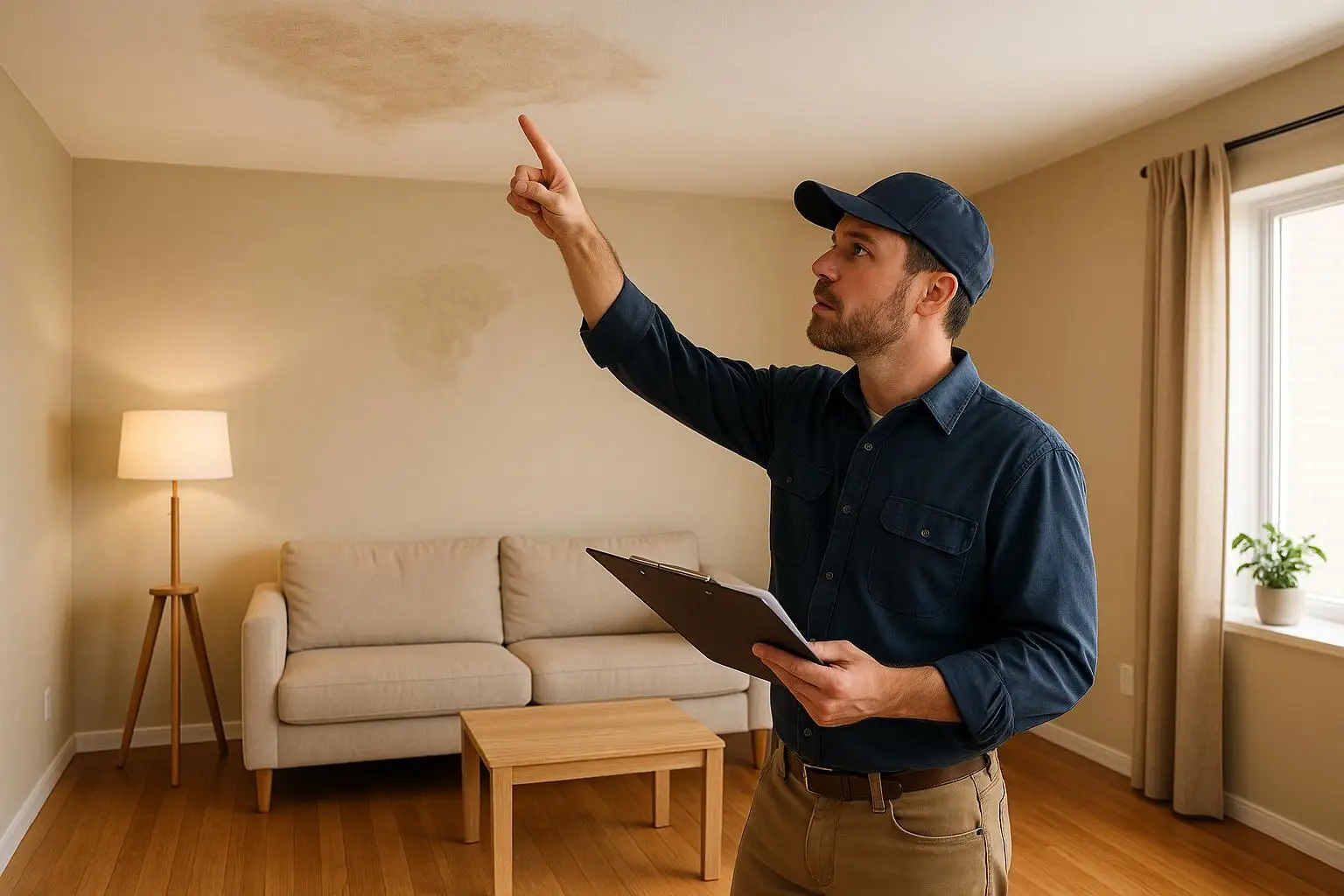
Water damage is one of the most distressing challenges property owners face. From unexpected leaks to plumbing failures, the aftermath often feels overwhelming. Choosing the right contractor to mitigate the damage and restore your property is critical to ensuring the job is done properly. In this article, we’ll explore key insights from a real-life story of a homeowner who navigated recurring water damage, mishandled repairs, and the importance of working with knowledgeable and reliable contractors.
Whether you’re a homeowner or business owner, this guide will help you understand the essential steps and red flags to watch for when dealing with water damage restoration.
The Importance of Proper Water Damage Mitigation
Water damage is more than just visible destruction – it often involves hidden issues like mold growth, structural weakening, and long-term financial consequences if poorly handled. The speaker in the original video shared an alarming real-life example:
A homeowner returned from vacation to find water damage in her bedroom, hallway, and other areas due to a ruptured plumbing line under the slab. Shockingly, this was the second time in eight months she faced such damage. During the first incident, her insurance company referred a vendor who performed subpar work, cutting corners and leaving behind issues like mold and improperly dried materials. This negligence not only cost the homeowner additional out-of-pocket expenses but also created long-term risks.
Here’s why addressing water damage properly is so important:
- Health Risks: Mold and mildew can develop quickly in damp environments, posing serious health risks.
- Structural Integrity: Improper drying and repairs can weaken floors, walls, and insulation over time.
- Financial Impact: Cutting corners may save money in the short term but often leads to costly repairs down the line.
Key Considerations When Choosing a Contractor
The right contractor can make all the difference in how effectively and efficiently your water damage is addressed. Here are actionable tips to help you make an informed decision:
1. Verify Credentials and Reputation
Not all restoration companies are created equal. Choose a licensed, certified, and insured contractor with a strong track record in water damage restoration. Look for companies that:
- Have experience working with insurance companies.
- Are referred by trusted sources, but always verify their reviews independently.
- Use proper documentation processes, including detailed moisture readings, photos, and precise repair estimates.
2. Ask About the Scope of Work
A reliable contractor will set a clear and thorough scope of work. In the example shared, the first contractor only performed minimal removal (such as cutting small holes in drywall and setting up equipment) and poorly dried the affected areas. This resulted in hidden mold, delaminated carpet, and wet insulation.
The second contractor took a more comprehensive approach by:
- Removing all affected materials, including carpet, laminate flooring, and drywall.
- Addressing hidden issues like mold and moisture in insulation.
- Suggesting long-term solutions, such as rerouting plumbing to avoid future issues.
Ask contractors about their planned scope and ensure it includes thorough inspections and removal of all compromised materials.
3. Understand the Insurance Process
Dealing with insurance companies can be intimidating. A good contractor should act as an advocate, ensuring proper documentation and communication with your insurer. In the case study, the homeowner initially dealt with an insurance-vetted vendor who dismissed necessary repairs, leaving her out-of-pocket for costs like accessing the slab and repainting.
The second contractor documented every step of the process and successfully negotiated with the insurance company to approve proper repairs, resulting in a settlement nearly five times higher than the initial incident.
When hiring a contractor, make sure they:
- Use industry-standard software to calculate repair costs.
- Provide detailed moisture readings and estimates to support their claims.
- Are willing to negotiate with your insurance provider on your behalf.
4. Avoid High-Pressure Sales Tactics
Emergencies can be overwhelming, and some companies exploit this by pressuring clients into immediate decisions. While time is a factor in water damage, it's essential to pause, evaluate your options, and choose a contractor you trust. For more comprehensive guidance on protecting yourself from restoration scams, see our guide on How to Avoid Scams in Restoration Services.
In the video, the speaker emphasized the importance of taking a day to interview multiple companies and compare their approaches. While immediate extraction of standing water is necessary, the actual repair and mitigation work can wait until you’ve selected a reliable contractor.
Lessons from a Real-Life Case Study
The homeowner in the video offered a cautionary tale about trusting the first vendor sent by her insurance company. Here are the key takeaways from her experience:
- Cutting Corners Causes Long-Term Damage: The first contractor failed to remove waterlogged materials like carpet and pad, leading to mold and delamination.
- Documentation Matters: The second contractor thoroughly documented the damage, ensuring the insurance company couldn’t dispute necessary repairs.
- Proper Repairs Prevent Recurring Issues: The homeowner invested in rerouting her plumbing, eliminating the risk of future slab leaks.
By hiring a contractor who prioritized quality over speed, the homeowner avoided future headaches and achieved a better outcome with her insurance claim.
Key Takeaways
- Be Thorough When Choosing a Contractor: Verify credentials and compare multiple companies before making a decision.
- Don’t Settle for Minimal Work: Proper mitigation often requires removing compromised materials like carpet, drywall, and insulation – not just drying the surface.
- Work with a Trusted Advocate: Select a contractor who will document the damage, communicate with your insurer, and fight for appropriate compensation.
- Prioritize Prevention: If possible, address underlying causes (like faulty plumbing) to prevent recurring issues.
- Take a Day to Evaluate Options: Emergencies are stressful, but taking a moment to interview contractors can save you from long-term headaches.
Conclusion
Dealing with water damage is never easy, but knowing how to choose the right contractor can make the process far less overwhelming. A trustworthy contractor will not only restore your property but also guide you through the complexities of insurance claims, ensuring you receive the compensation you need to rebuild.
By taking the time to verify credentials, understand the scope of work, and prioritize quality over speed, you can avoid the pitfalls of subpar restoration and restore your property – with peace of mind intact.
Source: "Who You Hire After Water Damage Matters" – YouTube Channel, YouTube, Aug 21, 2025 – Watch Video
Use: Embedded for reference. Brief quotes used for commentary/review.
Related Blog Posts
Want to Learn More?
Read our comprehensive guide covering everything you need to know about this topic.
The Complete Guide to Water Damage Restoration in South FloridaNeed Professional Help?
Our expert team is ready to assist with your water damage restoration needs.
View Water Damage Restoration Services