5 Steps to Dry Wet Insulation Safely
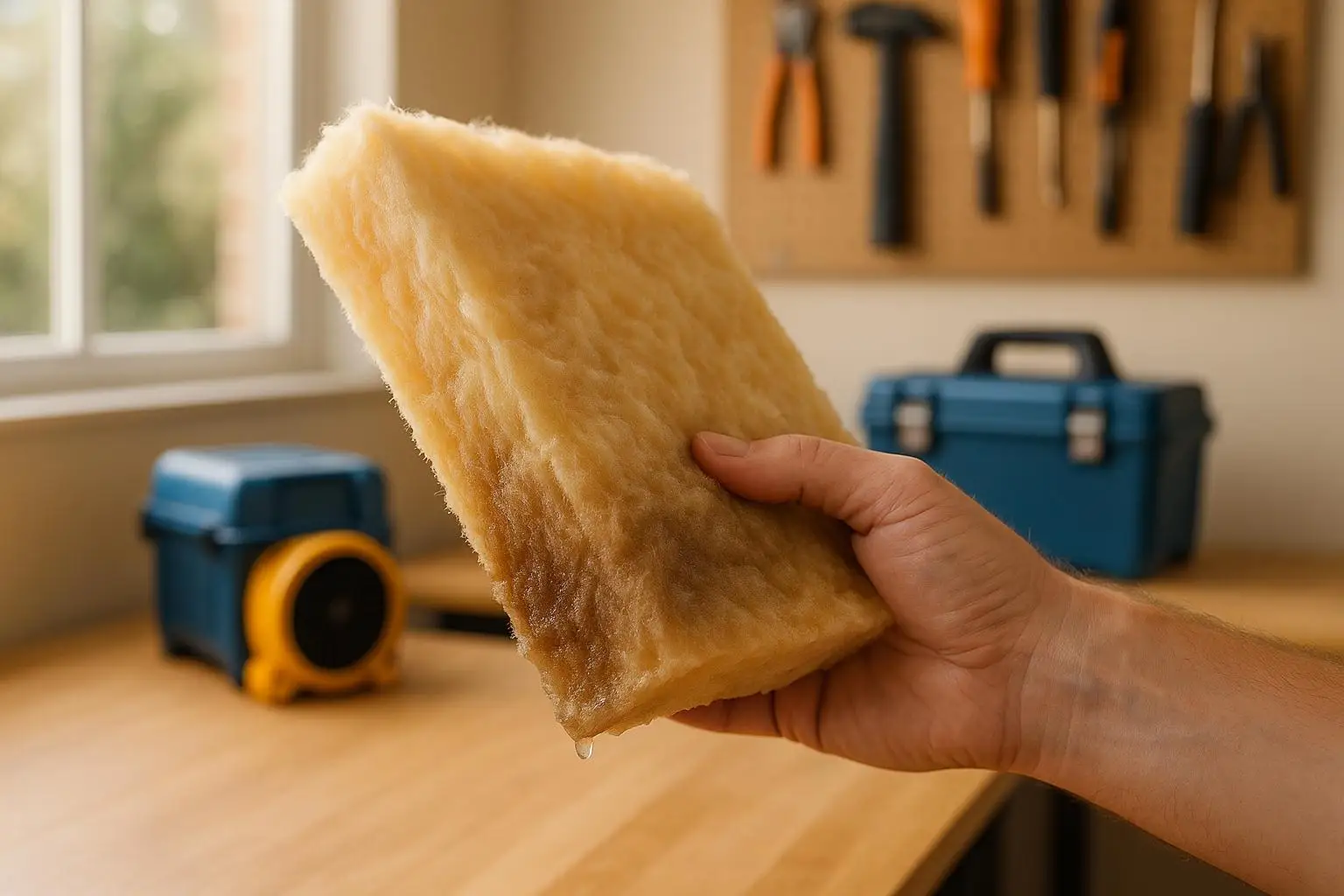
Wet insulation can lead to mold, health risks, and structural damage if not addressed quickly. Here’s a step-by-step guide to handle it:
- Stop the Water Source: Identify and fix leaks or water entry points like Comprehensive Guide to Identifying And Repairing Ceiling Water Damage, burst pipes, or foundation cracks. Document damage for insurance claims.
- Remove Wet Insulation: Discard soaked materials like fiberglass or cellulose insulation, which lose effectiveness and promote mold growth.
- Dry the Area: Use fans, dehumidifiers, and ventilation to eliminate moisture. Monitor progress with moisture meters.
- Beat Miamis Humidity Top Tips for a Mold Free Home: Inspect for mold growth in walls, ceilings, and framing. If mold covers over 10 sq. ft. or causes health symptoms, 5 Steps For Emergency Mold Mitigation.
- Replace Insulation: Install new, moisture-resistant insulation after ensuring all surfaces are dry.
Key Tip: Mold can grow in 24–48 hours, so act fast. For extensive damage or contaminated water, professional services ensure thorough remediation and safety.
Does Wet Insulation Need to be Replaced?
Safety Preparation Before Starting
Handling wet insulation is not just messy – it can be hazardous if you’re not careful. Wet insulation can hide harmful contaminants like mold spores or fiberglass particles, and the surrounding area might pose electrical risks. Taking the right precautions is key to staying safe and avoiding further complications. Here’s how to prepare before you even think about touching wet insulation.
Put On Protective Equipment
Protective gear isn’t optional – it’s essential. Wet insulation can expose you to mold, fiberglass, and other irritants that can harm your skin, eyes, and lungs.
Gear up with an N95 mask, gloves, safety goggles, and disposable coveralls. Disposable coveralls are especially handy since you can toss them out immediately after finishing the job, minimizing the risk of spreading contaminants. Without this gear, you risk respiratory issues, skin irritation, and even allergic reactions. Think of it as your personal armor against potential health hazards.
Turn Off Power in Affected Areas
Before diving into any cleanup, ensure the electricity is off in all affected areas. Water and electricity are a dangerous mix, and wet insulation can easily hide damaged wires.
Find your electrical panel and shut off the breakers for the impacted zones. If you’re unsure, play it safe and turn off the main breaker. If you notice sparking, a burning smell, or any other signs of electrical damage, avoid handling anything yourself. Instead, shut off the main breaker and call an electrician right away. It’s better to lose power temporarily than to risk a serious accident.
Check for Contaminated Water
Water damage isn’t always straightforward. Contaminated water – whether from sewage, floodwater, or other sources – can pose serious health risks.
Look for signs like foul odors, discoloration, visible debris, or an oily film. If you suspect the water is contaminated, skip the DIY approach. Contact professionals like Total Care Restoration. Their certified technicians have the tools and expertise to handle contaminated insulation safely and ensure proper disposal. Trying to tackle it yourself could expose you and your household to unnecessary risks, so leave it to the experts when contamination is involved.
Step 1: Find and Stop the Water Source
Before tackling wet insulation, you need to stop the water source. Skipping this step means the problem will just keep coming back.
Locate Leaks or Water Entry Points
Begin by identifying where the water is coming from. Common culprits include roof leaks, burst or leaking pipes, foundation cracks, and condensation. Roof leaks often follow heavy rainfall or storm damage, while plumbing issues are more likely with aging pipes or during freezing weather.
Check your roof, walls, and plumbing fixtures for signs like stains, discoloration, or damp areas. Pay close attention to spots around windows, doors, and where pipes pass through walls. If you suspect hidden moisture, tools like infrared cameras and moisture meters can help locate damp areas within walls and insulation, showing how far the water has spread.
Professionals at totalcarerestoration.com use advanced equipment like thermal imaging to uncover hidden moisture. Their certified technicians can detect water damage that might go unnoticed, ensuring all affected areas are properly addressed.
Once you’ve found the source, act quickly. For plumbing leaks, shut off the main water supply immediately. If it’s a roof leak, cover the area with a tarp to stop further damage. Use a wet/dry vacuum or pump to remove any standing water. This step is crucial to 5 Steps for Emergency Mold Mitigation.
After securing the water source, make sure to document the damage for insurance purposes.
Document Damage for Insurance Claims
Proper documentation is key to getting your insurance claim approved. Take photos of all affected areas, ensuring they are date- and time-stamped, and capture multiple angles. Highlight specific details, as this timeline will be helpful when processing your claim.
"They explained everything in detail and took photos of every step." – Total Care Restoration customer testimonial
Make sure to photograph everything before starting any cleanup or repairs. Insurance companies rely on these images to verify the original condition of the damage, which is critical for reimbursement.
If the damage is extensive or involves contaminated water, you might want to call Total Care Restoration at (786) 610-6317. Their team can handle the documentation process and work directly with your insurance company to make the claims process smoother.
Step 2: Take Out Wet Insulation
Removing wet insulation is a crucial step in addressing water damage. Wet fiberglass insulation loses its ability to insulate effectively and must be removed as soon as possible. Mold can start growing within 24–48 hours in damp insulation, so quick action is essential. Use the right tools and techniques to safely remove the damaged material.
Discard Damaged Insulation
Soaked insulation not only becomes ineffective but can also encourage mold growth. If the insulation is heavily saturated, shows signs of mold, or is suspected to be contaminated, it should be treated as hazardous waste and discarded immediately. Fiberglass batts that are completely wet lose their functionality and need replacement. Cellulose insulation is particularly tricky because it can retain moisture, leading to mold and rot if not thoroughly dried.
Removing insulation from wall cavities often requires cutting into drywall. Carefully use a pry bar to remove drywall or paneling, but always check for electrical wiring first to avoid accidents. Once removed, place the damaged insulation in heavy-duty contractor bags and dispose of it according to local regulations. In most U.S. areas, wet insulation is classified as construction and demolition waste and must be taken to an approved landfill or disposal facility.
Get the Right Tools
To safely remove damaged insulation, prepare the necessary tools and protective gear. Wear an N95 mask, safety goggles, gloves, and long sleeves to protect yourself from contaminants. Essential tools include a utility knife, a wet/dry vacuum, and a moisture meter for assessing dampness.
Other helpful tools include heavy-duty trash bags for disposal and pry bars for removing drywall or baseboards. A sharp utility knife is particularly useful for cutting through fiberglass batts or rigid foam boards cleanly. For cellulose insulation, a vacuum is the best option, while spray foam and rigid boards may require cutting tools like a utility knife or saw to avoid damaging surrounding materials.
To prevent spreading dust and contaminants, seal off unaffected areas with plastic sheeting. Maintain proper humidity levels in the work area to avoid secondary moisture problems.
If the damage is extensive or involves contaminated water, consider hiring professionals. Companies like Total Care Restoration provide certified technicians, 24/7 emergency service, and direct insurance billing for water damage restoration, including insulation removal and replacement. You can reach their team at (786) 610-6317 for safe and efficient large-scale removal.
DIY methods often fall short because household fans and towels can’t fully address hidden moisture. This lingering dampness increases the risk of mold growth. Professionals, however, use advanced tools like thermal imaging to detect hidden water damage inside walls, ensuring that all wet insulation is properly removed.
Step 3: Dry Out the Area
Once you’ve removed the wet insulation, it’s crucial to dry the area as quickly as possible. Leftover moisture can lead to mold growth within just 24–48 hours and may even cause structural damage if not addressed promptly.
Increase Air Movement and Reduce Humidity
To speed up the drying process, use high-velocity fans and dehumidifiers. Place the fans about 10–14 feet apart to ensure proper airflow across the area. Position dehumidifiers centrally or near the areas that are the most saturated to effectively pull out excess moisture. If the weather is dry, open windows and doors to help ventilate the space.
For severe water damage, you might need to take additional steps, like removing baseboards or drilling small holes into wall cavities. This allows air to circulate in hidden spaces, ensuring those areas dry out completely. Specialized inner-wall systems can also push air into wall cavities for faster results.
Keep Track of the Drying Process
Once you’ve set up the equipment, it’s important to monitor the drying progress. Use a moisture meter to check that materials like drywall and framing have a moisture content below 15%. Keep a record of these readings, as they may be necessary for insurance claims. For most building materials, staying under 15% moisture is the safe threshold for moving forward with repairs or installing new insulation.
Don’t forget to inspect hidden areas for any lingering moisture. Tools like thermal imaging cameras can help identify damp spots inside walls. Be on the lookout for signs like musty odors, discoloration, or persistent dampness in walls and ceilings, as these could indicate moisture pockets that need attention.
Drying the area thoroughly can take several days, depending on factors like the severity of the water damage, room conditions, and the equipment being used. Rushing this step is a common mistake that can lead to mold growth and additional structural problems. Check your progress daily and adjust the placement of fans and dehumidifiers to target areas that are drying more slowly.
If you’re still dealing with moisture after several days, it might be time to call in professionals. Companies like Total Care Restoration specialize in tackling stubborn moisture issues with advanced equipment and techniques. Their certified technicians are available 24/7 and can be reached at (786) 610-6317 for help with specialized drying systems.
Step 4: Check for Damage and Mold
Once the drying process confirms that moisture levels are under control, it’s time to assess the extent of damage and check for mold. Mold can start growing quickly after water exposure, so this step is essential to avoid expensive repairs and potential health risks. A detailed inspection now sets the stage for addressing structural issues and tackling any mold problems.
Inspect Surrounding Materials for Damage
Take a close look at nearby materials to identify any signs of trouble. Water can lead to issues like warping, rot, or deterioration in wood framing, drywall, and subflooring. Watch for discoloration, soft spots, or warped areas, even if they’re not immediately obvious. Using a moisture meter can help pinpoint hidden dampness in building materials, as surfaces may appear dry but still hold moisture. Ideally, wood framing should have a moisture content below 15% before moving forward with repairs.
If you have access to a thermal imaging camera, it can be a game-changer for spotting cold, damp areas that aren’t visible to the naked eye. No fancy tools? A simple screwdriver can help – probe wooden surfaces to check for soft spots that might indicate rot. For drywall, crumbling or softness is a clear sign it needs to be replaced. Don’t forget to Emergency Water Damage Checklist: First 24 Hours, as this will be crucial for filing insurance claims.
This inspection will help you map out the next steps for structural repairs or remediation.
Check for Mold Growth
After evaluating structural materials, shift your focus to mold. Mold often appears in shades of black, green, or white and typically has a musty smell. However, it’s not always easy to spot – it can grow behind walls, under floors, or inside cavities. According to a 2022 study, 98% of homes with water-damaged insulation showed some level of hidden mold when inspected professionally.
Inspect all surfaces in the affected area, including drywall and wood framing, for any fuzzy or slimy patches. A professional mold inspection. Left unchecked, mold can lead to respiratory problems, allergic reactions, and worsen asthma, especially in children and older adults. Long-term exposure may even cause chronic sinus infections.
If you discover mold covering more than 10 square feet, growing inside wall cavities, or if you notice ongoing health symptoms, it’s time to bring in the experts. Companies like Total Care Restoration offer 24/7 certified mold remediation services. You can reach their team at (786) 610-6317 for professional help. They’ll ensure the mold is safely removed and that all work meets safety standards.
Never try to cover up or paint over mold – it doesn’t solve the problem and can harm indoor air quality. Professional remediation is especially critical if the water source was contaminated, such as floodwater or sewage, or if vulnerable individuals like children, the elderly, or those with weakened immune systems are in the home.
Step 5: Install New Insulation
Once the area has been thoroughly dried and inspected, it’s time to install new insulation. Choosing the right type and installing it properly is essential for long-term performance.
Pick the Right Replacement Insulation
The type of insulation you need depends on where it will be installed and the specific conditions of that space. For attics, fiberglass batts are a popular choice because they’re easy to handle and install. When it comes to walls, foam board insulation or closed-cell spray foam are excellent options, offering both moisture resistance and effective air sealing.
In areas like basements or spaces prone to water damage, materials such as closed-cell phenolic insulation or Rockwool provide added protection. These materials are designed to resist minor moisture exposure without losing their insulating properties, making them ideal for damp environments.
| Insulation Type | Best Use Case | Water Damage Response | Cost (per sq. ft.) |
|---|---|---|---|
| Fiberglass Batts | Attics, walls | Replace if soaked | $1.50–$3.50 |
| Spray Foam | Walls, crawl spaces | May resist minor moisture but replace if soaked | $2.00–$4.50 |
| Foam Board | Walls, basements | Replace if waterlogged | $2.00–$4.00 |
Keep in mind that fiberglass insulation becomes ineffective once it gets wet. After selecting the appropriate insulation, double-check that all surfaces are completely dry before starting the installation process.
Make Sure Everything Is Dry First
Ensuring that all surfaces are dry is a critical step before installing new insulation. If moisture is trapped underneath, it can lead to mold, structural damage, and reduced insulation efficiency. Tools like moisture meters are helpful for confirming dryness. Professionals often use thermal imaging to check for hidden moisture in wall cavities and other hard-to-reach areas.
Signs that the area is ready for insulation include:
- No visible moisture
- Normal readings on a moisture meter
- No musty or damp odors
Daily checks during the drying phase are a smart way to confirm that the space is fully prepared. Skipping this step can lead to costly issues down the road. Studies have shown that poorly dried areas can increase the risk of mold by 30–50% and result in up to 25% higher energy bills due to inefficient insulation.
For damp-prone areas, consider installing a vapor barrier. Additionally, seal any gaps or cracks with caulk or expanding foam to prevent future water intrusion before replacing the insulation.
If you’re unsure about the drying process or the complexity of the project, it’s worth considering professional help.
Think About Professional Help
While some homeowners may feel comfortable handling insulation replacement themselves, hiring a professional can provide peace of mind – especially after water damage. DIY methods often miss hidden moisture, which can lead to mold growth and reduced insulation performance. Household tools like fans and towels typically don’t address moisture in deeper layers, which professionals are equipped to detect and eliminate.
For larger or more complex projects, especially those involving extensive water damage, professional installation is highly recommended. Experts use specialized tools like industrial dehumidifiers and advanced moisture meters to ensure thorough drying and proper installation.
"At Total Care Restoration, our mission is to help homeowners and business owners restore their damaged properties to a pristine condition with the highest level of service, care, and integrity. We will alleviate the stress associated with these types of situations by providing fast, effective, and transparent services from initial consultation through completion."
Professionals also ensure compliance with local building codes, including R-value requirements, proper installation techniques, and the use of moisture barriers. They document the process and conduct post-installation inspections to verify safety and performance standards. If you need immediate help, you can reach out to Total Care Restoration at (786) 610-6317.
Choosing professional installation reduces risks and ensures your insulation will perform effectively for years to come.
Conclusion
To dry insulation safely, follow these steps: stop the water source, remove damaged insulation, thoroughly dry the area, check for mold, and replace with new insulation. These actions not only safeguard your home but also provide a long-lasting solution.
Time is critical – mold can start growing within 24 to 48 hours, and water damage repairs can sometimes exceed $10,000.
While some homeowners might try DIY fixes, tools like household fans and towels often fail to address hidden moisture trapped behind walls or in hard-to-reach areas. Because of the risks and the speed at which damage can escalate, professional help is often the best choice. Experts use advanced methods that can dry affected areas up to 15 times faster than basic household tools.
When water damage occurs, Total Care Restoration offers 24/7 emergency services to provide a fast, professional response. Their certified technicians use specialized tools like thermal imaging and industrial dehumidifiers to locate and remove moisture that DIY methods may miss. Plus, they handle direct insurance billing to simplify the process.
Protect your home and your health. For immediate assistance, call Total Care Restoration at (786) 610-6317. Their expertise ensures your insulation is dried and restored efficiently, safeguarding both your property and your family’s well-being.
FAQs
What should I do if I think the water might be contaminated but I’m not sure?
If you think your water might be contaminated but aren’t entirely sure, it’s best to play it safe. Avoid trying to handle the issue on your own – contaminated water can pose serious health hazards. Instead, reach out to a professional restoration service that can evaluate and manage the situation safely.
Total Care Restoration provides round-the-clock emergency services and specializes in water damage restoration. Their certified experts can pinpoint the source of the problem and take the right steps to restore your property. Need help right away? Call (786) 610-6317.
How can I make sure all moisture is removed from hidden areas before replacing insulation?
Before installing new insulation, it’s important to make sure all hidden moisture is completely removed. Tools like a moisture meter or a thermal imaging camera can help identify damp areas that aren’t immediately visible. Once identified, you’ll need to dry the space thoroughly using fans, dehumidifiers, or even professional-grade drying equipment. This step is crucial to avoid mold growth or potential damage down the line.
If you’re unsure about handling this yourself, consider contacting experts such as Total Care Restoration. They specialize in water damage restoration and can ensure your property is properly dried and ready for insulation.
When should you call a professional instead of trying to dry wet insulation yourself?
If a large area of insulation is wet, has been soaked for over 24-48 hours, or shows visible mold, it’s best to bring in a professional. Trying to tackle serious situations on your own can worsen the damage or pose health hazards.
Total Care Restoration provides round-the-clock emergency services, handled by certified technicians experienced in water damage restoration. They’ll ensure your property is restored safely and efficiently. For help, you can reach them at (786) 610-6317.
Related Blog Posts
Want to Learn More?
Read our comprehensive guide covering everything you need to know about this topic.
The Complete Guide to Water Damage Restoration in South FloridaNeed Professional Help?
Our expert team is ready to assist with your water damage restoration needs.
View Water Damage Restoration Services