What to Do Immediately After a House Fire: First 48 Hours
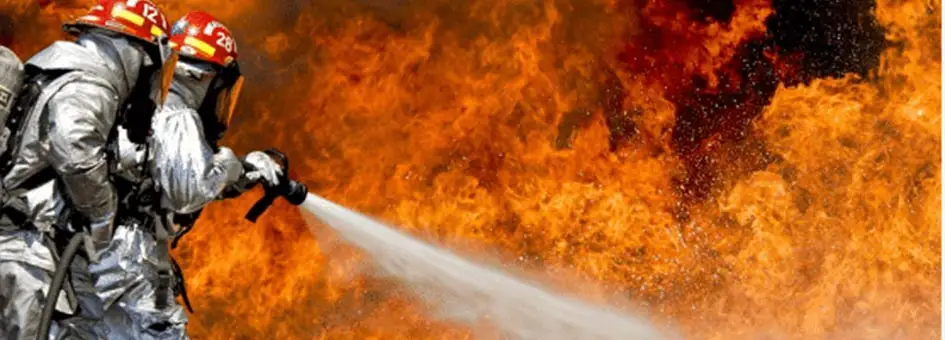
The Critical First 48 Hours After a Fire
A house fire is one of the most traumatic events a family can experience. In the immediate aftermath, emotions run high and it's difficult to know what to do. Having a clear plan for the first 48 hours helps you navigate this difficult time while protecting your family and your property.
This guide walks you through the essential steps in the critical first two days after a fire.
Immediately After the Fire (First 2 Hours)
Priority 1: Safety
Do Not Re-enter Your Home
- Fire officials must clear the structure first
- Hidden hazards may exist (structural, electrical, toxic gases)
- Wait for explicit permission from fire department
Account for Family Members
- Confirm everyone's safety
- Contact anyone who wasn't home
- Arrange to meet at a designated location
Care for Injuries
- Seek medical attention for any injuries
- Smoke inhalation may not show immediate symptoms
- Watch for respiratory issues in following hours
Priority 2: Basic Needs
Find Temporary Shelter
- Stay with family or friends if possible
- Local hotels/motels
- Red Cross emergency shelter
- Church or community organization assistance
Basic Necessities
- Food and water
- Medications (contact pharmacy for emergency supply)
- Clothing (Red Cross, Salvation Army can help)
- Pet care if applicable
Priority 3: Secure the Property
Get Fire Department Information
- Request a copy of the fire report
- Get contact information for the fire investigator
- Ask about re-entry timeline
- Find out if property will be secured or if you need to arrange board-up
Hours 2-6: Initial Actions
Contact Your Insurance Company
Make this call as soon as basic needs are addressed:
Information to Provide
- Policy number
- Date and time of fire
- Fire department case number
- Brief description of damage
- Your current contact information
What to Ask
- Claim number
- Adjuster assignment timeline
- Emergency expense coverage
- What to document
- Advance payment availability
Important: You can make emergency repairs to prevent further damage. Keep all receipts.
Secure Emergency Funds
Insurance Advance Most policies allow emergency advance payments for:
- Temporary housing
- Food and necessities
- Emergency clothing
- Pet boarding
Other Resources
- Contact your bank for assistance
- Red Cross disaster relief
- Community emergency funds
- Family assistance
Initial Documentation
If you can safely observe from outside:
- Take photos and video of exterior damage
- Don't enter the structure yet
- Note visible damage for insurance
- Document what the scene looks like
Hours 6-24: Organizing Your Response
When Cleared to Enter
Once fire officials permit re-entry:
Safety Precautions
- Wear long sleeves, pants, closed shoes
- Use N95 mask for smoke residue
- Bring flashlight (power may be off)
- Don't touch anything unnecessarily
- Limit time inside
What to Do
- Document everything with photos and video
- Retrieve essential items (documents, medications, valuables)
- Don't try to clean anything yet
- Don't turn on utilities
What to Retrieve (If Safe)
- Insurance policies and documents
- Medications
- Personal identification
- Irreplaceable items (photos, heirlooms)
- Children's comfort items
Utility Contacts
Prevent further damage and charges:
- Electric company: Have them disconnect service safely
- Gas company: Ensure gas is shut off
- Water company: May need to shut off if pipes damaged
- Security company: Update on situation
Begin Property Protection
Emergency Board-Up
- Secure broken windows and doors
- Prevent weather damage
- Deter theft and vandalism
- Keep receipts for insurance
Emergency Tarping
- If roof is damaged, tarp immediately
- Prevents secondary water damage
- Keeps out weather and animals
- Document the tarping process
Contact a restoration company like Total Care Restoration for emergency services.
Hours 24-48: Getting Organized
Create a Fire Recovery File
Organize all documentation:
Documents to Collect
- Fire department report
- Insurance claim number and adjuster info
- Police report (if applicable)
- All photographs and videos
- Receipts for emergency expenses
- Contractor estimates
- Medical records if injuries occurred
Keep a Log
- Date and time of all calls
- Who you spoke with
- What was discussed
- Promises made
- Follow-up required
Work with Insurance Adjuster
The adjuster may visit during this period:
Prepare for Their Visit
- Be present during inspection
- Point out all damage areas
- Don't throw anything away before they see it
- Ask questions and take notes
- Get everything in writing
Get Professional Assessments
Structural Assessment
- Professional evaluation of building safety
- Identifies hidden damage
- Required before reconstruction
Restoration Estimate
- Detailed scope of work
- Timeline for completion
- Cost breakdown
- Insurance documentation
Emotional and Practical Support
Taking Care of Yourself
This is a traumatic experience:
- Accept help from family and friends
- Allow yourself to grieve
- Don't make major decisions immediately
- Seek counseling if needed
- Take breaks from dealing with the aftermath
Supporting Your Family
Children May Need Extra Support
- Maintain routines as much as possible
- Be honest but age-appropriate
- Allow them to express feelings
- Provide comfort items when possible
- Consider counseling for trauma
Resources Available
Red Cross
- Emergency shelter
- Food and clothing
- Financial assistance
- Emotional support
Local Resources
- Churches and community organizations
- Community emergency funds
- Mental health services
- Legal aid for insurance disputes
What NOT to Do
Don't Make These Mistakes
- Don't enter without clearance - Structural and toxic hazards exist
- Don't turn on utilities - Could cause additional damage
- Don't clean up - Wait for professional assessment and insurance documentation
- Don't throw anything away - Insurance needs to see damage
- Don't sign anything without reading - Especially with contractors
- Don't accept first settlement offer - Especially for major losses
- Don't hire door-to-door contractors - Verify all credentials
Moving Forward (After 48 Hours)
Establish Long-Term Plan
Housing
- Determine timeline for restoration
- Find suitable temporary housing
- Update address with mail, banks, etc.
- Ensure insurance covers extended living expenses
Restoration
- Select qualified restoration contractor
- Approve scope of work
- Establish timeline
- Set up communication plan
Insurance
- Continue documenting everything
- Keep detailed expense records
- Follow up on claim progress
- Don't settle for less than fair value
Conclusion
The first 48 hours after a house fire are overwhelming, but taking these steps helps protect your family and your financial recovery. Focus on safety first, then systematically work through insurance, documentation, and restoration.
At Total Care Restoration, we understand the trauma of fire damage. We provide 24/7 emergency response including board-up, tarping, and initial damage assessment. We work directly with your insurance company and guide you through the entire restoration process.
If you've experienced a fire, call us at (786) 610-6317 immediately. We're here to help you recover.
Want to Learn More?
Read our comprehensive guide covering everything you need to know about this topic.
The Complete Guide to Fire Damage RestorationNeed Professional Help?
Our expert team is ready to assist with your fire damage restoration needs.
View Fire Damage Restoration Services