How to Avoid Scams in Restoration Services
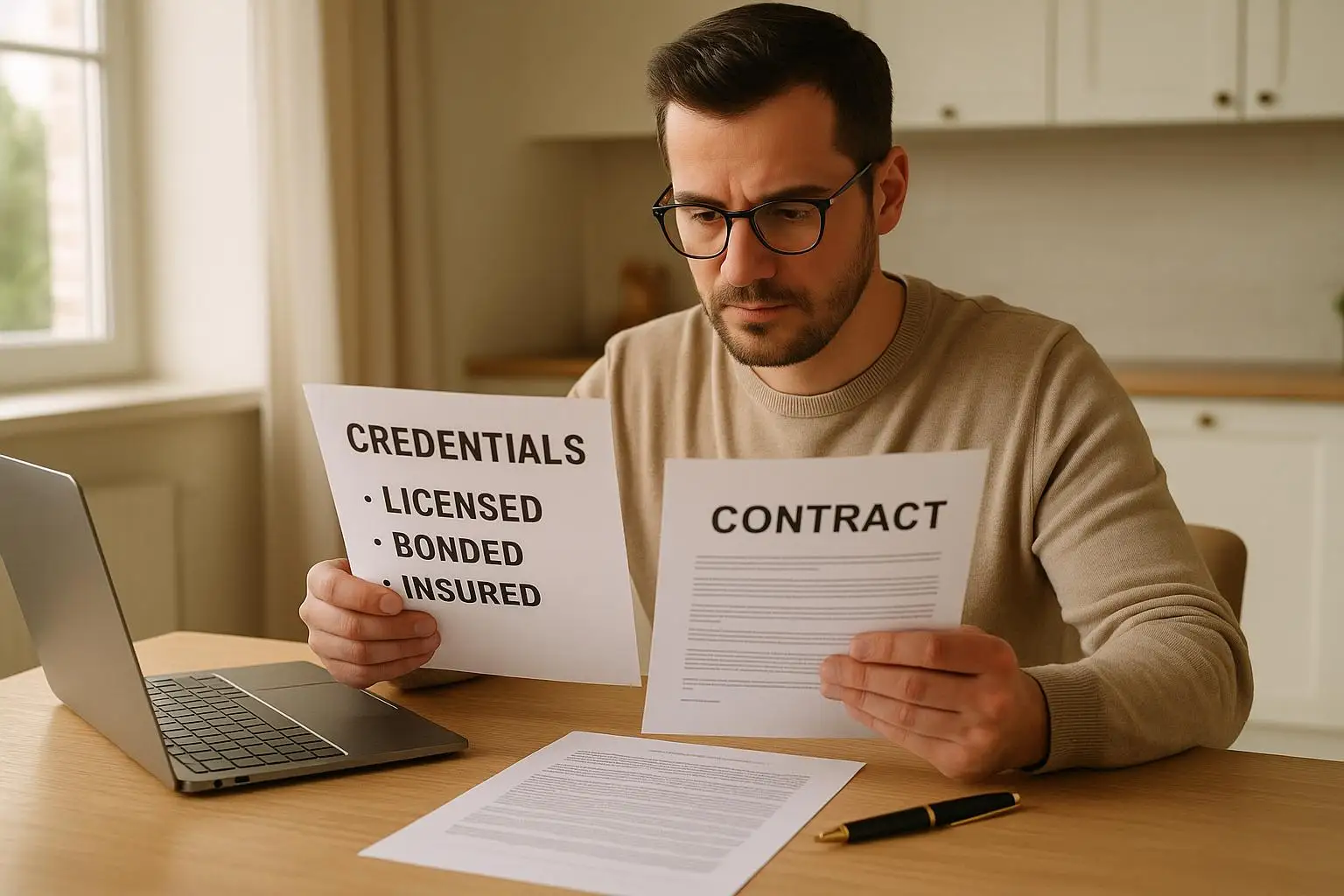
When disaster strikes – like water, fire damage, or mold damage – scammers often target homeowners desperate for quick fixes. Falling for these scams can cost you money, delay repairs, and worsen property damage. Here's how to protect yourself:
- Verify Credentials: Always check for valid licenses and insurance. Use official state databases to confirm.
- Avoid High-Pressure Tactics: Scammers may push you to decide quickly. Legitimate contractors take time to assess and won’t rush you.
- No Full Payment Upfront: Reputable companies follow milestone-based payments and provide detailed contracts.
- Check Reviews and References: Look beyond star ratings. Ask for recent references and read reviews carefully.
- Use Safe Payment Methods: Stick to traceable options like credit cards. Avoid cash or wire transfers.
How to avoid contractor scams after a disaster
Common Scams in the Restoration Industry
The restoration industry, unfortunately, has its fair share of scammers who prey on property owners dealing with damage. Knowing the common scams can help you avoid costly mistakes and protect your property from further harm. Let’s break down some of the most frequent scams and the warning signs to watch for.
Unlicensed or Uninsured Contractors
Hiring unlicensed or uninsured contractors is one of the riskiest mistakes you can make in restoration work. These individuals often appear professional, complete with business cards and polished websites, but they lack the credentials required to perform the job legally and safely.
Unlicensed contractors bring more than just the possibility of shoddy work. If they cause additional damage, injure themselves on your property, or abandon the project, you could be left footing the bill with no legal recourse. Even worse, your insurance company may refuse to cover damages caused by unlicensed work, leaving you responsible for both the original and any new issues they create.
Uninsured contractors are just as problematic. If they get injured while working on your property, you could end up liable for their medical bills and lost wages. Without liability insurance, any accidents or property damage fall back on you, potentially leading to tens of thousands of dollars in unexpected costs.
A common tactic used by these contractors is employing high-pressure sales techniques, which we’ll cover next.
High-Pressure Sales Tactics
Some scammers use high-pressure sales tactics to push you into making snap decisions. These individuals often show up uninvited after a disaster, claiming they "just happened to be in the area" and noticed damage to your property. They’ll offer quick fixes at seemingly discounted rates, but their goal is to rush you into agreeing before you’ve had time to think.
Phrases like "this offer is only good today" or "we’re leaving the area soon" are red flags. They might also warn that delaying repairs will lead to severe damage, creating a false sense of urgency. Legitimate contractors take time to assess the situation properly and won’t pressure you into immediate decisions, especially for complicated restoration projects.
Another warning sign is when contractors offer to handle your insurance claim while pitching their services. They might promise to take care of all the paperwork and guarantee full coverage, but this is misleading. Only your insurance adjuster can determine coverage, and no contractor can make such guarantees.
These tactics often go hand-in-hand with demands for full payment upfront, which we’ll discuss next.
Demands for Full Payment Upfront
If a contractor demands full payment upfront, it’s a major red flag. Reputable restoration companies don’t operate this way. Instead, they might request a small deposit or structure payments around project milestones, ensuring progress before receiving full compensation.
Scammers might try to sweeten the deal by offering discounts for "cash payments today" or warning that material costs will spike if you wait. However, trustworthy companies have established supplier relationships and don’t need your money to buy materials. They also have the insurance and bonding necessary to cover project costs without relying on customer financing.
When contractors insist on full upfront payment, it often leads to one of two outcomes: they disappear with your money, or they deliver subpar work because they’ve already been paid. Once you’ve paid in full, you lose all leverage, making it nearly impossible to hold them accountable for delays or poor-quality work.
Additional red flags include requests for cash-only payments, refusal to provide detailed written estimates, or pressuring you to sign a contract on the spot. These tactics are designed to separate you from your money while leaving you with little protection or recourse.
How to Check a Restoration Company’s Credentials
Before allowing any restoration company to work on your property, take the time to thoroughly vet their credentials. This step is essential to protect yourself from scams and ensure the work meets professional standards. It’s not just about legality – it’s about safeguarding your property and peace of mind.
Checking Licenses and Insurance
Licensing requirements can vary depending on your state or local regulations. For most restoration projects, a general contractor license is typically required. If the job involves hazardous materials like mold or asbestos, the company will likely need specialized remediation licenses. To confirm their credentials, visit your state’s official contractor licensing board website. Always rely on official sources to verify the license’s status and scope.
Insurance is equally important. A reputable restoration company should carry general liability insurance to cover property damage claims and workers’ compensation insurance to handle employee injuries. These policies protect you from unexpected financial burdens should something go wrong on the job.
"Insurance providers want to work with properly insured businesses. General liability insurance protects against property damage claims, while workers’ compensation covers employee injuries." – Grant McNaughton, goduo.co
Request insurance certificates directly from the company’s carrier. These documents should confirm that their coverage is current and sufficient for your project.
Reading Online Reviews and Ratings
Online reviews can provide a clearer picture of a company’s performance, but it’s important to analyze them carefully. Start with the Better Business Bureau (BBB) to check for complaint records and how the company responds to issues. This can help you identify potential red flags.
Don’t just skim star ratings – dig into the actual reviews. Look for patterns, especially recurring complaints about communication, delays, or unexpected charges. Focus on recent reviews, as they reflect the company’s current practices.
Use multiple platforms like Google Reviews, Yelp, and industry-specific sites to get a broader perspective. Be wary of companies with only perfect five-star ratings or a surge of similar reviews posted in a short time frame, as these could be fake. Pay attention to how the company responds to negative feedback – a professional and solution-oriented reply is a good sign of strong customer service.
Getting and Contacting References
While online reviews are helpful, personal references offer firsthand insights that can be even more revealing. Trusted companies should have no problem providing references from recent clients. Aim to get at least three references from projects completed in the last six months, as older references may not reflect the company’s current performance.
When speaking with references, ask detailed questions about their experience. Did the company finish the work on time? Was the final cost close to the original estimate? How did they handle unexpected challenges? Would they hire the company again? A simple phone call can give you a wealth of information about the company’s professionalism, communication, and reliability.
If a company hesitates to provide references or claims privacy concerns, that’s a red flag. Satisfied customers are usually happy to share their experiences, and established companies often have systems in place to connect you with past clients.
Certifications can also serve as a strong indicator of quality. Organizations like the IICRC (IICRC) and the Restoration Industry Association (RIA) require members to meet industry standards and maintain proper insurance.
"All certified firms must demonstrate proof of insurance and maintain a written customer complaint policy." – Restoration & Remediation Magazine
The IICRC, established in 1972, is a globally recognized authority with over 60,000 members and 6,000 certified businesses. While certification isn’t always legally required, it signals a company’s dedication to maintaining high standards and staying updated on best practices.
Getting a Detailed and Clear Contract
Before starting any restoration work, make sure you have a detailed written contract that outlines every aspect of the project. Like proper licensing and verified references, a clear contract is one of your strongest protections against scams.
Verbal promises mean nothing. Reputable contractors will document every detail and always provide a thorough contract. If a contractor pressures you to begin work without proper paperwork, consider it a serious warning sign.
Key Parts of a Complete Contract
A solid contract should include several critical elements to protect your interests:
- Scope of Work: This section should clearly describe all the services to be performed. It ensures you won’t face unexpected charges for tasks you assumed were included.
- Material Specifications: The contract should list all materials, including brands, quality grades, model numbers, and product lines. This prevents contractors from swapping in cheaper materials without your consent.
- Timeline: Specify start and completion dates, along with key project milestones. Include allowances for weather delays or other unforeseen issues, but make sure these exceptions are clearly defined.
- Payment Terms: Clearly outline the total cost, payment schedule, and acceptable methods of payment. Milestone payments should be tied to specific phases of work, not arbitrary calendar dates.
- Change Order Procedures: This section should explain how changes to the original plan will be handled. Require written approval for any modifications, and make sure the costs and timeline adjustments are agreed upon before work proceeds.
- Insurance and Warranty Information: Confirm that the contractor carries current liability and workers’ compensation insurance. The contract should also detail warranties for both labor and materials.
Avoiding Blank Spaces and Verbal Agreements
A detailed contract not only outlines the agreement but also protects you from unauthorized changes.
Make sure every blank space in the contract is either completed or crossed out before signing. Leaving blanks gives dishonest contractors room to add charges or alter terms after you’ve signed.
Never rely on verbal agreements to modify a written contract. If changes are needed during the project, insist on written change orders that clearly outline the modification, any additional costs, and timeline updates. Both you and the contractor should sign and date these changes before any extra work begins.
Be wary of vague language like "and other work as needed" or "additional repairs as discovered." These phrases can give contractors free rein to inflate costs. Demand precise descriptions of all work to be done.
Read the entire contract carefully – including all fine print and attachments – before signing. Don’t let anyone rush you or brush off your questions. Legitimate contractors will want you to fully understand the agreement.
Lastly, watch out for pre-signed sections or signatures that appear photocopied. This could indicate the contractor uses the same signature across multiple contracts, making it harder to prove the specific terms you agreed to. Always keep multiple signed copies for your records.
Safe Payment Methods and Project Monitoring
Protecting yourself from scams starts with cautious payment practices and vigilant project monitoring. By staying proactive, you can safeguard your investment and ensure the work meets your expectations.
Avoiding Full Payment Upfront
Never pay the entire amount before work starts. Instead, opt for a payment plan tied to project milestones.
A common approach involves a small initial payment – typically 10% to 20% of the total cost – to cover materials and initial setup. Subsequent payments should align with key milestones, like completing water extraction, structural drying, or final cleanup.
Be cautious of contractors who demand full payment upfront, claiming it’s necessary to secure materials or reserve your project. Reputable restoration companies usually have supplier relationships and don’t rely on your money for basic items like dehumidifiers or drywall.
Only release payments after approving completed work. This ensures any unresolved issues are addressed before you finalize payments.
Using Traceable Payment Methods
Stick to payment methods that offer traceability and protection, like checks or credit cards.
Credit cards, in particular, provide added security under federal law. If a contractor fails to deliver or performs poorly, you can dispute the charges. This safety net isn’t available with cash payments or wire transfers.
Avoid cash payments whenever possible. Cash offers no recourse if something goes wrong. Similarly, steer clear of contractors who insist on wire transfers or cryptocurrency payments – these are nearly impossible to reverse in cases of fraud.
When paying by check, make it payable to the business name exactly as it appears on the contract and licensing documents. Avoid writing checks to individuals unless you’ve verified they are the legitimate business owner. Keep copies of all payment records, including check images and credit card receipts, to maintain a clear paper trail.
Tracking Project Progress
Safe payment practices go hand-in-hand with actively monitoring your project to ensure accountability. Ask if the contractor provides tools like client portals or mobile apps that offer real-time updates, photo documentation, and clear timelines.
Visual progress updates are particularly helpful. Some companies use time-stamped photos and annotated timelines to show completed tasks and what’s still pending. These tools make it easy to track the project without being on-site constantly.
Visit the worksite regularly during business hours to observe progress firsthand and confirm the project is on schedule. Take your own photos and notes to document the work being done.
Feel free to ask questions about materials, techniques, or changes to the timeline. A professional contractor will be open and transparent, welcoming your involvement. If a contractor becomes defensive or restricts your access to the site, treat it as a red flag.
Keep all communications and changes in writing. This documentation can be a lifesaver if disputes arise or if you need to file an insurance claim or report issues to licensing boards.
Choosing a Trusted Provider: Total Care Restoration
When it comes to selecting a Miramar water damage restoration, it’s essential to focus on key factors like proper licensing, transparent communication, fair payment policies, and proven expertise. These elements create a solid foundation for assessing companies, including Total Care Restoration.
Why Choose Total Care Restoration?
Total Care Restoration aligns with industry standards, ensuring peace of mind for their clients. They hold all necessary licenses and insurance, reducing the risk of working with unqualified contractors. Their team of certified technicians specializes in a range of services, including Emergency Water Damage Checklist: First 24 Hours restoration, fire restoration, Mold Remediation, The Future of Restoration Innovations in Water Fire And Mold Remediation, and Roof Tarping Completely Explained.
Available 24/7, their emergency services mean you can reach out anytime at (786) 610-6317, without feeling pressured into decisions. They also offer direct insurance billing, a process that requires adherence to strict protocols, further solidifying their credibility. Plus, their free preliminary evaluations allow you to understand your situation and weigh your options without financial stress.
How Total Care Restoration Ensures Clear Communication and Quality
Total Care Restoration emphasizes clear communication and quality throughout every project. They assign a dedicated account representative to each client, ensuring consistent updates and minimizing the chances of miscommunication – a tactic often exploited by less reputable providers.
The company leverages advanced technology to maintain transparency and streamline their processes. Their commitment goes beyond the initial emergency response, ensuring every job is completed to professional standards. This dedication reflects their accountability and focus on delivering high-quality results.
When choosing a restoration company, Total Care Restoration sets an example of how legitimate providers operate. With proper licensing, transparent practices, and a focus on customer satisfaction, they offer reliable, round-the-clock support and a commitment to excellence that stands out in the industry.
Conclusion: Protecting Yourself from Restoration Service Scams
Protecting yourself from restoration service scams starts with being proactive and informed. By verifying credentials, securing clear contracts, and practicing smart payment methods, you can avoid falling victim to fraudulent tactics.
Verification is key. Always confirm licenses and insurance through official state databases rather than trusting certificates presented by contractors. Legitimate restoration companies, like Total Care Restoration, maintain up-to-date licenses and comprehensive insurance because their reputation depends on it.
Detailed contracts are your safety net. Never rely on verbal promises or sign contracts with blank spaces. A thorough, written agreement ensures both parties are on the same page regarding the project’s scope, timeline, and costs. This clarity can save you from unnecessary disputes and unexpected expenses.
Be cautious with payments. Avoid contractors who demand full payment upfront or insist on cash-only transactions. Reputable companies typically follow a staged payment structure tied to project milestones and accept traceable payment methods. Many also work directly with insurance companies to streamline the process.
While scams exist, many restoration professionals are dedicated to providing reliable and honest services. Taking the time to verify credentials and review contracts isn’t about being overly cautious – it’s about protecting your property and financial investment. Trusted companies like Total Care Restoration, available 24/7 at (786) 610-6317, back up these practices with transparent communication and dependable support, ensuring you receive the help you need without compromising professionalism.
FAQs
How can I make sure a restoration company is licensed and insured before hiring them?
To ensure a restoration company is properly licensed and insured, start by requesting proof directly from them. Once you have their license details, verify its validity with your local licensing authority or state agency. It’s also important to confirm they carry sufficient insurance to protect your property and check if they are bonded, especially if it’s a requirement in your area.
For extra reassurance, look for certifications from well-known industry organizations. These certifications often show a dedication to quality work and ethical standards. Taking these precautions can help you avoid potential scams and ensure you’re partnering with a reliable company.
What warning signs should I look for if a contractor is using high-pressure sales tactics?
Watch Out for High-Pressure Sales Tactics
If a restoration contractor is pushing you to make a quick decision, take it as a warning sign. Be wary of anyone who insists you commit on the spot, claims their offer is only good for a short time, or pressures you into signing a contract without giving you the chance to review it properly.
Trustworthy contractors understand the importance of giving you time to weigh your options. They won’t rely on scare tactics or create a false sense of urgency to seal the deal. Instead, they’ll be upfront, patient, and ready to answer all your questions in detail. Always prioritize working with professionals who value transparency and respect your decision-making process.
Why shouldn’t I pay the full amount upfront for restoration services?
Paying the entire cost upfront for Commercial can leave you vulnerable to scams or shoddy workmanship. Unfortunately, some contractors might take the money and fail to finish the job, cut corners, or deliver results that don’t meet expectations.
To avoid this, consider breaking payments into stages tied to progress. A typical approach is to pay no more than 50% upfront, with the rest paid after specific milestones are met or once the project is completed to your satisfaction. This method helps ensure the contractor stays accountable and protects your investment.
Related posts
Want to Learn More?
Read our comprehensive guide covering everything you need to know about this topic.
The Complete Guide to Water Damage Restoration in South FloridaNeed Professional Help?
Our expert team is ready to assist with your water damage restoration needs.
View Water Damage Restoration Services