How Thermal Fogging Restores Indoor Air Quality
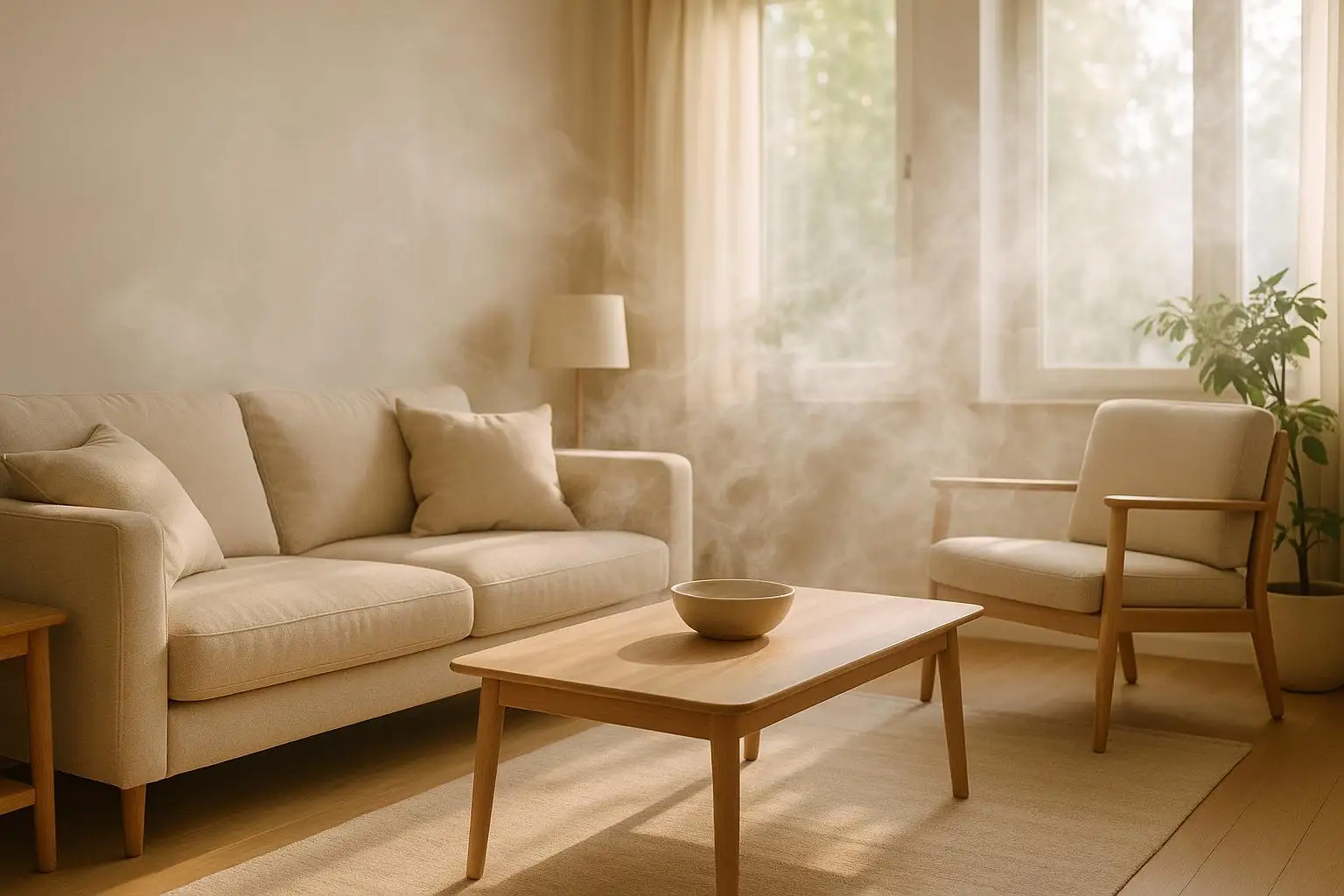
indoor air quality is a method used to Top 7 Fire Odor Neutralization Techniques and Common Air Quality Issues After Fire Cleanup. Traditional cleaning methods often fail to remove deeply embedded smoke particles and toxic gases that linger in materials like drywall, carpets, and furniture. These contaminants can cause respiratory issues, headaches, and other health risks, especially for vulnerable groups like children and the elderly.
Thermal fogging works by heating a deodorizing solution to create microscopic droplets that penetrate hard-to-reach areas, neutralizing odor-causing molecules at their source. Unlike surface cleaning or air fresheners, this process provides long-lasting results by addressing the root cause of contamination. It’s especially effective for smoke, mold, pet odors, and other stubborn pollutants.
Key Points:
- Smoke particles embed in porous surfaces and release harmful chemicals over time.
- Thermal fogging reaches deep into materials, neutralizing odors and contaminants.
- The process also helps disinfect spaces, improving overall air quality.
- How Professionals Assess Smoke Odor In Properties during treatment.
If you’re dealing with persistent odors or poor air quality after a fire, thermal fogging offers a targeted solution for restoring a healthier indoor environment.
Thermal Fogging for Smoke, Cigarette & Other Odors
Why Smoke Odors Stay After Fire Damage
Smoke Damage Long Term Effects And Restoration Techniques. This happens because microscopic smoke particles infiltrate materials in ways that go far beyond what the eye can see. Unlike the visible soot that cleanup crews can remove, How To Stop Smoke Damage After A Fire, making standard cleaning methods ineffective at eliminating the smell.
How Smoke Particles Penetrate Materials
Smoke particles are incredibly small, which allows them to seep into almost any porous surface in a home or business. Materials like drywall, wood, insulation, carpets, and upholstery essentially act as sponges, soaking up these particles deep within their fibers and cracks. Even HVAC systems can spread smoke particles throughout the property, affecting areas far removed from the fire itself.
The problem lies in how these particles settle in places that standard cleaning methods can't reach – inside walls, beneath flooring, and within tiny surface imperfections. Once embedded, they continue to release volatile organic compounds (VOCs) and other odor-causing chemicals. This is why a property might seem clean and fresh at first, only for the smoke smell to return days or even weeks later. The ongoing release of VOCs also poses a threat to air quality issues.
Health Risks of Lingering Smoke Particles
The presence of smoke odors isn’t just unpleasant – it’s a warning sign of ongoing contamination. Smoke particles left behind in materials continue to release toxic compounds into the air, which can cause immediate health issues such as coughing, shortness of breath, and irritation of the eyes and throat.
Certain groups are especially vulnerable: children, the elderly, and individuals with pre-existing respiratory conditions like asthma face heightened risks. For these populations, exposure to residual smoke can lead to respiratory distress, increased susceptibility to infections, and worsening of existing health problems.
The long-term effects are equally concerning. Prolonged exposure to smoke residue has been linked to chronic respiratory diseases, cardiovascular issues, and even cancer. Smoke residue often contains carcinogenic compounds, which can be particularly harmful to those spending extended time in contaminated spaces.
| Health Impact | Immediate Effects | Long-term Effects | Most Vulnerable Groups |
|---|---|---|---|
| Respiratory Issues | Coughing, shortness of breath | Chronic respiratory disease | Children, elderly, individuals with asthma |
| Irritation | Eye and throat irritation | Ongoing sensitivity | Individuals with allergies |
| Systemic Symptoms | Headaches, fatigue | Cardiovascular problems | Immunocompromised individuals |
| Cancer Risk | Not immediately apparent | Increased cancer risk | All groups, especially children |
Addressing these risks requires more than surface-level cleaning. Specialized methods like thermal fogging are designed to target the deeply embedded particles that standard cleaning techniques can’t reach.
While wiping walls, vacuuming carpets, or using air fresheners may temporarily mask odors, they don’t address the root cause: the deeply entrenched particles that continue to release harmful chemicals. Restoration experts emphasize that if you can still smell smoke after cleaning, it’s a clear sign that harmful particles remain in your environment. This underscores the importance of using advanced treatments to eliminate both the odor and the health hazards at their source.
What Thermal Fogging Is and How It Works
Thermal fogging is a powerful method for tackling stubborn contaminants, especially those left behind after a fire. It mimics how smoke spreads, using heat to transform a liquid deodorizing solution into a dense fog made of microscopic droplets. This fog travels into the same nooks and crannies where smoke particles once settled, addressing the root of contamination.
When the deodorizing solution is heated, it turns into an ultra-fine mist capable of infiltrating even the tiniest spaces within a property. Instead of just covering up odors, the fog chemically interacts with and neutralizes odor-causing molecules. This makes it especially effective for eliminating harmful contaminants, like carcinogenic debris from Fort Lauderdale water damage restoration. Thermal fogging is carried out with precision to ensure every corner is treated, leaving the space thoroughly restored.
How the Thermal Fogging Process Works
The process begins with a specialized machine that heats the deodorizing solution and disperses it throughout the affected area. To ensure the fog reaches all hidden spots, it’s important to leave closets, drawers, and cabinets open during the procedure.
Once released, the fog moves through the space, penetrating porous materials and following the same paths smoke took during the fire. It seeps into cracks, corners, walls, and even furniture, chemically bonding with smoke particles to neutralize odors at the molecular level. This deep penetration ensures that odors are eliminated, not just masked. The fog can access areas traditional cleaning methods often miss, like inside walls or beneath flooring, making it a comprehensive solution for odor and contamination removal.
Why Thermal Fogging Works Better Than Standard Methods
Thermal fogging stands out because it tackles odors at their source, delivering results that last. Conventional methods, like air fresheners or surface cleaning, only provide temporary relief. Air fresheners mask odors, and surface cleaning is limited to visible areas, leaving embedded particles untouched. These leftover particles continue to release odors over time.
Thermal fogging, on the other hand, penetrates deep into materials – soaking into carpets, seeping through cracks, and permeating walls. It doesn’t just cover up the problem; it chemically neutralizes contaminants for long-term results.
Here’s how thermal fogging compares to other methods:
| Method | Penetration Ability | Odor Removal Approach | Duration of Results |
|---|---|---|---|
| Surface Cleaning | Surface only | Physical removal/masking | Temporary |
| Air Fresheners | Limited to air and surfaces | Masking with fragrances | Very temporary |
| Thermal Fogging | Deep penetration into materials | Chemical neutralization | Long-lasting |
While air scrubbing with EPA filters can trap particles as small as 0.3 microns, thermal fogging goes a step further. It penetrates materials directly, addressing embedded smoke particles that air filtration alone can’t reach.
Some thermal fogging solutions also include disinfectants, which eliminate bacteria, viruses, and other pathogens. This added feature not only improves air quality but also ensures a cleaner, safer environment, making thermal fogging an excellent choice for thorough restoration.
The Thermal Fogging Restoration Steps
Thermal fogging requires careful planning and strict adherence to safety protocols to effectively eliminate odors while ensuring the safety of both people and property. Restoration professionals follow a detailed process to achieve the best results.
Preparing for Thermal Fogging
Safety comes first when getting a property ready for thermal fogging. Occupants and pets must leave the premises because inhaling the fogging solution can pose health risks. This is especially important for children, older adults, and individuals with respiratory issues.
Fire safety precautions are equally important. Any open flames, such as pilot lights, candles, or stoves, must be extinguished to avoid potential fire hazards. Electrical equipment may also need to be turned off or unplugged, depending on the recommendations of the restoration team.
To concentrate the fog within the property, exterior doors and windows should remain closed. At the same time, interior spaces like closets, drawers, and cabinets should be left open to allow the fog to reach hidden areas and address lingering odors effectively.
Items that could be damaged by the fogging solution should either be removed or carefully covered. Before starting, the restoration team performs a final safety inspection to ensure that all precautions are in place. Throughout the process, technicians wear protective gear to maintain safety.
Once everything is set, the fogging process begins.
Applying the Fog and Ventilating
The deodorizing solution is heated and released as a fine mist, which can penetrate deep into carpets, cracks, walls, and other hard-to-reach areas. This mist works to neutralize odor molecules at their source.
After the fogging is complete, ventilation is crucial. Technicians open windows and use fans or air scrubbers to remove any residual compounds, restoring indoor air quality. Depending on the size of the property, the extent of the fogging, and the chemicals used, the area may need to remain vacant for several hours or even overnight. Occupants should only return once the space has been thoroughly ventilated and declared safe by the restoration experts.
Total Care Restoration’s certified technicians follow these detailed protocols to ensure the process is both safe and effective. Their team, available 24/7 at (786) 610-6317, is equipped to quickly restore indoor air quality using proven thermal fogging techniques.
How Thermal Fogging Improves Indoor Air Quality
Thermal fogging improves indoor air quality by doing more than just masking odors – it tackles the root causes of airborne contamination. This method works by targeting pollutants deep within surfaces, creating a cleaner and healthier environment.
Removing Odors and Airborne Contaminants
Thermal fogging uses microscopic droplets to neutralize odor-causing particles at their core, penetrating cracks and porous materials far better than surface-level treatments. Instead of simply covering up smells, it eliminates the source, ensuring that hidden contaminants don’t continue to affect air quality.
Many thermal fogging solutions also include disinfectants, which not only neutralize odors but kill bacteria, viruses, and other pathogens. This makes the method particularly effective for dealing with smoke odors, mold spores, pet smells, and chemical residues. By removing these pollutants, thermal fogging reduces the likelihood of respiratory issues, allergies, and other health concerns. This is especially beneficial for households with children, elderly individuals, or anyone with pre-existing respiratory conditions.
Results That Last
Thermal fogging offers long-lasting benefits by addressing contaminants at their source, rather than just shifting or masking them. This deep-cleaning approach often achieves more thorough results compared to standard cleaning methods.
One homeowner shared their experience after a fire left lingering smoke odors despite extensive cleaning. Following professional thermal fogging, the odors vanished completely, and Air Quality Testing After Fire Damage revealed a significant drop in airborne contaminants. For the family, this meant a safer and healthier living space.
The durability of these results depends on the severity of contamination and the thoroughness of the treatment. In many cases, properties remain odor-free and the air noticeably fresher for a long time after a single professional session. Unlike traditional methods that might leave behind unseen particles, thermal fogging provides a more complete solution, often eliminating the need for repeated treatments. This lasting improvement highlights the value of professional services, particularly in addressing severe contamination.
When to Call Professional Restoration Services
Knowing when to turn to professional thermal fogging services can save you time, money, and protect your health. While some odor issues might seem like DIY fixes, there are situations where specialized tools and expertise are absolutely necessary. Let’s take a closer look at scenarios that demand professional help.
Situations That Need Thermal Fogging
Fire damage is one of the most common reasons to call in professional thermal fogging. Smoke particles can bury themselves deep within walls, carpets, and HVAC systems – places that standard cleaning methods simply can’t reach. Kitchen fires can be especially tricky because grease and smoke residue cling stubbornly to surrounding materials.
Tobacco smoke and fireplace residue present similar challenges. Tar, nicotine, soot, and creosote can embed themselves into surfaces, making them resistant to ordinary cleaning methods. Thermal fogging’s ability to penetrate deeply is crucial for tackling these tough odors.
Mold and mildew odors are also red flags. That musty smell often signals active microbial growth, which can pose serious health risks – particularly for children, the elderly, and those with respiratory issues. Thermal fogging isn’t just about odor removal; many solutions also include disinfectants to eliminate harmful microorganisms.
Pet odors, especially from urine, can linger long after surface cleaning. Ammonia compounds in urine seep into subflooring, carpets, and walls, making them nearly impossible to neutralize without advanced methods. Thermal fogging gets to the root of these odors, providing a more thorough solution.
If anyone in your home experiences respiratory symptoms linked to these contaminants, it’s time to consider professional thermal fogging. Lingering smoke particles, for instance, can aggravate breathing issues.
Why Choose Total Care Restoration
Once you’ve identified these conditions, professional services become essential to ensure effective restoration. Total Care Restoration stands out in the field with its expertise in thermal fogging and restoration services, delivering results that truly make a difference. Their 24/7 emergency response team is ready to assist whenever disaster strikes – especially after a fire, when quick action can prevent further damage.
Their certified technicians are trained in the complex safety protocols required for thermal fogging. From evacuating the area and using protective gear to ensuring proper ventilation after treatment, they handle every step with precision. This attention to detail ensures odors are fully addressed while minimizing risks associated with chemical exposure.
To ease the stress of restoration emergencies, Total Care Restoration also offers direct insurance billing. They handle the paperwork, so you can focus on getting your property back to normal. Their commitment to protecting your home throughout the process is evident in the feedback they receive. As one customer shared:
"Alexander’s team at Total Care Restoration were nothing short of amazing. The team was always on time, respectful, clean. They protected my home as if it was their own. Words cannot express the gratitude my family and I will always have for Total Care Restoration."
Another standout feature is their thorough documentation process. Technicians photograph every step of the restoration to provide clear records for insurance claims and maintain accountability. Before treatment begins, they conduct a detailed assessment to ensure no affected areas are overlooked.
For help with smoke odors, fire damage, or other air quality issues requiring thermal fogging, reach out to Total Care Restoration at (786) 610-6317. Their emergency line is available 24/7, connecting you with certified professionals who can assess your situation and get started on restoring your property right away.
Conclusion: Restoring Indoor Air Quality with Thermal Fogging
Thermal fogging provides a powerful way to restore indoor air quality after fire damage. Unlike standard cleaning methods that only deal with surface-level residues, this process targets odor-causing molecules deep within materials. By turning heated deodorizing solutions into tiny droplets, thermal fogging ensures even the most hard-to-reach areas are treated effectively.
In addition to tackling stubborn odors, many thermal fogging solutions include disinfectants that eliminate harmful pathogens. This added layer of protection highlights why thermal fogging goes beyond what traditional cleaning methods can achieve.
One of the standout benefits of thermal fogging is its ability to deliver lasting odor removal. The fog permeates all affected areas, including hidden spaces that surface cleaning often overlooks, leaving behind fresh, breathable air and helping to restore properties to a condition closer to what they were before the fire.
However, this process requires professional handling. Certified technicians are essential to ensure safety and effectiveness, following strict protocols that include proper evacuation, adequate ventilation, and the use of specialized tools to manage the fogging process thoroughly.
Thermal fogging offers a reliable approach to improving air quality and safety. With professional restoration services, odors can be permanently removed, creating a healthier indoor environment. If you’re dealing with lingering smoke odors after fire damage, reach out to Total Care Restoration at (786) 610-6317 for expert assistance.
FAQs
How effective is thermal fogging at eliminating smoke odors and improving air quality?
Thermal fogging is a powerful way to tackle persistent smoke odors and improve indoor air quality, particularly in spaces affected by fire damage. Using a specialized heated fogging machine, this method releases tiny particles of deodorizing agents that can reach deep into nooks and crannies, targeting and neutralizing odor-causing molecules at their core.
What sets thermal fogging apart is its ability to deliver lasting results. Instead of just covering up the smell, it eliminates the source of the odor entirely. For those dealing with fire restoration, certified professionals can walk you through this process and help restore your property to a clean, breathable environment.
What safety steps should be followed before and during thermal fogging?
To stay safe during the thermal fogging process, a few precautions are essential:
- Before fogging: Remove people, pets, and sensitive items like food, plants, or electronics from the area. Plan for proper ventilation once the process is finished.
- During fogging: Only trained professionals should handle the equipment. They must wear protective gear, including masks and gloves, to minimize exposure to the fogging chemicals.
Thermal fogging is an excellent way to eliminate smoke odors and improve indoor air quality. However, it’s crucial that certified technicians carry out the process to ensure both safety and effectiveness. If fire damage has impacted your property, Total Care Restoration’s team is available around the clock to help you restore it safely and efficiently.
Can thermal fogging eliminate other indoor air quality issues like mold or pet odors?
Thermal fogging is an excellent method for tackling various indoor air quality problems, such as lingering smoke odors, pet smells, and even some mold-related scents. The process uses a heated solution to produce a fine mist that reaches into tough-to-access areas, effectively neutralizing odors and contaminants right at their source.
If your property has suffered from fire damage, smoke issues, or other air quality challenges, Total Care Restoration provides a range of services, including fire restoration and mold remediation. Their certified technicians are available around the clock to help restore your home or business to a clean and healthy state.
Related Blog Posts
Want to Learn More?
Read our comprehensive guide covering everything you need to know about this topic.
The Complete Guide to Mold Remediation in FloridaNeed Professional Help?
Our expert team is ready to assist with your indoor air quality needs.
View Indoor Air Quality Services