How Routine Inspections Prevent Water Damage
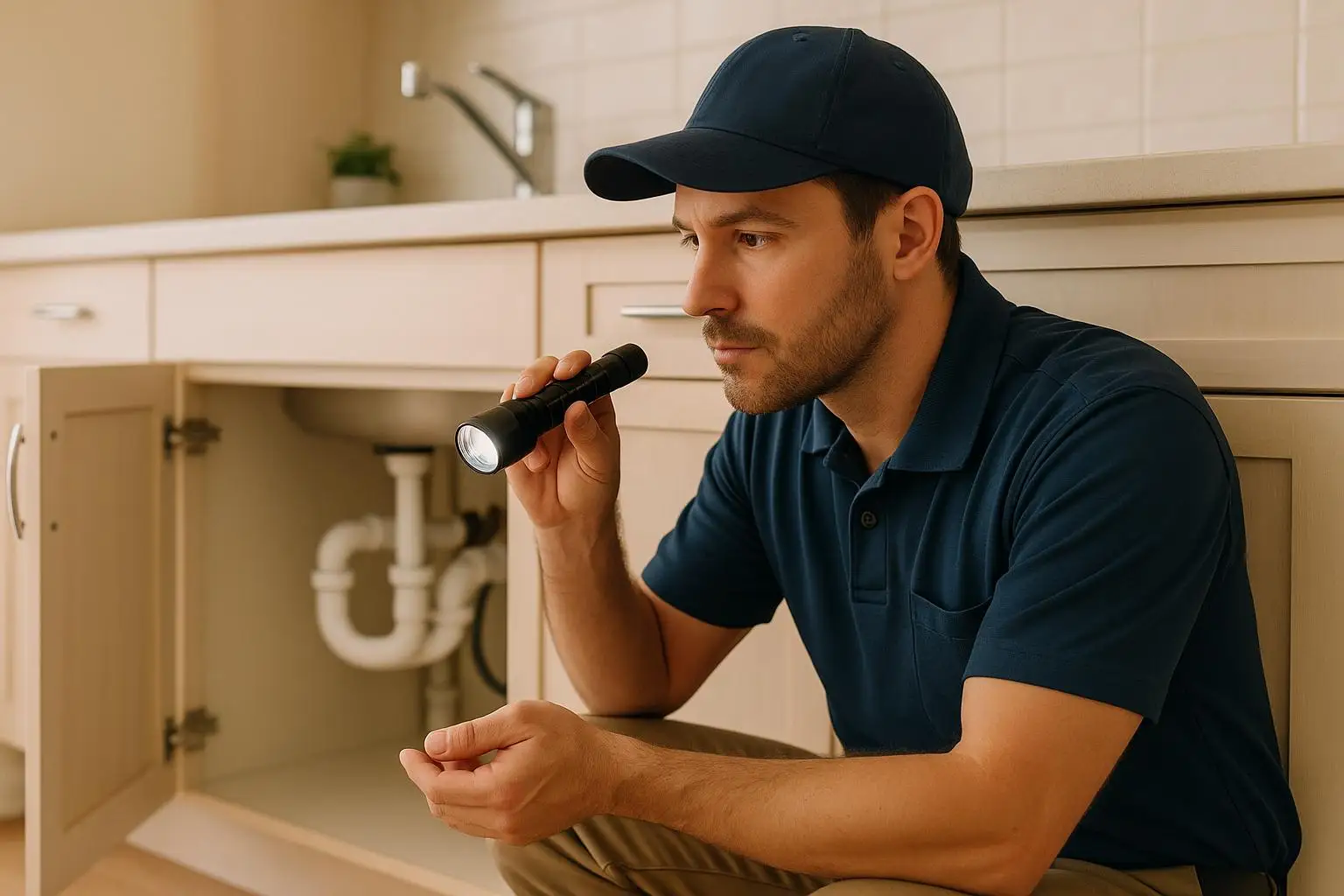
Routine inspections are the best way to stop Emergency Water Damage Checklist: First 24 Hours before it becomes expensive and harmful. Emergency Water Damage Checklist: First 24 Hours often starts small – leaky pipes, roof issues, or malfunctioning appliances – but can quickly escalate into structural problems, mold growth, and higher repair costs. Regular checks help you catch these issues early, saving money, maintaining your property’s condition, and avoiding health risks like mold exposure.
Key Takeaways:
- Water damage is often hidden and costly, averaging $4,000 for restoration alone.
- Common causes include plumbing leaks, roof problems, appliance malfunctions, and poor drainage.
- Warning signs: water stains, musty smells, warped floors, peeling paint, and rising water bills.
- Inspections focus on plumbing, roofs, appliances, and foundations, helping to spot issues early.
- Professional help is critical for persistent dampness, mold, or severe damage.
How to do a moisture inspection for water damage
Common Water Damage Sources and Warning Signs
Regular inspections can help you catch water damage early, saving you from expensive repairs down the line. Water has a sneaky way of finding its way into your property through various entry points, so identifying potential trouble spots early is key to minimizing damage.
Where Water Damage Starts
Water damage can come from several sources, and being aware of these is the first step to protecting your property:
- Plumbing problems: Leaky or burst pipes, aging plumbing systems, and even high water pressure can lead to moisture issues. These problems often go unnoticed until they cause significant damage, and in some cases, minor leaks can escalate into major flooding.
- Roof issues: A damaged or aging roof can allow rainwater to seep in through small openings. Missing shingles or debris-clogged gutters can direct water into ceilings, walls, and insulation. Once inside, the moisture can spread far from its original entry point, making it harder to pinpoint the source.
- Appliance malfunctions: Appliances like dishwashers, washing machines, water heaters, and boilers can leak due to worn-out seals or old hoses. These leaks may start small but can eventually damage flooring and subflooring if left unchecked.
- HVAC system problems: Malfunctioning HVAC systems, such as those with clogged condensate drains, can lead to moisture buildup. This trapped moisture often damages nearby structures.
- Sewer backups: Blocked or damaged sewer lines can push wastewater back into your property, causing extensive material damage and introducing harmful contaminants.
- Natural disasters and flooding: Heavy rains, hurricanes, and flash floods can overwhelm your property in no time, leading to widespread water infiltration.
- Groundwater infiltration: Poor drainage systems can allow groundwater to seep through foundation walls and floors. Over time, this can cause the soil to swell, concrete to crack, and significant internal damage to develop unnoticed.
Identifying these sources is only half the battle – you also need to spot the early warning signs.
Warning Signs to Look For
Preventing And Restoring Water Damage in Historical Homes can make all the difference. Here are some red flags to watch for:
- Water stains: Discolored patches or streaks on walls and ceilings that grow over time often indicate a water issue.
- Damp spots or wet areas: Moisture in places with no apparent cause could point to hidden leaks.
- Warped or buckled flooring: When moisture seeps into the subfloor, it can cause visible warping or buckling.
- Musty odors: A damp, musty smell may signal mold or mildew, which can start forming within 24 to 48 hours of water exposure.
- Peeling or bubbling paint and wallpaper: This is often a sign of moisture trapped behind walls.
- Soft or spongy surfaces: Walls, ceilings, or floors that feel soft to the touch could be weakened by water.
- Rising water bills: An unexplained spike in your water bill might indicate a hidden leak.
- Visible mold: Mold growth is another clear indicator of a moisture problem that needs immediate attention.
Ignoring these signs can lead to far more severe consequences.
What Happens When You Wait Too Long
Delaying action after noticing water damage can turn a manageable problem into a disaster. Over time, water can weaken wooden beams, floor joists, and other structural elements, putting your property’s safety at risk.
Unchecked water damage can also lead to significant mold growth, which often requires professional remediation and the replacement of drywall, flooring, and insulation. If water reaches electrical systems, it can create dangerous conditions like short circuits or even fires. Long-term exposure to moisture can also damage your foundation, leading to costly repairs and potentially lowering your property’s overall value.
Routine inspections and early intervention are your best defenses against these escalating problems. Catching water damage early can save you both time and money in the long run.
What to Check During Property Inspections
Taking a methodical approach to video inspection can help identify leaks and issues before they turn into costly repairs. By focusing on key areas, especially those prone to water damage restoration basics, you can protect your property’s value and avoid potential headaches.
Areas That Need Regular Checking
Start with plumbing systems, as they’re often the first culprits when it comes to water damage. Inspect all visible pipes and fittings, including those under sinks and around water heaters. Don’t forget washing machine hoses and refrigerator water lines – they’re common trouble spots. Check toilets, tubs, showers, faucets, and shut-off valves for any signs of leaks, corrosion, or moisture. Even a small drip can lead to bigger issues if left unchecked. Afterward, keep an eye on your water meter. If it shows unexplained usage, it could point to a hidden leak.
Your water meter is a valuable tool for spotting leaks that aren’t immediately obvious. A sudden spike in your water bill or unusual meter activity could signal that water is escaping somewhere in your system.
Next, turn your attention to the roof and gutters. After storms or heavy weather, inspect for missing, cracked, or damaged shingles. Water stains or damp insulation in the attic are red flags that shouldn’t be ignored. Clear out gutters and downspouts regularly to ensure water is directed away from your home’s foundation.
Don’t overlook appliances, as they’re another frequent source of water issues. Check water heaters, refrigerators, washing machines, and air conditioning units for leaks or signs of malfunction. Regular maintenance can prevent small problems from turning into big ones.
Outdoors, exterior elements need careful attention. Examine window sills and frames for cracks, stains, or damp areas, and make sure weather stripping around doors and windows is secure. Inspect the foundation for cracks, and watch for efflorescence – those white, powdery streaks caused by evaporating moisture. Also, confirm that the ground around your home slopes away to encourage proper drainage.
Inside the home, interior areas should be thoroughly inspected. Look for stains, peeling paint, or warping on ceilings, walls, and floors. Pay close attention to baseboards, trim, and exposed wooden beams for signs of discoloration or swelling. Bathrooms, kitchens, laundry rooms, basements, crawl spaces, and attics are particularly prone to moisture, so inspect these areas carefully.
Finally, ensure that ventilation systems are functioning properly. Exhaust fans in bathrooms and kitchens should effectively remove humid air to prevent moisture buildup.
How Regular Inspections Stop Water Damage
Regular inspections are your first line of defense against water damage. They allow you to catch small problems, like a minor leak, before they escalate into major issues such as rotted floors, damaged walls, or mold infestations. The trick is to take a systematic approach and know exactly what to look for during each inspection.
The Inspection Process Step by Step
Start by scheduling inspections consistently. Many property owners find it helpful to stick to a regular schedule, adding extra checks after severe weather events. Mark these inspections on your calendar to ensure they don’t slip through the cracks.
During the inspection, examine your property methodically, moving from one area to the next. This step-by-step approach ensures you don’t miss any vulnerable spots. Take photos as you go to track changes over time.
Document everything you notice. Record the date, location, and details of any issues you find. Note whether problems are new or getting worse. This type of documentation is incredibly useful when it comes to prioritizing repairs or working with contractors and insurance adjusters.
Address urgent repairs immediately. Even a small leak can cause big problems if left unchecked. Fix active leaks as soon as possible and plan to repair wear-and-tear items before they let water seep in. For hidden issues, tools like What Is a Moisture Meter the Best Measurement can help detect dampness behind walls, under floors, or above ceilings – places where damage can grow unnoticed.
This systematic approach not only prevents extensive water damage but also lays the groundwork for saving money, as discussed next.
Money Saved by Catching Problems Early
Routine inspections can save you a significant amount of money. By catching issues early, you can avoid costly repairs, reduce your water bill, and even improve your insurance terms. On the flip side, delaying repairs often leads to widespread damage involving multiple parts of your property, which can seriously inflate costs.
If water damage does occur, having detailed records can also demonstrate that the issue was sudden and accidental, rather than the result of neglect. This can be crucial when dealing with insurance claims.
Keeping Track of Your Property’s Condition
Accurate records are more than just a way to save money – they help you spot recurring problems. Keep a simple log documenting inspection dates, repairs, and any issues you notice. This log can help you identify patterns, such as seasonal problems like increased moisture during heavy rains, so you can prepare for them in advance.
A visual record is equally important. Save dated photos with descriptions to track whether an issue is improving, staying the same, or getting worse. Keeping these records digitally makes them easy to reference.
Also, maintain a record of repair costs and contractor details. This can make budgeting easier and provide a go-to list of trusted professionals for future repairs or emergencies.
Use your records to establish a baseline for what’s normal in your home. For instance, if your basement typically shows slight moisture after rainfall, any significant increase could signal a new issue.
Lastly, review your logs regularly to spot trends and decide if preventive measures are needed. If certain areas keep having the same problems, addressing the root cause will save you time and money in the long run. This proactive mindset strengthens the value of your inspection routine and keeps your property in top shape.
When to Call Water Damage Professionals
Routine inspections can help you spot potential issues early, but some situations demand the expertise of certified professionals. Knowing when to bring in the experts can save you from minor problems escalating into costly repairs. Acting promptly when you notice specific warning signs is key.
Signs You Need Professional Help
- Ongoing dampness: If moisture lingers even after repairs, it often signals hidden issues. This trapped moisture can encourage mold growth and lead to structural damage.
- Visible mold: Mold growth is a clear sign you need professional help. Not only does mold spread quickly, but it also releases spores that can harm indoor air quality. DIY attempts to clean mold can disturb these spores, spreading the problem further.
- Persistent musty odors: A lingering musty smell, even after cleaning, often points to hidden moisture or mold in areas like wall cavities or beneath flooring – places that are hard to inspect without specialized tools.
- Unexplained spikes in your water bill: A sudden increase in your water bill might indicate a hidden leak. Professionals use professional leak detection services with thermal imaging, acoustic devices, and video pipe inspection to pinpoint the problem quickly, saving you time and preventing further damage.
- After severe weather or flooding: Storms and floods can cause damage that isn’t immediately visible, such as compromised foundations, roofs, or windows. A professional assessment ensures nothing is overlooked.
- When electrical systems are involved: Water and electricity are a dangerous combination. Repairs involving electrical components should always be handled by certified experts trained in both restoration and electrical safety.
What Certified Restoration Companies Offer
Professional restoration companies bring specialized tools and expertise to address water damage effectively. Here’s what they provide:
- Advanced detection tools: Equipment like thermal imaging cameras and industrial moisture meters can uncover hidden damage that would otherwise go unnoticed during a basic visual inspection. For locating hidden leaks, professional leak detection services use these same advanced technologies to find leaks behind walls, under floors, and in plumbing systems without invasive testing.
- Rapid response with industrial-grade equipment: With 24/7 emergency services, professionals act quickly to minimize damage. They use powerful water extractors, commercial-grade dehumidifiers, and air movers to thoroughly dry your property in a matter of days, preventing mold growth and further deterioration.
- Insurance claim assistance: Certified companies handle direct billing and provide documentation, photographs, and moisture readings required by insurance providers, making the claims process smoother for you.
- Comprehensive restoration services: From water extraction and structural drying to Mold Remediation and reconstruction, these companies manage every aspect of restoration. Their goal is to return your property to its original condition efficiently and effectively.
- Compliance with industry standards: Professional services ensure all repairs meet building codes and follow established restoration protocols. This protects your property value and prevents future complications.
Total Care Restoration offers all these services, with certified technicians available around the clock. They handle everything from initial assessments to final repairs, working directly with insurance companies to simplify the process. If you’re facing a water damage emergency, you can reach them at (786) 610-6317.
Investing in professional restoration services not only prevents more extensive damage but also streamlines insurance claims. While regular inspections are helpful for spotting early signs, recognizing when to call in the experts ensures your property is protected and restored properly.
Prevention vs Emergency Repairs: The Real Difference
Making routine inspections a priority can save you money, reduce stress, and help maintain the value of your property over time.
Side-by-Side Comparison
Proactive inspections aren’t just about catching problems early – they offer distinct advantages when compared to the chaos of emergency repairs. Here’s a quick breakdown:
| Factor | Routine Inspections | Emergency Repairs |
|---|---|---|
| Average Cost | Planned and manageable expenses | Typically high due to urgent escalation |
| Time Required | Takes only a few hours | Can stretch over several days |
| Daily Life Disruption | Minimal and predictable | Often disruptive and inconvenient |
| Insurance Coverage | Usually not covered (considered maintenance) | Often covered, but deductibles apply |
| Stress Level | Low, with controlled scheduling | High, due to unexpected urgency |
| Property Value Impact | Helps maintain or improve value | Damage can reduce market appeal |
| Control Over Timing | Fully in your hands | Unpredictable and out of your control |
By addressing small issues early, you can sidestep the financial strain, stress, and disruption that comes with emergency repairs.
Protecting Your Property Value Long-Term
The benefits of routine inspections go beyond just avoiding emergencies – they play a crucial role in safeguarding your property’s long-term value. Homes with a proven track record of regular maintenance often inspire greater confidence in buyers, making the sales process smoother and potentially more profitable.
Regular inspections also extend the life of important systems and components, delaying the need for costly replacements. Additionally, many insurance providers recognize the value of proactive upkeep. Homes with documented maintenance histories may qualify for reduced premiums, as they tend to generate fewer claims.
Having a maintenance record can also make a difference during emergencies. For example, companies like Total Care Restoration often prioritize clients with established maintenance histories when urgent situations arise. With Commercial available 24/7, you can rest easier knowing your property is in good hands.
In the bigger picture, investing in routine inspections isn’t just about avoiding emergencies – it’s about creating a safer, more valuable home for the future.
Conclusion
Regular property inspections are a smart move for any homeowner. Preventative maintenance can slash unexpected repair costs by as much as 90%. For instance, while quarterly inspections typically cost $2,500–$3,500 annually, addressing issues only as they arise can lead to expenses of $6,000–$8,500 or more .
Consider the costs of major repairs: HVAC system replacements average between $8,000–$12,000, significant plumbing repairs often exceed $5,000, and roof replacements can range from $12,000–$20,000. Even something as seemingly minor as a dripping faucet can waste over 3,000 gallons of water a year, driving up utility bills. These numbers highlight the financial risks of neglecting regular maintenance.
But it’s not just about the money. Routine inspections also protect your family’s health by preventing mold growth and maintaining good air quality issues. Plus, they help maintain your home’s value, making it more appealing to future buyers.
Homes that undergo quarterly inspections see 60% fewer emergency repairs compared to those inspected only once a year or when problems arise. With these benefits in mind, knowing when to call in professionals is crucial.
If inspections uncover issues like water damage, acting quickly is essential. Miramar water damage restoration can help you address the problem before it worsens. Total Care Restoration offers 24/7 emergency services, certified technicians, direct insurance billing, and free initial evaluations to get your property back in shape. For immediate help, call (786) 610-6317.
FAQs
How often should I have my property inspected to prevent water damage?
To keep water damage at bay, aim to schedule property inspections twice a year, preferably in the spring and fall. These seasons are ideal for spotting any damage left behind by winter weather or getting ready for the heavy rains that often come with summer.
By staying on top of inspections, you can catch minor issues – like leaks or drainage problems – before they escalate into expensive repairs. This simple, proactive step helps safeguard your property throughout the year.
What tools do professionals use to find hidden water damage?
Professionals rely on specialized tools to uncover water damage that often goes unnoticed. For instance, thermal imaging cameras can detect temperature variations, signaling potential moisture. Moisture meters are used to measure water levels within walls or floors, while infrared thermography helps identify damp spots that aren’t immediately visible.
Other techniques, such as acoustic leak detection and ground-penetrating radar, allow experts to find leaks or water buildup in places that are otherwise difficult to access. By leveraging these tools, they can address problems early on, helping to avoid expensive repairs down the line.
How can routine inspections help lower insurance premiums, and what’s the best way to document them for insurance purposes?
Routine property inspections play a key role in keeping insurance premiums in check. By spotting potential problems – like risks of water damage – early on, you can address them before they turn into expensive repairs. Many insurance companies even offer discounts for proactive maintenance since it lowers the chances of costly claims.
To make the most of these inspections, it’s essential to keep thorough records. This means writing detailed reports, taking clear photos of the areas you’ve checked, and saving receipts for any maintenance or repairs. These records not only show your dedication to maintaining the property but also give you an edge when it comes to negotiating premiums or filing claims. Regular inspections paired with solid documentation can save you money while offering extra peace of mind.
Related posts
Want to Learn More?
Read our comprehensive guide covering everything you need to know about this topic.
The Complete Guide to Water Damage Restoration in South FloridaNeed Professional Help?
Our expert team is ready to assist with your water damage restoration needs.
View Water Damage Restoration Services