How Roof Maintenance Prevents Storm Damage
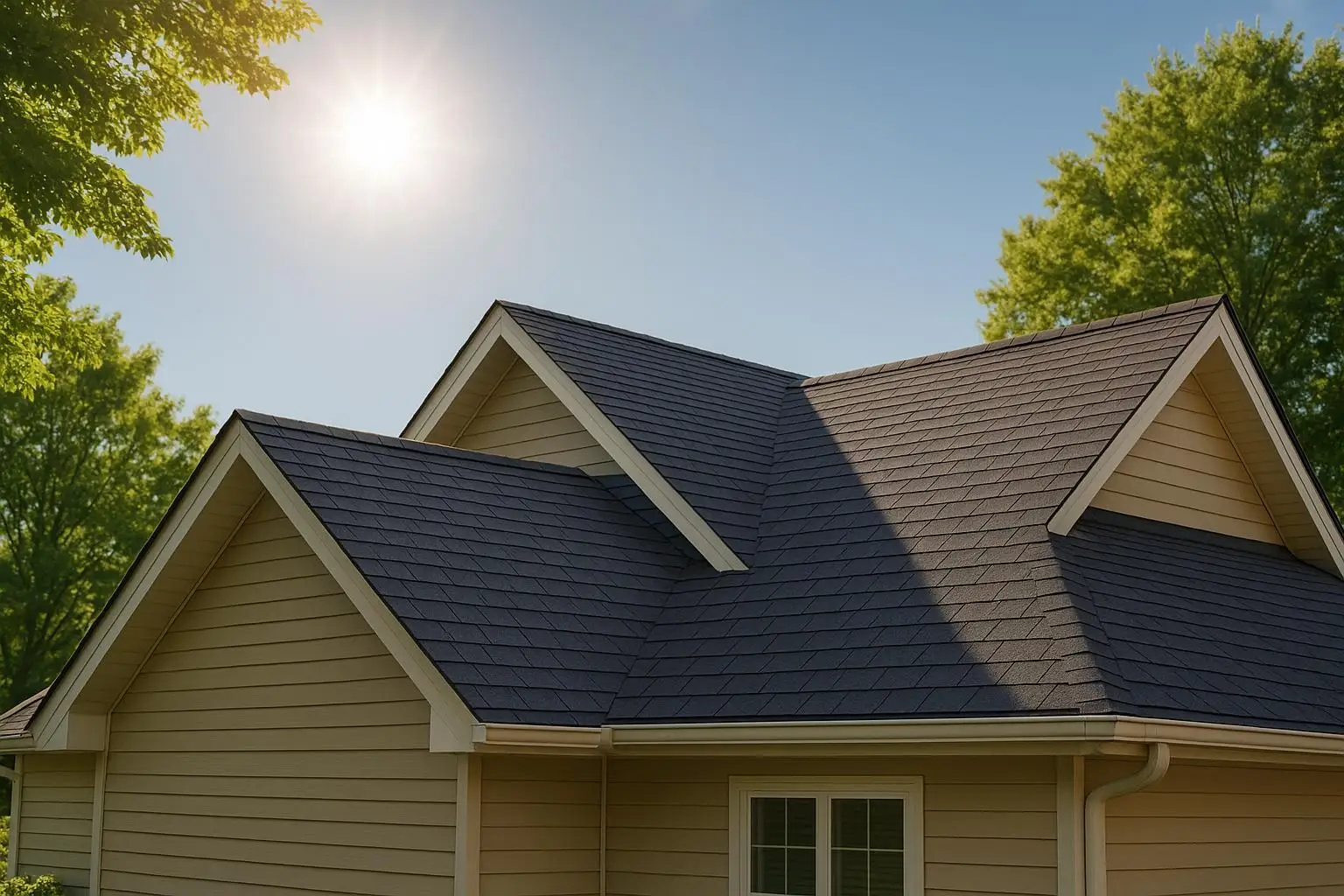
Your roof is your home’s first defense against storms. Regular maintenance can save you thousands by preventing costly damage caused by leaks, wind, and hail. Here’s why it matters:
- Spot Problems Early: Fixing loose shingles or clogged gutters before storms reduces risks.
- Save Money: Routine care costs less than emergency repairs, which can run into thousands.
- Insurance Perks: Many insurers offer discounts for maintained roofs or impact-resistant materials.
- Extend Roof Life: Proper upkeep can increase your roof’s lifespan by 20–30%.
Neglecting your roof leads to water damage, structural issues, and mold. Simple steps like inspections, gutter cleaning, and tree trimming can protect your home and wallet. If storms strike, professional services like inspections or emergency tarping can prevent further losses.
Key Tip: Schedule biannual inspections, clean gutters, and upgrade to impact-resistant shingles in high-risk areas. It’s a small effort for big savings.
Research Findings on Roof Maintenance and Storm Damage Prevention
Storm Damage Statistics Related to Roof Problems
The Insurance Institute for Business & Home Safety reports that roof-related damage accounts for 70–90% of total insured residential catastrophic losses in most years. This highlights how vulnerable roofs are during severe weather events.
Ignoring roof maintenance can lead to repair bills ranging from several thousand to tens of thousands of dollars. On the other hand, properties that prioritize regular upkeep often save significantly in the long run by avoiding major failures and reducing insurance claims.
Each year, millions of dollars in storm-related damage stem from roof failures across the U.S., making it one of the top reasons for insurance claims. When neglected, roofs are more prone to leaks, wind uplift, and water intrusion during storms.
Some insurance companies now offer lower premiums to homeowners who provide records of roof maintenance or invest in upgrades like impact-resistant shingles. Additionally, maintaining detailed records of inspections and repairs can simplify and speed up the claims process after a storm. These trends emphasize the importance of consistent roof care.
How Maintenance Improves Roof Strength
Regular maintenance not only helps avoid costly repairs but also strengthens the roof’s ability to withstand severe weather. Research shows that addressing small issues early significantly enhances a roof’s storm resilience.
For example, impact-resistant shingles tested under UL 2218 standards are designed to resist hail damage without cracking or denting. Installing these Class 4 shingles can reduce hail-related damage and even qualify homeowners for lower insurance premiums, particularly in hail-prone areas.
Roof design also plays a role in storm protection. Studies indicate that hip roofs and low-slope designs are more aerodynamic, making them less susceptible to wind uplift compared to steep or gabled roofs. When paired with reinforced elements like hurricane straps, these designs help secure the roof to the building, reducing the risk of storm damage.
Routine maintenance tasks, such as cleaning gutters and drains, are essential for preventing leaks and avoiding pressure buildup that can lead to structural damage during storms. Experts recommend scheduling inspections and cleanings twice a year – or more often in areas prone to severe weather – to keep drainage systems functioning properly.
Professional inspections are another key element in storm damage prevention. By identifying and fixing vulnerabilities before a storm hits, these inspections can significantly reduce the risk of major damage. Prompt post-storm repairs also help extend the roof’s lifespan and prevent minor issues from escalating, potentially saving homeowners thousands of dollars in replacement costs. Up next, we’ll explore specific maintenance tasks that put these findings into practice.
How to prevent roof damage on your home during monsoon storms
Key Roof Maintenance Tasks That Prevent Storm Damage
Roof-related problems account for a staggering 70–90% of catastrophic insured losses, making regular upkeep an absolute must. Three essential maintenance tasks can go a long way toward protecting your roof from storm damage. These proactive steps not only reduce repair costs but also help maintain the overall integrity of your property.
Regular Inspections and Repairs
Think of professional roof inspections as your roof’s early warning system. They help identify hidden issues – like loose shingles, damaged flashing, or compromised vent seals – that might seem minor but can turn into major problems during a storm. Left unchecked, these vulnerabilities allow water to seep in, leading to leaks, mold, and interior damage.
Experts recommend scheduling inspections twice a year – once in the spring and again in the fall – and after any major storm. This routine ensures that any loose shingles or damaged flashing are repaired promptly, restoring your roof’s defenses against high winds, heavy rain, and hail.
One real-world example? A Facebook data center in Fort Worth, Texas, avoided roof failures during severe weather by sticking to a rigorous inspection schedule. It’s proof that consistent maintenance makes a difference.
But inspections are just the beginning. Proper drainage is equally critical, which brings us to gutter upkeep.
Gutter and Drainage Maintenance
Your gutters and downspouts play a crucial role in storm protection by directing rainwater away from your roof and foundation. When they’re clogged with leaves, debris, or ice, water can back up under shingles, one of the leading causes of leaks after storms.
Clogged gutters don’t just block water flow – they also weaken your roof’s protective barrier, leading to rot, structural damage, and costly repairs. The problem worsens during heavy storms when large amounts of water need to be drained quickly.
To keep your gutters functioning, make it a habit to:
- Clear out leaves and debris regularly.
- Check for leaks or disconnected sections and fix them promptly.
- Ensure gutters and downspouts are securely attached and properly sloped to direct water away from your home.
For most homes, biannual cleaning is sufficient, but properties in leafy or storm-prone areas may need quarterly or as-needed maintenance to prevent water damage.
While gutters protect against water buildup, managing nearby trees helps tackle another major risk to your roof.
Tree Branch Trimming
Overhanging tree branches can be a roof’s worst enemy during storms. High winds, ice, or hail can snap branches, sending them crashing onto your roof and causing punctures, broken shingles, or even structural damage. Beyond that, falling leaves and debris from these branches often clog gutters, compounding water-related issues.
The solution? Strategic tree trimming. Keep branches at least 10 feet away from your roof. This safe distance reduces the risk of impact damage and minimizes the amount of debris that ends up in your gutters.
Make tree pruning a regular part of your maintenance routine. Annual trimming – or more frequent attention if needed – helps eliminate dead or weakened branches before they become a hazard during storms. By doing this, you’re not just protecting your roof but also ensuring your gutters stay clear and functional.
Homes that stick to these maintenance practices are far less likely to face storm-related roof damage. These simple yet effective steps can save you from the stress and expense of avoidable repairs.
Comparison of Different Roof Maintenance Methods
Roof maintenance methods vary in terms of cost, effectiveness, and how often they’re needed. To get the best protection against storms, a mix of regular maintenance and timely repairs works well. Some options offer quick benefits, while others require more upfront spending but pay off in the long run.
Here’s a breakdown of key maintenance methods based on cost, effectiveness, and recommended frequency:
Maintenance Method Comparison Table
| Maintenance Method | Typical Cost (USD) | Effectiveness for Storm Protection | Recommended Frequency |
|---|---|---|---|
| Professional Inspection | $150–$400/visit | High | Annually & post-storm |
| Gutter Cleaning | $100–$250/cleaning | Moderate to High | Twice/year & post-storm |
| Tree Trimming | $200–$800/service | Moderate | Annually/as needed |
| Minor Repairs | $300–$1,000/repair | High | As needed |
| Impact-Resistant Shingles | +$2–$4/sq ft | Very High (hail/wind) | During replacement |
Professional inspections, costing $150–$400 per visit, are an excellent way to spot issues early and avoid expensive repairs later. These inspections can catch small problems before they escalate, saving both time and money.
Impact-resistant shingles are another smart investment. While they add $2–$4 per square foot to roofing costs, they provide outstanding protection against hail and wind. Homeowners in hail-prone areas often see fewer insurance claims after switching to these Class 4-rated materials. Some insurance companies even offer premium discounts to help offset the initial expense.
Gutter cleaning, priced at $100–$250 per session, is crucial for preventing water damage. Clean gutters reduce leaks and structural issues during heavy storms, making this service a key part of storm readiness.
Tree trimming, which costs $200–$800 depending on the size and complexity of the job, helps prevent damage from falling branches during high winds. This service is especially important for properties surrounded by large trees.
Combining regular inspections with timely repairs is one of the most cost-effective strategies. This approach can extend a roof’s lifespan by as much as 50% and lower the risk of storm damage by up to 40%. For homes that do experience storm damage, reactive services like roof tarping are essential to prevent further losses until permanent repairs are made.
For properties in high-risk areas, annual inspections, consistent upkeep, and upgraded materials can significantly reduce repair costs and insurance claims. These comparisons provide a clear guide to creating a maintenance plan that enhances storm preparedness and protects your home.
Real Examples of Storm Damage Prevention Through Roof Maintenance
Real-life examples show how staying on top of roof maintenance can save property owners from expensive repairs. These stories highlight the importance of fixing roof vulnerabilities before storms strike.
Home Example: Avoiding Hail Damage
Take the case of a homeowner in Oklahoma. Before storm season, they scheduled a routine roof inspection and found that their aging shingles were prone to impact damage. Following the roofer’s advice, they upgraded to Class 4 impact-resistant shingles, which are specifically designed to handle hail. When a severe hailstorm rolled through, their new shingles held up, preventing leaks and interior damage. Meanwhile, nearby homes with untreated roofs faced full replacements.
Business Example: Reducing Wind Damage
Businesses can also benefit from proactive roof care. For instance, a Florida company took action ahead of hurricane season by scheduling biannual roof inspections, reinforcing the roof with hurricane straps, upgrading flashing in vulnerable areas, and clearing debris from drainage systems. They even secured loose materials and trimmed overhanging branches to reduce risks. When a Category 2 hurricane hit, the building only suffered minor cosmetic damage. In contrast, nearby properties with neglected roofs dealt with water intrusion and serious structural issues. These preparations not only saved the business from significant losses but also kept operations running with minimal downtime.
These examples clearly show how regular roof maintenance can make a big difference. By addressing problems like loose shingles, clogged gutters, and weak flashing before storm season, property owners ensured their roofs were ready to handle severe weather.
If damage does happen despite preparation, it’s crucial to act fast. Total Care Restoration offers 24/7 Step By Step Guide to Tarping a Roof After a Storm and restoration services to prevent further losses while permanent repairs are arranged. You can reach them at (786) 610-6317 or visit their website at totalcarerestoration.com.
Roof Maintenance Tips and Professional Services
Protecting your roof from storm damage requires a mix of regular upkeep and professional expertise. While many maintenance tasks can be handled by homeowners, some repairs and inspections are best left to trained professionals. Here’s how to keep your roof in top shape.
Simple Maintenance Tasks You Can Do
There are several straightforward steps homeowners can take to minimize the risk of storm damage. Start by clearing your roof and gutters of leaves, branches, and other debris at least twice a year. This helps ensure proper drainage and reduces the likelihood of water pooling on your roof.
Regularly inspect your roof and the surrounding property for signs of wear and tear. Look for cracked, curled, or missing shingles, damaged flashing around chimneys or vents, and any water stains on walls or ceilings. Soft spots, visible mold, or moss growth could indicate water damage, so address these issues promptly.
Another important task is trimming overhanging tree branches. High winds can cause branches to break and fall onto your roof, potentially causing significant damage. Keeping these trimmed not only protects your roof but also limits the amount of debris that can clog your gutters.
In areas prone to storms or with heavy tree coverage, clean your gutters and downspouts every three months. Proper drainage is crucial to preventing water buildup, which can lead to leaks, structural damage, or mold growth.
Lastly, maintain a record of your maintenance efforts, including photographs and notes. These records can be a valuable asset when filing insurance claims and may even boost your home’s resale value.
When You Need Professional Help
While regular maintenance goes a long way, there are times when professional expertise is essential. For complex repairs – like fixing damaged flashing, replacing large sections of roofing, or addressing structural issues – it’s best to call certified professionals. Emergency situations, such as storm damage requiring immediate tarping, also require expert intervention.
Scheduling an annual inspection with a licensed professional can help identify problems that might go unnoticed during DIY checks. Professionals can detect issues like failing drain seals, ponding water, or structural weaknesses that could worsen during storms. It’s also a good idea to schedule additional inspections after major storms to catch any new damage.
If your roof suffers from active leaks, significant shingle loss, or structural damage after a storm, don’t delay in seeking help. Roof Tarping can prevent further water intrusion and additional damage. Companies like Total Care Restoration specialize in 24/7 emergency services, offering expert roof tarping and comprehensive storm damage restoration. Their certified technicians ensure a quick response and can handle Insurance And Roof Tarping What Gets Covered, simplifying the claims process.
"Alexander’s team at Total Care Restoration were nothing short of amazing. The team was always on time, respectful, clean. They protected my home as if it was their own to make sure that other damage did not occur. They explained everything in detail and took photos of every step. Words cannot express the gratitude my family and I will always have for Total Care Restoration and their entire team."
For Emergency Roof Tarping or storm damage restoration, you can contact Total Care Restoration at (786) 610-6317.
Conclusion: The Benefits of Regular Roof Maintenance
Taking care of your roof isn’t just about keeping it in good shape – it’s about protecting your home, your finances, and your peace of mind. Research shows that homes with regular roof maintenance experience 60–80% less storm damage and cut repair costs by 40–50% compared to those relying on emergency fixes after a storm hits.
Using impact-resistant materials and ensuring proper installation can even lower insurance premiums in storm-prone areas. The Insurance Institute for Business & Home Safety (IBHS) highlights that maintaining your roof to proper standards can reduce damage by up to 95% during hurricanes. That’s a huge difference when it comes to both your wallet and your stress levels.
Regular maintenance also means your roof is ready when storms come. Professional inspections and timely repairs address weak spots before they become major problems. Knowing your roof is in good condition gives you the confidence to face storm season without unnecessary worry.
Simple steps like scheduling annual inspections, fixing small issues quickly, and upgrading to impact-resistant materials in high-risk areas can save you thousands of dollars and a lot of hassle. These proactive measures create a strong defense against whatever the weather throws your way.
For more complex repairs or emergency situations, certified experts like those at Total Care Restoration are just a call away, 24/7. Their emergency services and direct insurance billing ensure you’re never left to deal with storm damage on your own.
FAQs
How often should I get my roof inspected to protect it from storm damage?
To keep your roof in great condition and reduce the chances of storm damage, it’s a good idea to schedule a professional inspection at least once a year. After extreme weather events – like heavy storms or hurricanes – it’s also smart to arrange an additional inspection to spot any hidden issues early.
Simple upkeep, such as clearing away debris, checking for loose shingles, and making sure your drainage system is working properly, can help you avoid expensive repairs down the line. If you need professional help, companies like Total Care Restoration provide services to safeguard and repair your roof when necessary.
What are the benefits of impact-resistant shingles, and can they lower your insurance premiums?
Upgrading to impact-resistant shingles is a smart way to protect your roof from storm damage. These shingles are built to handle harsh weather, reducing the chances of cracks, dents, or other damage caused by hail and strong winds. By standing up to severe conditions, they can help extend your roof’s lifespan and cut down on expensive repairs.
Another perk? Installing these shingles might qualify you for discounts on your homeowner’s insurance. It’s worth reaching out to your insurance provider to see if this benefit applies to your policy.
If your roof has already been hit by a storm, Total Care Restoration is here to help. They offer 24/7 emergency services, including roof tarping and restoration, to protect your home and get things back to normal as quickly as possible.
What are the best steps homeowners can take to maintain their roof and minimize storm damage?
Regular roof maintenance plays a big role in minimizing the chances of storm damage. A good rule of thumb is to inspect your roof twice a year – once in the spring and again in the fall. During these inspections, check for missing or damaged shingles, cracks, or any signs of wear and tear. If you spot problems, take care of them right away to prevent bigger issues down the road. Also, don’t forget to clear out debris like leaves and branches from your gutters and downspouts to keep water flowing properly. Trimming back any overhanging tree branches is another smart move to avoid damage from falling limbs during storms.
For more serious issues, like leaks or sagging areas, it’s wise to call in the experts. Total Care Restoration offers 24/7 emergency services, certified technicians, and even handles direct insurance billing to make the process easier for you. Need help now? Call (786) 610-6317 for immediate assistance.
Related Blog Posts
Want to Learn More?
Read our comprehensive guide covering everything you need to know about this topic.
The Complete Guide to Storm Damage Restoration and Roof Protection in FloridaNeed Professional Help?
Our expert team is ready to assist with your storm damage restoration needs.
View Storm Damage Restoration Services