What Is Water Damage?
Water damage is the #1 property disaster in Miami, Broward, and Palm Beach counties. It can strike without warning, making rapid water damage restoration absolutely essential for South Florida homeowners.
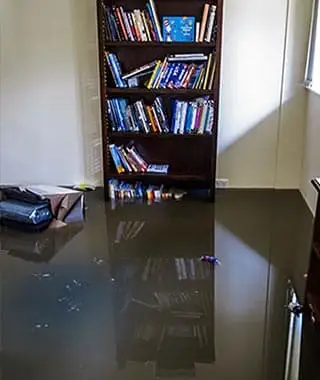
According to the Insurance Information Institute, water damage and freezing account for nearly 1 in 5 of all homeowners insurance claims in the United States. The average claim exceeds $12,000, making water damage one of the most expensive property disasters homeowners face in South Florida.
Common causes include:
- Burst or leaking pipes
- Roof leaks
- Failed appliances (washing machine, dishwasher, water heater, refrigerator)
- Tropical storms and flooding
Time matters. The longer water sits, the worse the damage gets. Mold can start growing in just 24-48 hours.
This guide will help you understand:
- The types and severity of water damage
- How professionals restore your property
- How much restoration typically costs
- How to file insurance claims
- How to prevent future damage
Table of Contents
- What Is Water Damage?
- What To Do Immediately After Water Damage
- The 3 Categories of Water Damage
- The 4 Classes of Water Damage
- The 6-Step Restoration Process
- How Long Does Water Damage Restoration Take?
- Water Damage Restoration Costs
- Common Water Damage Causes in South Florida
- Insurance Claims: What You Need to Know
- How to Prevent Water Damage
- Choosing a Water Damage Restoration Company
- When to Call for Help
- Additional Resources
- Frequently Asked Questions
- Conclusion
What To Do Immediately After Water Damage
Experiencing water damage can be overwhelming, and it's crucial to act quickly to minimize the destruction. Understanding the correct steps after water damage and taking the right actions immediately can help protect your property, preserve evidence for insurance claims, and prevent mold growth.
If you are wondering about the first steps after water damage, follow this guide:
1. Stop the Source of Water
If it's safe to do so, find the main water shut-off valve and turn it off to stop additional water from flowing into your property. If the leak is coming from a specific appliance or fixture, turn off the local valve.
2. Turn Off the Power
Water and electricity are a deadly combination. If the water damage is severe or near electrical outlets, turn off the power to the affected areas at the breaker box—but only if you can reach it safely without stepping in standing water.
3. Contact Your Insurance Company
Notify your insurance provider as soon as possible to start the claims process. When considering what to do after water damage, insurance policies require prompt reporting to mitigate further loss.
4. Document the Damage
Before any cleanup begins, take detailed photos and videos of all affected areas, including standing water, damaged belongings, and the source of the leak. This documentation is vital for supporting your insurance claim.
5. Protect Your Valuables
Move small furniture, electronics, important documents, and other valuable items to a safe, dry area. If you can't move heavy furniture, place aluminum foil or wood blocks under the legs to prevent wood stains on wet carpets.
6. Contact a Professional Water Damage Restoration Company
Water damage is deceptive; moisture often hides behind walls and under floors where it can cause structural damage and mold. Professional restoration teams have the extraction equipment and moisture detection tools needed to thoroughly dry your property. Trying to handle water damage cleanup steps on your own can lead to persistent odors and costly secondary damage.
If your property has experienced water damage, contacting a restoration professional immediately is the best way to protect your home.
The 3 Categories of Water Damage
The IICRC (Institute of Inspection Cleaning and Restoration Certification) classifies water damage by how contaminated the water is.
Category 1: Clean Water
This is water from a clean source. It poses no health risk on contact.
Where it comes from:
- Broken water supply lines that suddenly spray clean water into your home and soak drywall in minutes.
- Sink or tub overflows (without contaminants) caused by a forgotten faucet left running.
- Appliance supply line failures, like the plastic tube behind the fridge snapping and pooling water on the kitchen floor.
- Rainwater leaking directly in through an open window or tiny hole in the roof before hitting the attic floor.
- Melting ice or snow (rare in Florida, but applies if an ice maker line freezes and thaws).
Important: Clean water becomes gray water within 48 hours. Act fast!
Category 2: Gray Water
Gray water contains some contamination. It may cause illness if you swallow it or touch it for extended periods.
Where it comes from:
- Dishwasher or washing machine discharge that backs up, bringing soapy, dirty water mixed with food particles or lint out onto your floors.
- Toilet overflow (urine only) seeping into baseboards and subflooring.
- Sump pump failures allowing dirty groundwater to slowly rise and saturate your lower levels.
- Aquarium water suddenly dumping gallons of treated, algae-filled water into your living room.
- Waterbed leaks that slowly release chemically treated water into the bedroom carpet.
This type needs careful handling. Thorough cleaning and disinfection are required.
Category 3: Black Water
Black water is severely contaminated. It can cause serious illness or death.
Where it comes from:
- Sewage backups pushing human waste, bacteria, and toxic sludge up through your shower drains and toilets.
- River or stream flooding bringing mud, pesticides, and dead animals right into your living room.
- Hurricane storm surge carrying salt water mixed with street oil, garbage, and sewage inland.
- Seawater intrusion washing over coastal properties.
- Toilet backflow with feces overflowing the bowl and soaking into the bathroom grout and nearby carpet.
- Standing water with bacterial growth: Any water (even clean initially) that has sat stagnant for days, turning into a toxic, mold-filled breeding ground.
Never attempt DIY cleanup. Professionals must handle black water. Porous materials often need complete removal.
The 4 Classes of Water Damage
Beyond contamination, we also classify damage by how much drying is needed.
| Class | What It Means | Example |
|---|---|---|
| Class 1 | Small area affected | Part of one room, minimal absorption |
| Class 2 | Whole room affected | Water wicked up walls 12-24 inches |
| Class 3 | Water from above | Ceilings, walls, and floors all saturated |
| Class 4 | Special materials affected | Hardwood, concrete, brick—needs specialty drying |
The 6-Step Restoration Process
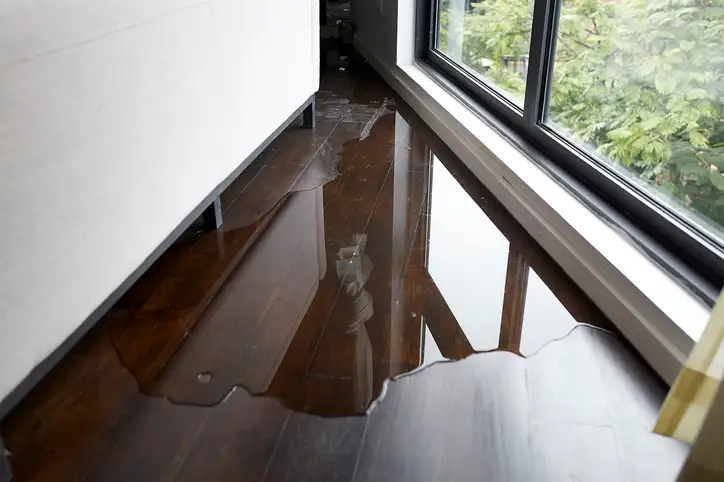
Professional restoration follows a proven system. Here's what to expect:
Step 1: Emergency Contact
Call immediately. Time is your enemy with water damage.
During the first visit, our team will:
- Find and stop the water source
- Determine damage category and class
- Check structural and content damage
- Create a restoration plan
- Document everything for your insurance
Step 2: Water Extraction
Standing water must come out—fast.
Equipment we use:
| Equipment | What It Does |
|---|---|
| Truck-mounted extractors | Remove thousands of gallons per hour |
| Portable extractors | Reach upper floors and tight spaces |
| Weighted extraction tools | Pull water from carpet padding |
| Submersible pumps | Handle major flooding |
Fast extraction = less drying time = lower mold risk.
Step 3: Find Hidden Moisture
Water hides in places you can't see:
- Inside walls
- Under floors
- In crawl spaces
- Behind cabinets
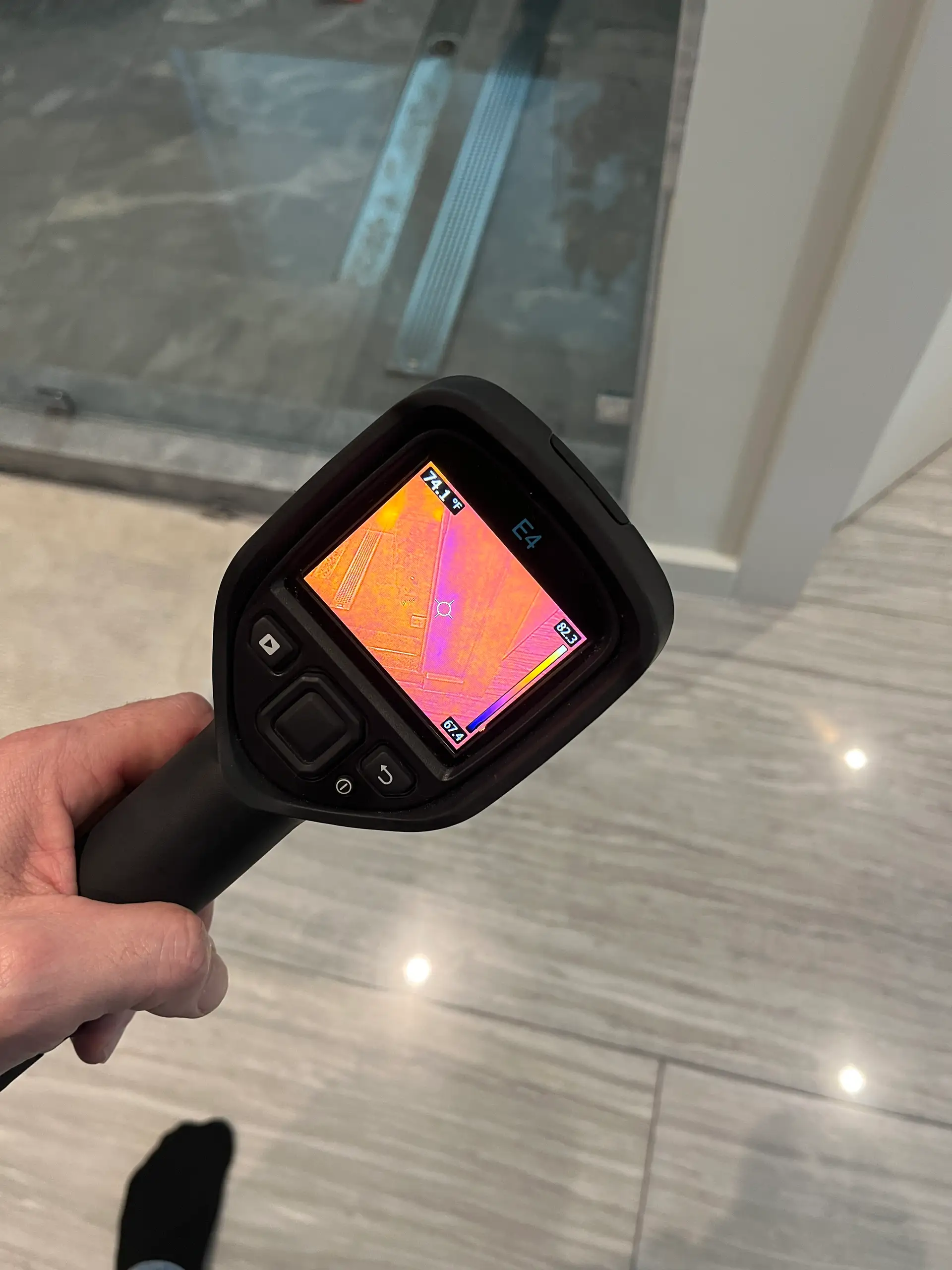
Tools we use to find it:
- Thermal imaging cameras – Spot temperature changes that show moisture
- Penetrating moisture meters – Measure moisture inside materials
- Non-penetrating meters – Scan surfaces without causing damage
- Hygrometers – Measure humidity in the air
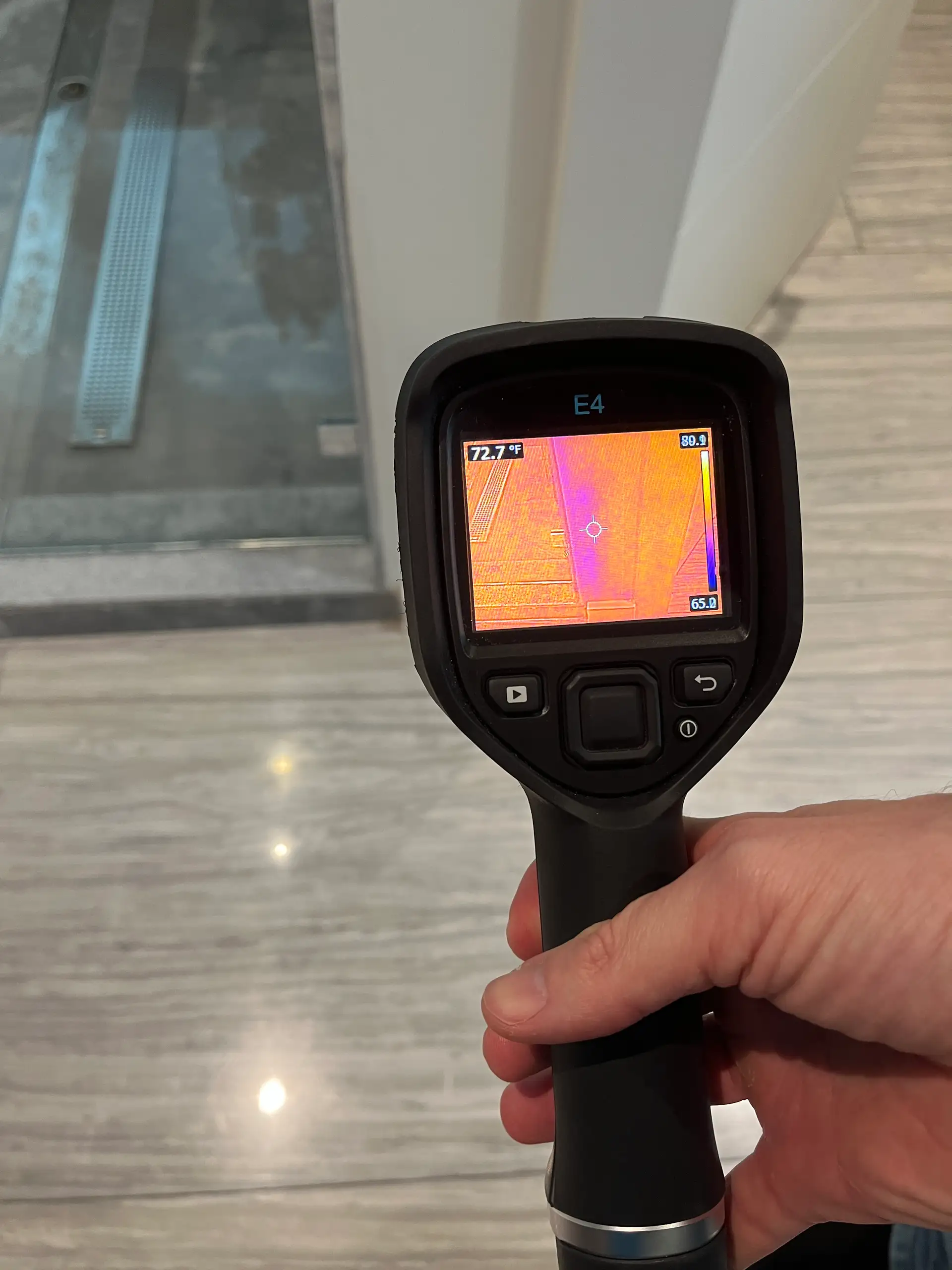
We check moisture levels daily until drying is complete.
Step 4: Drying & Dehumidification
After extraction, materials still hold moisture. This step removes it.
How we dry your property:
- Air movers – High-velocity fans push air across wet surfaces
- Commercial dehumidifiers – Pull moisture from the air
- LGR dehumidifiers for normal conditions
- Desiccant units for cold or very humid conditions
- Specialty drying systems for Class 4 damage:
- Wall cavity drying systems
- Hardwood floor drying mats
- Injectidry systems for tight spaces
- Generators – Essential when water damage causes power loss, ensuring equipment continues running
Typical timeline: 3-5 days. Complex jobs may take longer.
Monitoring progress: Throughout the drying process, technicians use moisture meters to test content levels in affected areas. This ensures equipment is working properly and the drying process is on track. Depending on damage severity, this phase may take from one day to several.
Step 5: Cleaning & Sanitizing
Once dry, we address contamination and odors.
What we do:
- Apply antimicrobial treatments
- Clean and deodorize salvageable items
- Remove odors with specialized equipment
- HEPA vacuum remaining debris
Deodorization equipment we use:
- Air scrubbers – Remove chemicals, particles, and gases from the air by drawing air through multiple filters to eliminate contaminants that contribute to odor
- Foggers – Turn antimicrobial chemicals into a fog to eliminate odors and kill bacteria, also helping to prevent mold growth behind walls
- Thermal foggers – Use a solvent-based deodorizer that is heated and turned into dry smoke, which clings to odor molecules and absorbs them
Category 2 and 3 damage requires more intensive cleaning—or full material removal.
Step 6: Restoration & Repairs
The final phase returns your property to pre-damage condition.
Work may include:
- Replacing drywall, baseboards, or flooring
- Rebuilding damaged rooms
- Painting and finishing work
- Final quality inspection
How Long Does Water Damage Restoration Take?
A common question property owners ask is, "How long does water damage cleanup take?" The water restoration timeline depends entirely on the class of water damage, the size of the affected area, and the building materials involved.
While every situation is unique, here is a general idea of the water mitigation time you can expect:
- Minor Water Damage (1 to 3 days): If the damage is limited to a single room (like a small bathroom leak) and caught immediately, professionals can often extract the water and complete the drying process in a few days.
- Moderate Water Damage (3 to 5 days): For standard water intrusions affecting multiple rooms or soaking into carpets and drywall, the drying phase typically takes 3 to 5 days. This timeline includes water extraction, placement of commercial dehumidifiers and air movers, and daily moisture monitoring.
- Severe Water Damage (1 to several weeks): When dealing with Category 3 (black water) floods, or Class 4 damage involving dense materials like hardwood floors, concrete, or plaster, the process takes much longer. This timeline includes demolition of unsalvageable materials, extensive drying, mold prevention treatments, and complete structural reconstruction.
Factors that can extend your water restoration timeline include delays in water extraction, the presence of pre-existing mold, and the time required for insurance adjusters to approve major reconstruction. Acting quickly to stop the water and begin the drying process is the best way to keep your water repair time as short as possible.
Water Damage Restoration Costs
Understanding costs helps you plan and recognize fair pricing. Water damage restoration costs vary significantly based on the category, class, and extent of damage.
Turn what you just read into real numbers
You now know how timelines and severity affect pricing. Use the cost calculator for a ballpark range based on your rooms, damage category, and scenario—then open the recovery planner to prioritize drying, demo, and next steps after flooding or major water intrusion.
Methodology and expanded FAQs: Water Damage Cost Calculator · Flood Damage Recovery Planner
Average Cost by Damage Severity
| Damage Level | Description | Average Cost Range |
|---|---|---|
| Minor | Single room, clean water | $1,000 - $4,000 |
| Moderate | Multiple rooms affected | $4,000 - $12,000 |
| Major | Multiple floors, gray/black water | $12,000 - $30,000+ |
| Catastrophic | Storm/flood damage, whole house | $30,000 - $100,000+ |
Cost Per Square Foot
| Service | Cost Per Square Foot |
|---|---|
| Water extraction | $3 - $7 |
| Structural drying | $4 - $10 |
| Dehumidification | $25 - $75/day per unit |
| Carpet removal/disposal | $2 - $4 |
| Drywall removal | $1 - $3 |
| Antimicrobial treatment | $2 - $4 |
Factors That Affect Your Cost
Water Category: Category 3 (black water) costs 50-100% more than Category 1 due to specialized handling and disposal requirements.
Time Factor: The longer water sits, the higher the cost:
- 0-24 hours: Standard restoration costs
- 24-48 hours: Add 10-20% for beginning mold risk
- 48-72 hours: Add 20-40% plus likely mold remediation
- 72+ hours: Significantly higher costs, extensive mold treatment
Materials Affected:
- Carpet cleaning (if salvageable): $3-5/sq ft
- Hardwood drying: $5-10/sq ft
- Hardwood replacement: $8-20/sq ft
- Drywall replacement: $2-6/sq ft
For a detailed estimate, use our Water Damage Cost Calculator or contact us for a free assessment.
Common Water Damage Causes in South Florida
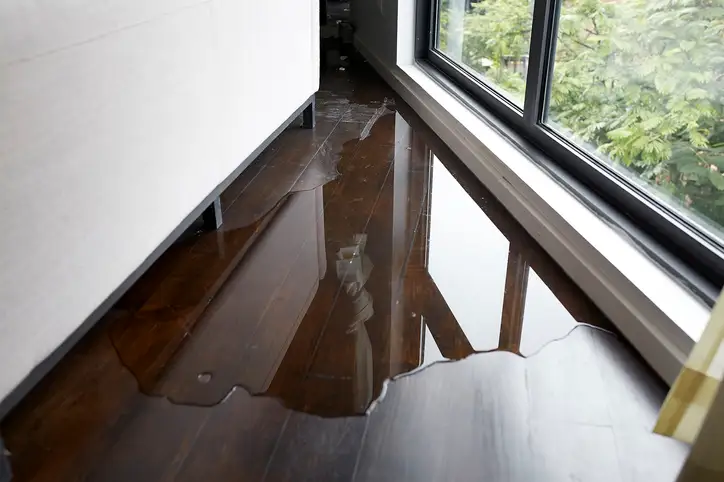
Knowing the causes helps you prevent damage. Here are the most common in our area:
Weather-Related Causes
- Hurricanes and tropical storms – Storm surge and heavy rainfall
- Intense rain events – Can overwhelm drainage systems in minutes
- Roof leaks – Wind damage or aging materials allow water in
Plumbing Problems
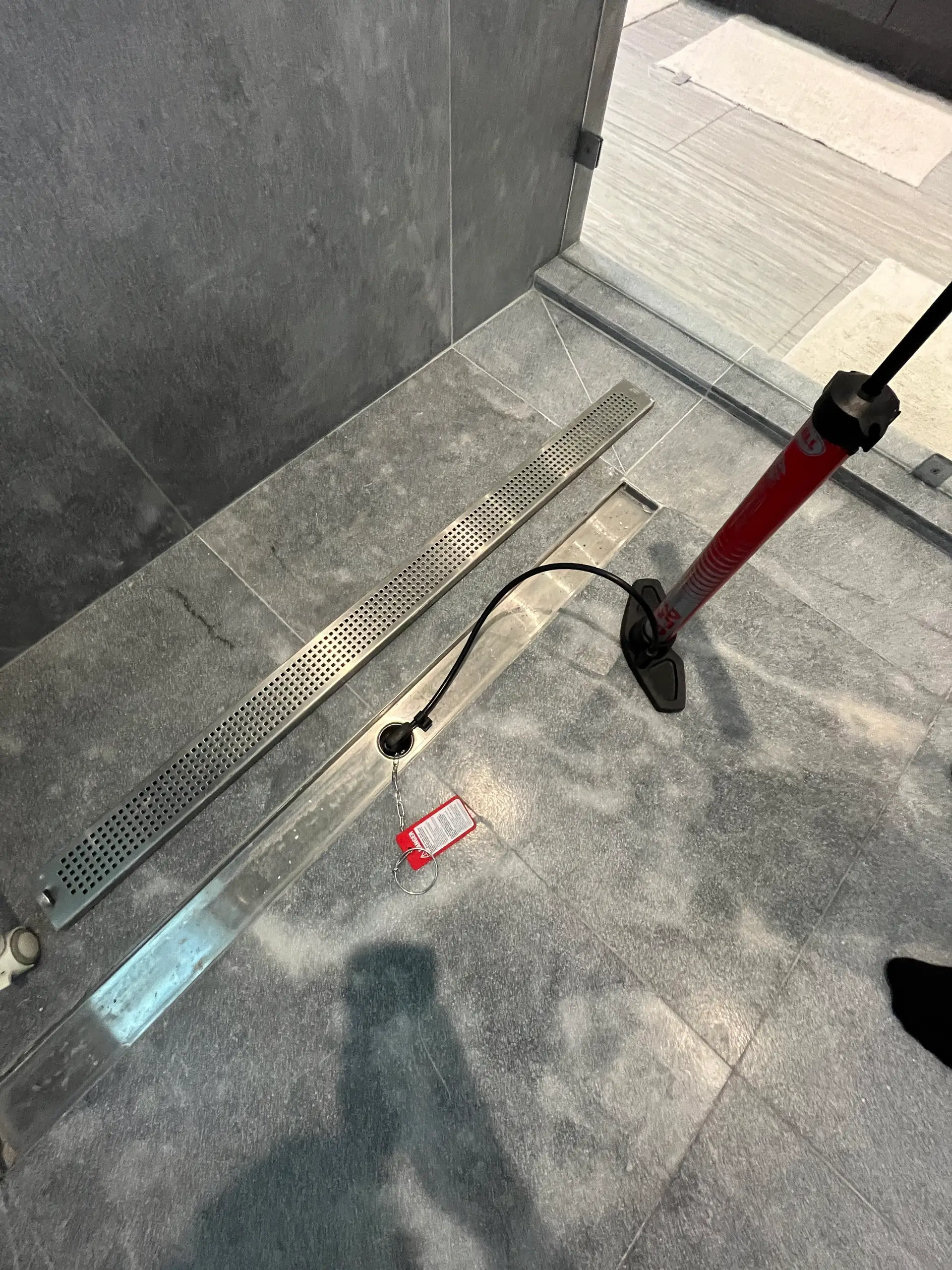
- Burst pipes – Less common than up north, but still happens
- Slab leaks – Underground pipe leaks beneath your foundation
- Supply line failures – Connections to toilets, sinks, and appliances
- Old cast iron pipes – Many pre-1975 homes have corroding drain lines
Appliance Failures
- Water heater tanks – Rust through or relief valves fail
- Washing machine hoses – Rubber breaks down over time
- Dishwasher leaks – Seals and connections wear out
- Ice maker lines – Small leaks go unnoticed until major damage occurs
AC System Issues
South Florida's heavy AC use creates unique risks:
- Clogged condensate drains – The #1 cause of AC-related water damage
- Frozen evaporator coils – Overflow when they thaw
- Cracked drain pans – Common in older units (10+ years)
- Poor installation – Causes ongoing drainage problems
Tip: Have your AC serviced at least once a year. Clear the condensate line monthly during summer.
Insurance Claims: What You Need to Know
What's Usually Covered
Most homeowners policies cover sudden, accidental water damage:
- Burst pipes
- Appliance malfunctions
- Roof leaks from covered storms
- Overflow from appliances
What's Often NOT Covered
- Flood damage – Requires separate flood insurance
- Gradual damage – Slow leaks or deferred maintenance
- Neglect – Damage from lack of upkeep
- Sewer backups – Often requires a separate endorsement
Important: Review your policy now—before you need it.
6 Tips for Successful Claims
- Document everything – Take photos and videos before cleanup starts
- Report right away – Call your insurer immediately
- Prevent more damage – Your policy requires you to do this
- Save all receipts – Emergency repairs, hotel stays, meals out
- Get professional reports – Detailed documentation helps your claim
- Don't throw away damaged items – Wait for the adjuster (unless hazardous)
Should You Hire a Public Adjuster?
Deciding whether to hire a public adjuster depends on several factors:
When it may help:
- Large or complex claims
- Disputes with your insurance company
- You're unfamiliar with the claims process
- You don't have time to manage the claim yourself
When it may not be necessary:
- Small, straightforward claims
- Good relationship with your insurer
- Damage is clearly covered by your policy
Public adjusters typically charge 10-15% of your settlement. Weigh this cost against the potential benefit of a larger payout or faster resolution.
How to Prevent Water Damage
Prevention is far cheaper than restoration. Here's how to protect your home:
Regular Maintenance Checklist
Do these tasks regularly to catch problems early:
- Inspect your roof once a year
- Clean gutters and downspouts seasonally
- Service your AC (clear condensate lines monthly in summer)
- Check appliance hoses and connections yearly
- Inspect older pipes, especially cast iron drains
Smart Home Protection
Modern technology can catch leaks before they become disasters:
| Device | What It Does |
|---|---|
| Water leak detectors | Alert you to leaks near water heaters, washers, and under sinks |
| Automatic shutoff systems | Stop water flow when a leak is detected |
| Smart water monitors | Alert you to unusual water usage patterns |
| Sump pump battery backup | Keeps protection working during power outages |
When You Travel
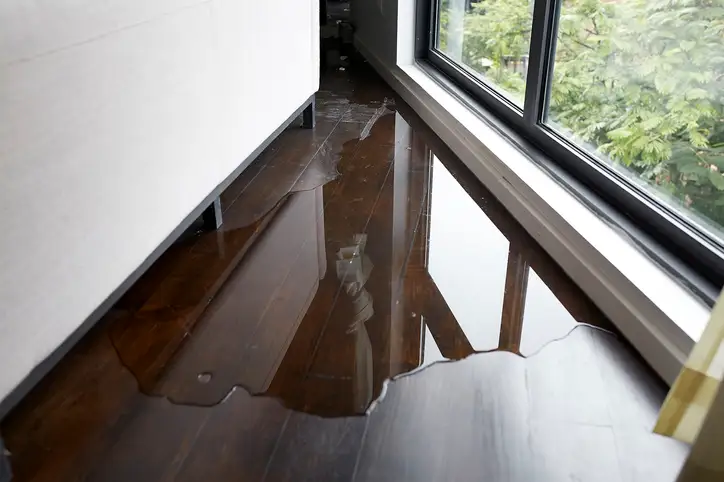
Long trips increase risk. Take these steps:
- Turn off the main water supply for trips longer than a few days
- Have someone check your property regularly (especially during hurricane season)
- Keep AC running to control humidity (set to 78-80°F)
- Make sure everyone in your household knows where shutoffs are
Choosing a Water Damage Restoration Company
Selecting the right restoration company is critical. Here's what to look for and what to avoid.
What to Look For
Proper Licensing and Insurance: Verify the company has current licenses and adequate liability insurance. This protects you if something goes wrong during restoration.
IICRC Certification: Look for technicians certified by the Institute of Inspection Cleaning and Restoration Certification. They understand:
- How water travels through buildings
- Proper drying methods for each material type
- Safety protocols for contaminated water
- Building science for complete restoration
24/7 Emergency Response: Water damage doesn't wait for business hours. Choose a company that responds any time, day or night.
Direct Insurance Billing: Companies experienced with insurance claims can document damage properly and communicate directly with your adjuster.
References and Reviews: Check online reviews and ask for references. A reputable company will be happy to provide them.
Red Flags to Avoid
Be cautious of restoration companies that:
- Demand large upfront payments – Legitimate companies work with insurance or offer payment plans
- Pressure you to sign immediately – Take time to review estimates and contracts
- Provide vague estimates – Insist on detailed, itemized pricing
- Lack proper credentials – Always verify licenses and certifications
- Show up unsolicited – Be wary of door-knockers after storms
- Offer prices significantly below market – Quality restoration requires proper equipment and trained technicians
Why Professional Equipment Matters
Professional-grade equipment makes a significant difference:
- Faster, more powerful water extraction
- Commercial dehumidifiers for large volumes of moisture
- Specialty drying systems for different materials
- Thermal imaging to find hidden water
Better Insurance Outcomes
Professional restoration companies provide documentation that helps your claim:
- Detailed photo and video documentation
- Daily moisture readings and drying logs
- Industry-standard reports
- Direct communication with your adjuster
When to Call for Help
Contact a professional immediately if you have:
- Any amount of standing water
- Damage larger than a small, contained area
- Water from an unknown or contaminated source
- Water near electrical systems
- Any signs of mold (musty smell, visible growth)
- Damage across multiple rooms or levels
- Any Category 2 or 3 water
Additional Resources
For comprehensive planning and more in-depth information, explore these related guides:
- Flood Damage Recovery Planner – Organize your restoration timeline and tasks
- Top 7 Eco-Friendly Water Damage Restoration Methods – Sustainable approaches to restoration
- 5 Types of Moisture Meters for Water Damage – Understanding professional detection equipment
- Dehumidifiers vs Air Movers: What to Use After Floods – Equipment guide for drying
Frequently Asked Questions
How quickly does mold grow after water damage? Mold can begin germinating within 24 to 48 hours of a water intrusion event, especially in South Florida's warm and humid climate. Rapid water extraction and professional structural drying are critical to preventing mold growth.
Can my wet drywall and carpet be saved? It depends on the water category. If affected by clean water (Category 1) and dried immediately, materials can sometimes be saved. However, if the water is contaminated (Category 3) or mold has started growing, porous materials like carpet, padding, and drywall must be replaced.
How long does the water damage dry-out process take? Typically, the professional drying phase takes between 3 to 5 days. However, this timeline can vary depending on the severity of the damage, the materials involved (like hardwood floors or dense concrete), and the category of the water.
Conclusion
Water damage doesn't wait. Neither should you.
The faster you act, the less damage you'll face—and the lower your costs will be. Understanding the categories and classes of water damage, the restoration process, and typical costs helps you make informed decisions during a stressful time.
Total Care Restoration offers:
- 24/7 emergency response
- Free damage assessment
- Direct insurance billing
- IICRC-certified technicians
Contact us now – We respond fast throughout South Florida.
Remember: Every hour counts with water damage. Acting quickly can save thousands in restoration costs and prevent mold growth that creates even bigger problems down the road.
About the Author
Alejandro Diaz is an IICRC-Certified restoration expert and licensed plumber with extensive experience navigating the unique property damage challenges of South Florida. As a leading specialist in disaster recovery, Alejandro combines his deep technical knowledge with a commitment to providing the Miami and South Florida community with the highest standard of emergency restoration services.
Need Professional Assistance?
Our certified technicians are available 24/7 to help with your restoration needs. Get a free assessment and expert guidance for your specific situation.