Fire Damage Odor Removal: Ozone, Thermal Fogging, and When Each Fits
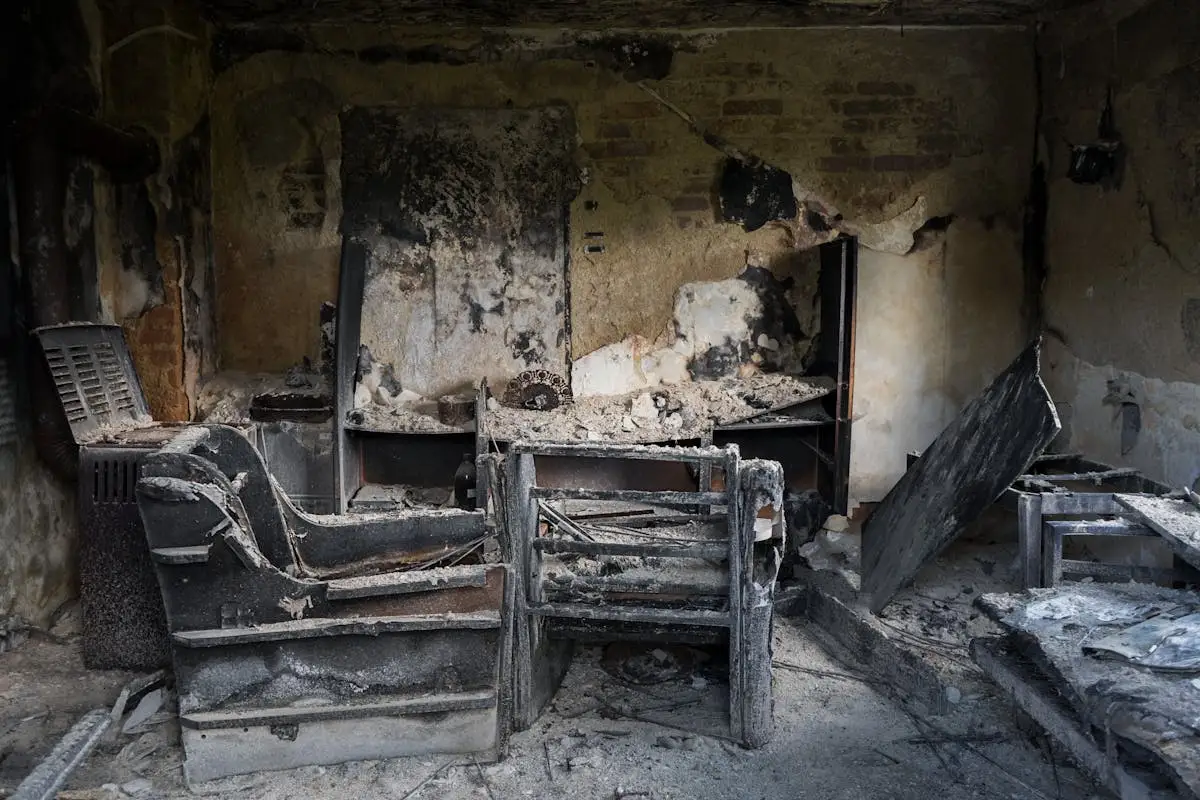
Fire damage odor removal sounds simple until the smell is still there after the visible mess is gone. A room can look cleaner, a contractor can fog the space once, and yet the smoke smell comes back when the AC runs or the afternoon humidity rises. That is why homeowners often end up asking the wrong first question: "Do I need ozone or thermal fogging?"
The better question is what still holds the odor. In a real fire loss, deodorization is only one part of the job. Total Care Restoration's fire damage restoration page describes a broader sequence that includes debris removal, smoke and soot cleaning, odor elimination, and restoration work after firefighters' water is addressed. Industry fire-restoration guidance makes the same point: remove the source, clean the residue, then use deodorization tools where they fit.
If you remember only one thing from this guide, make it this: fire damage odor removal is a sequencing problem before it is an equipment problem. Ozone and thermal fogging can both be useful. Neither one is the first step. Neither one fixes a structure that still has soot, smoke residue, HVAC contamination, or saturated porous materials feeding the smell back into the air.
| If your situation looks like this | The smarter first question | Why it matters |
|---|---|---|
| The house is still occupied tonight | Can the team start with source cleaning and a non-ozone plan first? | Ozone treatment only makes sense when the space can be vacant and controlled. |
| The smell gets worse when the AC runs | Has the HVAC system been inspected and cleaned? | Smoke can travel through ductwork and keep redistributing odor. |
| Charred or heavily sooted materials are still present | What needs to be removed before deodorization starts? | Active residue keeps off-gassing no matter what machine comes in next. |
| The odor remains after cleaning but the structure is otherwise stable | Which deodorization method best matches the residue, occupancy, and materials? | That is the point where thermal fogging, ozone, or another method becomes a real decision. |
Smoke odor problems rarely start with the smell alone. They start with residue that has already settled into surfaces, cavities, and contents.
Why smoke odor keeps coming back after a fire
Smoke odor is persistent because smoke does not stay politely on the surface you can see. TCR's smoke odor removal page explains that smoke particles penetrate fabrics, carpets, drywall, wood, insulation, and even concrete. Once those particles are embedded, they keep releasing odor molecules into the air long after the flames are out.
That is also why odor complaints do not always line up with what the room looks like. A homeowner may wipe down a countertop, repaint one wall, or run an air cleaner and assume the worst is over. Meanwhile, the real reservoirs are still sitting inside insulation, soft goods, soot-coated framing, return-air paths, or ductwork. TCR's fire timeline says the early assessment phase maps soot residues, HVAC contamination, and odor pathways specifically because the smell often originates from more than one zone.
The chemistry of a fire loss also changes from job to job. Dry smoke, oily smoke, protein residues from kitchen fires, and mixed-material combustion do not behave the same way. The ANSI/IICRC S700 standard covers fire and smoke odor management alongside source removal and HVAC systems for exactly this reason: there is no single universal deodorization playbook that works without inspection.
One more South Florida-specific wrinkle matters here. TCR says local humidity can reactivate dormant smoke odors. A room that seemed acceptable during one visit can smell different after a humid afternoon, an AC cycle, or a stretch of warm weather. That does not automatically mean the restorer failed. It often means the building still has hidden odor reservoirs that the first round of work did not fully expose or address.
What thermal fogging is actually trying to do
Thermal fogging is not just "spraying fragrance into the room." In a fire-restoration workflow, it is meant to send a deodorizing fog into some of the same tight spaces smoke originally traveled through. Restoration & Remediation Magazine describes thermal fogging as one of the tools restorers use after the bulk of residues are removed, because the fog can help reach small fissures, porous surfaces, and concealed pathways that simple wiping cannot reach on its own.
That makes thermal fogging strongest when the structure has already been cleaned and the team is trying to deal with residual odor, not active soot. Think of it as a follow-through step. The value is in penetration and distribution, not in bypassing cleaning.
A few situations where thermal fogging often makes sense:
- visible soot has been removed, but odor still lingers in porous finishes
- the property cannot stay offline for a long vacancy window that an ozone cycle may require
- odor seems tied to wall cavities, cabinetry, or smoke pathways rather than one obvious charred source
- the contractor needs a deodorization step that follows source cleaning rather than replacing it
What thermal fogging does not do is rescue a bad sequence. If heavily contaminated insulation, carpet pad, charred cabinetry, or soot in the HVAC system are still present, fogging may produce a short-lived improvement and then the complaint returns. That is not a thermal-fogging failure. It is a scope failure.
What ozone treatment is actually trying to do
Ozone treatment is different. It uses an oxidizing gas to react with some odor-causing compounds that remain after a fire. Because it is a gas, it can move through spaces that are difficult to treat with hand cleaning alone. That is why ozone remains part of some professional fire-odor workflows.
But the safety and effectiveness boundaries around ozone are much tighter than homeowners are often told. The EPA's ozone guidance says ozone has little potential to remove indoor air contaminants at concentrations that do not exceed public-health standards. EPA also notes that high concentrations are sometimes used in unoccupied spaces for odors such as fire restoration, but only under controlled conditions that prevent exposure to people or pets.
That distinction matters. The same EPA page warns that ozone can damage materials such as rubber, electrical wire coatings, fabrics, plants, and some artwork. In other words, ozone is not a casual add-on. It is a professional-only treatment that needs vacancy, containment, timing, ventilation, and judgment.
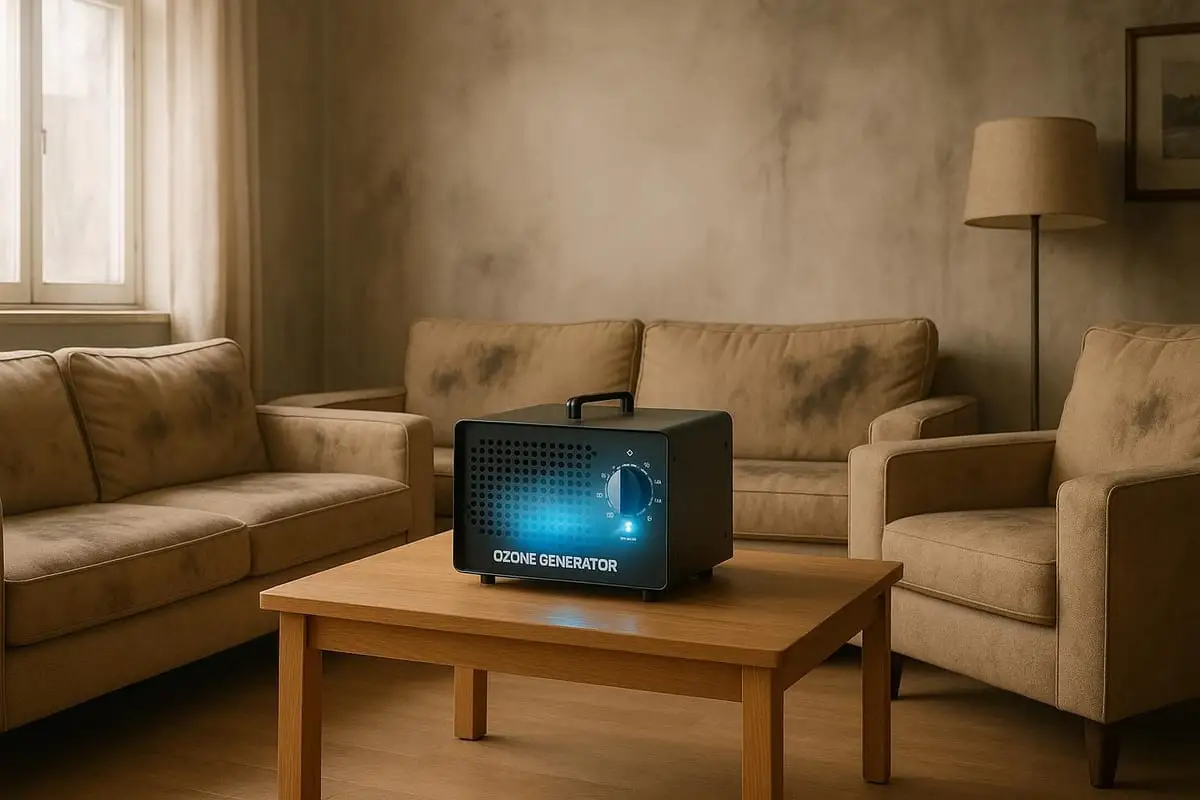
Ozone can reach difficult spaces, but the treatment window only works when the property is vacant and the restorer has already reduced the source load.
This is where homeowners get tripped up by marketing. A machine photo can make ozone look like the advanced answer by default. The more honest reading is narrower: ozone may help on some post-cleaning fire jobs, especially when odor is still embedded in hard-to-reach areas, but it is a poor fit when the building is occupied, when sensitive materials remain in place, or when the contractor is using it to compensate for incomplete cleaning.
Even TCR's own ozone article is most useful when read conservatively. The strongest takeaway is not "ozone solves smoke damage." It is that TCR treats ozone as one part of a broader strategy that still includes deeper cleaning, sealing, HVAC review, and repair work where needed.
Why source cleaning, soot removal, and HVAC checks still come first
This is the section many odor pages rush past, and it is the one that decides whether the rest of the job works.
Restoration & Remediation Magazine calls source removal the cornerstone of fire-odor restoration because residues continue to off-gas if they stay in place. The same article says sequence matters: remove, clean, deodorize, then seal. That matches EPA's broader indoor-air logic too. Source control comes before air-cleaning technology.
For a homeowner, the practical meaning is simple. Before you debate ozone versus thermal fogging, ask whether the contractor has already identified the actual odor reservoirs.
That can include:
- charred or heavily sooted porous materials that need removal
- insulation that absorbed smoke
- contents that require cleaning, pack-out, or disposal
- residue inside cabinets, closets, or wall cavities
- HVAC components or ducts carrying smoke smell from room to room
- suppression-water moisture that complicates odor control and can create secondary problems
TCR's fire-response roadmap is useful here because it separates assessment from odor control. First come the mapping questions: where did the smoke go, what kind of residue is present, which materials are salvageable, and what hidden pathways are involved? Only after that does deodorization become a meaningful decision.
If a proposal skips that logic and jumps straight to one machine, treat that as a warning. The right restorer may still recommend ozone or thermal fogging later. They just should not need to pretend that either tool erases the need for proper cleaning.
When ozone fits and when it does not
Ozone fits best when all of the following are true:
- the property can be vacant for the treatment and ventilation window
- the contractor has already reduced the source load through cleaning and removal
- the remaining odor is embedded enough that a gas-phase oxidizer may help reach it
- sensitive materials can be removed, protected, or accepted as a risk
- the team has a controlled re-entry plan instead of "just wait until it smells normal"
Ozone is a weaker fit when:
- the home is occupied or needs quick same-day re-entry
- pets, plants, delicate materials, or vulnerable finishes must remain in place
- odor is obviously being driven by soot, char, insulation, or duct contamination that has not been addressed yet
- the selling point sounds like convenience rather than sequence
- the contractor cannot explain why ozone is being chosen over other post-cleaning options
The key is not to treat ozone as either magic or useless. It is a narrow tool with a narrow window. On the right fire loss, after the right prep, it may help. On the wrong job, it becomes an expensive detour that still leaves the underlying odor source in place.
Where thermal fogging is stronger
Thermal fogging is often the better conversation when the house cannot support a full vacancy protocol, when the crew needs a deodorization step that follows smoke pathways, or when the remaining odor problem seems more tied to structural surfaces than to one active contamination source.
In practice, it tends to be stronger when:
- the restorer has already cleaned the room thoroughly and needs one more penetration-focused step
- odor is lingering in painted surfaces, millwork, cabinetry, or semi-porous assemblies
- the job demands a method that works as part of a layered cleaning plan rather than an all-in oxidation cycle
- humidity and building behavior suggest the odor may be re-emitting from distributed residues rather than one central source
That does not make thermal fogging safer to DIY, and it does not mean every job should get fogged. It means the method is often better aligned with a controlled post-cleaning workflow than homeowners realize. If a contractor recommends it, ask what cleaning happened first, what residues remain, and what success looks like afterward.
The South Florida wrinkle: humidity, HVACs, and return smells
South Florida properties create a harder odor-removal environment than a dry-climate house.
TCR says local humidity can reactivate smoke odors that seemed dormant. Add in air conditioning cycles, ductwork, and long cooling seasons, and you get a pattern many homeowners recognize: the smell seems lighter for a while, then returns when the AC starts running or the house sits closed up.
That is why HVAC questions belong in a fire-odor conversation much earlier than most people expect. TCR's fire guide says smoke travels through HVAC systems, and industry guidance flags HVACs and hidden spaces as common odor reservoirs. If the smell is strongest at supply vents or after the system kicks on, the deodorization plan should not be limited to open-room treatment alone.
Humidity also raises the bar for declaring success. A room that smells acceptable on a dry morning may not pass the real test after a humid afternoon. That is another reason a restorer should talk in terms of process, not promises. Good fire damage odor removal is about reducing sources methodically and verifying the result under real operating conditions.
What a complete fire odor removal scope should include
If you want a quick way to judge whether a proposal is serious, look for these building blocks:
- Assessment of residue and odor pathways — what burned, how far smoke traveled, and which materials are likely holding odor.
- Source removal — disposal of irreparably contaminated porous materials when cleaning will not be enough.
- Detailed soot and residue cleaning — HEPA vacuuming, dry methods, wet cleaning, or residue-specific chemistry depending on the fire.
- HVAC review — especially if odor moves when the system runs.
- Method-specific deodorization — thermal fogging, ozone, or another option selected after the cleaning scope is defined.
- Moisture control after suppression water — because water left behind can complicate the restoration path.
- Documentation — photos, notes, equipment logs, and a scope that explains what was cleaned, removed, and treated.
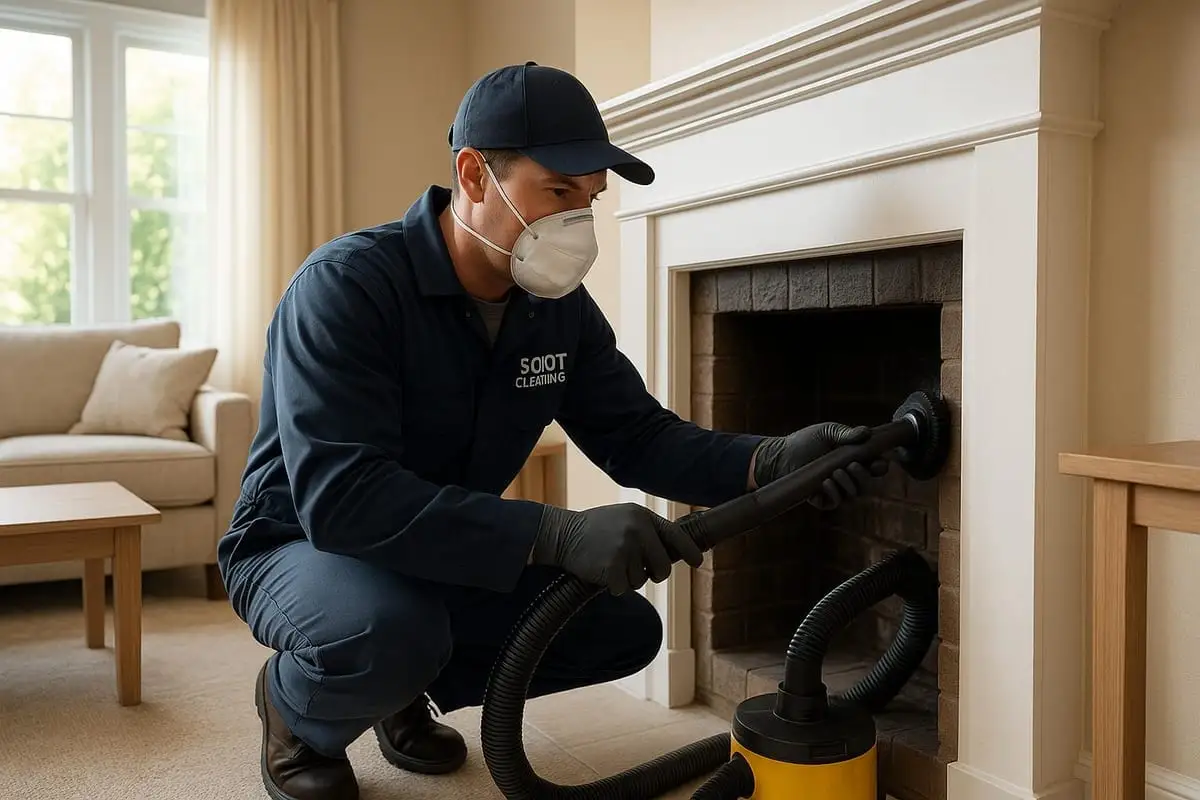
Successful deodorization depends on cleaning and source removal first; otherwise hidden reservoirs keep feeding the smell back into the home.
That scope is less exciting than a one-machine sales pitch, but it is far more believable. Homeowners rarely regret a contractor who explains the sequence clearly. They often regret the one who promises the smell will vanish without showing where it is coming from.
Questions to ask before approving deodorization
Before you approve a fogging or ozone line item, ask these questions:
- What has already been cleaned or removed, and what still holds odor?
- Do you suspect the HVAC system is part of the problem?
- Why is this method a better fit than the alternatives on this job?
- Does the treatment require the property to be vacant, and for how long?
- What materials or contents could be sensitive to the treatment?
- If the odor returns in humidity or when the AC runs, what is the next diagnostic step?
- What part of the smell is expected to improve from cleaning alone versus deodorization?
Those questions do two useful things. They show whether the contractor is thinking in sequences instead of slogans, and they force the scope to become specific enough that you can compare one proposal with another.
If you need a starting point, TCR's smoke odor service page and fire damage restoration page show the kind of layered process homeowners should expect: assessment, cleaning, odor control, and full restoration rather than one isolated gadget.
If your South Florida property still smells after a fire, a professional team should be able to explain whether you are dealing with an unfinished cleaning scope, a hidden reservoir in insulation or HVAC paths, or a true post-cleaning deodorization decision. That conversation is a much better predictor of results than whether the proposal leads with the word ozone.
This article is for general education, not medical, legal, or insurance-coverage advice. Fire losses vary by residue type, occupancy needs, HVAC conditions, and material damage, so confirm the right restoration sequence with qualified professionals and the appropriate official guidance for your property.
Want to Learn More?
Read our comprehensive guide covering everything you need to know about this topic.
The Complete Guide to Fire Damage RestorationNeed Professional Help?
Our expert team is ready to assist with your fire damage restoration needs.
View Fire Damage Restoration Services