10 Plumbing Maintenance Tips to Prevent Leaks
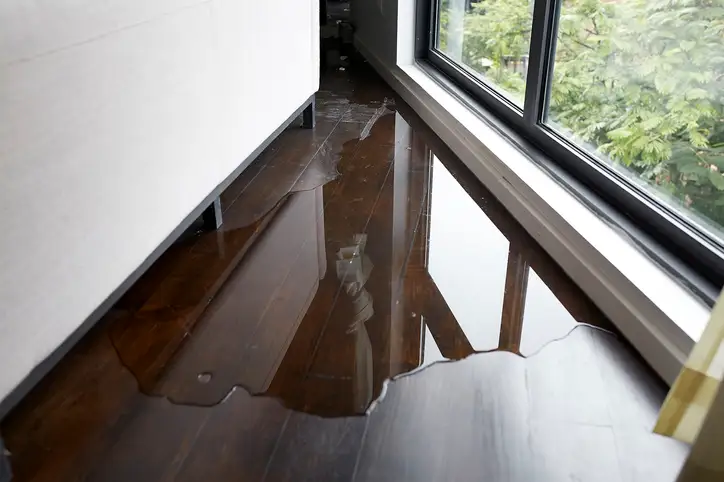
Plumbing leaks can cause extensive damage and lead to high repair costs, but they're often avoidable with simple, regular maintenance. By dedicating a little time each month to inspect and care for your plumbing system, you can catch small issues early and prevent expensive problems.
Key Takeaways
- Check for leaks regularly – Inspect pipes, toilets, and appliances for water stains, rust, or damp spots
- Test water pressure – Keep it between 40–60 PSI to avoid stressing your pipes
- Clean drains – Use natural cleaners like baking soda and vinegar to prevent clogs
- Maintain your water heater – Flush the tank and test the pressure relief valve annually
- Insulate exposed pipes – Protect pipes in cold areas to prevent freezing
- Replace old fixtures – Swap out aging parts before they fail
- Inspect caulk and seals – Replace cracked or worn caulk around sinks, tubs, and showers
- Do seasonal checks – Inspect outdoor fixtures and test sump pumps seasonally
- Maintain your sump pump – Test it regularly to avoid basement flooding
- Call a professional when needed – For complex issues, rely on an expert
1. Check for Leaks Regularly
Spend 20 minutes each month checking your home's plumbing. Inspect visible pipes under sinks, around toilets, and in your basement. Look for water stains, mineral buildup, or rust on pipes and fittings.
Quick toilet test: Add food coloring to the tank. If color appears in the bowl within 10 minutes without flushing, you have a leak.
If you suspect a hidden leak but can't locate it, professional leak detection services can use advanced technology like thermal imaging and acoustic devices to find leaks behind walls, under floors, or in your foundation without invasive testing.
2. Test and Control Water Pressure
Excessive water pressure strains pipes and causes premature wear. Use a pressure gauge (available at hardware stores) to test your water pressure. It should be between 40–60 PSI. Anything above 80 PSI needs a pressure regulator.
3. Clean and Maintain Drains
Clogged drains cause water backups that stress your plumbing. Prevent clogs by:
- Removing debris from drain covers
- Never pouring grease down the sink
- Using mesh strainers to catch food scraps
- Flushing drains monthly with baking soda and vinegar
Proper drain venting is also essential for preventing clogs and ensuring efficient drainage. Learn more about advanced venting solutions for plumbing drains to understand how your plumbing system works.
4. Inspect and Maintain Your Water Heater
Your water heater accounts for about 18% of home energy use. Annual maintenance tasks include:
- Testing the TPR (temperature and pressure relief) valve
- Checking the anode rod for wear
- Flushing sediment from the tank
5. Insulate Exposed Pipes
Pipes in basements, crawl spaces, attics, and exterior walls can freeze and burst. Use foam pipe sleeves or fiberglass wrap to insulate exposed pipes – it's a DIY-friendly weekend project.
6. Replace Old Fixtures and Parts
Watch for signs of wear: rust around faucet bases, stiff handles, cracks in porcelain, or discoloration on supply lines. Simple replacements like faucet aerators, toilet flappers, and showerheads can prevent bigger problems.
Florida homeowners note: If your home was built before 1975, you may have cast iron pipes that are prone to corrosion and failure. These aging drain lines require special attention and often need complete replacement rather than simple repairs.
7. Check and Replace Worn Seals and Caulk
Worn caulk around bathtubs, showers, and sinks lets water seep behind walls. Inspect seals for cracks, peeling, or discoloration. Replacing caulk is an easy DIY task that prevents costly water damage.
8. Do Seasonal Plumbing Maintenance
- Spring: Check outdoor faucets and hoses for freeze damage
- Summer/Fall: Clear gutters and downspouts
- Before rainy season: Test your sump pump
9. Maintain and Monitor Your Sump Pump
Your sump pump protects against basement flooding. Test it each spring by pouring water into the pit. Clean the pump annually and check the float switch twice a year.
10. Know When to Call a Professional
Call a plumber for:
- Persistent low water pressure
- Recurring drain clogs
- Main water line or sewer issues
- Water stains on walls or ceilings
- Sewage odors
If you can't find the source of a leak, consider professional leak detection services that use thermal imaging, video pipe inspection, and electronic detection equipment to locate hidden leaks accurately.
Need Help With Water Damage?
A proactive approach to plumbing maintenance saves money and extends the life of your system. But when leaks cause damage, professional help is essential.
Total Care Restoration offers 24/7 emergency water damage restoration services throughout South Florida. Our certified technicians handle everything from water extraction to full restoration.
Call (786) 610-6317 or contact us for immediate assistance.
Related Articles
Want to Learn More?
Read our comprehensive guide covering everything you need to know about this topic.
The Complete Guide to Water Damage Restoration in South FloridaNeed Professional Help?
Our expert team is ready to assist with your water damage restoration needs.
View Water Damage Restoration Services