Mold After Flood
Post-flood mold remediation and prevention services
When you are facing mold after flood, a fast, documented response limits structural damage and keeps insurance paperwork straightforward. Our IICRC-trained team is available 24/7 across South Florida, including Miami-Dade, Broward, and Palm Beach Counties. City guides below highlight areas where we publish localized detail—if yours is not listed, we still may cover it; see all service areas or call (786) 610-6317.
Understanding Mold After Flood
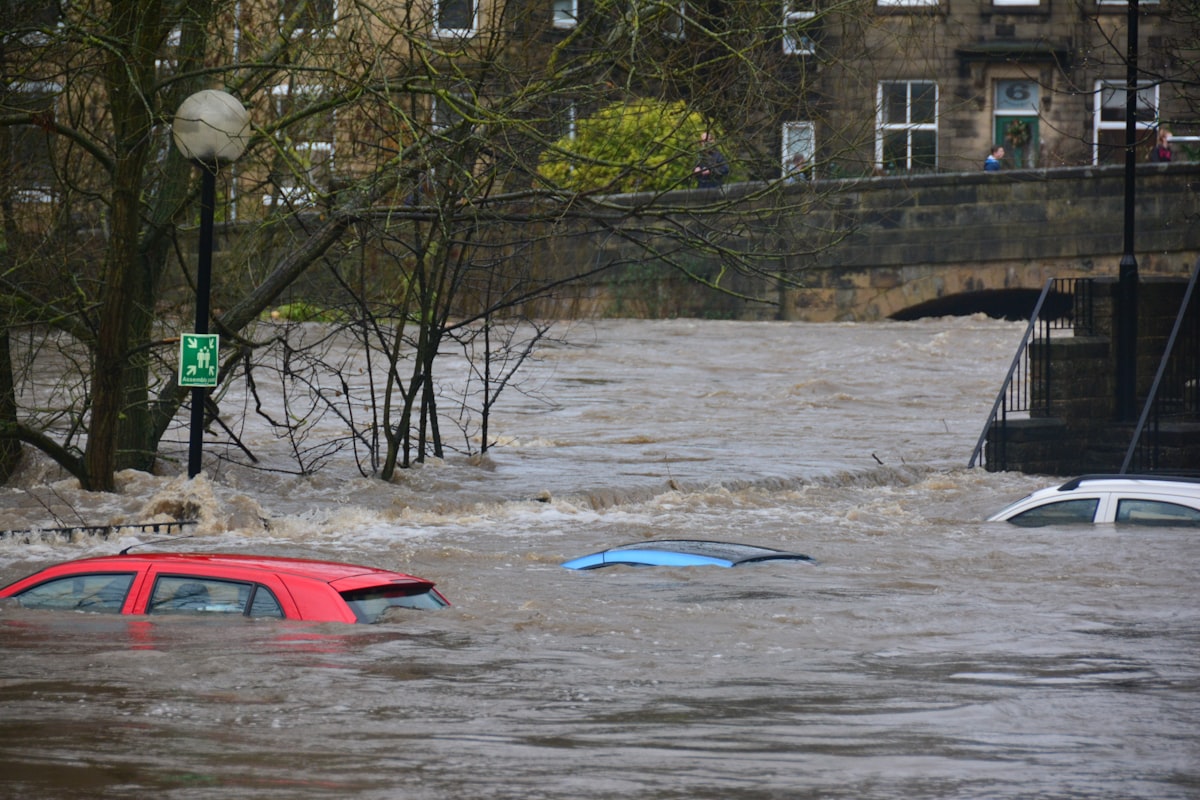
Flooding—whether from hurricanes, tropical storms, heavy rains, or plumbing catastrophes—creates the most severe conditions for mold growth. In South Florida's warm, humid environment, mold can begin developing within 24-48 hours after flooding and can become extensive within just a few days.
Post-flood mold presents unique challenges. Floodwater is almost always contaminated, carrying bacteria, sewage, chemicals, and organic matter that feeds mold growth. This contamination spreads throughout flooded materials, and the mold that develops is often more hazardous than typical household mold.
Even after visible water is removed, moisture remains trapped in building materials—inside walls, under flooring, within insulation. Without professional drying, this hidden moisture becomes a persistent mold source that can contaminate your home for months or years after the initial flooding event.
Our post-flood mold remediation service addresses both the immediate contamination and the hidden moisture that continues to fuel mold growth long after floodwaters recede.
Why You Need to Act Fast
The 24-48 hour window after flooding is critical. Once mold establishes in flood-saturated materials, it spreads rapidly and becomes increasingly expensive to remediate. Materials that could have been dried and saved may need complete removal if mold takes hold. Quick professional response saves both health and money.
Common Causes of Mold After Flood
Select Your City
Get location-specific mold after flood information and services for your area.
We serve Miami—details on this page
Mold After Flood services
Mold After Flood — full details on our Davie page
Mold After Flood — full details on our Hallandale Beach page
Mold After Flood — full details on our Davie page
Mold After Flood services
Mold After Flood services
Mold After Flood services
Prevention Tips
Dealing with Mold After Flood?
Don't wait – damage gets worse with time. Our emergency response team is available 24/7 across South Florida.