Mold Inspection in Miami: How We Test for Mold in Your Home
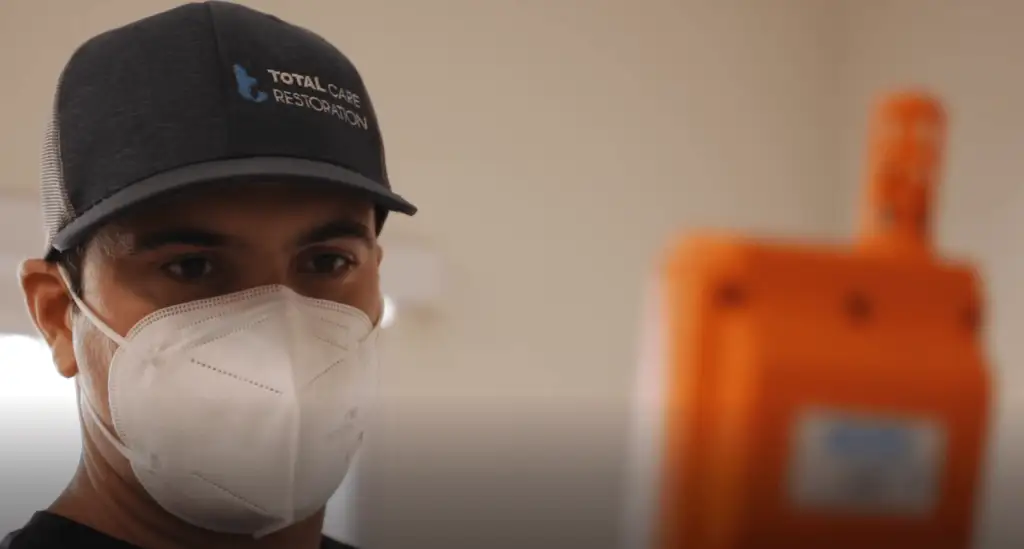
Suspect you have mold in your Miami home? A professional mold inspection is the crucial first step before any remediation work begins. At Total Care Restoration, mold inspection is an integral part of our mold remediation process—ensuring we identify every affected area before treatment.
Why Mold Inspection Matters
You can't fix a mold problem you can't find. Many homeowners see visible mold in one area, but the real problem is often hidden—behind walls, under flooring, or in HVAC systems.
Professional mold inspection reveals:
- The full extent of mold contamination
- Hidden mold behind walls and in air ducts
- Moisture sources causing the mold growth
- Mold species present (some are more hazardous than others)
- The remediation scope needed to fully address the problem
Without proper inspection, you risk incomplete remediation—and mold returning within weeks.
How to Test for Mold in Walls
Wondering how to test for mold in walls? Professional inspectors use several methods:
1. Visual Inspection
The first step is a thorough visual examination of your entire property, looking for:
- Visible mold growth (even small spots)
- Water stains on walls or ceilings
- Discoloration or bubbling paint
- Peeling wallpaper
- Warped or bulging surfaces
2. Moisture Meter Testing
Moisture meters detect elevated moisture levels in walls, floors, and ceilings. High moisture indicates conditions favorable for mold growth, even if mold isn't visible yet.
We check:
- Walls around bathrooms and kitchens
- Areas near windows and doors
- Basement and crawl space walls
- Areas that have had previous water damage
- HVAC system components
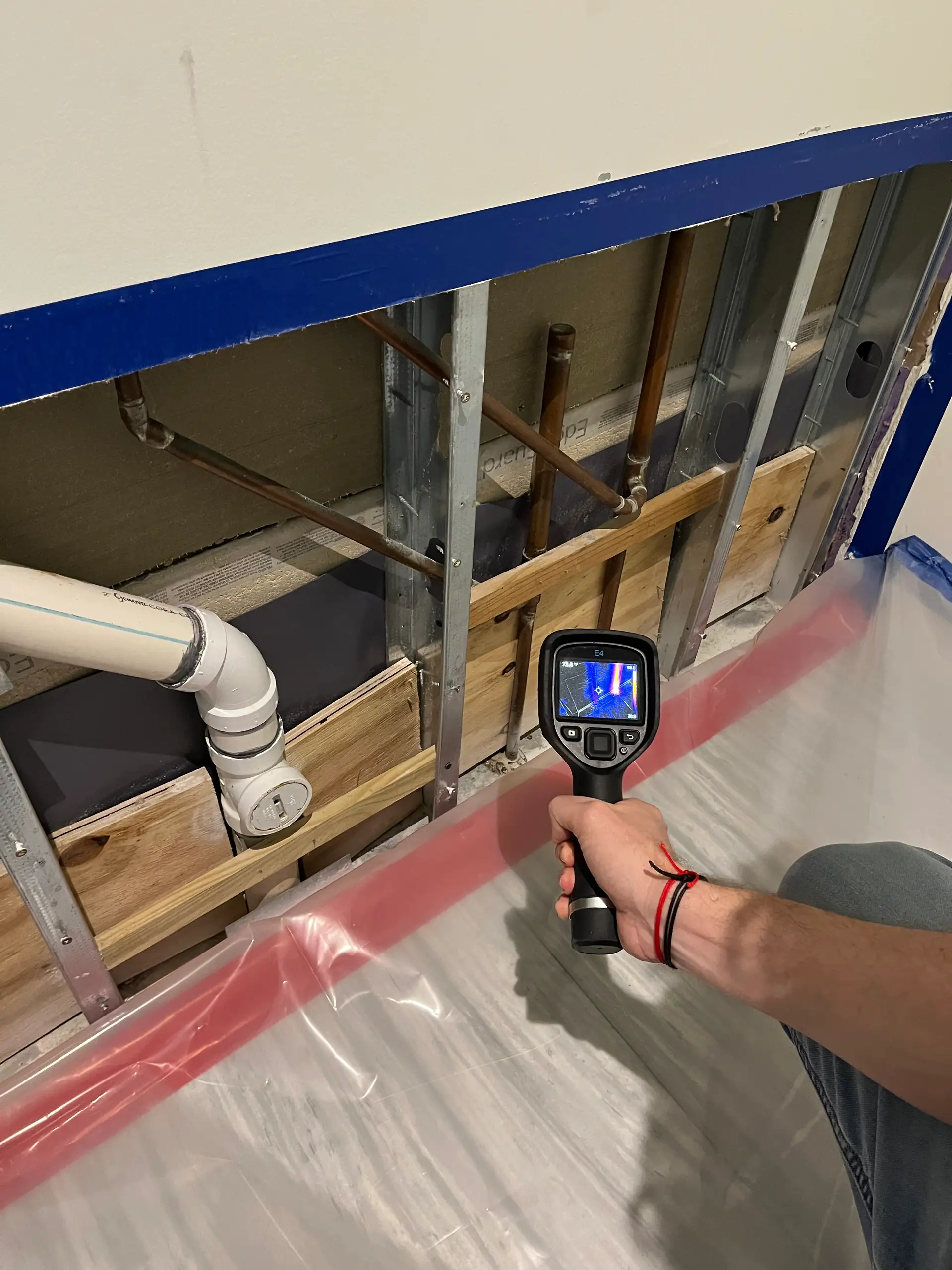
3. Thermal Imaging
Infrared cameras detect temperature differences that indicate moisture within walls. Wet areas appear cooler than surrounding dry areas, helping identify hidden water intrusion that could lead to mold.
4. Air Quality Testing
Air sampling captures airborne mold spores. Samples are analyzed in a lab to:
- Identify mold species present
- Measure spore concentration
- Compare indoor levels to outdoor baseline
- Document conditions for insurance
5. Surface Sampling
When visible mold is present, surface swabs or tape lifts collect samples for laboratory analysis. This identifies the specific mold species and helps determine appropriate remediation methods.
Signs You Need a Mold Inspection
Schedule a professional mold inspection if you notice:
- Musty odors you can't locate
- Visible mold anywhere in your home
- Recent water damage from leaks, flooding, or storms
- Unexplained allergy symptoms that worsen at home
- Discoloration on walls, ceilings, or floors
- Peeling paint or wallpaper
- Condensation on windows or walls
- High humidity that won't go away
In Miami's humid climate, mold can develop quickly after water intrusion. If your home experienced flooding, a roof leak, or plumbing failure, inspection within 24-48 hours is recommended.
Florida Mold Inspection Requirements
Florida has specific regulations regarding mold inspection and remediation:
- Separate licenses required — By Florida law, the company that tests for mold cannot be the same company that performs remediation
- We coordinate both — While we provide remediation services, we work with licensed mold assessors for testing to ensure compliance and objectivity
- Post-remediation verification — After remediation, independent testing confirms the mold has been successfully removed
This separation protects homeowners by ensuring unbiased testing results.
What Happens After Mold Inspection?
Once inspection reveals the full scope of your mold problem, here's what comes next:
1. Review Results Together
We explain exactly what was found, where mold is located, and what species are present. You'll understand the full picture before any work begins.
2. Remediation Plan
Based on inspection findings, we develop a comprehensive remediation plan including:
- Areas requiring treatment
- Materials that need removal
- Containment procedures
- Timeline and process
3. Professional Mold Remediation
Our IICRC-certified team removes and remediates mold following industry best practices:
- Containment to prevent spread
- HEPA air filtration
- Safe mold removal
- Antimicrobial treatment
- Thorough cleaning
4. Post-Remediation Verification
After remediation, independent testing confirms successful mold removal. You'll receive documentation proving your home is clear.
Learn more about our complete mold remediation process →
How to Check Walls for Mold Yourself
While professional inspection is recommended, here are preliminary checks you can do:
Look for warning signs:
- Dark spots or discoloration on walls
- Bubbling, peeling, or cracking paint
- Warped or bulging drywall
- Water stains (current or old)
Use your nose:
- Musty, earthy smell (especially after rain)
- Odors stronger in certain rooms
Check high-risk areas:
- Under sinks and around toilets
- Around windows (check for condensation)
- Behind large furniture against exterior walls
- In closets, especially on exterior walls
- Basement and garage walls
Important: If you find suspected mold, don't disturb it. Breaking up mold releases spores into the air, potentially spreading contamination and creating health risks. Call a professional for proper testing and removal.
Mold Inspection FAQs
How much does a mold inspection cost in Miami?
Professional mold inspections in Miami typically range from $300-$600 depending on home size and complexity. Air sampling and lab analysis may add $50-$150 per sample. While there's an upfront cost, proper inspection ensures effective remediation and prevents recurring problems.
How long does a mold inspection take?
Most residential mold inspections take 1-3 hours depending on property size. Lab results for air and surface samples typically return within 2-5 business days.
Can I stay in my home during mold inspection?
Yes, mold inspection is non-invasive and safe. You can remain home during the process. However, if significant mold is found, you may need to make arrangements during remediation.
Should I get a mold inspection before buying a home?
Absolutely. In Florida's humid climate, pre-purchase mold inspections are highly recommended, especially for older homes or properties that have experienced water damage. Hidden mold can cost thousands to remediate.
What's the difference between mold inspection and mold testing?
Mold inspection is the overall assessment process including visual examination, moisture detection, and identifying problem areas. Mold testing refers specifically to collecting samples (air or surface) for laboratory analysis. A thorough inspection typically includes testing.
Schedule Your Mold Assessment
Don't let hidden mold damage your home and health. Our team coordinates complete mold assessment and remediation services throughout Miami-Dade, Broward, and Palm Beach counties.
Ready for your mold inspection?
Call (786) 610-6317 to speak with our mold specialists, or schedule a consultation online.
View our complete Mold Remediation Services →
Related Articles:
Want to Learn More?
Read our comprehensive guide covering everything you need to know about this topic.
The Complete Guide to Mold Remediation in FloridaNeed Professional Help?
Our expert team is ready to assist with your mold remediation needs.
View Mold Remediation Services