How Long Can a Roof Tarp Last? Durability Guide
Understanding Roof Tarp Lifespan
When your roof sustains damage from a storm, tree, or other incident, a professional roof tarp provides crucial temporary protection. But how long can you expect that protection to last? Understanding roof tarp durability helps you plan for permanent repairs and protect your property in the meantime.
Average Roof Tarp Lifespan
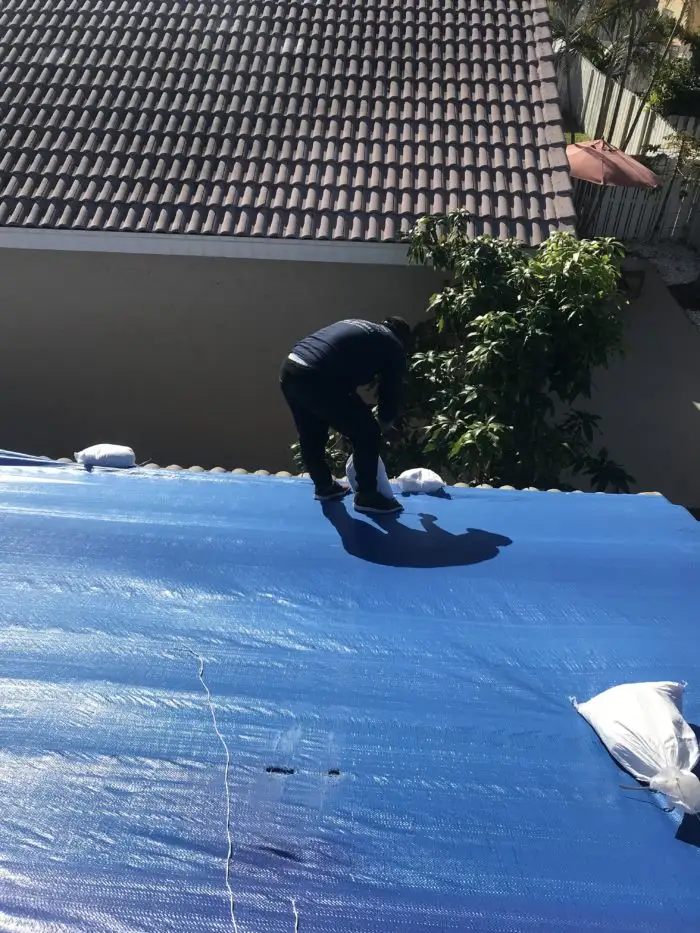
Professionally installed roof tarps typically last 30 to 90 days under normal conditions. However, this timeline varies significantly based on several factors.
Optimal Conditions (60-90 days)
- Quality materials and proper installation
- Moderate weather with minimal wind events
- UV-resistant tarps used
- Proper anchoring and sealing
Challenging Conditions (30-60 days)
- Frequent rain or wind events
- Direct sun exposure
- Larger damage areas requiring more coverage
- Complex roof geometries
Severe Conditions (Less than 30 days)
- Additional storm events
- Extreme UV exposure
- Poor initial installation
- Low-quality materials
Factors Affecting Tarp Durability
1. Material Quality
Not all tarps are created equal:
Standard Blue Tarps (Poly Tarps)
- Lifespan: 2-4 weeks
- Least expensive option
- Prone to UV degradation
- More likely to tear in wind
- Appropriate only for very short-term use
Heavy-Duty UV-Resistant Tarps
- Lifespan: 30-90 days
- Professional-grade materials
- Treated to resist sun damage
- Stronger construction for wind resistance
- Standard for professional roof tarping
Industrial Reinforced Tarps
- Lifespan: 60-120 days
- Thickest, strongest materials
- Best UV resistance
- Ideal for longer-term protection
- Higher cost but better value for extended waits
2. Installation Method
Professional installation dramatically extends tarp life:
Proper Installation Includes:
- Complete coverage extending past damaged areas
- Secure anchoring using furring strips or proper attachments
- Overlapping seams to prevent water intrusion
- Sealed edges to prevent wind uplift
- Consideration of roof slope and drainage
Poor Installation Signs:
- Loose edges flapping in wind
- Visible gaps or inadequate overlap
- Improper anchoring that damages roof
- No allowance for water drainage
3. Weather Exposure
South Florida weather is particularly hard on tarps:
Sun Exposure
- UV rays degrade tarp materials quickly
- White or silver tarps reflect heat better
- UV-treated materials essential in Florida
Wind
- Each wind event stresses the tarp
- Loose edges accelerate failure
- Subsequent storms may require re-tarping
Rain
- Properly installed tarps shed water effectively
- Pooling water (from poor slope) stresses materials
- Debris accumulation can cause damage
4. Roof Type and Damage Extent
The complexity of your roof affects tarp performance:
Simple Damage Areas
- Small holes or missing shingles
- Easier to cover completely
- Longer tarp life expected
Complex Situations
- Large damage areas
- Multiple roof levels
- Valleys, dormers, skylights
- More challenging to tarp effectively
Signs Your Tarp Needs Attention
Watch for these warning signs:
Immediate Concerns (Act Now)
- Visible tears or holes in tarp
- Tarp edges pulling loose
- Water leaking despite tarp
- Tarp billowing or flapping loudly
- Debris puncturing the tarp
Developing Issues (Schedule Service)
- Material looking faded or brittle
- Seams separating
- Anchor points showing strain
- Approaching 90-day mark
After Any Storm
- Inspect your tarp visually (from ground if necessary)
- Check inside for new leaks
- Schedule professional inspection if concerned
When Tarping Isn't Enough
Consider alternatives in these situations:
Choose Shrink Wrapping When:
- Repairs will take more than 90 days
- Your location experiences frequent storms
- The roof has complex geometry
- Insurance or contractor delays are expected
- You need protection through hurricane season
Shrink Wrap Advantages
- Lasts 6-12 months
- Heat-sealed for complete waterproofing
- Conforms to complex roof shapes
- No loose edges to catch wind
- Higher initial cost but often better value
Learn more about shrink wrapping vs. tarping
Extending Your Tarp's Life
If you're waiting for permanent repairs, these steps help:
After Installation
- Document the installation with photos
- Know who installed it and their warranty terms
- Note the installation date
Regular Monitoring
- Visual inspection after any wind event
- Check for new interior leaks
- Look for debris accumulation on tarp
- Monitor anchor points for loosening
If Issues Develop
- Contact your restoration company promptly
- Minor repairs may extend tarp life
- Don't attempt DIY roof work
- Document issues for insurance
Insurance Considerations
Important points for insurance claims:
What's Typically Covered
- Emergency tarping costs (as mitigation)
- Re-tarping if storm damages original tarp
- Professional installation expenses
Documentation Needs
- Photos before tarping
- Invoices for tarping services
- Records of any additional damage
- Timeline of events
Claim Tips
- Report tarping as emergency mitigation
- Keep all receipts and documentation
- Don't wait for adjuster before tarping (it's mitigation)
- Understand your hurricane deductible
Planning for Permanent Repairs
A tarp buys you time, but it's not a solution:
While Protected
- Get multiple repair estimates
- Work with your insurance adjuster
- Schedule permanent repairs
- Order materials if backordered
Timeline Considerations
- Tarps need replacement if repairs delayed beyond 90 days
- Roofing contractors may be booked months out after major storms
- Material availability affects repair timeline
- Budget for potential re-tarping
DIY vs. Professional Tarping
We strongly recommend professional installation:
Why Professional Matters
- Roof work is dangerous, especially on damaged structures
- Proper installation dramatically extends tarp life
- Insurance documentation is handled correctly
- Warranty protects you if issues arise
- Equipment and materials are professional-grade
DIY Risks
- Personal injury from falls
- Improper installation fails quickly
- Additional roof damage from incorrect anchoring
- Insurance complications from inadequate documentation
Cost Considerations
Understanding tarping costs:
Typical Pricing Factors
- Roof size and accessibility
- Damage extent and complexity
- Material quality selected
- Emergency response timing
Value Perspective
- Tarping prevents exponentially larger water damage
- Quick response minimizes interior damage
- Professional work supports insurance claims
- Consider tarp cost vs. potential water damage cost
Conclusion
Professionally installed roof tarps provide 30-90 days of protection under normal conditions, but this varies based on materials, installation quality, and weather exposure. For Florida homeowners, UV-resistant materials and professional installation are essential for reliable protection.
If your roof is damaged, don't wait. Water damage begins immediately and can lead to mold growth within 48 hours. Contact Total Care Restoration for 24/7 emergency roof tarping throughout South Florida.
We use professional-grade materials, proper installation techniques, and provide documentation for your insurance claim. When your roof is compromised, we're here to protect your home.
Want to Learn More?
Read our comprehensive guide covering everything you need to know about this topic.
The Complete Guide to Storm Damage Restoration and Roof Protection in FloridaNeed Professional Help?
Our expert team is ready to assist with your storm damage restoration needs.
View Storm Damage Restoration Services