Living with Storm Risk in Florida
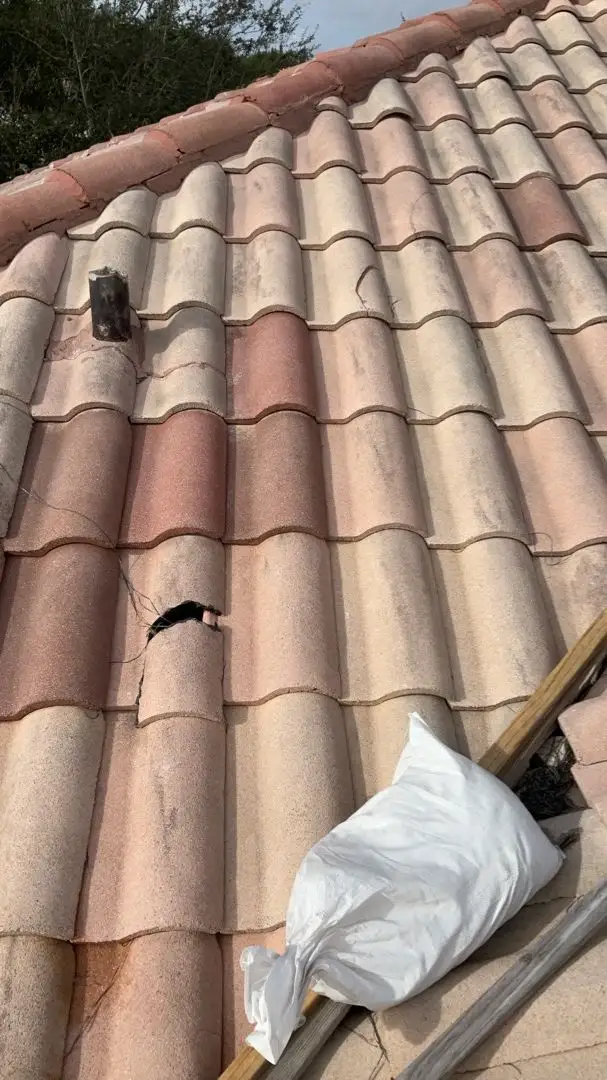
South Florida's location makes it uniquely vulnerable to tropical weather. According to NOAA, Florida faces an average of 7 hurricanes per decade making landfall or passing nearby. Hurricane damage has averaged over $20 billion annually in the US over the past decade, with areas like Miami, Broward, and Palm Beach bearing a significant portion of these losses.
Hurricane season runs from June 1 through November 30, but tropical systems can develop any time. Beyond hurricanes, South Florida experiences frequent thunderstorms, tornadoes, and flooding events that can damage property. When disaster strikes, expert storm damage restoration is vital. Hailstorms alone cause around $1 billion in damage every year across the United States.
This comprehensive guide covers everything you need to know about preparing for storms, protecting your South Florida property during severe weather, and recovering from storm damage.
Table of Contents
- Living with Storm Risk in Florida
- What To Do Immediately After a Storm
- Types of Storm Damage
- Hurricane Categories and Expected Damage
- Storm Preparation
- Emergency Roof Protection
- Storm Damage Restoration Costs
- Post-Storm Safety
- Flood Damage Restoration
- How Long Does Storm Damage Restoration Take?
- Storm Damage Insurance Claims
- Avoiding Storm Chasers and Scams
- Building Resilience
- Emergency Resources
- Frequently Asked Questions
- Conclusion
What To Do Immediately After a Storm
When a severe storm or hurricane has passed, stepping outside to survey the damage can be a shocking experience. Understanding the correct steps after a storm and taking the right actions immediately can keep your family safe, prevent further damage to your home, and ensure your insurance claim goes smoothly.
If you are wondering about the first steps after storm damage, follow this guide:
1. Wait for the All-Clear
Do not leave your safe room or return to your property until local authorities have officially declared that the storm has passed. Strong winds and flying debris remain hazardous even on the tail end of a hurricane.
2. Check for Immediate Hazards
Before entering your home or walking around the yard, look out for extreme dangers:
- Stay far away from downed power lines and report them immediately.
- Smell for gas; if you detect a leak, turn off the main gas valve, leave the area, and call the utility company.
- Watch out for displaced wildlife, such as snakes or rodents, seeking shelter in debris.
3. Document the Damage
Before you move debris or begin any cleanup, take comprehensive photos and videos of the exterior and interior of your property. Capture roof damage, broken windows, fallen trees, and any flooding. This is critical evidence for your insurance claim.
4. Contact Your Insurance Company
Call your insurance provider as soon as possible to start the claims process. Following a major storm, adjusters are in high demand, so getting your name on the list early is vital.
5. Prevent Secondary Damage
Your insurance policy requires you to mitigate further damage. If it is safe to do so:
- Board up broken windows and doors to keep out rain and looters.
- Move salvageable belongings out of flooded areas.
- Do not attempt to climb onto a damaged roof yourself.
6. Contact a Professional Restoration Company
Storm damage requires specialized equipment and expertise. Professional teams can safely install emergency roof tarps, extract floodwaters, and begin structural drying before mold sets in. Relying on experts ensures that hidden damage, like water trapped inside walls, is completely addressed.
If your property has sustained storm damage, contacting a reputable, local restoration professional immediately is the best way to secure your home and begin recovery.
Types of Storm Damage
Storms cause damage in several ways, often in combination:
Wind Damage
Wind damage can happen even in lower-level storms, but quickly escalates as the wind intensifies:
- Roof damage: Gusts of wind catching the edges of shingles or tiles, peeling them back and leaving your roof deck completely exposed to rain.
- Structural damage: Relentless wind pressure pushing against walls, ripping soffits out from beneath your eaves, and tearing away fascia boards.
- Falling debris: Heavy tree branches snapping under the strain and crashing through your roof, siding, or windows.
- Window and door damage: Airborne debris smashing through glass, breaking the seal on your home and letting howling winds pressurize the interior.
- Fence and screen enclosure damage: Often the first things to go—aluminum frames twisting and screens tearing apart like paper.
Water Intrusion
Water enters buildings in multiple ways during storms:
- Roof leaks: Rain pouring straight through the gaps where tiles, shingles, or roof vents have been ripped away.
- Window and door leaks: Wind-driven rain beating so hard against the side of your house that it forces its way right through the rubber seals and frame seams.
- Rising water: Dark, dirty floodwaters from storm surges creeping over your thresholds and soaking your floors.
- Hydrostatic pressure: Soaking wet ground pushing thousands of pounds of pressure against your foundation until water seeps up through the concrete slab itself.
Flooding
Hurricane flooding presents unique challenges:
- Storm surge: Walls of seawater pushed miles inland by the force of a hurricane, flooding coastal neighborhoods completely.
- Flash flooding: Torrential downpours overwhelming city drains and swales so fast that the streets turn into rivers flowing toward your front door.
- River and lake flooding: Nearby bodies of water bursting their banks and slowly, steadily rising into low-lying properties.
- Tidal flooding: Already-high king tides combined with incoming storms, pushing water up through the storm drains and into the streets.
Secondary Damage
Storm damage doesn't stop when the sun comes out. It often leads to cascading problems:
- Mold growth: Spores that begin blooming across wet drywall, carpet, and framing within just 24-48 hours if you don't start the drying process.
- Structural deterioration: The longer your roof or walls stay exposed to the elements, the more the wood rots and the structural integrity of your home weakens.
- Pest intrusion: Snakes, rats, and insects looking for shelter and crawling inside through the new holes torn in your roof and walls.
- Theft and vandalism: Looters targeting severely damaged, wide-open properties before you can get them boarded up or tarped.
Hurricane Categories and Expected Damage
Understanding the Saffir-Simpson Hurricane Wind Scale helps you prepare appropriately:
Category 1 (74-95 mph)
- Minor roof damage, loose outdoor items blown around
- Some tree damage, primarily branches
- Power outages possible but usually brief
Category 2 (96-110 mph)
- Significant roof damage to shingles and tiles
- Trees uprooted, especially shallow-rooted species
- Extended power outages likely
Category 3 (111-129 mph) - Major Hurricane
- Major roof damage, potential structural damage
- Many trees uprooted
- Water and electricity unavailable for days to weeks
Category 4 (130-156 mph) - Major Hurricane
- Severe roof and structural damage
- Most trees snapped or uprooted
- Uninhabitable conditions for weeks to months
Category 5 (157+ mph) - Major Hurricane
- Catastrophic damage, many homes destroyed
- Essentially all trees down
- Area uninhabitable for extended periods
Storm Preparation
Preparation is your best defense against storm damage:
Home Hardening
Long-term improvements that protect your property:
Roof:
- Hurricane straps connecting roof to walls
- Impact-resistant roofing materials
- Proper installation and maintenance
- Secondary water barrier under roofing
Windows and Doors:
- Impact-resistant windows and doors
- Hurricane shutters (manual or automatic)
- Reinforced garage doors
- Entry door deadbolts and reinforcement
Structural:
- Foundation anchor bolts
- Reinforced wall connections
- Proper construction to current Florida Building Code
Before Hurricane Season (June 1)
Annual preparation should include:
- Review and update insurance coverage
- Document your property with photos and video
- Stock emergency supplies
- Test generators and hurricane shutters
- Trim trees and remove dead branches
- Clear gutters and drains
- Identify your evacuation zone and routes
When a Storm Threatens
As a storm approaches:
72 Hours Out:
- Monitor the storm's progress
- Review your emergency plan
- Begin securing outdoor items
- Top off vehicle fuel
48 Hours Out:
- Install hurricane shutters
- Secure or store outdoor furniture, plants, and decorations
- Fill bathtubs and containers with water
- Get cash (ATMs may not work after storm)
- Charge devices and backup batteries
24 Hours Out:
- Complete all preparations
- Move vehicles to protected areas
- Turn refrigerator and freezer to coldest settings
- Know how to turn off utilities
- Evacuate if ordered or if you're in an evacuation zone
Emergency Roof Protection
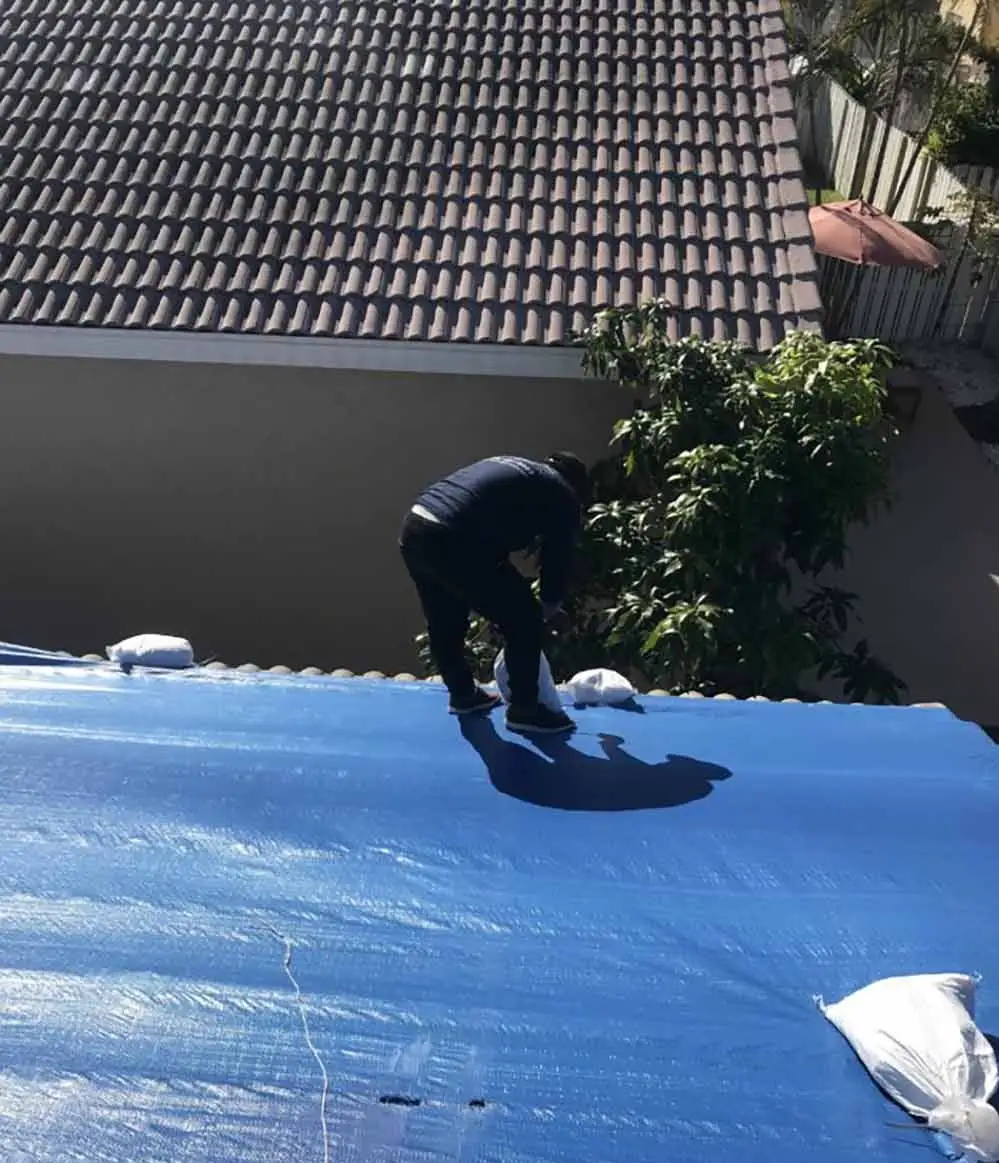
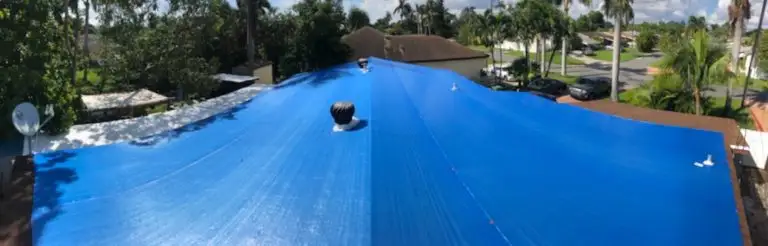
If your roof is damaged during a storm, temporary protection prevents additional damage:
Roof Tarping
Professional roof tarping provides emergency weatherproofing:
Why Professional Tarping Matters:
- Proper coverage of damaged areas
- Secure attachment that won't blow off
- Correct overlap and sealing techniques
- Safe installation by trained crews
How Long Tarps Last:
- Quality installation: 30-90 days typically
- Depends on weather conditions and tarp quality
- Not a permanent solution—repair should follow
What to Expect:
- 24/7 emergency response available
- Assessment of damage and tarp requirements
- Installation by trained crews with safety equipment
- Documentation for insurance claims
Shrink Wrapping
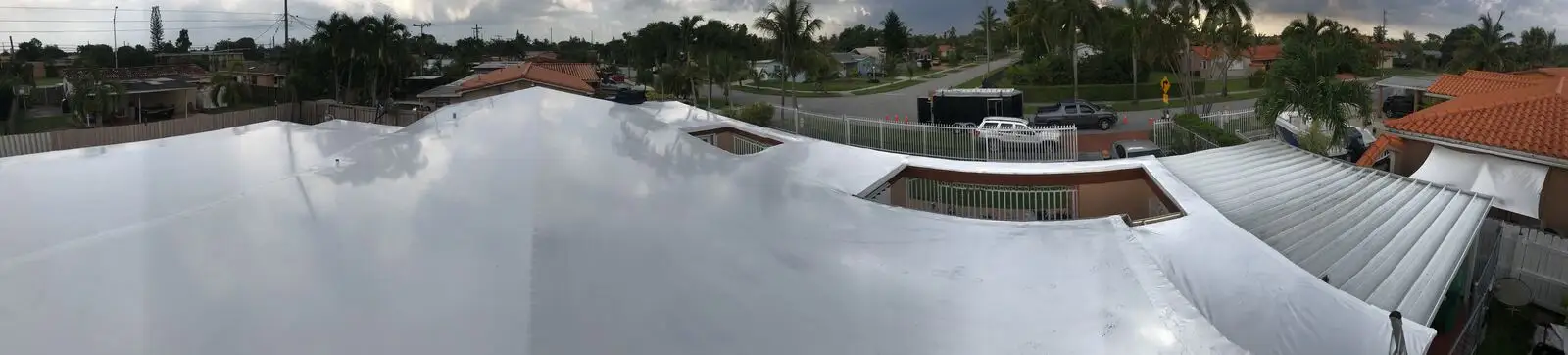
For longer-term protection or complex roof geometries:
- Heat-sealed waterproof membrane
- Conforms to irregular shapes
- Lasts 6-12 months or longer
- More expensive but more durable
Board-Up Services
Protecting openings from weather and security risks:
- Windows and doors secured with plywood or polycarbonate
- Prevents water intrusion
- Deters theft and vandalism
- Required by many insurance policies
Storm Damage Restoration Costs
Understanding costs helps you budget and recognize fair pricing. Acting quickly can save thousands—a $500 repair can balloon to $10,000+ if left unattended due to water damage, mold growth, and structural deterioration.
Emergency Roof Protection Costs
| Service | Cost Range |
|---|---|
| Emergency Roof Tarping (professional) | $750 - $4,200 |
| DIY Tarp Materials (1,500 sq ft roof) | $150 - $350 |
| Shrink Wrapping | $1,500 - $6,000 |
| Temporary Leak Repairs | $300 - $1,200 |
| Board-Up Services | $100 - $300 per opening |
Shrink Wrap Cost Breakdown
For shrink wrap roof protection:
- Materials: $0.10 - $1.50 per square foot
- Labor: $1 - $3 per square foot
- Total: $1 - $4 per square foot
For a 1,500 sq ft roof area, expect $1,500 - $6,000 depending on complexity.
Factors That Affect Roof Protection Costs
- Roof size and pitch: Steeper roofs require more labor
- Extent of damage: Larger damaged areas need more materials
- Accessibility: Multi-story homes cost more
- Time of service: Emergency/after-hours rates may apply
- Demand after storms: Prices may increase temporarily
When to Act
Temporary leak repairs: $300 - $1,200 Ignoring the problem: Water damage and mold remediation costs exceeding $10,000
Replacing a few shingles: $500 - $1,500 Waiting until structural damage occurs: $15,000+
The math is clear: immediate action saves money.
Post-Storm Safety
After a storm passes, safety is the priority:
Before Returning Home
- Wait for official all-clear from authorities
- Watch for road hazards, flooding, and downed power lines
- Don't drive through standing water
- Have your property inspected before occupying if possible
Initial Assessment
When you first return:
- Photograph damage before any cleanup
- Check for structural damage before entering
- Watch for hazards: gas leaks, electrical damage, weakened structures
- Document everything for insurance
Immediate Concerns
Address these issues first:
Safety Hazards:
- Downed power lines
- Gas leaks
- Standing water with electrical sources
- Unstable structures
Preventing Additional Damage:
- Temporary roof covering
- Boarding windows and openings
- Water extraction if flooding occurred
- Removing debris from against the structure
Flood Damage Restoration
Flood damage requires special consideration:
Flood Water Categories
Category 3 (Black Water): Most flood water is considered Category 3—highly contaminated with sewage, chemicals, and biological hazards. This includes:
- Storm surge and seawater
- River and lake overflow
- Overflowing sewers and septic systems
- Standing water that has become stagnant
Flood Restoration Process
- Safety assessment: Ensure the property is safe to enter
- Documentation: Photograph all damage for insurance
- Water extraction: Remove standing water
- Debris removal: Remove damaged materials and debris
- Cleaning and sanitization: Disinfect all affected surfaces
- Structural drying: Professional drying to prevent mold
- Reconstruction: Restore the property
What Can't Be Saved After Flooding
Category 3 water contamination means many materials must be discarded:
- Carpet and padding
- Drywall (at least 12" above water line)
- Insulation that got wet
- Upholstered furniture
- Mattresses and bedding
- Particle board furniture
- Food and medications
How Long Does Storm Damage Restoration Take?
A common question property owners ask following a hurricane is, "How long does storm damage cleanup take?" The storm restoration timeline varies wildly depending on the severity of the storm, the type of damage sustained, and the availability of materials and contractors in your area.
While every situation is unique, here is a general idea of the storm repair time you can expect:
- Minor Storm Damage (1 to 2 weeks): If your property sustained minor wind damage—such as a few missing shingles, a broken window, or a downed fence—repairs can often be completed in a couple of weeks, provided local contractors aren't overwhelmed.
- Moderate Storm Damage and Flooding (Several weeks to a month): When dealing with significant roof leaks, moderate flooding, or localized water damage, the timeline increases. This includes emergency tarping, water extraction, 3-5 days of structural drying, mold prevention, and replacing damaged drywall or flooring.
- Severe Hurricane Damage (Several months to over a year): For properties that have suffered catastrophic structural damage, major roof loss, or deep Category 3 flooding, the restoration process is massive. Rebuilding the structure, navigating complex insurance claims, securing permits, and waiting on backordered materials can stretch the process out for many months.
Factors that can severely extend your storm restoration timeline include area-wide power outages, contractor shortages following a major hurricane, supply chain delays for roofing materials, and backlogs in municipal permitting offices. Securing emergency board-up and drying services immediately is the best way to stabilize your home while you navigate the longer reconstruction process.
Storm Damage Insurance Claims
Navigating insurance after a storm requires preparation and persistence:
Understanding Your Coverage
Homeowners Insurance typically covers:
- Wind damage to structure and contents
- Rain damage through wind-created openings
- Falling trees and debris
- Additional living expenses if displaced
Flood Insurance (separate policy, usually through NFIP) covers:
- Rising water damage
- Storm surge
- Mudslides related to flooding
Hurricane Deductibles:
- Usually a percentage of home's insured value (1-10%)
- Applied per hurricane season, not per claim
- Much higher than standard deductibles
Filing Your Claim
- Report promptly: Contact your insurer as soon as safely possible
- Document thoroughly: Photos, videos, written descriptions
- Make temporary repairs: Prevent additional damage (keep receipts)
- Don't discard: Keep damaged items until adjuster inspection
- Get multiple estimates: For comparison and leverage
- Track everything: Create a claim file with all communications
Working with Adjusters
- Be present for all inspections
- Point out all damage, including hidden areas
- Provide documentation of pre-loss condition
- Ask questions and take notes
- Get everything in writing
If Your Claim Is Denied or Underpaid
- Request a detailed explanation
- Provide additional documentation
- Consider a second opinion on damage extent
- Consult a public adjuster
- Know your policy's dispute resolution process
Avoiding Storm Chasers and Scams
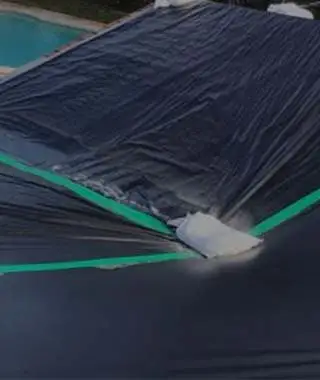
After major storms, scammers target affected areas. Protecting yourself is essential.
Warning Signs of Storm Chasers
Be cautious of contractors who:
- Show up unsolicited at your door after a storm
- Use high-pressure tactics ("Today only" deals, limited-time offers)
- Request large deposits or full payment upfront
- Have out-of-area license plates or no local presence
- Provide no written contracts or vague estimates
- Offer to waive your insurance deductible (illegal in Florida)
- Can't provide proof of licensing or insurance
- Quote prices significantly below market rates (may indicate shortcuts)
Protecting Yourself from Scams
Verify Credentials:
- Check licenses through Florida's DBPR
- Verify insurance coverage
- Look up the company with the Better Business Bureau
- Check online reviews on multiple platforms
Get Everything in Writing:
- Detailed scope of work
- Itemized pricing
- Timeline for completion
- Warranty information
- Payment schedule
Payment Best Practices:
- Never pay in full upfront
- Use credit cards for additional protection
- Standard practice: 10-30% deposit, balance upon completion
- Be wary of cash-only requests
Red Flags That Demand Immediate Concern:
- Requests to sign over insurance benefits
- Offers that seem too good to be true
- Contractors who discourage you from getting other estimates
- Pressure to make immediate decisions
- No physical business address
Why Local Companies Matter
Local restoration companies offer significant advantages:
- Established reputations to protect in the community
- Familiar with local building codes and permit requirements
- Available for warranty work and follow-up
- Relationships with local suppliers for faster repairs
- Understanding of regional insurance practices
- Accountability to local customers and regulators
What to Do If You've Been Scammed
- Document everything related to the transaction
- Contact your bank or credit card company
- File a complaint with Florida Consumer Services: 1-800-435-7352
- Report to the Better Business Bureau
- Contact local law enforcement for significant fraud
Building Resilience
After storm damage, consider improvements that reduce future vulnerability:
Roof Improvements
- Impact-resistant shingles or metal roofing
- Proper hurricane clips and straps
- Improved underlayment
- Ridge vents designed for high winds
Window and Door Upgrades
- Impact-resistant windows and doors
- Permanent hurricane shutters
- Reinforced garage doors
Property Modifications
- French drain systems for better drainage
- Elevation of utilities and HVAC equipment
- Flood-resistant building materials below flood level
- Improved landscaping to reduce wind-borne debris
Insurance Considerations
- Many improvements qualify for insurance discounts
- Document all improvements for claims purposes
- Consider increased coverage if property value increases
Emergency Resources
Know these resources before you need them:
Official Sources
- National Hurricane Center: hurricanes.gov
- Florida Division of Emergency Management: floridadisaster.org
- Your county emergency management website
- FEMA: fema.gov
After a Storm
- FEMA disaster assistance: DisasterAssistance.gov or 1-800-621-3362
- Florida Consumer Services: 1-800-435-7352 (contractor complaints)
- Insurance complaints: Florida Office of Insurance Regulation
Frequently Asked Questions
Does homeowners insurance cover all storm damage in Florida? While standard homeowners insurance covers wind damage, it explicitly excludes flood damage (including storm surge). For rising water damage, you need a separate policy through the National Flood Insurance Program (NFIP) or a private flood insurer.
What is a hurricane deductible? In Florida, a hurricane deductible is a separate, often higher deductible that applies exclusively to damage caused by named storms. It is typically calculated as a percentage (1% to 10%) of your home's total insured value, rather than a flat dollar amount.
How soon should I begin storm damage restoration? You should begin the mitigation process (like emergency roof tarping and water extraction) immediately after it is safe to do so. Failing to prevent secondary damage, such as mold growth or prolonged water intrusion, can complicate your insurance claim.
Conclusion
Storm damage is an unfortunate reality of living in Florida, but proper preparation, quick response, and professional restoration can minimize the impact on your property and your life.
If your property has sustained storm damage, don't wait. Water damage begins immediately, mold can start growing within 48 hours, and unsecured properties face additional risks. A $500 repair today can prevent $10,000+ in damage tomorrow.
Contact our team for emergency assistance—we're available 24/7, respond quickly throughout South Florida, and have the equipment and expertise to protect and restore your property.
Remember: Preparation saves property, quick response saves costs, and professional restoration saves your investment. Take action before the next storm, and know who to call when you need help.
Contact us for emergency storm damage assistance – Available 24/7.
About the Author
Alejandro Diaz is an IICRC-Certified restoration expert and licensed plumber with extensive experience navigating the unique property damage challenges of South Florida. As a leading specialist in disaster recovery, Alejandro combines his deep technical knowledge with a commitment to providing the Miami and South Florida community with the highest standard of emergency restoration services.
Watch: Professional Roof Tarping & Storm Protection
Need Professional Assistance?
Our certified technicians are available 24/7 to help with your restoration needs. Get a free assessment and expert guidance for your specific situation.