Understanding Mold in Florida
Florida's warm, humid climate creates ideal conditions for mold growth. The EPA estimates that 50% of buildings in the United States have water damage and mold issues. In South Florida's humid climate—especially across Miami, Broward, and Palm Beach counties—this number is significantly higher.
With average humidity levels often exceeding 70% and temperatures that rarely drop below mold's growth threshold, South Florida homeowners face year-round mold risks that residents in other states simply don't experience. Mold can begin growing within 24-48 hours of water exposure, making quick action and professional mold remediation essential.
This comprehensive guide will help you understand mold, recognize warning signs, know when to seek professional help, and take steps to prevent mold problems in your Miami or South Florida home or business.
Table of Contents
- Understanding Mold in Florida
- What To Do Immediately When You Find Mold
- What Causes Mold Growth?
- What Is Mold?
- Health Effects of Mold Exposure
- Signs of Mold in Your Home
- The Mold Remediation Process
- How Long Does Mold Remediation Take?
- Mold Remediation Costs in Florida
- Florida-Specific Mold Challenges
- Mold Prevention in Florida
- Mold and Insurance in Florida
- Mold Testing: When Is It Necessary?
- DIY vs. Professional Mold Remediation
- Choosing a Mold Remediation Company
- Frequently Asked Questions
- Conclusion
What To Do Immediately When You Find Mold
Discovering mold in your home or business can be alarming, but acting quickly and correctly can stop the spread and protect your health. Understanding the correct steps after finding mold is crucial to preventing a minor issue from becoming a major structural problem.
If you are wondering about the first steps after discovering mold, follow this guide:
1. Do Not Disturb the Mold
Resist the urge to touch, wipe, or poke the moldy area. Disturbing mold can release thousands of microscopic spores into the air, spreading the contamination to other parts of your property and increasing your risk of inhaling them.
2. Identify and Stop the Moisture Source (If Possible)
Mold cannot grow without water. If the mold is the result of an active plumbing leak, roof leak, or condensation issue, try to safely stop the source of the water. Turn off the water supply to the affected fixture if necessary.
3. Isolate the Area
To prevent mold spores from spreading to clean areas of your home, close the doors to the affected room. If there are air vents in the room, consider temporarily covering them to stop spores from entering your HVAC system.
4. Turn Off the HVAC System
If you suspect mold is growing near your AC vents, inside your ductwork, or in the HVAC unit itself, turn off the system immediately. Running the AC can quickly distribute mold spores throughout the entire building.
5. Document the Mold
Before professional cleanup begins, take photos of the mold growth and any visible water damage. This documentation can be helpful if you need to file an insurance claim for the underlying water issue.
6. Do Not Use Bleach
While it might be tempting to spray bleach on the mold, bleach does not kill mold on porous surfaces like drywall or wood; it only bleaches the color and adds more water to the material, often making the problem worse.
7. Contact a Professional Mold Remediation Company
Because mold poses serious health risks and often hides behind walls and under flooring, DIY cleanup is rarely effective. Professional mold remediation teams use specialized containment barriers, HEPA air scrubbers, and safe removal techniques to thoroughly eliminate the problem.
If you have discovered mold in your property, contacting a certified restoration professional immediately is the safest and most effective course of action.
What Causes Mold Growth?
Understanding the causes of mold helps with both prevention and treatment. Mold needs three things to grow: moisture, organic material, and warmth. Florida provides all three in abundance.
Primary Causes of Indoor Mold
Water Intrusion Events
- Roof leaks: Water slowly seeping through damaged shingles or aging materials, creating damp spots in your attic or ceiling.
- Plumbing leaks: A slow drip from a supply line or a hidden slab leak that slowly saturates flooring, providing a steady water source for mold.
- Flooding: Standing water from hurricanes or heavy rain that soaks into drywall and baseboards, creating a perfect breeding ground.
- Appliance failures: A washing machine or water heater leak that goes unnoticed for days behind the unit.
High Humidity
- Indoor humidity consistently above 60%: When the air feels thick and damp inside, mold can pull moisture right out of the air.
- Poor ventilation in bathrooms and kitchens: Steam from showers and cooking that lingers on walls and ceilings instead of venting outside.
- Inadequate dehumidification: Air conditioning systems that cool the air but fail to pull enough moisture out of it.
- Humidity from indoor water features: Pools, hot tubs, or large aquariums constantly adding moisture to the indoor air.
Air Conditioning Issues
- Clogged condensate drains: The #1 cause in Florida—water backs up and overflows the drip pan, soaking the surrounding closet or ceiling.
- Frozen evaporator coils: Coils that freeze up and then rapidly melt, overwhelming the drain pan.
- Cracked or overflowing drain pans: Aging plastic pans that develop hairline cracks and slowly leak into the ceiling below.
- Dirty air filters: Restricted airflow that makes your AC work harder and reduces its ability to dehumidify.
- Duct condensation: Cold air blowing through poorly insulated ducts in a hot attic, causing the ducts to "sweat" water onto the drywall below.
Poor Ventilation
- Bathrooms without exhaust fans: Moisture gets trapped every time someone takes a hot shower.
- Dryers venting indoors: Pumping hot, moist air directly into your home or garage instead of outside.
- Blocked attic ventilation: Heat and moisture getting trapped in the attic space, turning it into a sauna.
- Poorly ventilated crawl spaces: Damp soil evaporating moisture up into the subfloor of your home.
Construction and Maintenance Issues
- Flat roofs that pond water: Areas where rain pools and sits for days, slowly finding its way inside.
- Stucco exteriors trapping moisture: Cracks in stucco that allow rain in but don't let the moisture evaporate out.
- Inadequate window and door flashing: Rainwater driven by wind that sneaks behind the frame and into the wall cavity.
- Deferred maintenance: Small, known issues like a loose pipe fitting or a missing roof shingle that are ignored until they become major mold problems.
Score your mold risk while the causes are fresh
You have just seen what feeds mold in Florida homes. Answer a few questions about humidity, leaks, and ventilation to see whether your situation looks like watch-and-maintain territory—or time to bring in a certified remediation team.
Methodology and expanded FAQs: Mold Growth Risk Calculator
What Is Mold?
Mold is a type of fungus that grows in multicellular filaments called hyphae. Unlike plants, mold doesn't produce its own food through photosynthesis—instead, it secretes enzymes that break down organic matter, then absorbs the nutrients.
Mold reproduces through microscopic spores that float through the air, both indoors and outdoors. When these spores land on a moist surface with organic material, they can begin growing within 24 to 48 hours.
Common Types of Indoor Mold
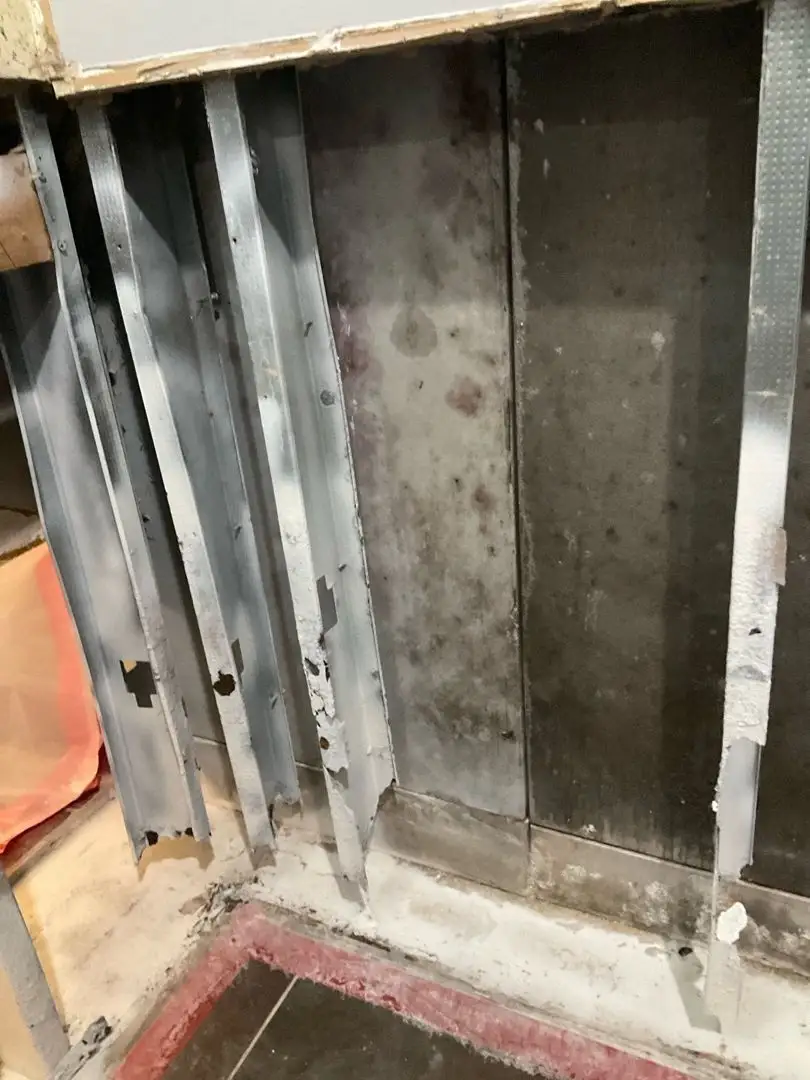
While thousands of mold species exist, several types are commonly found in Florida homes:
Cladosporium: Appears olive-green to brown or black. Commonly found on fabrics, carpets, and under sinks. Can cause allergic reactions.
Penicillium: Blue or green with a velvety texture. Often found on water-damaged materials, wallpaper, and carpeting. Spreads quickly and causes allergic reactions.
Aspergillus: Can appear in many colors. Common in HVAC systems, insulation, and water-damaged areas. Some species can cause serious respiratory issues.
Stachybotrys chartarum (Black Mold): Greenish-black, slimy texture. Grows on materials with high cellulose content (drywall, wood) that remain wet for extended periods. Produces mycotoxins that can cause serious health effects.
Alternaria: Dark green or brown, velvet-like texture. Common in showers, under sinks, and around windows. A major allergen that can trigger asthma attacks.
Health Effects of Mold Exposure
Mold can affect health in several ways, depending on the species, exposure level, and individual sensitivity:
Allergic Reactions
The most common health effect of mold exposure:
- Sneezing and runny nose
- Red, itchy, watery eyes
- Skin rash or hives
- Coughing and postnasal drip
- Sinus congestion
- Worsening asthma symptoms
Respiratory Issues
Extended exposure can cause more serious respiratory problems:
- Chronic coughing
- Wheezing and shortness of breath
- Recurring sinus infections
- Bronchitis
- Asthma development or worsening
Toxic Effects
Some molds produce mycotoxins that can cause:
- Headaches and migraines
- Fatigue and difficulty concentrating
- Memory problems
- Dizziness
- In severe cases, neurological symptoms
Who's Most at Risk?
Some individuals are more susceptible to mold-related health issues:
- People with existing allergies or asthma
- Infants and children
- Elderly individuals
- People with weakened immune systems
- Individuals with chronic respiratory conditions
Signs of Mold in Your Home
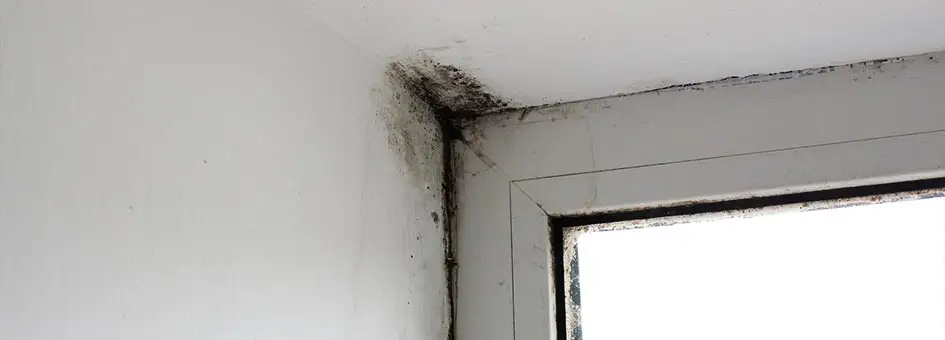
Mold often grows in hidden areas. Know these warning signs:
Visual Indicators
- Visible mold growth: Noticing spots of various colors (black, green, or even white) spreading across drywall, baseboards, or under cabinets.
- Water stains that keep growing: Yellow or brown rings on the ceiling or walls that indicate a slow, hidden leak behind the surface.
- Discoloration or peeling paint: Paint that bubbles, flakes, or peels away because moisture has compromised the drywall behind it.
- Warping walls or floors: Hardwood floors that cup or drywall that bows outward from absorbing too much water.
- Dark spots in grout or caulk: Grout lines in your shower that turn black and resist normal cleaning efforts.
Smell
- Musty, earthy odors that never leave: If you walk into a room and it constantly smells like a damp basement, or you notice a stale burst of air every time the AC kicks on, you likely have hidden mold.
- Damp, stale smell: A persistent scent of wet socks or decaying leaves, even when the house is clean.
- Odors that worsen in humid weather or when AC runs: Noticeable spikes in that musty smell when it rains or when your HVAC system blows air through contaminated ducts.
Physical Symptoms
- Allergy symptoms that vanish when you leave the house: Sneezing, coughing, or itchy eyes that plague you at home but magically clear up when you go to work or on vacation.
- Symptoms that worsen in certain rooms: Feeling congested specifically after waking up in your bedroom or spending time in the basement.
- Recurring respiratory issues: A nagging cough or frequent sinus infections that won't go away despite medical treatment.
Environmental Clues
- Recent water damage or flooding: A past pipe burst or roof leak that wasn't thoroughly dried out by professionals.
- High humidity levels: Indoor air that constantly feels sticky, with humidity hovering above 60%.
- Condensation on windows or pipes: Water droplets forming on the inside of windows or on exposed plumbing, indicating excess moisture in the air.
- Previous mold problems in the home: A history of mold issues that may have been wiped away but never truly remediated at the source.
The Mold Remediation Process
Professional mold remediation follows established protocols to safely and effectively remove mold while preventing cross-contamination:
Step 1: Assessment and Inspection
A thorough assessment determines the scope of the mold problem:
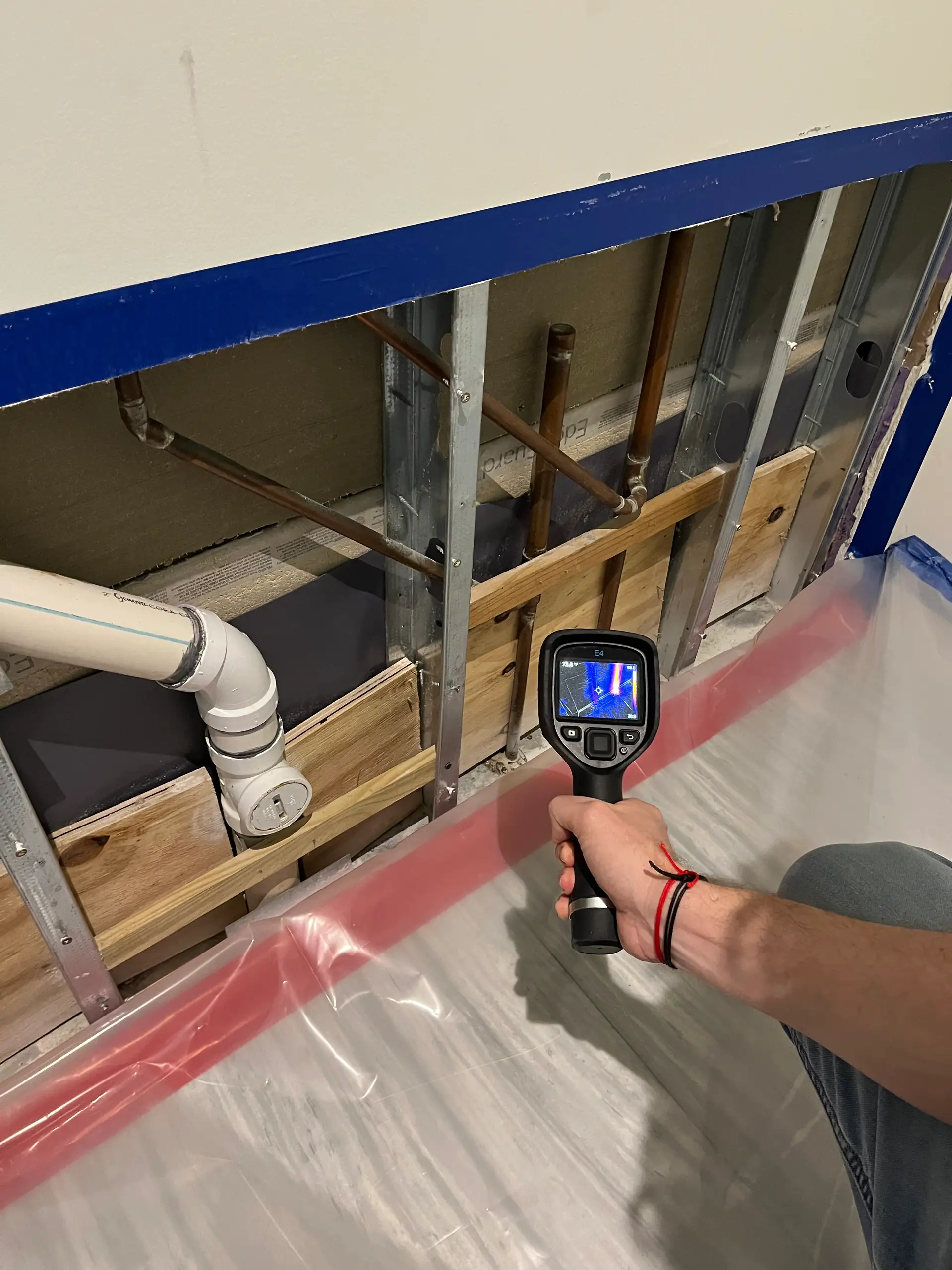
- Visual inspection of affected and adjacent areas
- Moisture testing to identify water sources
- Air quality testing to measure spore levels (when needed)
- Infrared scanning to detect hidden moisture
- Documentation for insurance and remediation planning
Step 2: Containment
Preventing mold spores from spreading during remediation is critical:
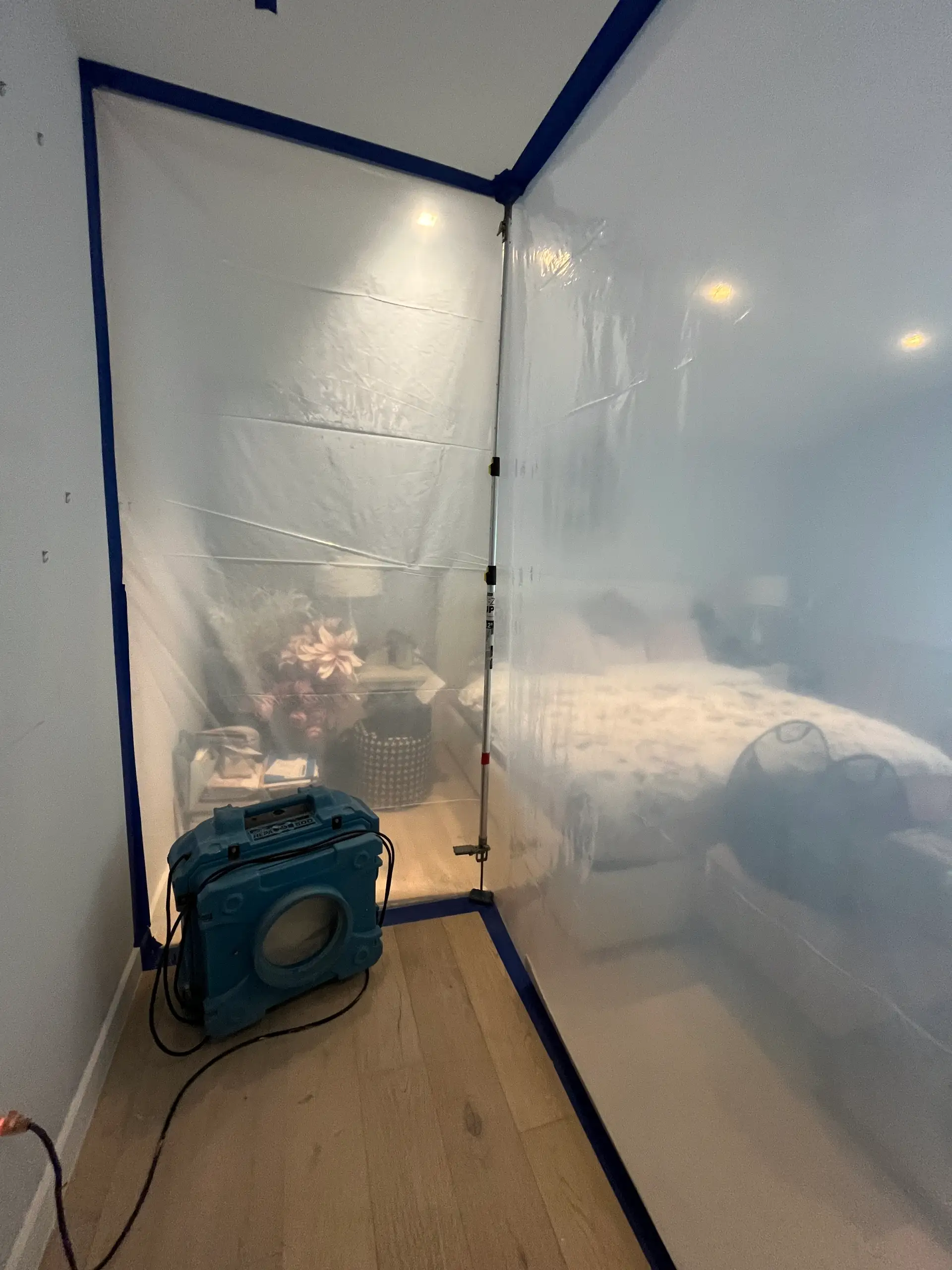
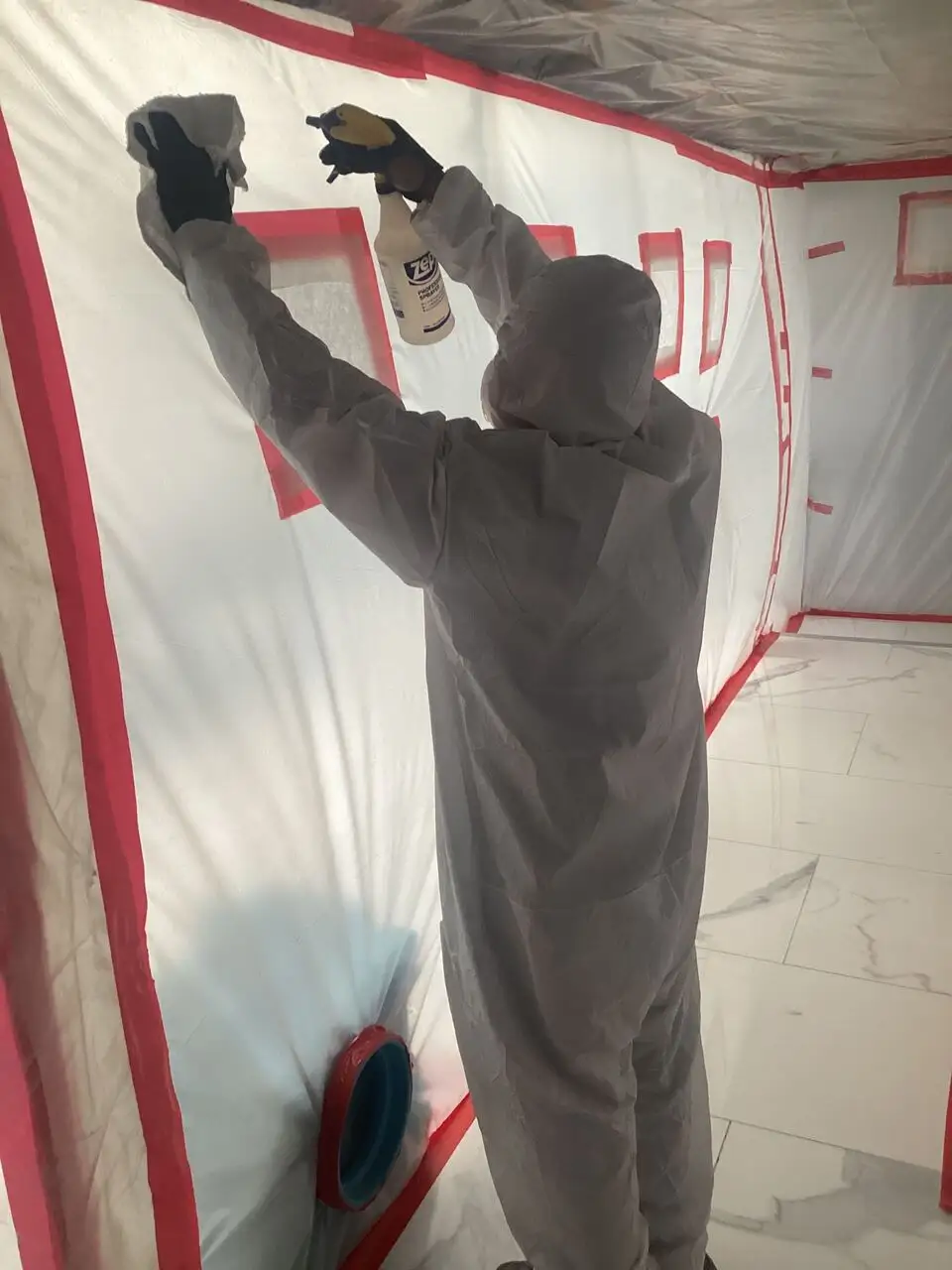
- Physical barriers: Plastic sheeting isolates the affected area
- Negative air pressure: Air machines with HEPA filtration maintain negative pressure, preventing spores from escaping
- HVAC isolation: The HVAC system is shut down or isolated in the affected area
- Access control: Entry points are sealed except for worker access
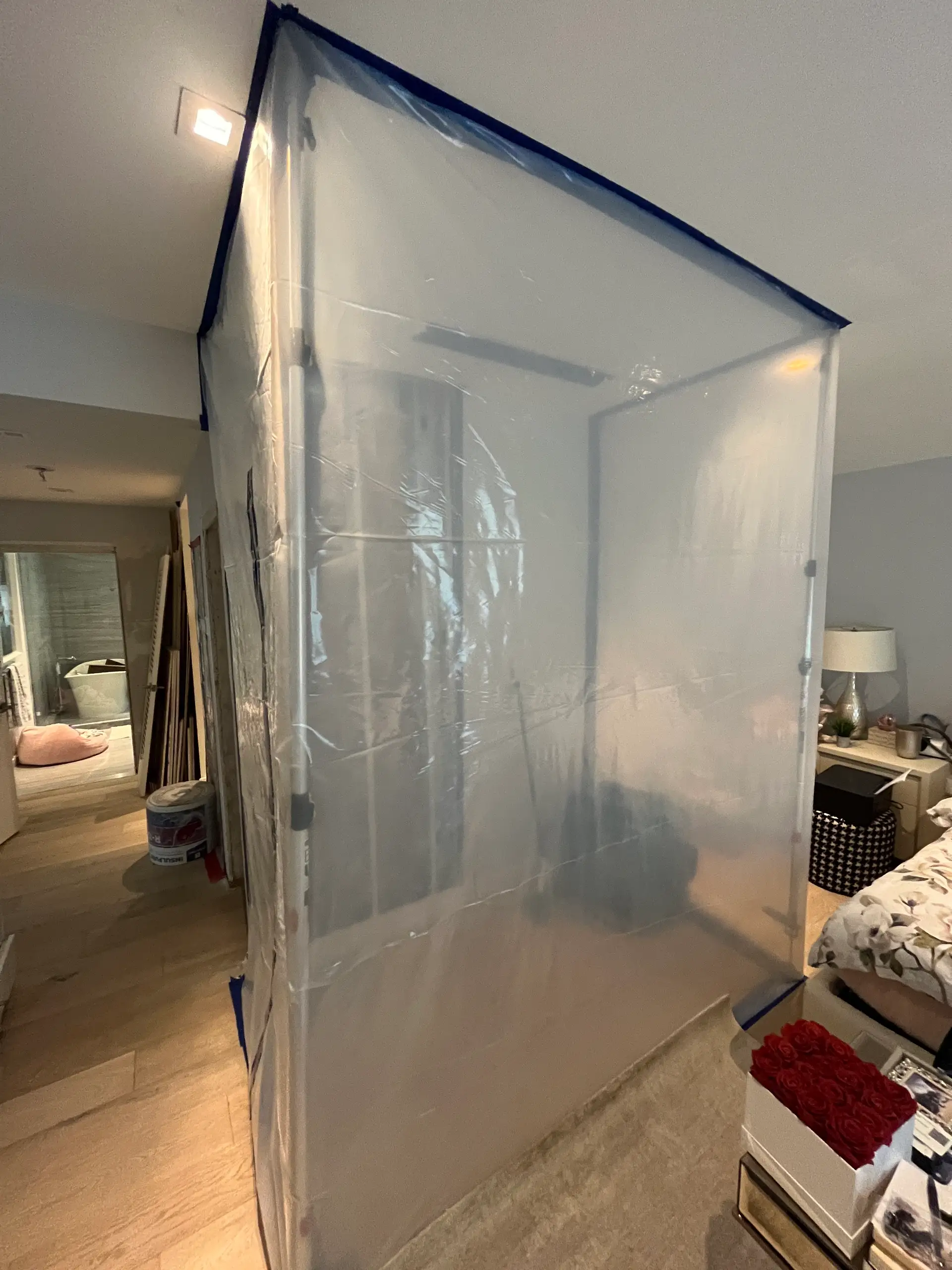
Step 3: Air Filtration
HEPA air scrubbers run continuously to capture airborne spores:
- Removes particles as small as 0.3 microns (mold spores are typically 1-20 microns)
- Multiple air changes per hour in the contained area
- Exhausted outdoors or through HEPA filtration
Step 4: Mold Removal
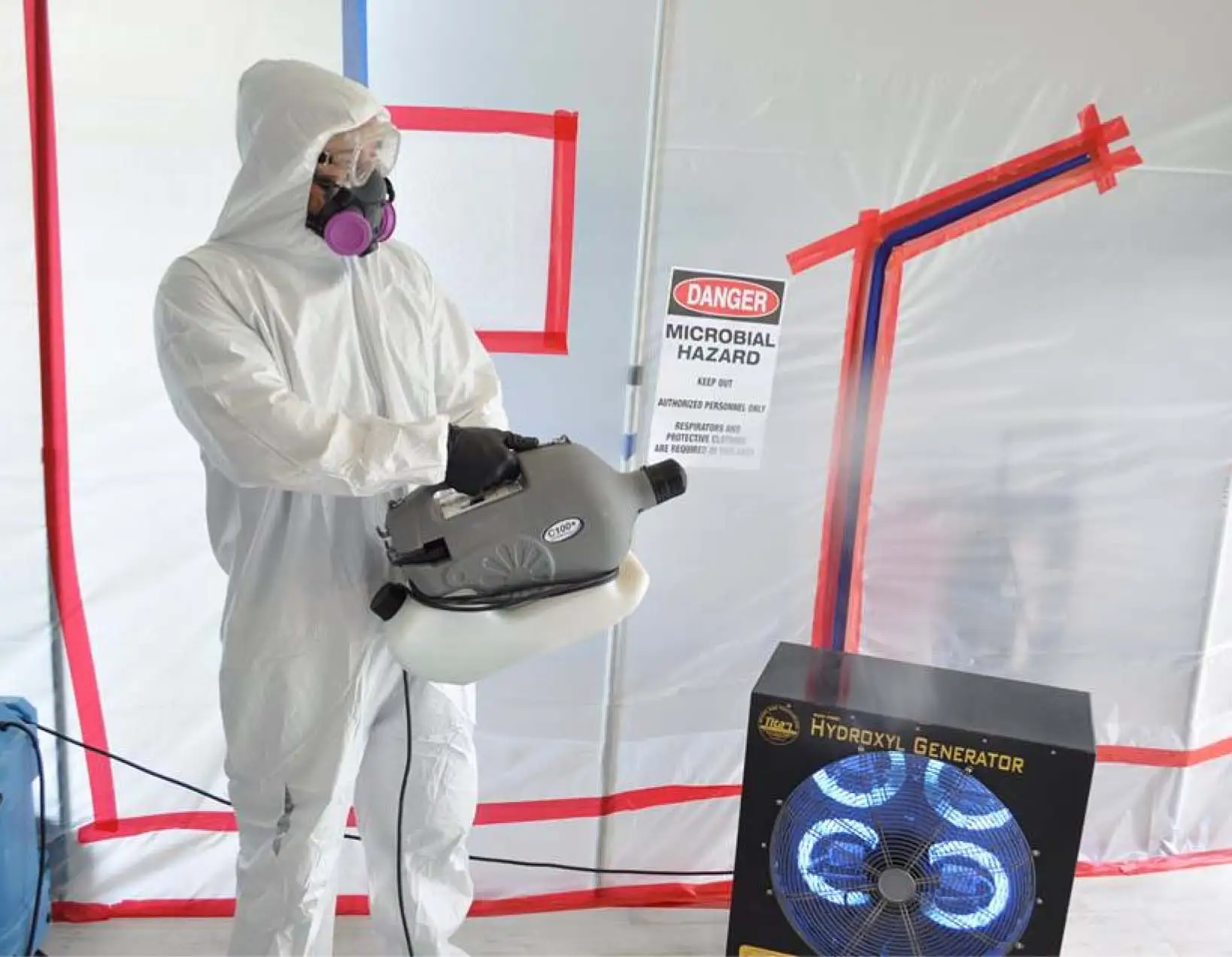
The approach depends on the materials affected:
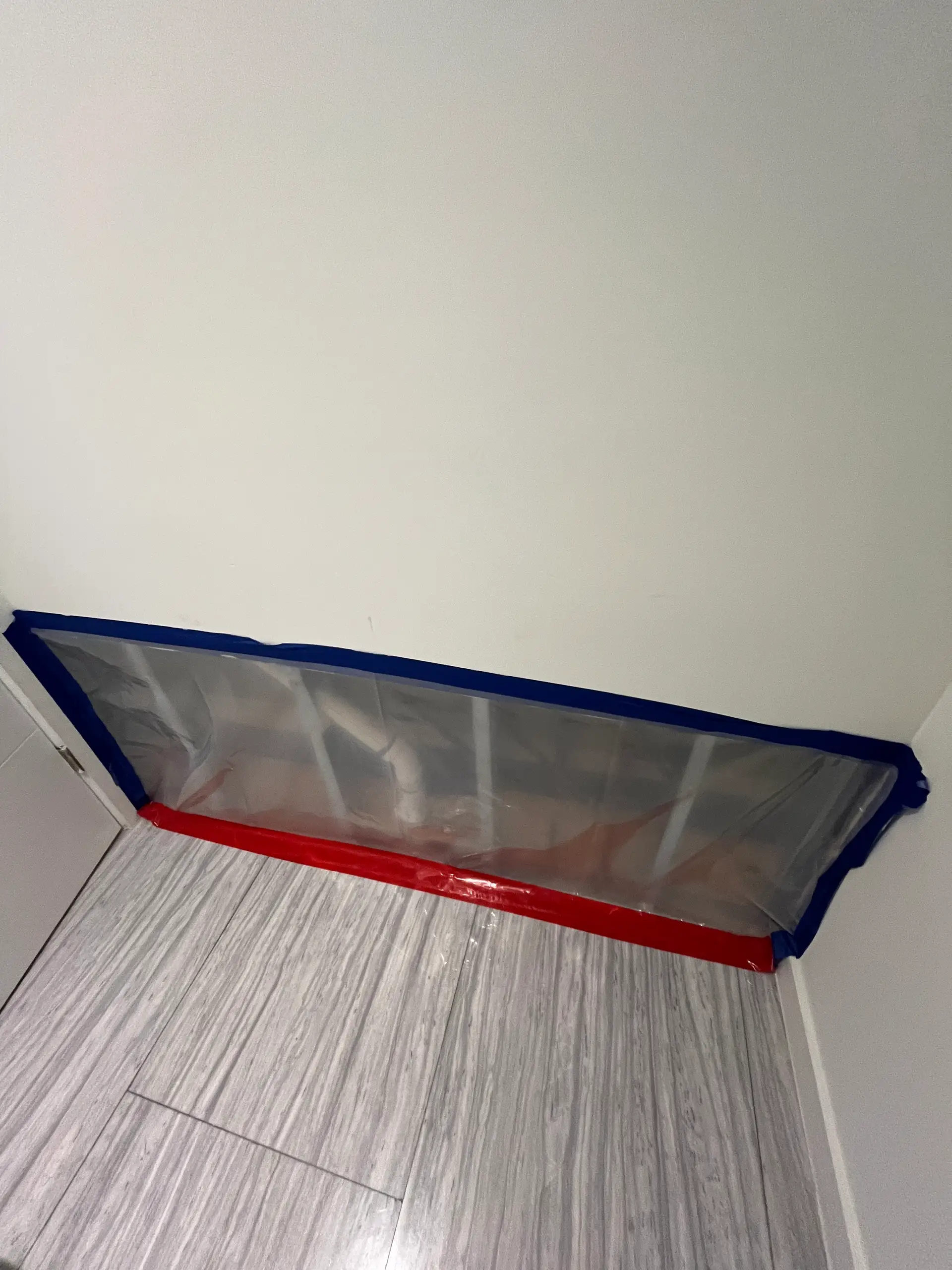
Porous Materials (drywall, carpet, insulation):
- Often cannot be adequately cleaned
- Removed and disposed of properly
- Bagged before leaving containment area
Semi-Porous Materials (wood, concrete):
- Can often be cleaned and treated
- HEPA vacuuming removes loose spores
- Wire brushing or sanding may be needed
- Antimicrobial treatment applied
Non-Porous Materials (metal, glass, hard plastics):
- Cleaned with appropriate solutions
- HEPA vacuumed
- Wiped with antimicrobial agents
Step 5: Cleaning and Sanitization
After mold-contaminated materials are removed:
- All surfaces in the containment area are HEPA vacuumed
- Antimicrobial treatments are applied
- Contents are cleaned or disposed of as appropriate
- HEPA air scrubbers continue running
Step 6: Moisture Control
Preventing future mold growth requires addressing the moisture source:
- Repair of leaks or water intrusion points
- Improvement of ventilation
- Dehumidification if needed
- Recommendations for ongoing moisture management
Step 7: Verification
Post-remediation verification ensures success:
- Visual inspection confirms all mold is removed
- Moisture readings verify adequate drying
- Air quality testing may be conducted
- Clearance documentation provided
How Long Does Mold Remediation Take?
A common question property owners ask is, "How long does mold cleanup take?" The mold remediation timeline depends heavily on the extent of the contamination, where the mold is located, and the types of materials affected.
While every situation is unique, here is a general idea of the mold removal time you can expect:
- Minor Mold Remediation (1 to 3 days): If the mold is confined to a small, easily accessible area (like a 10-square-foot section of drywall from a known leak), professionals can set up containment, remove the affected materials, clean the area, and pass clearance testing within a few days.
- Moderate Mold Remediation (3 to 7 days): When mold affects a larger area, such as a flooded bathroom or a significantly contaminated HVAC closet, the process takes longer. This timeline includes extensive demolition, detailed cleaning of structural framing, and several days of running HEPA air scrubbers to purify the air.
- Severe Mold Remediation (1 to several weeks): For widespread black mold infestations that have spread throughout a home or into the ductwork, the remediation process is extensive. This timeline involves full-scale containment, significant structural removal, complete HVAC cleaning, and complex post-remediation verification.
Factors that can extend your mold remediation timeline include delays in fixing the original water leak, hidden mold discovered during demolition, and the time required for third-party industrial hygienists to complete air quality testing. Acting quickly when you first notice musty odors or visible growth is the best way to keep your mold repair time as short as possible.
Mold Remediation Costs in Florida
Understanding costs helps you budget appropriately and recognize fair pricing. Mold remediation costs vary significantly based on the scope of contamination.
Average Cost by Area Size
| Area Size | Description | Average Cost Range |
|---|---|---|
| Small (Under 10 sq ft) | Single location, accessible | $500 - $3,000 |
| Moderate (10-100 sq ft) | One room, some demolition | $3,000 - $10,000 |
| Large (100-300 sq ft) | Multiple rooms, extensive | $10,000 - $25,000 |
| Extensive (Whole house) | Widespread contamination | $25,000 - $50,000+ |
Cost Per Square Foot by Scenario
| Scenario | Price Range (per sq ft) |
|---|---|
| Surface mold only | $10 - $25 |
| Mold behind walls | $25 - $40 |
| Mold in HVAC system | $30 - $50 |
| Mold in crawl space | $15 - $35 |
| Attic mold | $20 - $40 |
Breakdown of Remediation Costs
Testing and Assessment
- Initial inspection: $200 - $600
- Air quality testing: $300 - $800
- Surface sampling: $150 - $400
- Post-remediation testing: $200 - $500
Remediation Work
- Surface cleaning: $10 - $20 per sq ft
- Material removal: $15 - $30 per sq ft
- HVAC cleaning: $400 - $2,000
- Antimicrobial treatment: $300 - $1,500
Reconstruction
- Drywall replacement: $2 - $4 per sq ft
- Painting: $2 - $4 per sq ft
- Flooring: $3 - $15 per sq ft
Factors That Affect Cost
- Size of affected area – The primary cost driver
- Location of mold – Hidden mold (behind walls, in HVAC) costs more
- Type of materials – Porous materials usually require replacement
- Severity of contamination – Heavy contamination needs more extensive treatment
- Underlying cause – Fixing the moisture source adds to total cost
For a detailed estimate, contact us for a free mold assessment.
Florida-Specific Mold Challenges
Florida presents unique mold challenges:
High Ambient Humidity
- Outdoor humidity often exceeds 70%
- Air conditioning provides primary humidity control
- AC failures can lead to rapid mold growth
- Vacation or seasonal homes are particularly vulnerable
Hurricane and Storm Season
- Flooding introduces Category 3 water and extensive moisture
- Roof damage allows water intrusion
- Power outages disable AC and dehumidification
- Post-storm demand can delay professional response
Air Conditioning Issues
AC-related mold problems are extremely common in Florida:
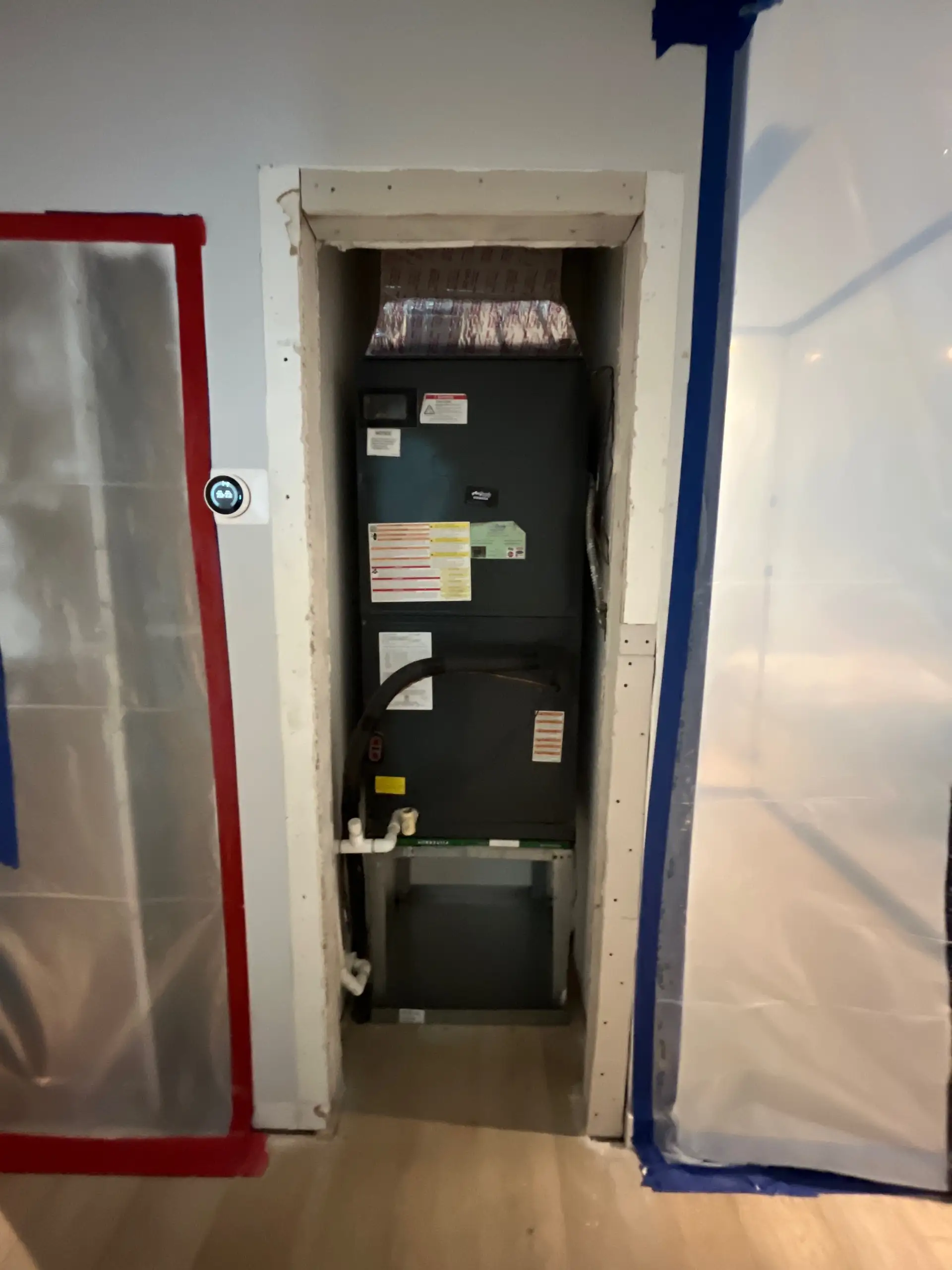
- Clogged condensate drains: The most common cause of AC-related water damage
- Dirty air filters: Reduce efficiency and can harbor mold
- Oversized units: Short cycle, reducing dehumidification
- Duct condensation: Can occur if ducts are in unconditioned spaces
- Drain pan problems: Cracks or improper installation cause overflow
Construction Practices
Some Florida construction practices create mold risks:
- Flat roofs that pond water
- Stucco exteriors that can trap moisture
- Slab foundations with no crawl space ventilation
- Interior humidity from pools or hot tubs
Mold Prevention in Florida
Given Florida's climate, proactive mold prevention is essential:
Humidity Control
- Keep indoor humidity below 60% (ideally 30-50%)
- Use dehumidifiers in problem areas
- Ensure proper AC sizing and maintenance
- Consider whole-house dehumidification systems
Air Conditioning Maintenance
- Clean or replace air filters monthly
- Keep condensate drain lines clear (flush with vinegar or bleach monthly)
- Inspect drain pans for cracks or buildup
- Service your AC system at least annually
- Ensure ducts are properly sealed and insulated
Ventilation
- Use exhaust fans in bathrooms and kitchens
- Vent dryers to the outside
- Ensure attic ventilation is adequate
- Run bathroom fans during and 30 minutes after showers
Water Intrusion Prevention
- Inspect your roof regularly, especially after storms
- Check windows and doors for proper sealing
- Maintain gutters and downspouts
- Direct water away from foundations
- Address plumbing leaks immediately
Regular Inspections
- Check under sinks and around toilets monthly
- Inspect behind furniture and in closets periodically
- Look for discoloration or warping on walls and ceilings
- Have professional inspections after any water event
Mold and Insurance in Florida
Understanding your coverage is important:
What's Typically Covered
- Mold resulting from a covered peril (like a burst pipe)
- Testing and remediation when mold results from covered water damage
- Some policies include limited mold coverage
What's Often Excluded
- Mold from long-term leaks or deferred maintenance
- Mold from humidity or condensation
- Mold from flooding (requires separate flood insurance)
- Pre-existing mold conditions
Florida-Specific Considerations
- Many Florida insurers have specific mold coverage limits ($10,000 - $50,000 typical)
- Some policies exclude mold entirely
- Endorsements may be available for additional coverage
- Document all water events thoroughly
Mold Testing: When Is It Necessary?
Mold testing isn't always required, but can be valuable in certain situations:
When Testing May Be Helpful
- Unexplained health symptoms that improve away from home
- Musty odors with no visible mold
- Verification after remediation
- Real estate transactions
- Legal or insurance documentation needs
- Peace of mind for concerned occupants
When Testing May Not Be Necessary
- Visible mold growth is present (remediation is needed regardless of species)
- A specific moisture source is identified
- The goal is simply to address a known problem
Types of Mold Testing
Air Sampling: Measures airborne spore levels. Compares indoor levels to outdoor baseline.
Surface Sampling: Tape lifts or swabs identify mold on specific surfaces.
Bulk Sampling: Removes a piece of material for laboratory analysis.
ERMI Testing: Environmental Relative Moldiness Index provides a standardized mold burden score.
DIY vs. Professional Mold Remediation
While small mold problems can sometimes be handled by homeowners, professional remediation is recommended in many situations:
When DIY May Be Appropriate
- Mold covers less than 10 square feet
- Mold is on non-porous surfaces
- No one in the home has mold sensitivities
- The moisture source is identified and fixed
- You have proper protective equipment
When to Call Professionals
- Mold covers more than 10 square feet
- Mold is in HVAC systems
- There's hidden mold behind walls or under floors
- Anyone in the home has health concerns
- Mold resulted from sewage or contaminated water
- Mold returns after DIY attempts
- Insurance claim documentation is needed
Choosing a Mold Remediation Company
Not all restoration companies are equal. Here's what to look for and what to avoid.
What to Look For
Certifications and Training
- IICRC certification (Institute of Inspection, Cleaning and Restoration Certification)
- State licensing as required
- Ongoing training in current protocols
- Proper insurance coverage
Proper Practices
- Thorough assessment before remediation
- Written scope of work with itemized pricing
- Proper containment procedures
- Use of HEPA filtration
- Antimicrobial treatment
- Post-remediation verification
References and Reviews
- Check online reviews and ratings
- Ask for references from previous customers
- Verify licenses and insurance
- Look for experience with Florida's unique mold challenges
Red Flags to Avoid
Be cautious of mold remediation companies that:
- Provide no written contracts – Always get scope of work in writing
- Pressure you to sign immediately – Take time to compare options
- Won't explain their process – Reputable companies are transparent
- Skip containment or protective measures – This spreads contamination
- Promise to "kill" mold instead of removing it – Dead mold still causes problems
- Offer testing and remediation together – This is a conflict of interest
- Demand large upfront payments – Standard practice is payment upon completion
- Show up unsolicited after water events – Be wary of storm chasers
- Quote prices significantly below market – Quality remediation requires proper equipment and training
Why Professional Equipment Matters
Professional mold remediation requires specialized equipment:
- Industrial HEPA air scrubbers
- Commercial dehumidifiers
- Negative air machines
- Thermal imaging cameras
- Professional-grade antimicrobial treatments
- Proper PPE and containment materials
Frequently Asked Questions
Is it safe to live in a house during mold remediation? It depends on the scope of the mold contamination. For minor remediation that is properly contained, you can often stay in the home. For extensive black mold removal, it's generally safer and sometimes necessary to temporarily relocate until clearance testing confirms the air is safe.
How much does mold remediation cost in Florida? Costs vary based on the extent of the damage. Minor, localized remediation may range from $500 to $3,000, while extensive, whole-house remediation can exceed $25,000. It's crucial to get a professional assessment to determine the exact scope.
Does homeowners insurance cover mold remediation in Florida? Coverage often depends on the source of the mold. If it resulted from a "covered peril" (like a sudden burst pipe), remediation is typically covered up to your policy's mold limit (often $10,000). Mold caused by long-term negligence or humidity is usually not covered.
How do I prevent mold from returning? The only way to guarantee mold won't return is to permanently eliminate the moisture source. This means fixing any leaks, controlling indoor humidity (keeping it below 60%), and ensuring your HVAC system is properly sized and maintained.
Conclusion
Mold is a serious concern for Florida property owners, but it's manageable with proper prevention, early detection, and professional remediation when needed. Our humid climate means mold prevention requires ongoing attention—from AC maintenance to prompt response to any water intrusion.
If you suspect mold in your home or business, don't delay. Mold grows quickly in Florida's climate, and health effects can worsen with prolonged exposure. Contact our team for a professional assessment. We'll identify the scope of the problem, explain your options, and work with your insurance company to document any claims.
Remember: In Florida, mold prevention isn't optional—it's essential. Regular maintenance, humidity control, and quick response to water issues are your best defenses against mold problems.
Contact us for a free mold assessment – We're available 24/7 throughout South Florida.
About the Author
Alejandro Diaz is an IICRC-Certified restoration expert and licensed plumber with extensive experience navigating the unique property damage challenges of South Florida. As a leading specialist in disaster recovery, Alejandro combines his deep technical knowledge with a commitment to providing the Miami and South Florida community with the highest standard of emergency restoration services.
Need Professional Assistance?
Our certified technicians are available 24/7 to help with your restoration needs. Get a free assessment and expert guidance for your specific situation.