Exploring Advanced Venting Solutions for Plumbing Drains: What You Need to Know
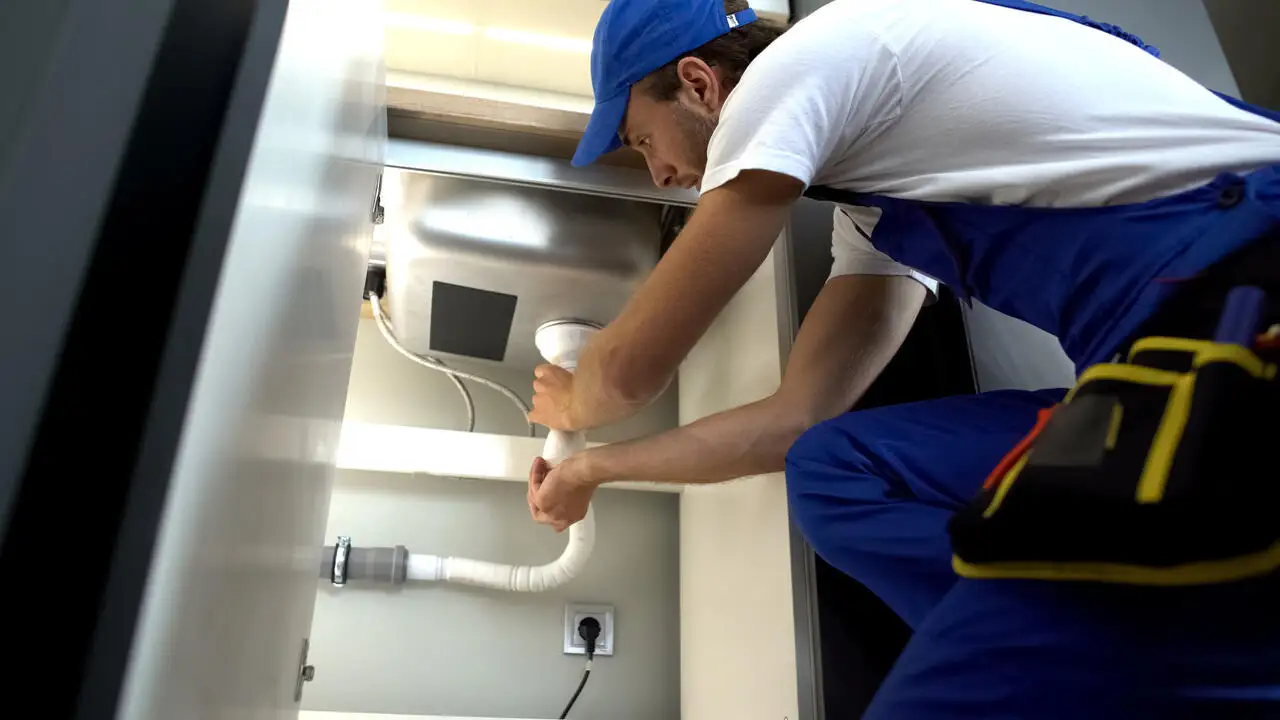
Understanding Plumbing Venting and Its Challenges
Plumbing venting keeps your drainage system working properly. Vent pipes let air into the system. This keeps water flowing smoothly and prevents pressure problems.
Without good venting, your sinks, tubs, and toilets won't drain right.
Purpose of Venting in Drainage Systems
Venting stops siphoning and backflow. Here's why it matters:
When wastewater flows through pipes, it creates a vacuum. This pulls water out of P-traps. Empty P-traps let sewer gases into your home. This causes bad odors and health risks.
Proper venting:
- Lets air into the system
- Keeps pressure stable
- Seals P-traps
- Prevents backflow
Standard Plumbing Codes Related to Venting
Following plumbing codes is vital for effective venting. Common regulations include:
- Uniform Plumbing Code (UPC)
- International Plumbing Code (IPC)
These codes specify:
- Vent sizes
- Distances between vents and fixtures
- Acceptable materials
Proper compliance ensures safety and function in various settings.
Limitations of Traditional Plumbing Vent Methods
Traditional methods often require roof penetrations for vent stacks. These methods have several drawbacks:
| Issue | Description |
|---|---|
| Higher Costs | More materials and labor needed |
| Skilled Labor | Requires experts for proper sealing |
| Structural Damage Risk | Roof penetrations can lead to leaks over time |
For example, venting a kitchen sink traditionally means running a pipe through walls up to the roof. This adds complexity and cost. Extensive work increases the chance of structural damage. This could lead to Tell Mold Behind Walls and pose health risks.
In such cases, Roof Tarping can help protect damage temporarily while you find a permanent fix.
Modern techniques like video inspection provide insights into plumbing issues without invasive measures. This paves the way for more efficient repairs.
Exploring Advanced Venting Solutions for Plumbing Drains
Advanced venting solutions address the limits of traditional methods. The Studor Active Drainage Ventilation system stands out for its innovative approach. It removes the need for extensive piping and roof penetrations.
Key Features and Benefits of the Studor System
The Studor system uses air admittance valves (AAVs) as a core element.
Benefits of AAVs:
- Less piping material – Cuts down on costs
- Simpler installation – No roof penetrations needed
- Water seal maintenance – Prevents sewer gases from entering living spaces
- Better indoor air quality
How AAVs Work
Air admittance valves work based on pressure changes in the plumbing system:
- Negative Pressure Activation – When water flows down a drain, the valve opens to let air in
- One-Way Operation – The valve only opens to let air in and stays closed otherwise
This prevents backflow of gases.
AAVs work well in:
- Homes – Where traditional venting might be costly
- Commercial properties – Where extensive pipework would disrupt operations
- Renovations – For updating older buildings without major work
For more info on these solutions, visit our Thanks page.
Single Stack Systems Simplify Plumbing
Single stack systems are changing plumbing design. They remove the need for multiple vent pipes. Instead, one vertical pipe handles both waste and ventilation.
Design Benefits
- Lower Material Costs – Fewer pipes means less expense
- Faster Installation – Fewer parts to install saves time
- Less Complexity – Reduces potential failure points
Use Cases
Single stack systems work well in:
| Building Type | Why It Works |
|---|---|
| Homes | Space constraints make traditional venting hard |
| Offices and retail | Reduced install times and costs |
| High-rises | Fewer roof penetrations needed |
This approach saves time and money while improving system performance.
Advantages of Advanced Venting Solutions
Advanced venting solutions offer key benefits over traditional methods:
Better Performance and Reliability
These systems adapt to varying pressure conditions. AAVs respond to pressure changes in real time. This prevents siphoning and backflow better than traditional vent stacks.
Lower Maintenance Needs
Traditional vents can get blocked or damaged by weather. Advanced solutions minimize these risks by removing the need for:
- Extensive roof penetrations
- Secondary ventilation pipes
Retrofitting Capabilities
A major advantage is the ability to retrofit existing buildings. Building owners can upgrade drainage systems without major alterations. This saves time and money.
Note: Improper installation can lead to serious issues like fire hazards. For such cases, Fire Damage Restoration services can help manage smoke damage and ensure safety.
Compliance and Integration Challenges
Building Codes and Compliance
Using advanced venting solutions requires following local building codes. These rules ensure plumbing systems are safe and efficient.
Common regulations for AAVs include:
- Installation guidelines – Specific placement instructions
- Material standards – Requirements for durability
- Testing and certification – Products must be tested by recognized bodies
Ignoring these rules can result in fines or required system changes. Poor ventilation can also cause mold growth and health risks. Learn more about Health Risks Associated With Mold in Your Home.
Integration Challenges
Adding advanced venting to existing plumbing can be tricky. Here are effective approaches:
1. Assessment of Existing Systems
- Evaluate current plumbing layout
- Find potential points for new technology
2. Customized Design Solutions
- Tailor the plan to the building's specific needs
- Use flexible piping for various constraints
3. Training and Expertise
- Ensure plumbers are trained in installing AAV systems
- Use manufacturer guides and support
Successful Retrofitting Example
A high-rise in New York City retrofitted its drainage with Studor AAVs. The project involved:
- Mapping existing plumbing to find optimal AAV locations
- Phased implementation to minimize resident disruption
- Post-installation monitoring to verify performance
These examples show that planning and following guidelines overcome challenges effectively.
Case Studies: High-Rise Buildings
Examples of High-Rise Buildings Using Advanced Venting
1. The Grand Tower, Frankfurt
- Setup: 180-meter residential building using Studor Active Drainage Ventilation
- Results:
- 30% less installation time
- 20% lower material costs
- 15% fewer leakage incidents
2. One57, New York City
- Setup: Luxury skyscraper using AAVs instead of traditional vent stacks
- Results:
- Better drainage efficiency
- Fewer blockages
- Lower long-term costs
Feedback from Contractors and Building Owners
Contractor Insights:
"Using AAVs in high-rise projects like One57 has simplified our work. The ease of installation and reduced need for roof penetrations have been game changers." – John Doe, Senior Engineer at XYZ Plumbing
Building Owner Testimonials:
"Adopting advanced venting solutions has not only saved us money but also minimized potential damage risks associated with traditional venting systems." – Jane Smith, Property Manager at The Grand Tower
Future Trends in Plumbing Vent Technology
The future of plumbing vent systems will see big improvements:
- Smart Venting Solutions – IoT integration for real-time monitoring and diagnostics
- Eco-friendly Materials – Sustainable options that minimize environmental impact
- Enhanced AAVs – Improved valves for complex building designs
- Automated Maintenance – Self-cleaning and self-maintaining components
New technologies will prioritize:
- Efficiency
- Cost-effectiveness
- Environmental sustainability
Advanced venting solutions will play a key role in meeting modern infrastructure demands.
Want to Learn More?
Read our comprehensive guide covering everything you need to know about this topic.
The Complete Guide to Water Damage Restoration in South FloridaNeed Professional Help?
Our expert team is ready to assist with your water damage restoration needs.
View Water Damage Restoration Services