Effective Strategies for Handling Toilet Overflow and Preventing Future Incidents
Introduction
Toilet overflow can be a major issue, causing water damage and unsanitary conditions in your home. It’s important to understand the causes and implement effective strategies to handle these situations promptly.

Why does toilet overflow occur?
There are several factors that can contribute to toilet overflow, such as clogs in the drain, faulty fill valves, or blocked vent pipes. When these issues arise, water and waste can spill out of the toilet bowl, potentially causing severe damage to floors, walls, and personal belongings.
The importance of quick response and proper tools
When faced with a toilet overflow, it’s crucial to act swiftly. This not only helps in stopping the overflow but also minimizes immediate damage. Having the right tools for cleanup, such as appropriate cleaning supplies and protective gear, is equally important.
Thorough disinfection: A key step
In addition to stopping the overflow and cleaning up the mess, thorough disinfection is essential. This ensures that all affected areas are sanitized and reduces health risks associated with bacteria and pathogens present in contaminated water.
Preventive measures: The way forward
While knowing how to handle a toilet overflow is important, taking preventive measures is equally crucial. Regular maintenance of your plumbing system, practicing correct flushing techniques, and considering preventive devices like a Thanks can significantly reduce the likelihood of future incidents.
By being proactive and implementing effective strategies for handling toilet overflow promptly, you can mitigate damage, prevent long-term issues like mold growth and structural deterioration, and ensure that your home remains safe and sanitary.
What to Do If Your Toilet Overflows: Immediate Steps
If your toilet is actively overflowing right now, don't panic. Here's exactly what to do if your toilet overflows:
Step 1: Stop the Water Flow Immediately
The first priority is learning how to stop a toilet from overflowing:
- Lift the tank lid and push down firmly on the flapper valve at the bottom of the tank to stop water from entering the bowl
- Turn off the water supply valve located behind the toilet near the floor—turn it clockwise until it stops
- If you can't find the valve or it's stuck, lift the float ball inside the tank to stop the filling mechanism
- As a last resort, turn off the main water supply to your home
Step 2: Prevent Further Spillage
Once you've stopped the water flow:
- Keep the toilet lid closed to prevent additional splashing
- Place towels or rags around the base of the toilet to absorb spreading water
- If water is actively spreading, use additional towels at bathroom doorways to protect adjacent rooms
Step 3: Assess the Situation
With the immediate crisis under control:
- Determine if it's a simple clog you can handle with a plunger
- Check if the water appears clean (tank water) or contaminated (sewage)
- Look for signs of water damage on floors, baseboards, and nearby walls
What to Do When Toilet Overflows Onto Floor
When toilet water reaches your bathroom floor, quick action prevents lasting damage to flooring and subfloor materials:
- Stop the overflow immediately using the steps above
- Remove standing water using towels, a mop, wet/dry vacuum, or buckets—work quickly before water seeps into flooring
- Protect adjacent rooms by placing rolled towels at doorways as barriers
- Check hidden areas for water spread—look under bathroom cabinets, behind the toilet, along baseboards, and near walls
- Begin drying immediately using fans, opening windows, or running a dehumidifier to prevent water from penetrating the subfloor
- Inspect for damage within 24-48 hours—warped flooring, soft spots, or musty odors indicate deeper water penetration
If water has spread extensively or reached carpeted areas, consider professional water extraction to prevent mold growth and structural damage.
What to Do When Toilet Overflows with Poop
A toilet overflow containing sewage (Category 3 "black water") requires extra precautions due to harmful bacteria, viruses, and parasites:
Safety First
- Wear protective gear—rubber gloves, eye protection, waterproof boots, and an N95 mask
- Keep children and pets away from the affected area
- Open windows for ventilation if possible
Cleanup Process
- Stop the overflow using the water shutoff methods described above
- Remove solid waste carefully using disposable materials like paper towels or cardboard, and place in doubled plastic bags
- Seal and dispose of waste properly in outdoor garbage—do not flush additional material
- Clean the area with hot water to remove visible contamination before disinfecting
- Disinfect thoroughly with a bleach solution (½ cup of bleach per gallon of water) or EPA-registered disinfectant
- Allow disinfectant to sit for at least 10 minutes before wiping
- Dispose of all cleaning materials in sealed bags
When to Call Professionals
Consider professional sewage cleanup services when:
- The overflow was extensive or lasted several minutes
- Water has soaked into flooring, drywall, or carpet
- You notice sewage odors persisting after cleaning
- Anyone in your household has a compromised immune system
Common Causes of Toilet Overflow
Toilet overflow can lead to significant damage and inconvenience. Understanding the common causes is crucial for effective prevention and handling.
Toilet Drain Clogs
Toilet drain clogs are a frequent culprit behind overflow incidents. These blockages often result from:
● Excessive toilet paper
● Non-flushable items like wipes or sanitary products
● Build-up of waste material over time
When a clog prevents water from passing through, it forces the water back up and out of the toilet bowl.
Faulty Fill Valves
Faulty fill valves can cause a toilet to overflow by allowing too much water into the tank. This malfunction can occur due to:
● Wear and tear over time
● Improper installation
● Manufacturing defects
A faulty fill valve may fail to shut off properly, leading to continuous water flow that eventually spills over.
Blocked Vent Pipes
Blocked vent pipes hinder the air pressure balance needed for proper drainage. Common causes include:
● Debris such as leaves or nests
● Ice or snow in colder climates
● Structural damage or corrosion
Without adequate ventilation, water cannot flow freely through the pipes, resulting in backups and potential overflows. For a deeper understanding of how vent pipes work and modern solutions, read our guide on advanced venting solutions for plumbing drains.
Identifying the exact cause before proceeding with any cleanup is essential. A targeted approach ensures that you address the root problem effectively, preventing recurrence and further damage. For more insights on related issues like Tell Mold Behind Walls, visit Total Care Restoration’s website. They also provide valuable information on Health Risks Associated With Mold in Your Home, which is crucial for protecting your home and family during such situations.
DIY Cleanup and Prevention Techniques for Toilet Overflow
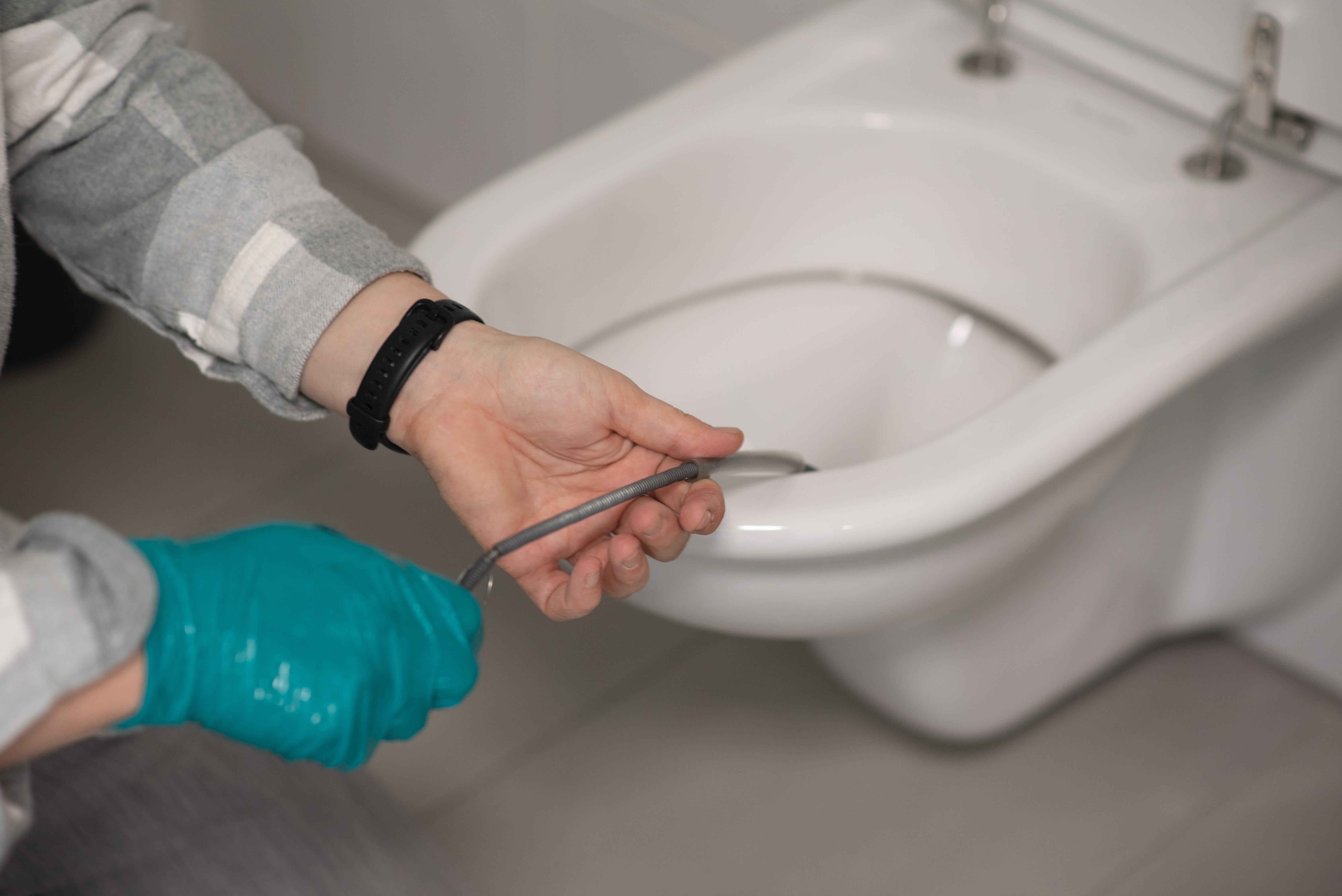
Handling a toilet overflow promptly can minimize damage and prevent health hazards. Here’s a step-by-step guide to effectively managing the situation:
How to Clean Up After a Toilet Overflow: Step-by-Step Guide
1. Prepare with Essential Cleaning Supplies and Safety Gear
- Gather Supplies: Make sure you have gloves, safety goggles, a disinfectant cleaner, disposable towels, a plunger, and a bucket.
- Wear Protective Gear: Always wear gloves and goggles to prevent direct contact with contaminated water.
2. Stop the Overflow Immediately
- Locate the Water Supply: Turn off the water supply valve, typically found behind the toilet near the floor.
- Prevent Further Spillage: Keep the toilet lid closed to minimize splashing.
3. Remove Excess Water Efficiently
- Bail Out Standing Water: Use a bucket to carefully remove as much water as possible from the toilet bowl.
- Clear Blockages: Use a plunger, ensuring a strong seal around the drain. Plunge vigorously until the blockage is cleared.
4. Clean Up Solid Waste Safely
- Remove Solid Waste: Once the water level is reduced, use disposable towels or rags to pick up any solid waste.
- Dispose Properly: Place used towels in a sealed plastic bag for safe disposal.
Thorough Disinfection and Sanitization: A Critical Step
Proper disinfection is essential to prevent bacteria, germs, and odors from lingering.
Disinfecting Surfaces:
- Apply Disinfectant: Use a strong disinfectant cleaner on all affected surfaces, including floors, walls, and the toilet exterior.
- Choose Effective Products: Bleach solutions or commercial disinfectants work best. Ensure they are safe for bathroom use.
- Follow Dwell Time: Allow the disinfectant to sit for the recommended time (usually a few minutes) before wiping off.
Sanitizing Thoroughly:
- Focus on High-Contact Areas: Don’t forget to sanitize door handles, light switches, and any surfaces touched during cleanup.
- Reapply if Needed: For severe spills, consider a second round of disinfection.
Effective Drying Techniques to Prevent Mold Growth
Ensuring the area is completely dry is crucial to prevent mold.
1. Increase Air Circulation:
- Open Windows and Doors: Allow fresh air to flow through the space.
- Use Fans or Dehumidifiers: These can help speed up the drying process.
2. Use Absorbent Materials:
- Lay Down Towels or Rags: Place them on wet surfaces to soak up remaining moisture.
- Replace Frequently: Swap out wet towels for dry ones until the area is completely dry.
Controlling Odors: Keeping the Area Fresh
- Odor Neutralizers: Use specialized products designed to eliminate bathroom odors. These are available in most cleaning supply aisles.
- Natural Solutions: Try baking soda or a vinegar solution as a natural odor-neutralizing option.
Why Thorough Cleanup Matters
Properly managing a toilet overflow not only prevents unpleasant odors and stains but also minimizes the risk of:
- Mold Growth: Moisture can quickly turn into a breeding ground for mold.
- Health Hazards: Stagnant water can harbor bacteria and other pathogens.
- Structural Damage: Lingering moisture can weaken floors and walls over time.
By following these steps, you ensure a clean, safe, and odor-free bathroom after a toilet overflow.
For additional guidance on handling severe cases of water damage, Water Damage Dry Out Process provides insights into professional techniques that might be necessary for extensive incidents. You may also find video inspection helpful in identifying underlying issues that could lead to future overflows.
Regular maintenance and timely intervention play pivotal roles in preventing future overflows, which will be discussed next.
Preventive Measures to Avoid Future Toilet Overflows
Regular plumbing system maintenance and inspection are crucial for preventing toilet overflows. By identifying potential issues early on, you can prevent minor problems from turning into major incidents. It’s recommended to schedule periodic checks by a professional plumber who can spot any faulty parts that may need replacement, such as worn-out fill valves or corroded pipes.
Proper flushing techniques are also key in reducing the risk of drain clogs and subsequent overflows. Make sure to educate everyone in your household about what should and shouldn’t be flushed down the toilet. Here are some important points to remember:
1. Avoid flushing non-biodegradable items like wipes and sanitary products.
2. Use only a moderate amount of toilet paper with each flush.
3. Teach your family members about safe flushing practices to prevent any mishaps.
Toilet Overflow Alarm
Another effective measure is to install a toilet overflow alarm. This device acts as an early warning system by alerting you to any unusual water levels, allowing you to take immediate action before the situation worsens. You can choose an alarm that emits a loud sound or even sends notifications to your phone via a mobile app.
Key Preventive Measures:
- Plumbing System Maintenance and Inspection: Schedule regular professional inspections.
- Replace faulty components promptly.
- Monitor for signs of wear and tear.
- Proper Flushing Techniques: Avoid flushing non-biodegradable items.
- Use minimal amounts of toilet paper.
- Educate household members on safe flushing practices.
- Toilet Overflow Alarm Installation: Invest in a reliable overflow alarm system.
- Ensure the alarm is properly installed and maintained.
- Opt for alarms with mobile app integration for real-time alerts.
Regular maintenance not only helps in preventing immediate issues but also extends the lifespan of your plumbing system. Neglecting small fixes can result in costly repairs down the line. Proper flushing habits reduce the likelihood of clogs, making your plumbing more efficient overall.
💡 Did You Know?
In addition to these preventive measures, there are other services that can further protect your home from water damage caused by overflows. For instance, Roof Tarping can help safeguard other structural elements by preventing leaks caused by overflow-related water damage. Similarly, ensuring a healthy environment in your home post-cleanup is crucial, and indoor air quality can assist with this aspect.
By implementing these preventive measures and considering additional services like roof tarp installation and indoor air quality maintenance, you create a proactive approach to maintaining your home’s plumbing integrity. This significantly reduces the chances of encountering disruptive and costly toilet overflows in the future.
The Benefits of Professional Toilet Overflow Cleanup and Repair Services
Professional services for toilet overflow cleanup provide several key benefits, ensuring that issues are addressed promptly and thoroughly. Here are some advantages of seeking professional help:
Prompt and Thorough Cleanup
Engaging a professional service ensures immediate action, which is crucial in minimizing the water damage caused by a toilet overflow. Specialists use advanced equipment for water extraction, removing excess water quickly to prevent further damage.
Specialized Services
Professionals offer a range of specialized services:
- Sanitization: Experts use high-quality disinfectants to sanitize the affected areas, eliminating harmful bacteria and pathogens.
- Deodorization: They employ industrial-grade deodorizers to remove unpleasant odors that can linger after an overflow.
- Mold Growth Prevention: Professionals take measures to thoroughly dry the area, preventing mold growth which can lead to further health issues and property damage.
- Structural Repair: If structural damage has occurred, specialists can perform necessary repairs, restoring your home to its original condition.
Insurance Claims Assistance
Reputable restoration companies often provide valuable assistance with insurance claims. This support is particularly beneficial when dealing with extensive damage caused by severe or recurrent overflows. Their expertise ensures that all aspects of the damage are documented correctly, increasing the likelihood of a successful claim.
For more information on how professionals handle emergency water removal, visit The Fastest Way to Handle Emergency Water Removal in Your Home. They specialize not only in water removal but also in various other restoration services such as Fire Damage Restoration. Their expertise in handling different types of damages makes them a reliable choice for homeowners facing these challenging situations.
Properly addressing toilet overflow involves not only immediate cleanup but also long-term prevention. Professional services cover both aspects comprehensively, offering peace of mind and efficient solutions for homeowners facing these challenging situations.
Frequently Asked Questions
What should I do immediately if my toilet starts overflowing?
Stop the water flow right away by lifting the tank lid and pressing down on the flapper valve, or turn off the water supply valve behind the toilet. Once the water stops, assess whether you're dealing with a simple clog or a more serious plumbing issue. Keep towels handy to contain any water that has already spilled onto the floor.
How do I stop a toilet from overflowing?
The fastest way to stop a toilet from overflowing is to lift the tank lid and push down on the rubber flapper at the bottom—this immediately stops water from entering the bowl. Then turn off the water supply valve (located behind the toilet near the floor) by turning it clockwise. If the valve is stuck or missing, lift the float ball inside the tank to stop the filling mechanism.
What causes a toilet to overflow?
The most common causes of toilet overflow are drain clogs from excessive toilet paper or flushing non-flushable items, faulty fill valves that don't shut off properly, and blocked vent pipes that disrupt proper drainage. Less common causes include sewer line blockages, septic tank issues, or municipal sewer backups during heavy rain.
Is toilet overflow water dangerous?
Toilet overflow water can be hazardous, especially if it contains sewage. Clean water from the tank poses minimal risk, but water from the bowl may contain harmful bacteria, viruses, and parasites. Always wear protective gloves during cleanup and thoroughly disinfect all affected surfaces. Seek professional help for extensive sewage overflows.
How do I clean up after a toilet overflow?
Start by removing standing water with towels or a wet/dry vacuum. Clean solid waste using disposable materials and seal in plastic bags. Disinfect all affected surfaces with a bleach solution (½ cup bleach per gallon of water) and allow it to sit for 10 minutes. Dry the area thoroughly using fans or a dehumidifier to prevent mold growth.
Can a toilet overflow cause water damage?
Yes, toilet overflows can cause significant water damage if not addressed quickly. Water can seep into flooring, subfloor materials, baseboards, and drywall. Within 24-48 hours, moisture can lead to mold growth, warped flooring, and structural deterioration. Quick action and thorough drying are essential to minimize damage.
When should I call a professional for toilet overflow?
Call a professional if the overflow involved sewage, water has spread extensively, you notice water damage to flooring or walls, the clog persists after plunging, or you suspect a deeper plumbing issue. Professional restoration services can properly extract water, disinfect contaminated areas, and prevent mold growth.
Conclusion
Dealing with a toilet overflow requires being proactive. Here are the main points to remember:
The Causes: Identify common issues like toilet drain clogs, faulty fill valves, and blocked vent pipes.
Effective Cleanup Techniques: Use a plunger or bucket to remove water and waste, thoroughly disinfect and sanitize the area, dry completely to prevent mold growth, and use odor removal products.
Preventive Measures: Regular maintenance of plumbing systems, correct flushing techniques, and installing a toilet overflow alarm can help prevent future incidents.
By following these strategies, you’ll be better equipped to handle toilet overflow situations. Getting professional help ensures thorough cleanup and long-term prevention of recurring issues.
Dealing with a toilet overflow effectively requires a proactive approach. It is important to:
1. Understand the causes
2. Know how to clean up properly
3. Take preventive measures
Implementing these strategies enhances your ability to manage toilet overflow situations. Seeking professional assistance ensures thorough cleanup and long-term prevention of recurring issues.
Effective Strategies for Handling Toilet Overflow and Preventing Future Incidents not only protect your home but also provide peace of mind. Adopting a proactive stance safeguards against potential damage and health risks associated with toilet overflows.
Want to Learn More?
Read our comprehensive guide covering everything you need to know about this topic.
The Complete Guide to Water Damage Restoration in South FloridaNeed Professional Help?
Our expert team is ready to assist with your water damage restoration needs.
View Water Damage Restoration Services