7 Common Misconceptions About Mold in Homes (Debunked)
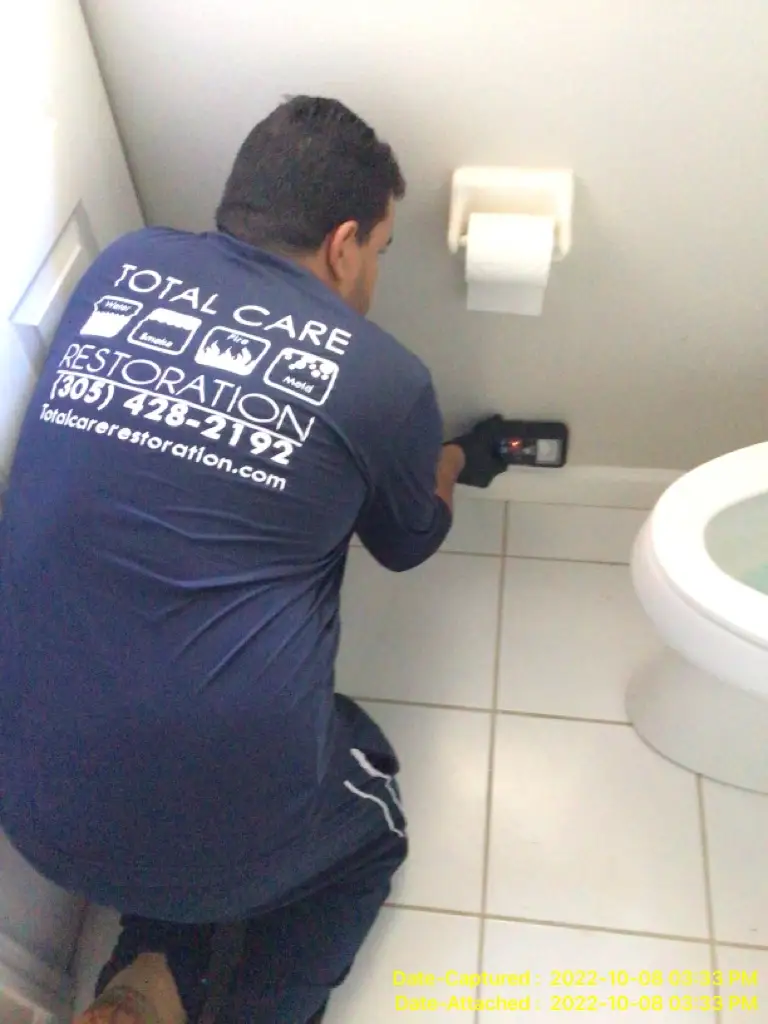
Discovering mold in your home can be a highly concerning experience. With Miami’s warm and humid subtropical climate, mold is an incredibly common issue that property owners face. However, a wealth of misinformation online can lead to unnecessary panic or, more dangerously, the incorrect handling of mold problems.
At Total Care Restoration, we’re committed to providing clear, scientifically accurate information to help you make informed decisions about indoor air quality. Let’s debunk the seven most common misconceptions about mold in homes, explaining the technical realities behind them.
1. The “Bleach Solution” Myth
One of the most pervasive—and damaging—myths is that household bleach is a mold cure-all. While bleach may temporarily change the color of the mold, making it appear as though it has vanished, it rarely removes mold at its root.
Bleach is primarily water. When applied to porous surfaces like drywall, wood, or ceiling tiles, the chlorine evaporates quickly, leaving the water behind. This leftover moisture actually feeds the mycelium (the root-like structure of the mold), often causing the mold to return stronger.
For an effective and permanent approach, professional mold remediation is your best bet. Experts use antimicrobial treatments and HEPA filtration that address both the visible surface mold and the unseen microscopic spores.
2. “Mold Only Grows in Dirty Homes”
Another common misconception is that mold is a byproduct of poor housekeeping. The reality is that mold does not care about dust or clutter; it requires two specific things to thrive: moisture and a food source (like the cellulose found in drywall and wood).
Even the most meticulously maintained luxury homes in Miami can fall victim to mold. An unseen plumbing leak, a malfunctioning HVAC system, or elevated indoor relative humidity (above 60%) is all it takes for a severe mold colony to establish itself. That’s why it’s crucial to understand the 5 Steps for Emergency Mold Mitigation and address any sudden water intrusion within 24 to 48 hours.
3. The “Painting Over Mold” Fallacy
Many homeowners and DIYers believe that applying a coat of specialized stain-blocking paint (like Kilz or similar primers) over a moldy spot will solve the problem.
Never paint over active mold. Encapsulating mold without properly treating and removing it first just traps the active fungus inside your walls. The mold will continue to eat away at the substrate (the drywall paper or wood framing), compromising your home's structural integrity. Eventually, the mold will blister through the new layer of paint.
4. “It’s Just a Cosmetic Issue”
It is dangerously common to view mold as merely an ugly stain on the wall that doesn’t pose any real risk. In truth, mold can have significant health implications.
As mold grows, it releases spores and Microbial Volatile Organic Compounds (MVOCs)—the gases responsible for that signature "musty" odor. Prolonged exposure can trigger severe allergic reactions, asthma attacks, and respiratory issues, especially in children, the elderly, or those with compromised immune systems. Recognizing the early signs and learning how to tell if there is mold behind your walls can save you from chronic health issues and expensive structural repairs.
5. “All Mold is the Same”
It’s a common belief that all molds pose the exact same level of risk. In reality, there are over 100,000 species of mold, each with different biological characteristics.
While common indoor molds like Cladosporium or Penicillium might primarily act as allergens, other species like Stachybotrys chartarum (often referred to as "toxic black mold") produce dangerous chemical byproducts known as mycotoxins. Because it is impossible to identify mold species or toxicity levels with the naked eye, professional testing is the only definitive way to determine the type of mold and the safest course of action for removal.
6. “A Little Mold is No Big Deal”
Underestimating a small patch of mold is a critical mistake. Mold reproduces via microscopic spores that float through the air. What starts as a minor issue under a bathroom sink can quickly become a widespread problem if those spores are pulled into your home's central HVAC return vent.
A "little mold" is an indicator of an active moisture problem. Taking prompt action, regardless of the size of the initial outbreak, is essential to prevent a localized issue from contaminating the entire property.
7. “Mold Removal is Always Prohibitively Expensive”
The assumed high cost of mold remediation often leads homeowners to delay addressing the problem. However, ignoring mold is what truly makes it expensive.
Early detection and intervention—treating a small 10-square-foot patch—is exponentially cheaper than waiting until the mold has rotted the structural framing, requiring massive demolition and reconstruction. By taking immediate action and seeking professional mold remediation, you mitigate the problem before it escalates into a catastrophic financial burden.
Conclusion
Mold in homes is an incredibly common issue in South Florida's climate. However, falling for misconceptions about mold can lead to improper handling, escalating property damage, and serious health risks. Understanding the science behind mold growth is your first line of defense. Remember: when in doubt, consulting with a certified mold remediation professional is always the safest course of action.
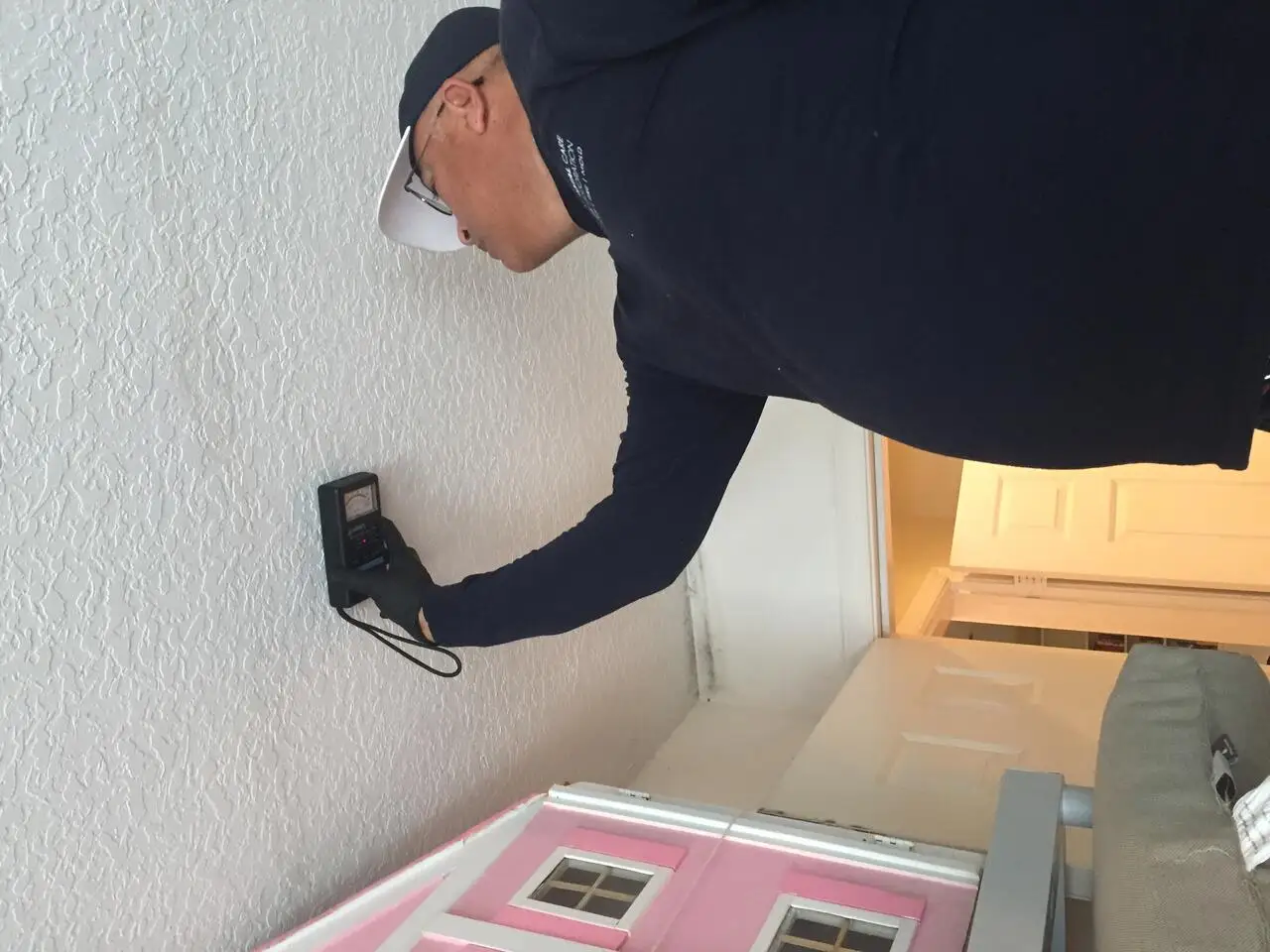
At Total Care Restoration, we specialize in identifying the root cause of moisture and providing effective, long-lasting mold remediation solutions. Whether you’ve recently suffered water damage or suspect hidden mold growth, our expert team is here to help.
Frequently Asked Questions (FAQ)
Can I clean black mold myself? According to the EPA, if the moldy area is less than 10 square feet (roughly a 3 ft. by 3 ft. patch), you may be able to handle it yourself. However, if the mold was caused by contaminated water (like sewage), is inside your HVAC system, or covers a larger area, professional remediation is highly recommended.
How long does it take for mold to grow after a leak? In ideal conditions—such as Miami's warm, humid environment—mold can begin to germinate and grow within 24 to 48 hours after water exposure. Rapid water extraction is critical to preventing mold growth.
Does homeowners insurance cover mold removal? It depends on the source of the moisture. If the mold resulted from a sudden, accidental peril covered by your policy (like a burst pipe), remediation is often covered. However, mold resulting from long-term neglect or gradual leaks is typically excluded.
Related Guides & Resources
Want to Learn More?
Read our comprehensive guide covering everything you need to know about this topic.
The Complete Guide to Mold Remediation in FloridaNeed Professional Help?
Our expert team is ready to assist with your mold remediation needs.
View Mold Remediation Services