Commercial Water Damage Handoff Checklist: What Managers and Engineers Should Exchange on Day One
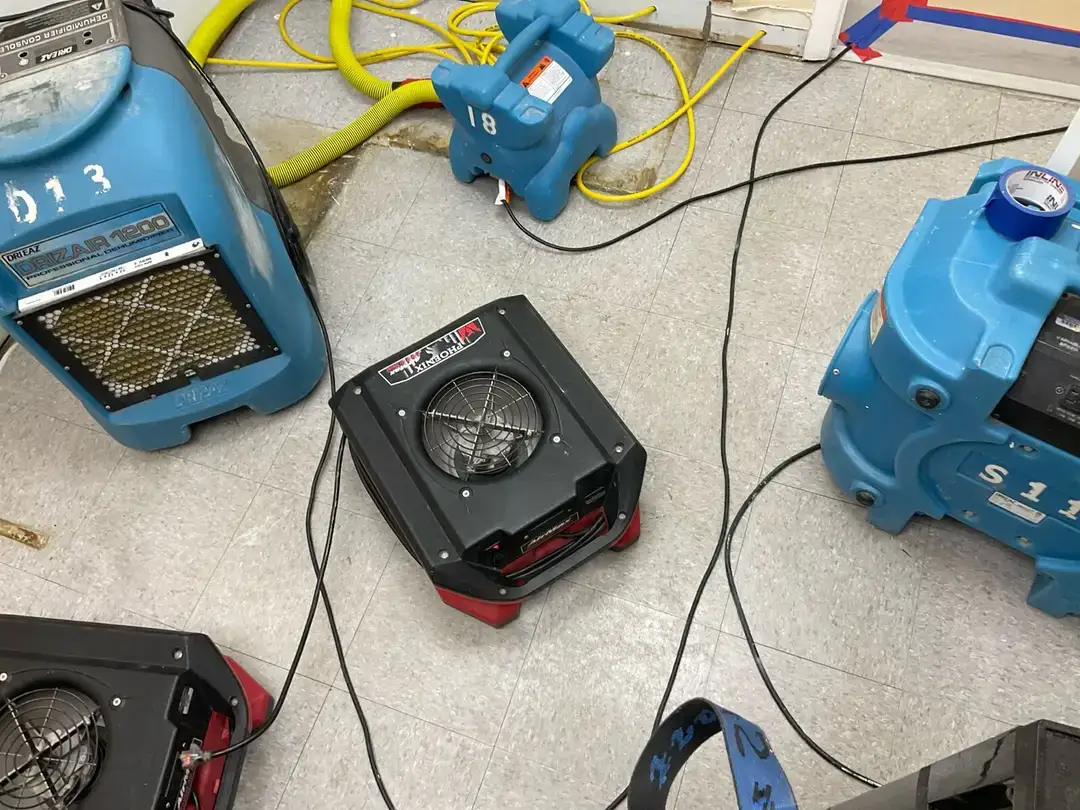
Commercial water damage documentation usually fails for one simple reason: the people who know the building, the people who control operations, and the people who will dry the loss are not all trading the same facts in the first hour.
That is how a wet ceiling becomes a tenant-relations problem, a server-room precaution turns into a surprise outage, or a business interruption claim ends up built from scattered notes instead of one clear file. Total Care Restoration's commercial emergency restoration team frames the job around fast stabilization, after-hours response, and insurance-ready documentation. Ready.gov's incident management guidance and business impact analysis guidance explain why that first exchange matters so much: a disruption is not only physical damage. It is also restricted access, utility risk, equipment exposure, IT interruption, and lost revenue if the wrong area stays offline too long.
The best first-day handoff is not complicated. It is disciplined.
| Handoff item | Why it matters | Who usually owns the clearest answer |
|---|---|---|
| Source status | Crews need to know whether the leak is active, isolated, or still uncertain | Building engineer / facilities lead |
| Utility status | Wet electrical or HVAC decisions change access immediately | Building engineer / electrician / facilities lead |
| Wet-zone map | Tells everyone what is affected, threatened, and still usable | Property manager + restoration lead |
| Photo and video record | Protects the claim file before cleanup changes the scene | Property manager / site lead |
| Critical operations list | Prevents crews from protecting the wrong area first | Operations manager / tenant rep |
| Equipment and inventory exposure | Drives salvage, relocation, and downtime choices | Department lead / tenant rep |
| Vendor and access contacts | Keeps work moving after hours or across multiple suites | Property manager |
A commercial loss gets harder to defend when people reopen based on appearances instead of a documented drying and access plan.
Why the day-one handoff changes downtime and claim outcomes
Commercial losses almost never behave like simple one-room residential claims.
A manager may be thinking about tenants, customer access, staffing, and lease obligations. A building engineer may be focused on shutoffs, HVAC zones, roof drains, risers, and where water can still be traveling behind the visible wet area. The restoration crew is trying to classify the water, protect unaffected space, stop secondary damage, and begin a defensible drying plan. If those three viewpoints stay separate, the project gets slower and the record gets weaker.
Ready.gov says a business disruption should be evaluated in terms of physical damage, restricted site access, damaged machinery or systems, utility outages, and information-technology loss. It also says the business impact analysis should identify which functions matter most and which ones have to be restored first. That principle matters on day one because crews cannot prioritize intelligently if nobody names the functions that are truly critical. Is the most important objective reopening a retail entry? Preserving a pharmacy refrigeration zone? Protecting a tenant server closet? Keeping one receiving lane active? The answer changes the work sequence.
Total Care Restoration's commercial water-damage hub makes the same point from the field side. The company says commercial projects often involve property managers, building engineers, and corporate stakeholders, and that documentation may need to support both the property claim and the business interruption file. That is why a day-one handoff should be treated as an operations meeting, not a casual walkthrough.
The strongest handoff usually produces three things before the first full drying cycle is underway:
- a shared picture of what is unsafe or still unknown
- a shared picture of what business function matters most in the next 24 hours
- one documentation trail that everyone can keep adding to
What the property manager should have ready before crews arrive
The property manager does not need to diagnose the drying plan. The manager does need to control the facts around occupancy, access, and communication.
Start with the simplest questions:
- Which suites, rooms, or corridors are wet?
- Which areas are threatened next if water keeps moving?
- Which tenant, customer, or staff paths need to be rerouted immediately?
- Who has authority to approve after-hours access, ceiling access, or vendor entry?
- Which business functions cannot be interrupted without major operational loss?
That information is often more useful in the first hour than a vague statement like "the third floor had a leak."
Property managers should also create a clean incident file before the scene changes. TCR's broader water-damage guide says photos and video should capture the affected area, damaged contents, standing water, and the likely source before cleanup starts. For a commercial property, that usually means:
- wide shots that show the affected suite or floor area
- close-ups of ceiling staining, flooring damage, base conditions, and any active dripping
- photos of affected inventory, furnishings, machinery, or electronics before they are moved
- timestamps or a simple running incident log showing when the problem was discovered, who was notified, and what was shut down
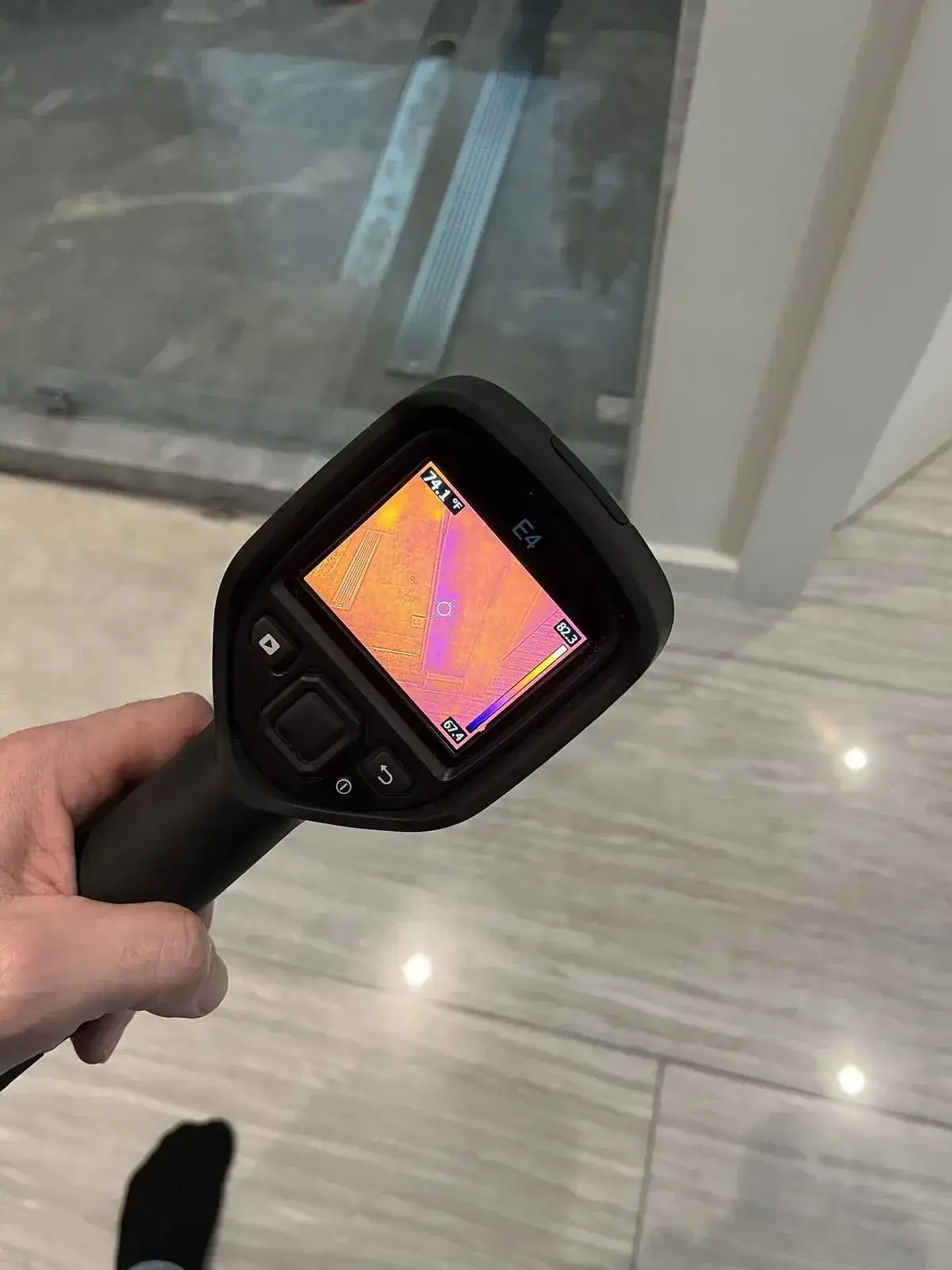
The file gets stronger when the manager records the scene before tear-out, drying equipment, or emergency cleanup changes what the area looked like at first discovery.
This is also the right moment to gather the non-photo details people forget later:
- tenant or department contact names
- landlord or ownership approval contacts
- roof, plumbing, electrical, or HVAC vendor contacts already familiar with the building
- security access needs for nights and weekends
- lease-sensitive or compliance-sensitive areas such as medical, food-service, records, or IT spaces
A practical manager handoff is not a speech. It is a packet: where the loss started, who is affected, what spaces matter most, what has already been done, and who can authorize the next step.
What the building engineer should exchange with the restoration team
The engineer or facilities lead usually holds the facts that keep a commercial water job from turning into guesswork.
If the restoration crew has to spend the first hour discovering which shutoff controls which riser, whether the roof leak is still active, or whether an air handler could spread contamination or humidity to adjacent zones, the building is losing time it cannot spare.
At minimum, the engineer or facilities lead should be ready to answer:
- Is the source active, isolated, or still unknown?
- Were water, power, or HVAC already shut down anywhere?
- Which panels, circuits, mechanical rooms, or rooftop access points are involved?
- Are there prior leak locations, known drain issues, or roof details that matter here?
- Which spaces below, beside, or above the visible wet area may also be exposed?
- Are there sensors, alarms, or building-management-system records that show when the event likely started?
TCR says its commercial teams coordinate with building engineers and use moisture meters and thermal tools to track hidden spread. That matters because the visible damage may be the least informative part of the loss. Overhead water, concealed cavities, saturated insulation, and multi-floor migration all change the drying plan and the reopen decision.
This is also where caution outranks optimism. OSHA says that if electrical damage is suspected because wiring has been under water or visibly compromised, the system should stay off until a qualified electrician has inspected it. OSHA also says flood-damaged buildings should not be worked in until stability has been checked and certified safe when structural conditions are in doubt. In plain language: if the engineer is not confident about the ceiling load, the electrical path, or the mechanical effect on adjacent space, that uncertainty itself belongs in the handoff.
The best engineer-to-crew exchange often includes a marked floor plan or quick annotated sketch showing:
- the likely source
- utility shutoff points
- areas where water may have traveled beyond the visible stain
- spaces with critical equipment
- areas where ceiling or wall access will be needed
That one sketch can save hours of backtracking.
How to document equipment, tenant impacts, and business interruption
Commercial water losses are rarely only building-envelope events. They are also continuity events.
Ready.gov says businesses should identify the operational and financial effects of disruption, including lost sales, delayed income, increased expenses, and customer dissatisfaction. TCR's Miami commercial page says its documentation can support both property claims and business interruption claims. Put those together, and the file should show not only what got wet, but what the wet area stopped the business from doing.
That means the handoff should capture questions like:
- Which tenant or department lost use of its space?
- Which equipment was shut down, relocated, or protected in place?
- Which customer-facing functions moved, narrowed, or paused?
- Which extra expenses began immediately, such as security coverage, temporary relocation, overnight labor, or rush vendor coordination?
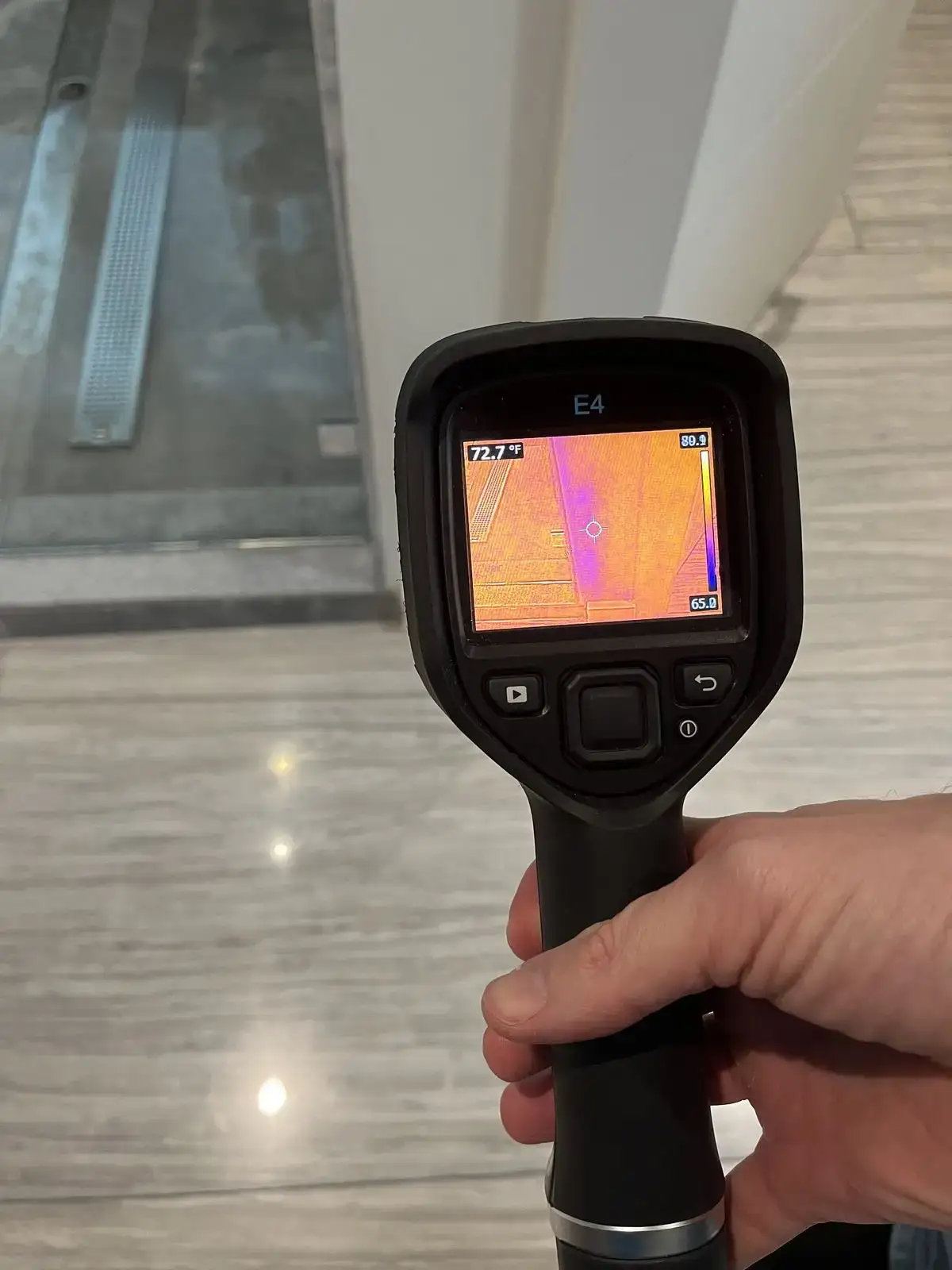
Moisture readings matter because the claim file should explain why a space stayed under drying or restricted access after the obvious puddles were gone.
This is where "commercial water damage documentation" should become specific, not abstract. A strong file often includes:
- labeled photos of affected rooms and equipment
- a room or suite list showing status: affected, threatened, preserved, or reopened
- moisture-reading logs or daily progress notes from the mitigation team
- a list of moved inventory, covered equipment, or isolated workstations
- notes on when access changed for tenants, customers, staff, or vendors
- copies of emergency invoices, temporary repairs, and specialty-trade visits
If one area is being kept open while another dries, the file should say why. If one suite could reopen because access stayed clean while another remained closed because ceiling cavities or electrical conditions were still unresolved, write that down. Those small distinctions are often what make later decisions understandable. For a property-first companion to the claim file itself, TCR's water damage documentation checklist for insurance claims is the closest sibling piece.
When partial operations still make sense and when they do not
TCR says commercial plans can be phased to keep parts of a business running. That is valuable, but only when the separation is real.
Partial operations make more sense when:
- the source is controlled or clearly isolated
- the wet zone is physically separated from customers, tenants, or non-essential staff
- utilities serving the open area are verified safe
- crews can work without crossing through active public circulation every few minutes
- protected business functions can actually remain usable without hiding new risk
Partial operations make far less sense when:
- people would still be walking under wet or unstable ceiling areas
- the HVAC question is unresolved and contamination or humidity may be spreading
- the only way to stay open is to route staff or customers through the active work zone
- affected power, IT, refrigeration, or life-safety systems are still under evaluation
- the business is mistaking "less visible water" for "safe to reopen"
Ready.gov's incident-management model is useful here because it treats response, continuity, and communications as one coordinated problem. A space does not become safe because one person wants it back online. It becomes safer when the operations side, building side, and restoration side are all looking at the same facts.
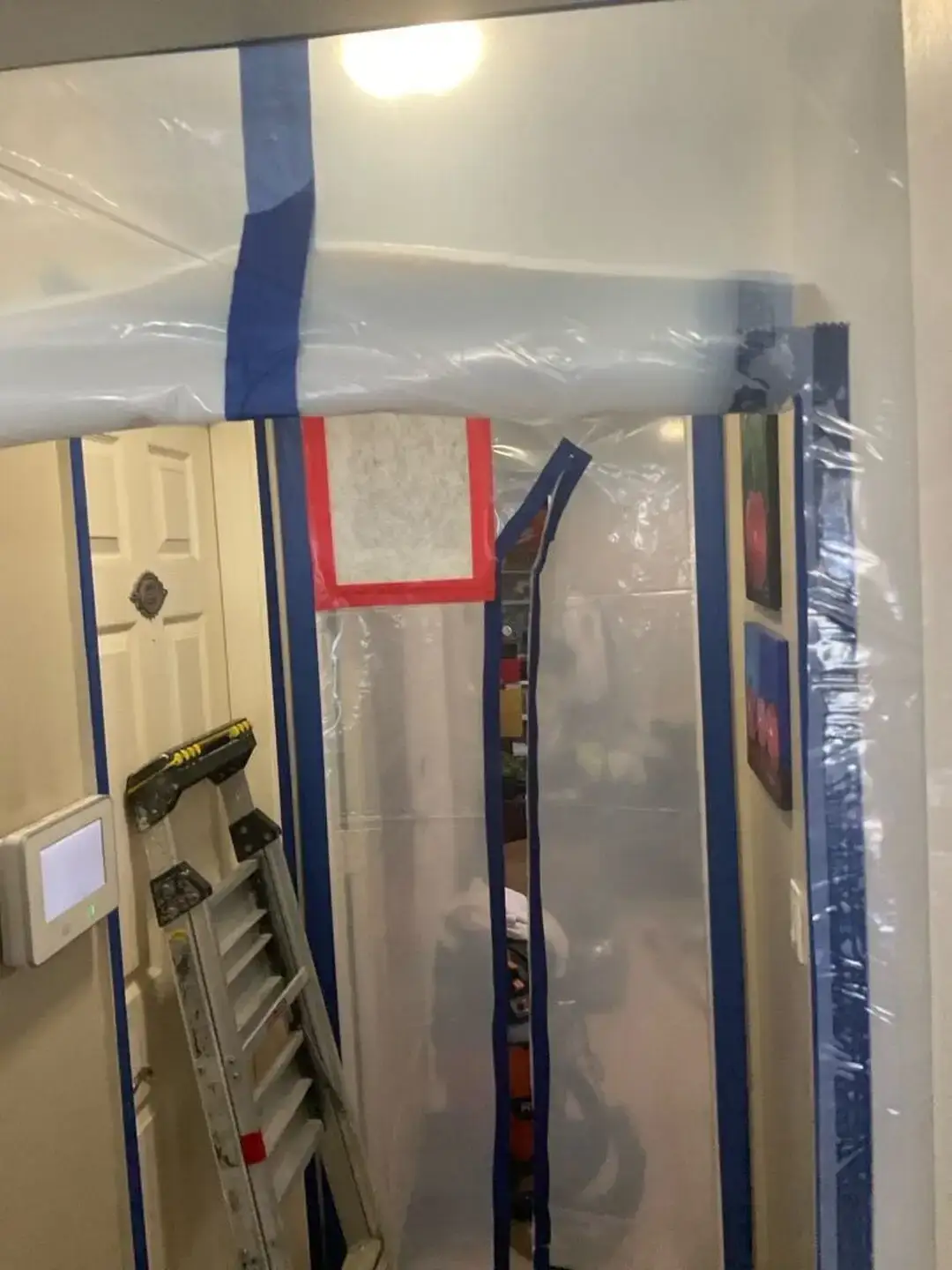
Containment only works when it genuinely separates circulation from the active work area. If customers or staff still have to pass through the wet zone, the business is usually not preserving operations as cleanly as it thinks.
A simple rule helps here: if the reopen decision depends on everyone ignoring one unresolved hazard, the area is not truly ready.
Commercial water damage handoff checklist
Use this as the first-day exchange between the property manager, building engineer, and mitigation lead:
- Name the source status clearly. Active, isolated, unknown, or suspected migration from another area.
- Record utility status. Note what was shut down, what stayed on, and what still needs electrician, plumber, roofer, or mechanical review.
- Mark the wet zone and threatened zone. Use a floor plan, suite list, or annotated photos.
- List critical business functions in order. Identify what must be preserved first and what can stay offline longer.
- Photograph before major scene changes. Wide shots, close-ups, equipment exposure, and source evidence first.
- Log affected equipment and tenant impacts. Include relocated contents, paused work areas, and circulation changes.
- Document access constraints. After-hours approvals, keys, freight-elevator needs, loading access, roof access, security coordination, and tenant notices.
- Create one running incident file. Put photos, moisture logs, emergency invoices, trade notes, and reopening decisions in one place.
- Write the next decision point. For example: waiting on electrician clearance, roof vendor findings, moisture recheck, or updated tenant access plan.
If the handoff produces those nine items, the project usually starts cleaner. If it does not, the job often becomes a string of avoidable follow-up calls.
The best claim file starts with the first clear conversation
Commercial losses get expensive when teams spend the first day discovering facts that should have been exchanged in the first fifteen minutes.
If your property is dealing with active water intrusion, hidden moisture, or a shutdown decision that affects tenants, staff, or customers, use TCR's commercial emergency restoration service and commercial water-damage service as the next operational step, not as a last resort after the file has already fractured. Fast stabilization matters, but a clean handoff matters too.
This article is educational and should not replace site-specific engineer, electrician, or insurance guidance. When safety, utilities, or occupancy are still in question, confirm the next move with the appropriate licensed professional before reopening the space.
Want to Learn More?
Read our comprehensive guide covering everything you need to know about this topic.
The Complete Guide to Water Damage Restoration in South FloridaNeed Professional Help?
Our expert team is ready to assist with your water damage restoration needs.
View Water Damage Restoration Services