Checklist for Using Air Scrubbers After Disasters
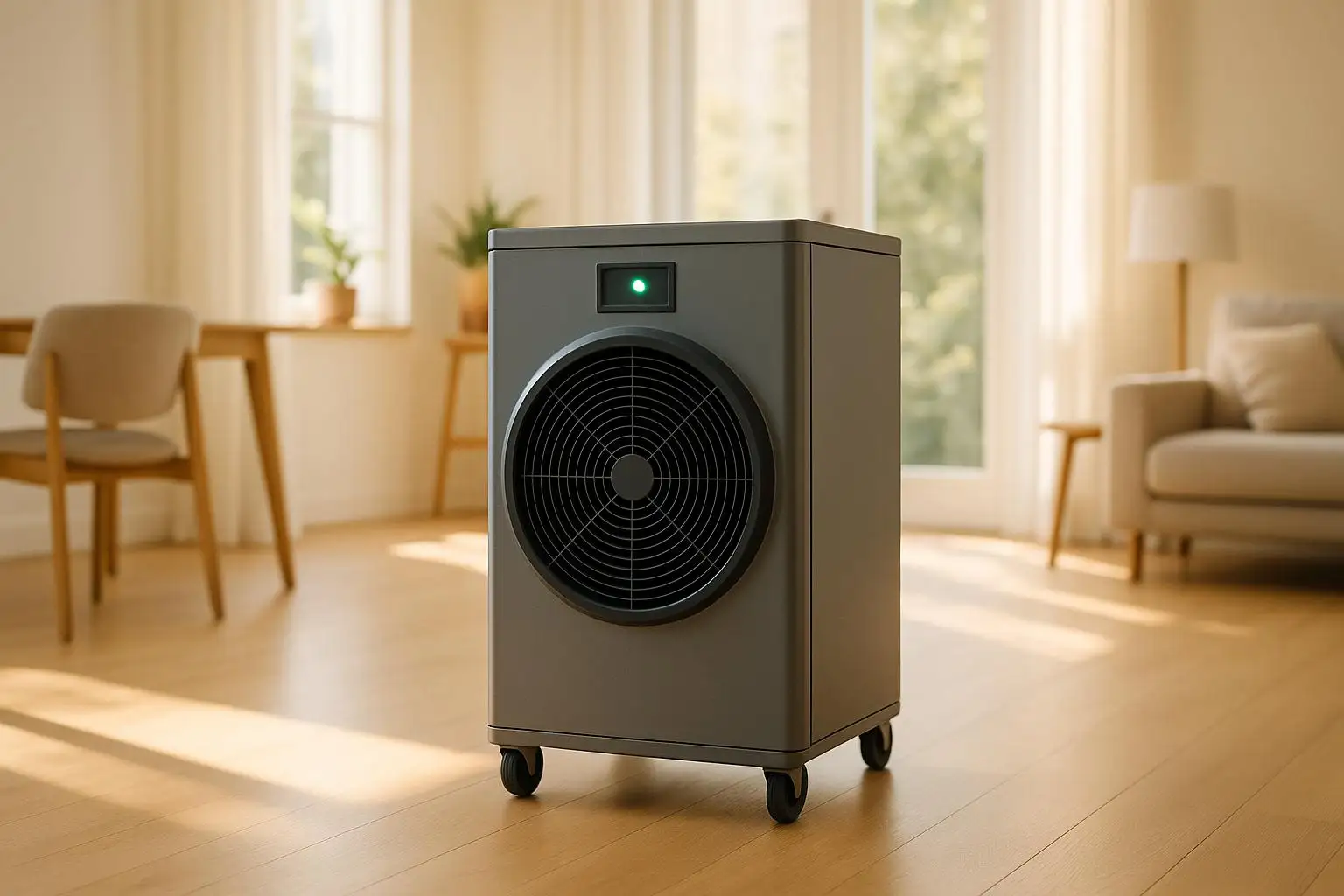
Air scrubbers are critical for cleaning indoor air quality after disasters like floods, fires, or mold outbreaks. If you are unfamiliar with these devices, understanding what is an air scrubber can help you appreciate how they remove harmful particles, pollutants, and odors to ensure safer conditions. Here’s what you need to know:
- Why They’re Important: Disasters create airborne hazards such as mold spores, smoke particles, and VOCs, which can lead to health issues. Air scrubbers filter out these contaminants, improving air quality issues and preventing further damage.
- How They Work: Using HEPA filters, air scrubbers remove 99.97% of particles 0.3 microns or larger. Many also include activated carbon filters to tackle odors and chemicals.
- Safety First: Always wear PPE, inspect the site for hazards, and ensure electrical systems are safe before use.
- Setup Tips: Place scrubbers near contamination sources, create containment zones, and monitor air quality throughout the process.
- Maintenance: Check filters daily, replace HEPA and carbon filters as needed, and disinfect equipment when dealing with mold or sewage.
If air scrubbers aren’t enough for severe damage or lingering air quality issues, Commercial may be required.
How Many Air Scrubbers Do I Need? HEPA Air Scrubbers for Restoration Explained!
Safety Precautions and Preparation
Before starting up any air scrubber equipment, it’s crucial to establish safety measures to protect workers and property owners from harmful contaminants. Disaster-stricken areas often present a variety of hazards, so a careful evaluation and preparation process is essential before beginning air filtration tasks.
Personal Protective Equipment (PPE)
Wearing the right protective gear is non-negotiable in contaminated environments. Here’s what you need:
- N-95 respirator masks: These masks filter out at least 95% of airborne particles, including mold and dust. For areas with severe contamination, P-100 respirators are a better option, offering 99.97% filtration efficiency and enhanced protection against fine particles.
- Nitrile gloves: These gloves are resistant to punctures and chemicals, making them ideal for handling contaminated equipment or filters. Opt for full-coverage nitrile gloves to ensure no skin contact.
- Safety goggles with side shields: These protect your eyes from debris and keep contaminants out of your tear ducts. Regular glasses or sunglasses won’t cut it since they don’t provide full coverage.
- Disposable coveralls or protective clothing: A barrier between your skin and contaminated surfaces is critical. DuPont suits work well for most situations, but chemical-resistant suits are necessary in areas with chemical hazards. Always wear long sleeves and pants, even in hot weather, to reduce skin exposure.
- Non-slip work boots: Closed-toe boots with rubber soles protect against debris, wet surfaces, and electrical hazards. Rubber soles also improve traction and provide insulation when working near power sources.
Site Inspection and Hazard Assessment
Once properly equipped, conduct a detailed site inspection to identify risks and ensure safe operation.
- Structural integrity: Check for sagging ceilings, cracked walls, or unstable floors, as air scrubbers weigh between 50–150 pounds. Ensure the area can handle both the weight and vibrations of the equipment.
- Emergency Water Damage Checklist: First 24 Hours: Look for standing water, wet electrical outlets, damaged wiring, or water stains. Even seemingly dry areas may hide moisture, which can lead to mold growth.
- Indoor Air Quality: Use particle counters or air quality monitors to measure contamination levels before starting. This data helps determine where to place the air scrubber and how long it should run.
- Ventilation pathways: Examine doors, windows, vents, and other openings. Seal unnecessary gaps to prevent contaminated air from escaping or clean air from entering.
- Asbestos and lead paint: Older buildings (pre-1980) may contain these hazardous materials. If suspected, professional testing and containment must be done before proceeding with air scrubbers.
Electrical Safety Guidelines
After assessing hazards, ensure all electrical systems are safe for use.
- Ground Fault Circuit Interrupter (GFCI) outlets: These outlets shut off power if they detect electrical current leakage, reducing the risk of electrocution. If GFCI outlets aren’t available, use portable GFCI adapters.
- Power source inspection: Check outlets, panels, and extension cords for signs of water damage, corrosion, or physical wear. Damaged components should be replaced, and a qualified electrician should inspect the system before use.
- Extension cords: Use heavy-duty, three-prong grounded cords rated for the air scrubber’s amperage. For devices drawing 8–15 amps, 12- or 14-gauge cords are recommended. Avoid connecting multiple cords together, as this increases fire risks.
- Circuit capacity: Make sure circuits can handle the air scrubber’s power needs without overloading. A standard 15-amp household circuit can typically support one air scrubber and minimal additional equipment. Multiple units may require separate circuits.
- Wet location precautions: Keep all electrical connections at least 3 feet away from standing water or leaks. Use waterproof covers for outlets and route cords away from wet areas. If water levels rise, shut off power immediately and move equipment to a dry location.
Step-by-Step Air Scrubber Setup
Once you’ve addressed all safety precautions, it’s time to set up your air scrubber. Proper positioning and configuration are key to capturing pollutants and improving the air quality in your space.
Where to Place Air Scrubbers
Placement plays a big role in how well an air scrubber performs. Position the unit as close as possible to the main source of contamination. Make sure the unit’s Clean Air Delivery Rate (CADR) is appropriate for the room’s size to ensure efficient purification. Pay attention to the room’s natural airflow patterns and place the scrubber where it can effectively intake polluted air. Additionally, leave enough space around the unit for unobstructed air intake and exhaust. A well-thought-out placement ensures the scrubber operates at its best.
Creating Containment Zones
To prevent contaminated air from spreading to clean areas, set up a containment zone. Use barriers to seal off unnecessary openings and control airflow between the treatment area and adjacent spaces. Always follow professional guidelines or the manufacturer’s instructions to create an effective containment zone that isolates the problem area.
Powering On and Adjusting Settings
Once placement and containment are sorted, power on the air scrubber following the manufacturer’s directions. Double-check that all filters are securely in place and the electrical connections are stable. Adjust the settings to ensure the unit draws in contaminated air and releases purified air where needed. Keep an eye on the scrubber’s performance and make adjustments as necessary to maintain optimal air quality during the restoration process. Regular monitoring is essential to ensure the unit works efficiently throughout its operation.
Operating and Monitoring Air Scrubbers
Once your air scrubber is installed, the real work begins. Proper operation and consistent monitoring are key to ensuring the equipment effectively removes contaminants and maintains safe air quality during the restoration process.
Continuous Operation for Consistent Air Quality
Keep air scrubbers running continuously until air quality tests confirm safe levels. This is especially critical when dealing with mold spores, smoke particles, or volatile organic compounds (VOCs), as these can quickly recontaminate the air if filtration is interrupted. Air scrubbers designed for extended use will perform reliably when properly maintained.
Pay close attention to performance indicators like lights or gauges, as well as the power supply. These can alert you to issues such as clogged filters or electrical problems that could disrupt continuous operation.
Filter Maintenance and Replacement
To keep your air scrubber working efficiently, regular filter maintenance is essential.
Check filters daily while the equipment is in use. Pre-filters, which trap larger debris and particles, typically require the most frequent attention. Many pre-filters can be cleaned by vacuuming with a soft brush attachment or washing with mild soap and water – just make sure to follow the manufacturer’s instructions. Always allow washed filters to dry completely before reinstalling them.
HEPA filters and activated carbon filters, on the other hand, generally need to be replaced rather than cleaned. HEPA filters lose their effectiveness when clogged with fine particles, while carbon filters become saturated with odors and chemicals over time. Stick to the manufacturer’s recommended replacement schedule or replace filters when performance indicators show reduced airflow.
Keep a log of filter changes, noting dates and operating hours, and always have spare filters on hand to avoid unnecessary downtime.
If you’re working in areas contaminated with mold or sewage, be sure to disinfect internal components during filter changes. Use only manufacturer-approved disinfectants to prevent the spread of spores or lingering odors inside the equipment.
Air Quality Testing and Verification
Testing air quality at different stages of the process ensures that contaminants are effectively removed. This step not only protects workers and occupants but also provides documentation of the restoration’s success.
Begin with baseline tests to establish the initial levels of contaminants.
Conduct interim tests while the air scrubber is running to monitor progress. Air quality should steadily improve as contaminants are filtered out. If test results plateau, it may indicate clogged filters, poor containment, or that the scrubber’s capacity is insufficient for the space.
Perform a final air quality test to confirm that the restoration is complete. Make sure all contamination levels meet established safety standards before shutting down the air scrubber or removing containment barriers. Keep detailed records of all air quality testing – include dates, times, locations, and specific readings – to demonstrate the effectiveness of your efforts and to safeguard against any future disputes.
Post-Operation and Equipment Maintenance
Safe Shutdown Procedures
Before performing any maintenance, cleaning, or moving the air scrubber, always power it down and unplug it. This step is crucial to avoid the risk of electric shock or causing internal damage to the unit. Ensure the machine is fully de-energized before handling tasks like cleaning or disposing of filters.
When to Contact Professional Restoration Services
Once you’ve ensured your air scrubber is functioning properly and its filters are intact, it’s important to evaluate whether its performance signals the need for expert help.
Signs You Need Professional Help
Air scrubbers are excellent tools for improving indoor air quality after disasters, but there are situations where professional expertise is essential. Spotting these warning signs early can help prevent further damage to your property and safeguard your health.
If the damage is widespread – whether caused by extensive flooding, fire, hazardous materials, or severe mold contamination – standard air scrubbers may not be enough. In these cases, professionals equipped with advanced tools, like negative air machines that create controlled pressure environments, are essential to handle the restoration process effectively.
Malfunctioning equipment is another red flag. If your air scrubber starts making unusual noises (such as rattling, grinding, or high-pitched sounds), emits burning smells, shows visible smoke or sparks, experiences electrical arcing, or overheats, it’s time to call in the experts.
Lingering air quality problems are also a sign that professional intervention is needed. If harmful contaminants like radon, VOCs, carbon monoxide, or carbon dioxide remain at unsafe levels despite using air scrubbers, a professional assessment is critical.
How Total Care Restoration Can Assist
Total Care Restoration specializes in handling situations where air scrubbers alone aren’t enough. Their 24/7 emergency response ensures help is available when you need it most, and their certified technicians bring the expertise and advanced equipment necessary for complex restoration projects.
For water damage, they use industrial-grade dehumidifiers and air movers to address severe flooding and moisture issues. Their fire restoration services tackle the challenges of Smoke Damage Long Term Effects And Restoration Techniques, ensuring your property is thoroughly cleaned and restored.
When it comes to Mold Remediation, they employ containment measures and negative air pressure systems to safely remove mold while preventing it from spreading to other areas. For businesses, their Miami water damage restoration are designed to minimize downtime while addressing the unique complexities of commercial properties.
To ease the financial burden, Total Care Restoration also offers direct insurance billing, eliminating the hassle of upfront payments during stressful times.
For immediate support, reach out to Total Care Restoration at (786) 610-6317.
Key Takeaways for Using Air Scrubbers
Air scrubbers are powerful tools for Miramar water damage restoration, but their success hinges on correct usage and understanding their limitations. To get the most out of them, proper setup, operation, and maintenance are non-negotiable.
Safety first. Always prioritize protective measures during operation. Use appropriate PPE, thoroughly inspect the site, and follow electrical safety protocols to protect both workers and occupants. This is especially crucial in environments with contamination or damaged electrical systems.
Strategic setup matters. Proper placement and containment are key to effective air cleaning. Position air scrubbers to optimize airflow patterns, set up containment zones if needed, and ensure a reliable power source to keep them running. The aim is to trap and filter contaminated air before it spreads to unaffected areas.
Stay on top of maintenance. Regularly check filters, test air quality, and inspect equipment to avoid malfunctions. Clogged HEPA filters lose their effectiveness, and faulty equipment can do more harm than good. Consistent upkeep ensures the scrubbers perform at their best.
While air scrubbers are highly effective in many scenarios, there are limits. For severe damage, equipment failures, or ongoing air quality concerns, it’s best to call in professionals. Restoration experts bring advanced tools and the expertise needed for more challenging situations.
Finally, when the job is done, take the time to shut down, clean, and store the equipment properly. This not only extends its lifespan but also ensures it’s ready for future use. Keep a record of air quality improvements for insurance claims or future reference.
If air scrubbers aren’t enough to tackle the problem, reach out to Total Care Restoration at (786) 610-6317 for expert help.
FAQs
How can I tell if air scrubbers aren’t enough and professional restoration services are needed?
If you’re still dealing with stubborn odors, noticeable mold growth, or poor air quality even after properly using air scrubbers, it might mean they’re not doing the job. Other warning signs to watch for include clogged filters, issues with the fan, or recurring problems like mold and heavy dust buildup.
On top of that, if musty odors stick around or the damage appears extensive, it might be time to call in professional restoration services. They can tackle the underlying problem and help get your property back in shape. For reliable assistance, you can contact Total Care Restoration, available 24/7 with certified technicians ready to handle even the toughest restoration challenges.
What’s the best way to set up an air scrubber for maximum efficiency after a disaster?
To get the best performance from your air scrubber, position it at the center of the affected area and keep it running continuously throughout the cleanup process. Make sure to replace filters regularly, especially HEPA filters, to keep the unit working efficiently and effectively removing contaminants. Before you begin, check the machine to ensure it’s clean and that all filters are securely in place.
Don’t forget to wear proper protective gear while operating the air scrubber. This step not only keeps you safe but also helps prevent introducing any additional contaminants into the environment. When maintained properly and placed correctly, an air scrubber can make a big difference in improving indoor air quality during restoration work.
What maintenance steps should I follow to keep air scrubbers running efficiently during a restoration project?
To ensure air scrubbers operate at their best during a restoration project, regular maintenance is a must. Start by inspecting and replacing filters often. Clogged filters can significantly hinder performance, so swapping them out as needed is key. When replacing filters, make sure to remove the unit from the room to prevent dust from being reintroduced into the air.
It’s also important to check the electrical components for any issues, verify that the ductwork remains intact, and examine the fan blades for signs of damage or debris. Don’t overlook the exterior – keeping it clean can go a long way in maintaining efficient operation. Consistent care like this ensures your air scrubber runs smoothly, contributing to a more effective restoration process.
Related Blog Posts
Want to Learn More?
Read our comprehensive guide covering everything you need to know about this topic.
The Complete Guide to Water Damage Restoration in South FloridaNeed Professional Help?
Our expert team is ready to assist with your water damage restoration needs.
View Water Damage Restoration Services