Water Damage Cost Calculator
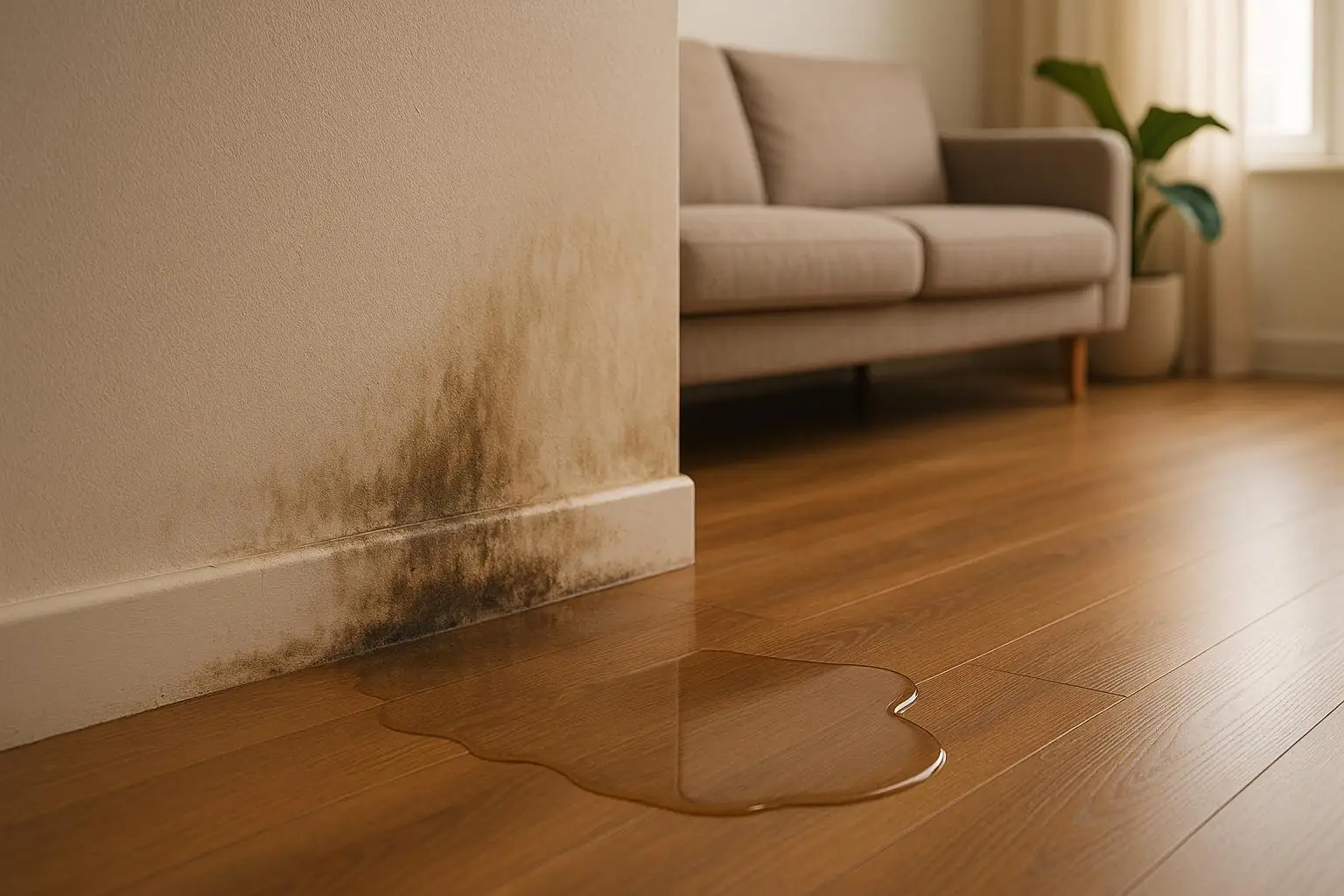
Understanding Water Damage Repair Costs
Dealing with a flooded basement or a leaky ceiling can feel overwhelming, especially when you’re unsure about the financial impact. Estimating the expense of fixing water-related issues is a crucial first step for homeowners looking to restore their property. Our tool simplifies this by letting you input key details about the damage and get a tailored cost breakdown.
Factors That Affect Restoration Expenses
Several elements play into how much you’ll spend on repairs. The size of the affected space is a big one—larger areas naturally cost more to fix. Then there’s the source of the problem: a clean pipe leak is far less expensive to address than contamination from sewage or external flooding. Severity matters too; a small damp spot is a quicker job compared to walls or floors that are completely saturated. Additional needs, like reinforcing a weakened structure or renting industrial drying gear, can also add to the bill. Knowing these variables helps you prepare for what’s ahead.
Why Early Estimates Matter
Getting a rough idea of repair costs early on lets you make informed decisions. Whether you’re filing an insurance claim or budgeting for out-of-pocket expenses, having a number in mind keeps surprises at bay. While a professional inspection is always the gold standard, starting with a quick calculation can guide your next steps and ease some of the stress.
Frequently Asked Questions
Want to Learn More?
Read our comprehensive guide covering everything you need to know about this topic.
The Complete Guide to Water Damage Restoration in South FloridaNeed Professional Help?
Our expert team is ready to assist with your water damage restoration needs.
View Water Damage Restoration Services