The Fastest Way to Handle Emergency Water Removal in Your Home
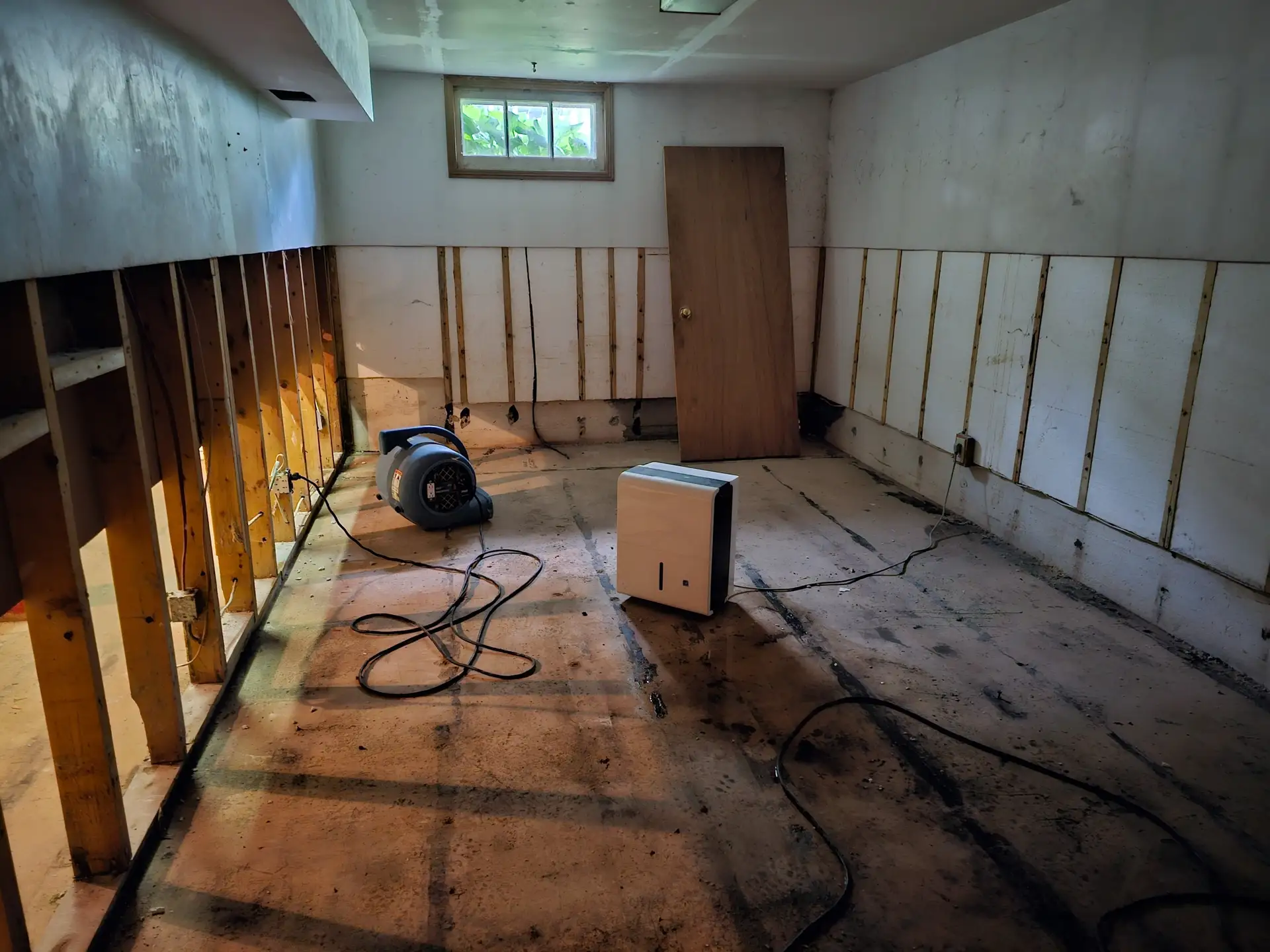
Emergency water damage can happen without warning. Sudden leaks, burst pipes, and natural disasters all cause unexpected flooding. If you don't act fast, the damage gets worse.
Key takeaway: Hire professional emergency water removal services right away. Fast, reliable help minimizes damage and protects your property.
This article explains why quick action matters. You'll learn how to handle water emergencies step by step.
Why Fast Emergency Water Removal Matters
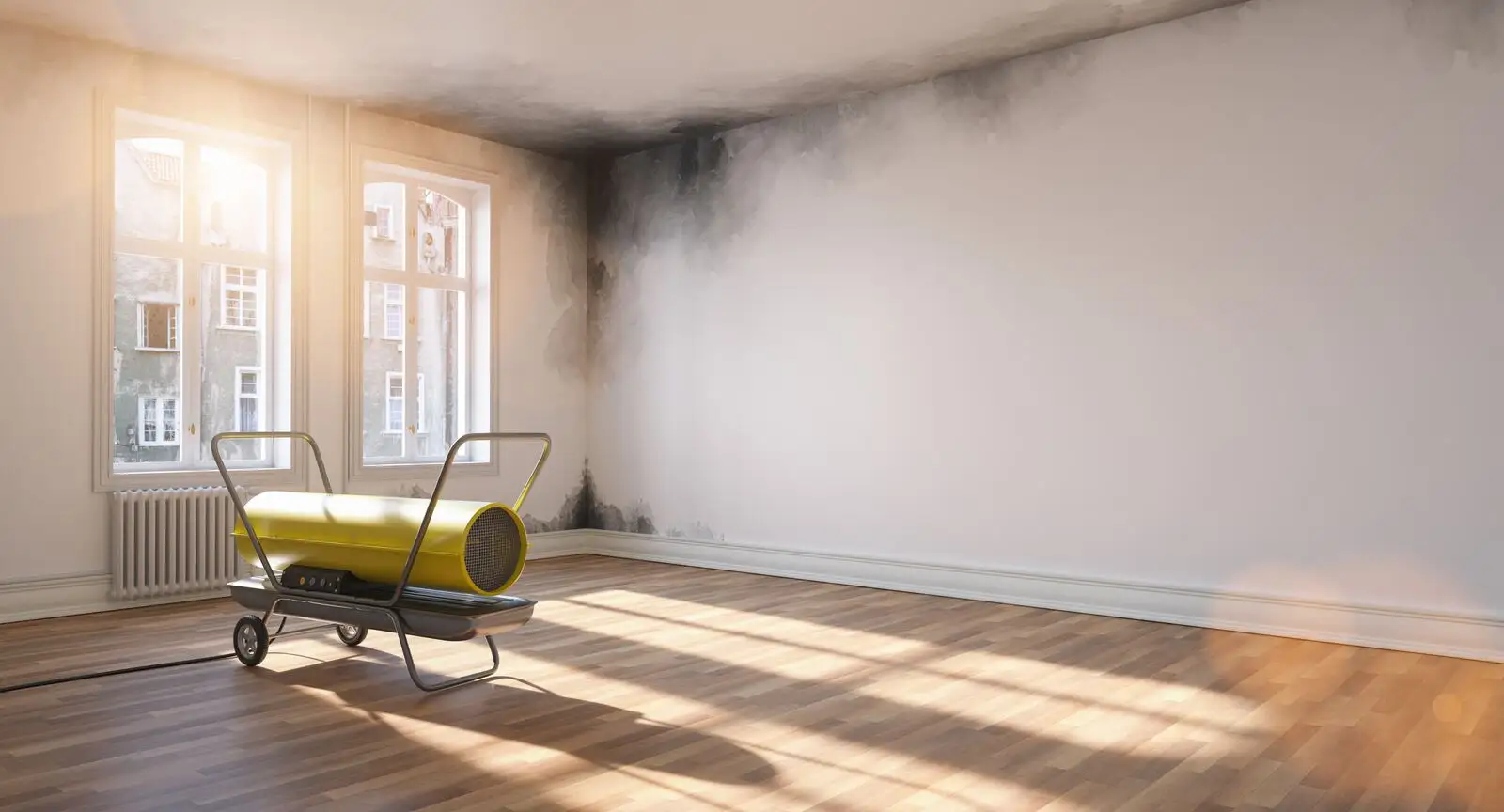
Emergency water removal matters because damage gets worse fast. When water enters your property, major problems can start within hours.
Waiting too long leads to:
- Weakened foundations
- Damaged walls
- Perfect conditions for mold
- Health hazards
Benefits of Hiring Professionals
| Benefit | Description |
|---|---|
| Expertise | Trained to handle burst pipes, flooding, and sewage overflow |
| Advanced equipment | Powerful vacuums, air movers, and dehumidifiers for fast extraction |
| Lower costs | Early intervention prevents costly future repairs |
Fast, reliable services protect your property and reduce the stress of extensive repairs. Professional emergency water removal ensures your home is restored quickly and effectively.
Understanding Insurance Coverage
Homeowners' insurance policies often cover water-related incidents. But it's important to understand the specifics.
What's Typically Covered
- Sudden leaks
- Burst pipes
- Overflowing appliances (washing machines, dishwashers)
How to Navigate the Claims Process
When an emergency arises, efficient claims navigation makes a big difference.
Steps to take:
-
Document the damage thoroughly
- Take photographs and videos of affected areas
- Keep all receipts for emergency repairs and water removal services
-
Get professional assessments
- Obtain written assessments from certified specialists
-
Contact your insurance provider immediately
- Report the incident
- Provide documented evidence
- Follow their specific claim procedures
This proactive approach ensures your expenses are well-documented. It increases the likelihood of a successful claim.
Assistance Programs for Emergency Water Removal
Homeowners facing urgent water damage may find relief through various programs.
Federal Emergency Management Agency (FEMA)
- Who qualifies: Homeowners in declared disaster areas
- How to apply: Complete online application, provide proof of residency, document damage
- Benefits: Grants for temporary housing, home repairs, disaster-related expenses
Local Government Assistance
- Who qualifies: Varies by location; often prioritizes low-income households
- How to apply: Contact local offices, submit income verification and residency proof
- Benefits: Financial aid for water removal and repairs, emergency shelter access
Non-Profit Organizations
- Who qualifies: Based on need; some require membership
- How to apply: Varies by organization; typically requires an application
- Benefits: Direct financial help, volunteer labor, essential supplies
Understanding eligibility and application requirements is crucial for maximizing these benefits.
Immediate Steps While Waiting for Help
Taking immediate action can significantly reduce damage.
Important: Only do these if safe. Wear protective gear (waterproof boots, gloves, masks).
Safety Steps
- Shut off the water source – Locate and turn off the main water valve
- Turn off electricity – Avoid electrical hazards in affected areas
- Remove valuable items – Move electronics, documents, and valuables to dry areas
- Use towels and mops – Soak up standing water to minimize spread
- Ventilate the area – Open windows and doors; use fans if available
If conditions are unsafe, evacuate and wait for experts.
Professional Water Removal Process
Professionals follow a step-by-step approach for thorough restoration.
Step 1: Water Damage Assessment
The process starts with a detailed assessment.
Experts identify:
- Extent of the damage
- Source of water intrusion
- Potential hazards
They use moisture meters and thermal imaging cameras to gauge severity.
Step 2: Water Extraction
Next, they remove standing water using powerful pumps and vacuums. Swift extraction minimizes further damage and prepares the area for drying.
Step 3: Drying Process
Specialized equipment speeds up drying:
| Equipment | Purpose |
|---|---|
| Air movers | Increase air circulation, speed evaporation |
| Dehumidifiers | Extract excess moisture from air |
| Desiccant dehumidification | Absorbs moisture directly from air |
Step 4: Moisture Monitoring
The final step involves monitoring moisture levels until they reach safe standards. This ensures property restoration and protects structural integrity and health.
Preventing Mold After Water Damage
Addressing moisture issues promptly is vital. Mold can begin within 24-48 hours.
Practical Tips
- Use dehumidifiers – Reduce moisture levels in the air
- Ensure proper ventilation – Open windows, use fans
- Check and repair leaks – Inspect roofs, windows, pipes
- Use moisture meters – Monitor levels in walls and floors
- Clean and dry wet areas quickly – Within 24-48 hours
This includes carpets, furniture, bedding, and belongings. Staying vigilant about humidity and airflow is key.
Why Professionals Matter for Post-Water Damage Inspection
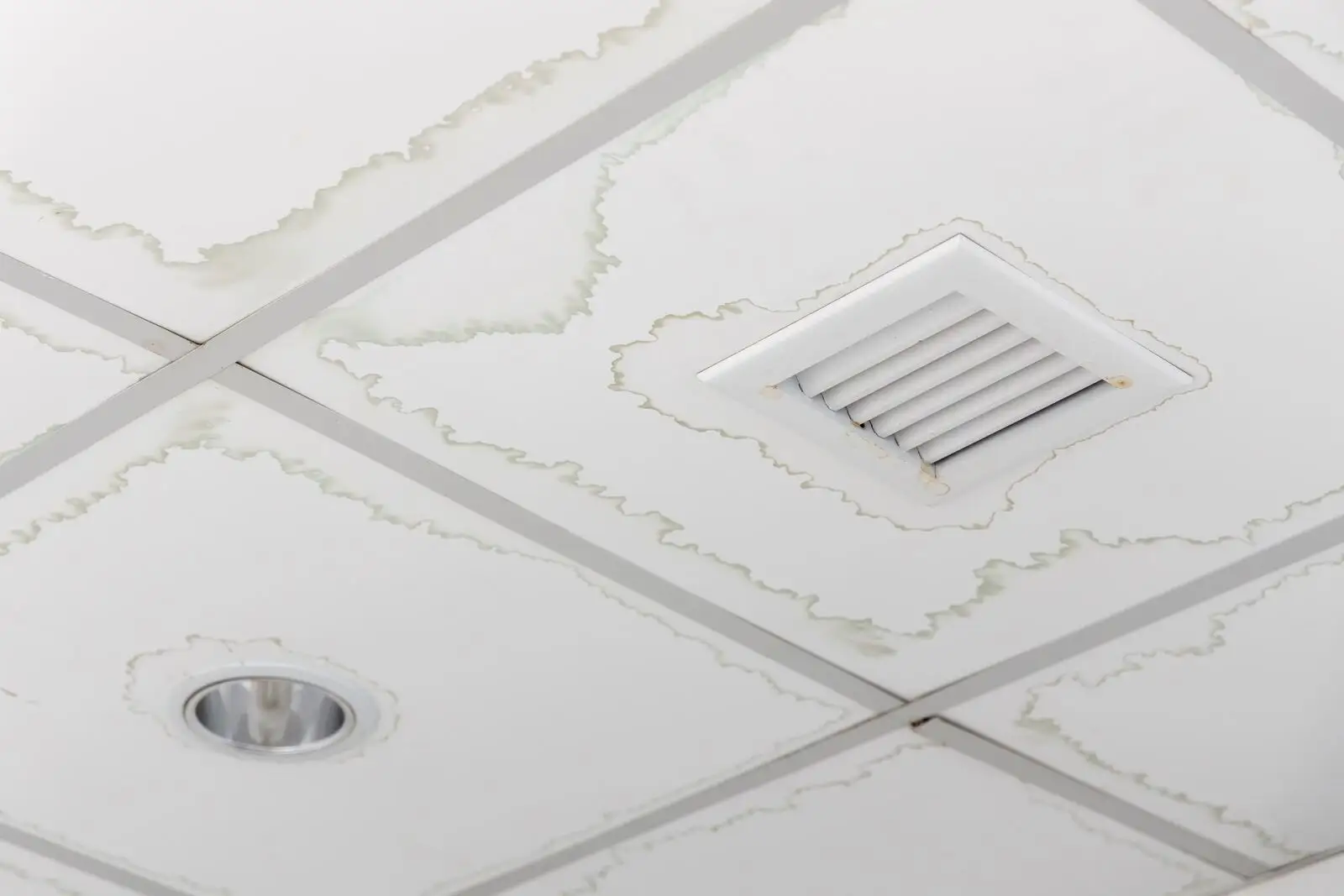
Professional inspection is crucial for ensuring your property is safe and restored.
Why Professionals Are Needed
- Advanced tools – Detect moisture behind walls, under floors, and in hidden areas
- Expert knowledge – Understand signs of hidden damage
- Comprehensive assessment – Check both visible and hidden areas
- Insurance documentation – Reports strengthen claims
The Dangers of Mold Growth
Mold can start growing within 24-48 hours after water exposure.
Health issues include:
- Allergies
- Respiratory problems
- Infections
Early identification allows for swift intervention.
Why Professionals Are Needed for Mold Remediation
- Expertise – Proper procedures for containment, removal, and disposal
- Safety measures – Prevent cross-contamination
- Effective solutions – Specialized products and equipment
- Preventing future growth – Address underlying moisture problems
Hiring certified professionals ensures water damage and mold issues are handled efficiently.
Conclusion
When it comes to emergency water removal, taking immediate action and seeking professional help are crucial.
Acting quickly:
- Minimizes damage extent
- Saves you from expensive repairs
- Prevents health issues like mold
Proactive Steps to Take
- Know your insurance coverage – Understand what water damage types are covered
- Find reputable water removal services – Research certified companies in your area
Being prepared helps you handle any water damage emergency effectively.
Want to Learn More?
Read our comprehensive guide covering everything you need to know about this topic.
The Complete Guide to Mold Remediation in FloridaNeed Professional Help?
Our expert team is ready to assist with your mold remediation needs.
View Mold Remediation Services