Miami Flood Risk: What Was Predicted for 2025, What Actually Happened, and What to Expect by 2030
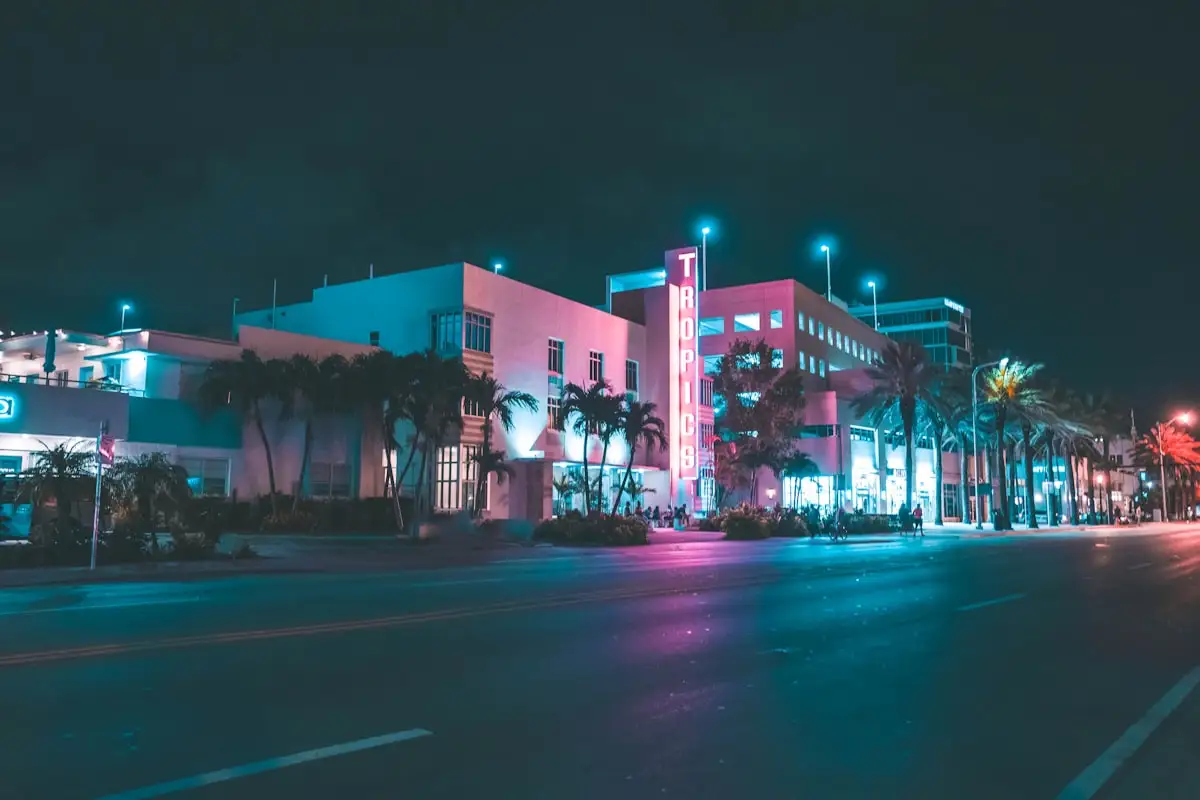
Back in 2015, alarming headlines warned that parts of South Florida could be underwater by 2025. Media outlets like CBS Local painted a dire picture of Miami's future, with climate scientists expressing serious concern over rising sea levels threatening coastal communities.
Now we're in 2026. Miami is still standing. But does that mean the predictions were wrong?
Not exactly. The reality is more nuanced than the headlines suggested, and the flood risks facing South Florida are very much still present. In this comprehensive guide, we'll examine what was actually predicted, what really happened, and most importantly, what Miami homeowners need to prepare for as we head toward 2030.
What Was Predicted for 2025
The 2015 predictions that captured national attention were based on legitimate climate science. Here's what experts were warning about:
- Rising sea levels: NOAA data showed sea levels around Miami rising approximately 1 inch every 3 years
- Increased flooding frequency: Scientists predicted sunny-day flooding would become more common
- King Tide intensification: The annual high tides were expected to push further inland each year
- Infrastructure vulnerability: Much of Miami's aging infrastructure was deemed inadequate for projected conditions
The most alarming claim—that parts of South Florida could be "underwater by 2025"—was often a simplified interpretation of complex projections. Climate scientists were actually warning about a gradual increase in chronic flooding, not a sudden submersion.
These predictions gained traction because they were grounded in observable trends. Between 2000 and 2015, Miami Beach had already experienced a noticeable uptick in tidal flooding, prompting the city to begin investing in stormwater infrastructure improvements.
What Actually Happened: A 2026 Reality Check
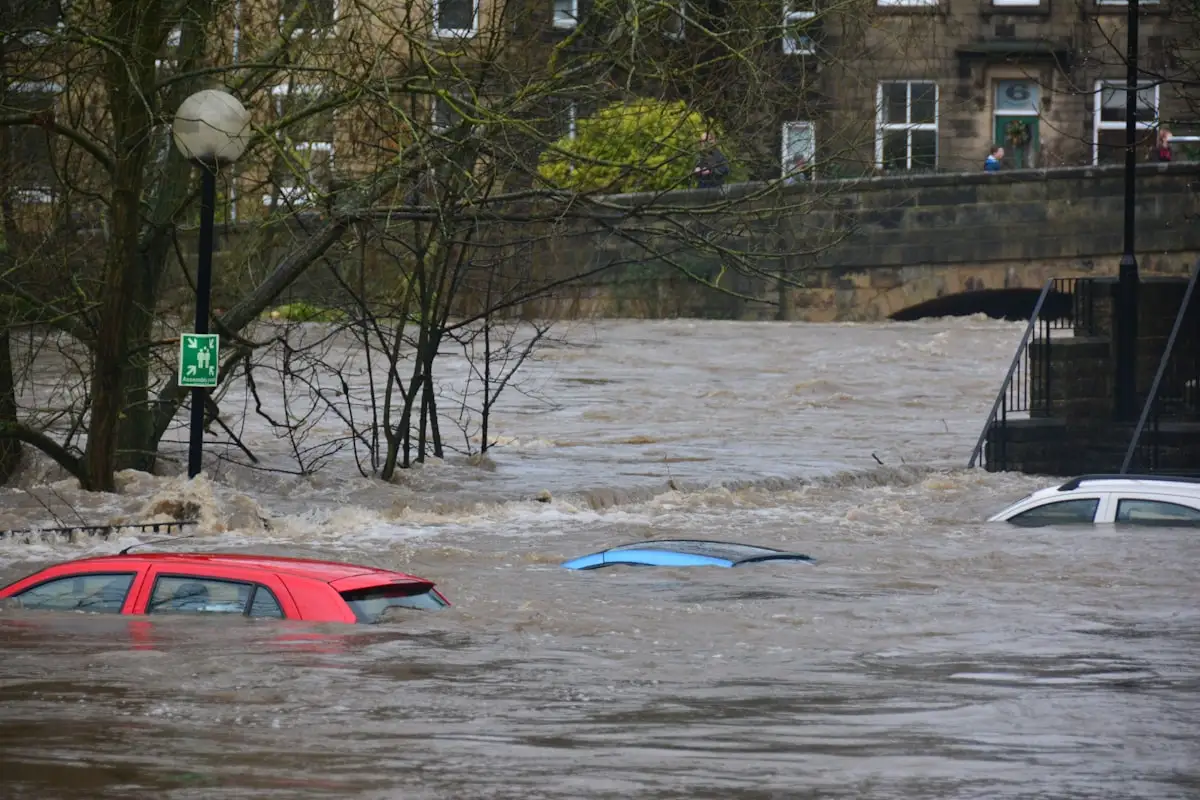
So here we are in 2026. Miami isn't underwater—but dismissing the predictions entirely would be a mistake. Here's what actually occurred:
The Good News
Miami invested heavily in flood mitigation. The city raised roads in vulnerable areas like Miami Beach, installed dozens of new pump stations, and improved stormwater drainage systems. These proactive measures helped manage many flooding events that would have been more severe without intervention.
The Reality Check
Despite infrastructure improvements, South Florida experienced significant flood events:
- April 2023: Fort Lauderdale received over 26 inches of rain in a historic flooding event, causing widespread damage and displacement
- Sunny-day flooding: Streets in Miami Beach, Coconut Grove, and other low-lying areas continued to flood during high tides—even without storms
- Hurricane seasons: The 2024 and 2025 hurricane seasons brought multiple close calls and direct impacts to the region
- Insurance crisis: Flood insurance premiums skyrocketed as insurers reassessed risk profiles across South Florida
The construction boom continued despite these risks. Miami's construction volume reached $27.4 billion in 2023—up 73% from 2014—and the population grew by over 660,000 people between 2010 and 2020, according to CNBC reporting.
Why Climate Scientists Weren't Wrong
The predictions for 2025 weren't failed prophecies—they were warnings about accelerating trends. Here's why the scientists got it fundamentally right:
Sea Levels Are Rising
NOAA measurements confirm that sea levels around Miami have risen approximately 6 inches since 2000. This may sound small, but in a low-lying area like South Florida, every inch translates to significantly more flooding during high tides and storms.
Nuisance Flooding Is the Real Story
The dramatic "underwater city" headlines missed the real threat: chronic, recurring nuisance flooding. Miami now experiences significantly more high-tide flooding days per year than it did two decades ago. This gradual increase is exactly what scientists predicted.
The Insurance Industry Agrees
Perhaps the clearest validation of flood risk predictions comes from the insurance industry. Major insurers have:
- Pulled out of Florida's homeowner's insurance market
- Dramatically increased flood insurance premiums
- Expanded designated flood zones to include areas previously considered safe
When companies whose profits depend on accurate risk assessment are treating South Florida as high-risk, homeowners should pay attention.
What to Expect: 2026-2030 and Beyond
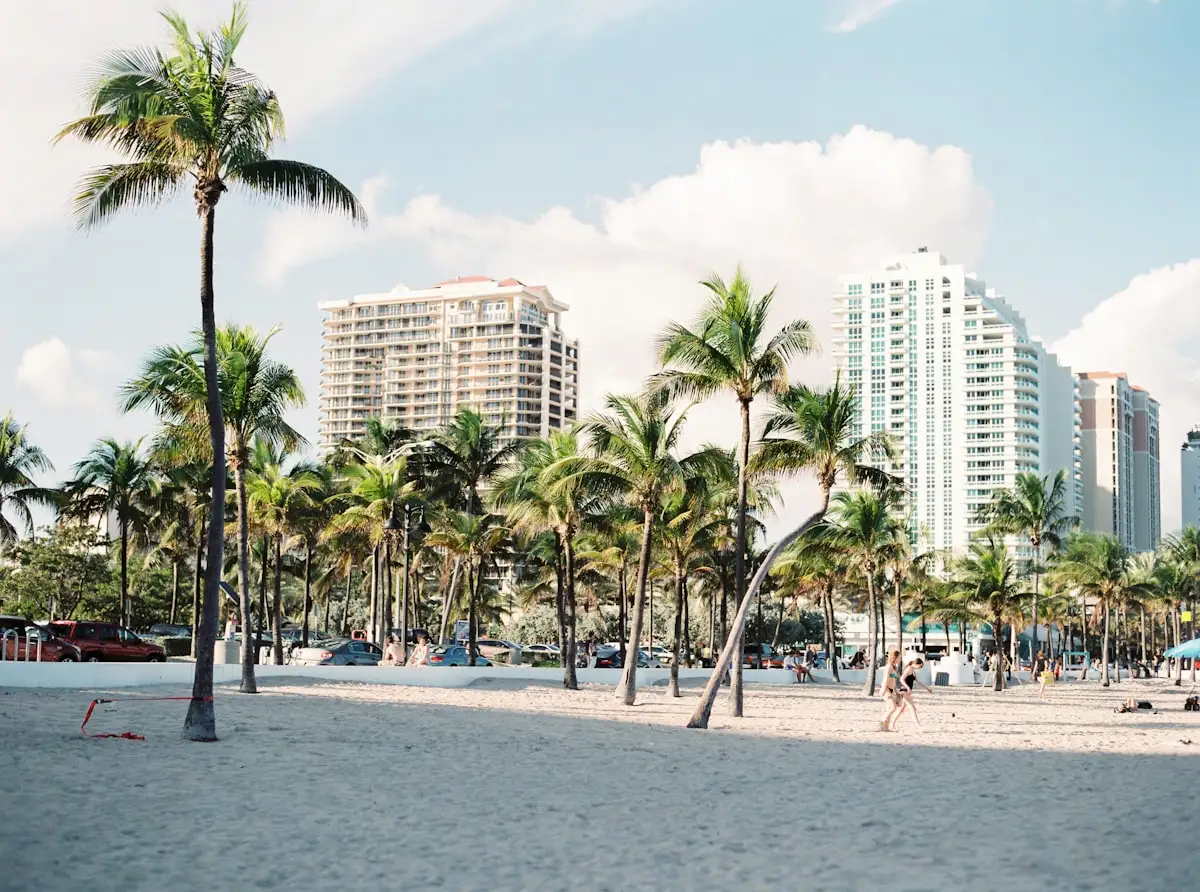
Looking ahead, the projections become more concerning. Here's what experts are now saying about South Florida's flood future:
Updated Projections
- By 2030: NOAA projects continued sea level rise of 4-8 inches above current levels in an intermediate scenario
- By 2045: Studies suggest nearly 64,000 Florida homes could face chronic flooding, with half in South Florida
- By 2050: The Urban Institute projects over $5.67 billion in annual climate-related damage across Miami-Dade, Broward, and Palm Beach counties
Miami-Dade's Response
Local government continues investing in resilience:
- Expanded pump station networks
- Ongoing road elevation projects
- Updated building codes requiring flood-resistant construction
- Improved stormwater management systems
What Homeowners Should Do NOW
Don't wait for the next major flood event. Take these steps to protect your property:
- Check your flood zone status: FEMA maps have been updated—your home may now be in a flood zone even if it wasn't before. Visit Miami-Dade's flood map portal to check
- Invest in flood insurance: Standard homeowner's policies don't cover flood damage. Get coverage before you need it
- Elevate critical systems: Move water heaters, electrical panels, and HVAC equipment to higher floors
- Waterproof your foundation: Professional waterproofing can prevent costly basement flooding
- Install flood sensors: Early warning systems help you respond faster when water intrusion begins
- Create an emergency plan: Know your evacuation routes and have supplies ready
Types of Flooding Every Miami Resident Should Understand
Not all floods are created equal. Understanding the different types helps you prepare appropriately:
Coastal Flooding
The most relevant threat for Miami. Rising sea levels combined with high tides push water inland, flooding streets and properties even on sunny days. King Tides—the highest tides of the year—are particularly problematic and have worsened as sea levels rise.
Storm Surge
Hurricanes and tropical storms can push massive walls of water onto land. Storm surge was responsible for much of Hurricane Katrina's devastation and remains the deadliest hurricane threat. Even weaker storms can produce dangerous surges in vulnerable coastal areas.
Flash Flooding
Intense rainfall over short periods overwhelms drainage systems. The April 2023 Fort Lauderdale event demonstrated how quickly flash floods can cause catastrophic damage. These events can occur with little warning.
River and Urban Flooding
Heavy rains cause rivers to overflow and urban areas to flood when stormwater systems can't keep up. Miami's flat terrain and high water table make drainage challenging even in moderate rain events.
When Flooding Happens: Professional Restoration Is Essential
Whether it's a minor water intrusion or a major flood event, professional restoration services can mean the difference between a quick recovery and long-term property damage.
Why DIY Isn't Enough
Floodwater creates hidden problems that homeowners often miss:
- Mold growth: Can begin within 24-48 hours in Miami's humid climate
- Structural damage: Water weakens foundations, drywall, and framing
- Contamination: Floodwater often contains bacteria, chemicals, and sewage
- Electrical hazards: Water and electrical systems create dangerous conditions
Professional restoration teams have the equipment and expertise to thoroughly dry your property, identify hidden moisture, and prevent secondary damage like mold.
Total Care Restoration: Your Miami Flood Recovery Partner
At Total Care Restoration, we've helped Miami homeowners recover from water damage for years. Our team is:
- IICRC-certified in water damage restoration
- BBB A+-rated for customer service and reliability
- 5-star rated on Yelp by satisfied customers
- Available 24/7 for emergency response
We use professional-grade equipment including moisture meters, industrial dehumidifiers, and air movers to ensure your property is thoroughly dried and safe.
Our Water Damage Services
- Water Damage Restoration - Complete flood recovery services
- Mold Remediation - Prevent and eliminate post-flood mold
- Fire Damage Restoration - Comprehensive disaster recovery
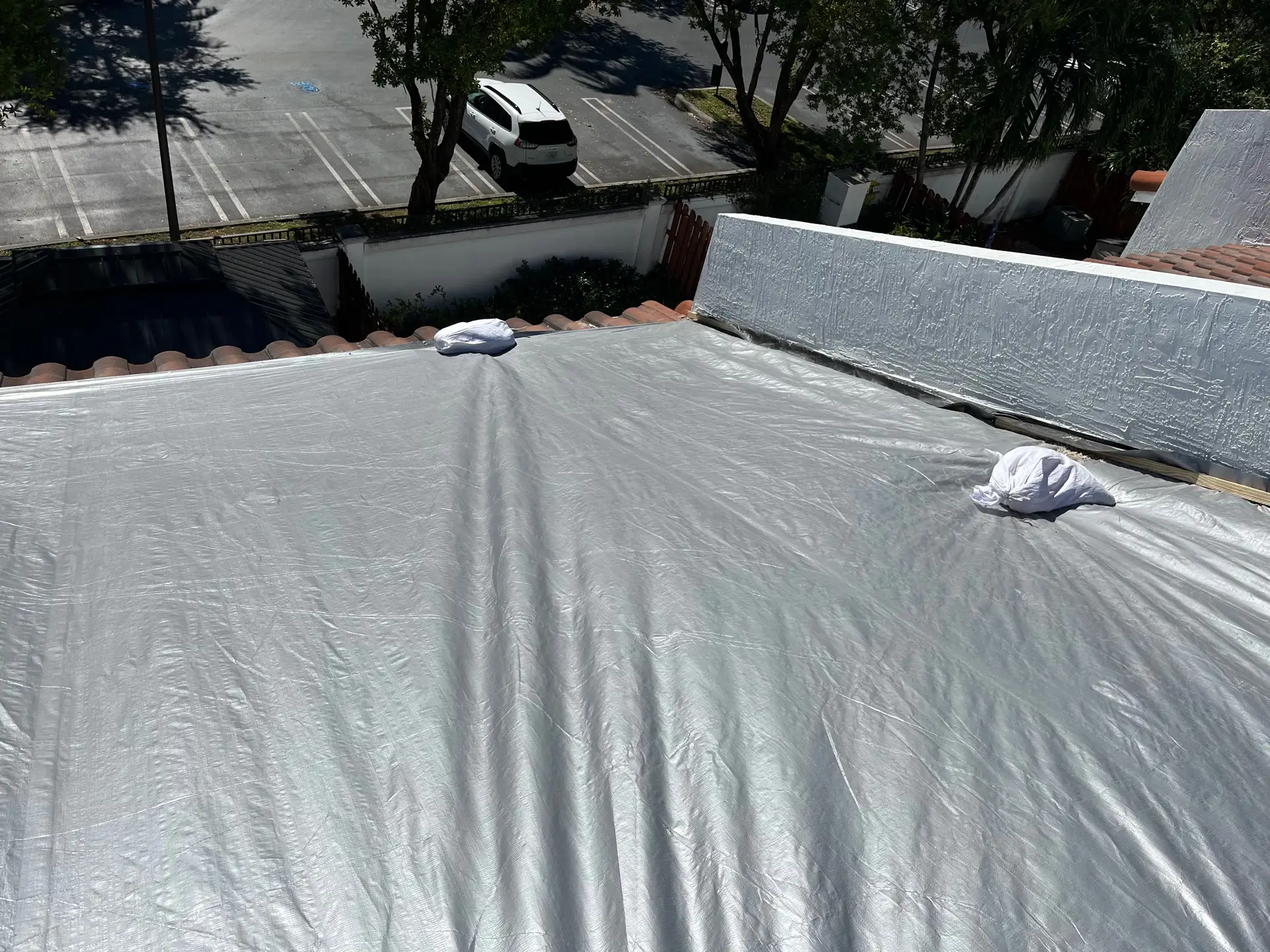
- Roof Tarping - Emergency protection after storm damage
Don't Wait Until the Next Flood
Miami's flood risks aren't going away. Sea levels will continue rising, storms will keep coming, and aging infrastructure will face increasing strain. The homeowners who prepare now will be better positioned to protect their properties and families.
If you've experienced water damage—or want to assess your home's flood vulnerability—our team is here to help.
Contact Total Care Restoration for a free inspection and consultation. We'll help you understand your risks and develop a plan to protect your home.
Call us now at (786) 610-6317 for same-day emergency service.
Want to Learn More?
Read our comprehensive guide covering everything you need to know about this topic.
The Complete Guide to Water Damage Restoration in South FloridaNeed Professional Help?
Our expert team is ready to assist with your water damage restoration needs.
View Water Damage Restoration Services