How To Tell If There's Mold On Walls or Behind Your Drywall
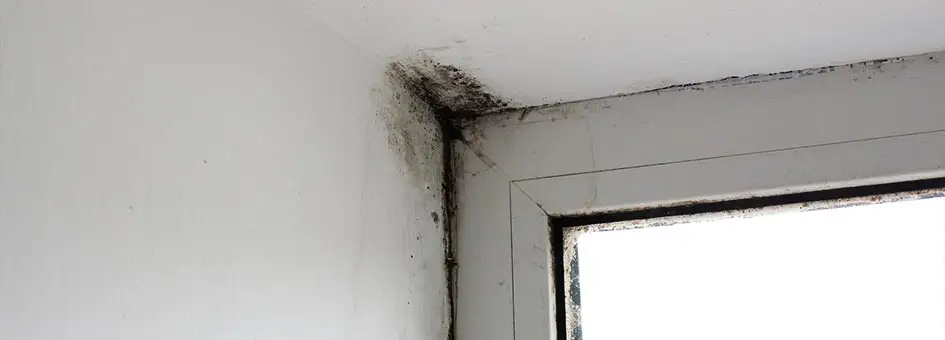
Mold may be a part of nature, but it's one natural thing that you never want to see in your home. Even the most minor examples of mold on walls can be visually unappealing and potentially cause health issues. Children and the elderly are especially vulnerable, and mold can be very dangerous for people who are allergic.
Quick Signs of Mold in Walls: Musty odors, discolored patches, bubbling paint, water stains, or soft/crumbling walls may indicate hidden mold behind your drywall.
In this article, you will learn about:
- What causes mold in the home?
- How do you know if you have mold?
- How do you prevent mold?
- How do you treat mold and keep every room in the house clean and safe?
Never Leave Water Damage Unchecked!
Many homeowners neglect to treat existing Water Damage Restoration because the issue looks relatively small or insignificant. However, even the smallest leak can lead to some big problems.
Did you know that mold usually starts to grow within 24 to 48 hours when water is present?
It is crucial to deal with water damage early to ensure that the leak doesn’t spread. Water damage that is not treated right away can end up causing severe structural damage. This damage may require extensive repairs.
Also, water is one of the most common causes of mold in the home. Water brings moisture that creates a perfect environment for mold to grow—especially when it results in wet drywall that isn't dried quickly. Some types of mold, particularly black mold in drywall, can become health hazards if they are left unchecked.
Many people tend to have mold allergies to even non-toxic mold. These tend to manifest with the following symptoms:
- Runny noses
- Skin rashes
- Itchy, red, and/or watery eyes
- Excessive sneezing
- Cough and postnasal drip
Dealing with water damage early can prevent mold growth, which can in turn prevent these health problems.
How Long Does It Take Mold to Grow on Drywall?
Understanding mold development timelines is crucial for prevention. Here's what happens when wet drywall is left untreated:
- 24-48 hours – Mold spores begin to germinate and colonize on damp surfaces. This is your critical window to dry out wet drywall before mold takes hold.
- 3-12 days – Visible mold colonies appear. At this stage, you may notice discoloration, fuzzy growth, or a musty smell.
- 1-3 weeks – Mold spreads rapidly, penetrating deeper into the drywall material and potentially releasing spores into the air.
Several factors affect how quickly mold grows on drywall:
- Humidity levels – Anything above 60% accelerates mold development
- Temperature – Mold thrives between 77-86°F (25-30°C)
- Ventilation – Poor airflow allows moisture to linger on wet drywall
- Drywall type – Paper-faced drywall provides more food for mold than mold-resistant varieties
The bottom line: if you have wet drywall, you have less than 48 hours to dry it properly before mold becomes a serious concern.
Common Causes of Mold
Mold flourishes in damp conditions, so most causes of mold growth involve unwanted water getting into the house. Some of the most common situations include:
- Leaky pipes or air-conditioning ducts
- Wet clothes
- Clogged drains
- Heavy rain or flooding
- Excess condensation on cold metallic, glass, or concrete surfaces.
Water can also pool up around sinks, bathtubs, dishwashers, or washing machines, so be wary and clean any water up right away. Some problems to look out for outdoors include a yard that slopes toward the foundation of the house, leaky shingles on the roof, and improper caulking on windows.
Preventative Tips
Of course, the best way to fix mold growth is to avoid the problem in the first place!
The good news is there are several easy ways to prevent mold in the home.
Keep Humidity Low
Keeping humidity levels low is a great way to reduce the risk of mold — measure and monitor conditions by using a humidity meter. The ideal humidity level is under 50%. This can be achieved by:
- Using a dehumidifier
- Turning up the air conditioning
- Improving ventilation in high-moisture areas
Don't forget to look out for rooms that might be more susceptible to high humidity levels, such as basements. These should be checked consistently for increases in moisture.
Keep Areas Ventilated
Another great preventative tip is making sure that your home has excellent ventilation. This is especially important in bathrooms, where moisture and condensation from the shower can build up. Adding an extra exhaust vent can help to improve ventilation and prevent mold issues. Using mold-killing cleaning products can keep mold growth under control around the sink and bathtub, preventing them from becoming a bigger issue.
Avoid Water Damage At All Costs
The best way to prevent mold is to keep a sharp eye out for water damage at all times. Check potential areas where excess moisture may get into your home, such as cracks in the foundation or leaky gutters. If you spot any leaks or extra moisture, call an expert right away.
They will be able to assess the situation and determine the best solution.
Signs of Mold Behind Drywall (Sheetrock)
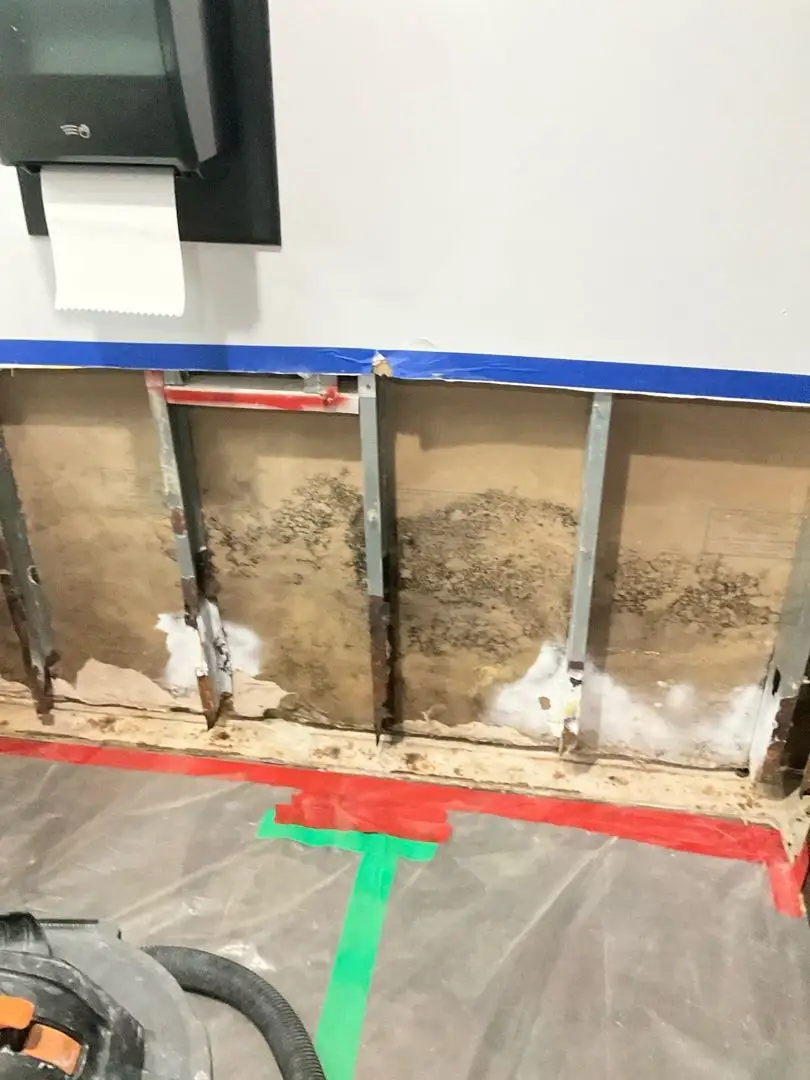
Can mold grow behind drywall? Yes, and it's often difficult to detect until it's a severe problem. Whether you call it drywall or sheetrock, the signs are the same. Here are some signs that might alert you to mold behind drywall:
- Musty odors, especially after rain
- Discolored patches or bubbling paint on the walls
- Water stains or warping on walls or ceilings
- Soft, crumbling, or bulging walls
If you notice any of these signs, consider testing for mold behind drywall. This can help identify whether you're dealing with black mold behind drywall, which poses serious health risks.
What Does Mold Look Like on Walls?
Wondering what mold on walls actually looks like? Visible mold can appear in many forms, and recognizing it early is key to preventing a larger infestation:
- Black mold on walls – Appears as dark black or greenish-black patches, often slimy or wet-looking. This is the most concerning type due to health risks.
- Green mold – Common on damp drywall (sheetrock), typically fuzzy or powdery in texture.
- White mold – Often mistaken for efflorescence (mineral deposits), white mold appears fuzzy and spreads across surfaces.
- Gray or brown spots – Early-stage mold development may look like faint discoloration before becoming more pronounced.
Beginning mold on walls may be subtle—small dots or faint discoloration that spreads over time. On drywall and sheetrock specifically, mold often appears as dark staining that bleeds through paint, or as fuzzy patches in corners and along baseboards where moisture accumulates.
Can Mold Grow Through Drywall?
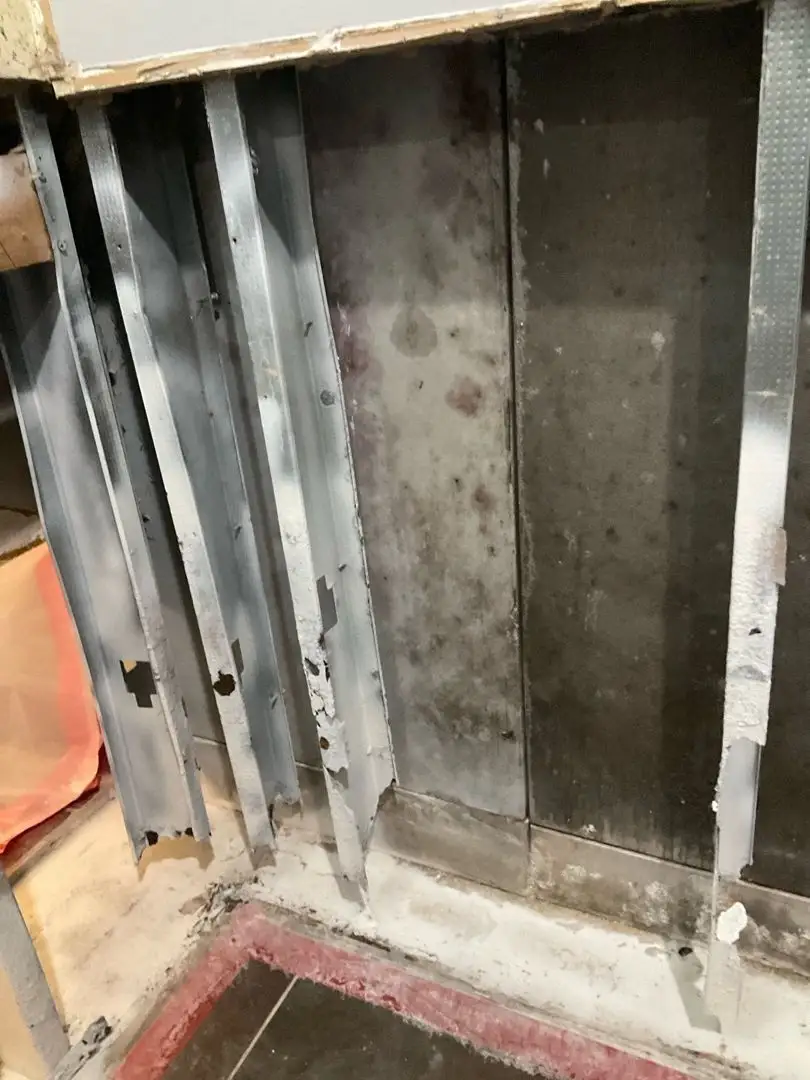
Yes, mold can actually grow through drywall over time. Drywall is porous, and its paper facing provides an ideal food source for mold spores. Once mold establishes itself on the backside of your wall, mold development continues as it gradually penetrates the material and eventually becomes visible mold on the front surface. This is why early detection is so important—by the time you see mold coming through your walls, the infestation behind them is likely much worse.
Health Hazards of Black Mold on Walls
Is black mold on drywall dangerous? Yes—black mold on walls, drywall, or sheetrock is considered one of the more hazardous types of mold because it can cause serious respiratory issues, particularly for children, the elderly, and those with weakened immune systems.
Black mold, particularly when it is present in drywall, can have significant health impacts. Some common black mold symptoms include:
- Chronic coughing and sneezing
- Eye irritation
- Nasal congestion and runny nose
- Skin rashes
- Throat irritation
- Persistent headaches
If you suspect mold, especially black mold, it’s crucial to address it immediately to mitigate these health risks.
Testing for Mold Behind Drywall and Sheetrock
Wondering how to test for mold behind drywall or sheetrock? A few methods can help:
- Use a moisture meter to detect damp areas
- Conduct a surface test where possible
- Engage professional mold inspection services for comprehensive testing
If you want to be thorough, consider getting a professional mold inspection and a mold remediation expert to assess any mold you might find. Learn more about how we test for mold in walls and what our inspection process involves.
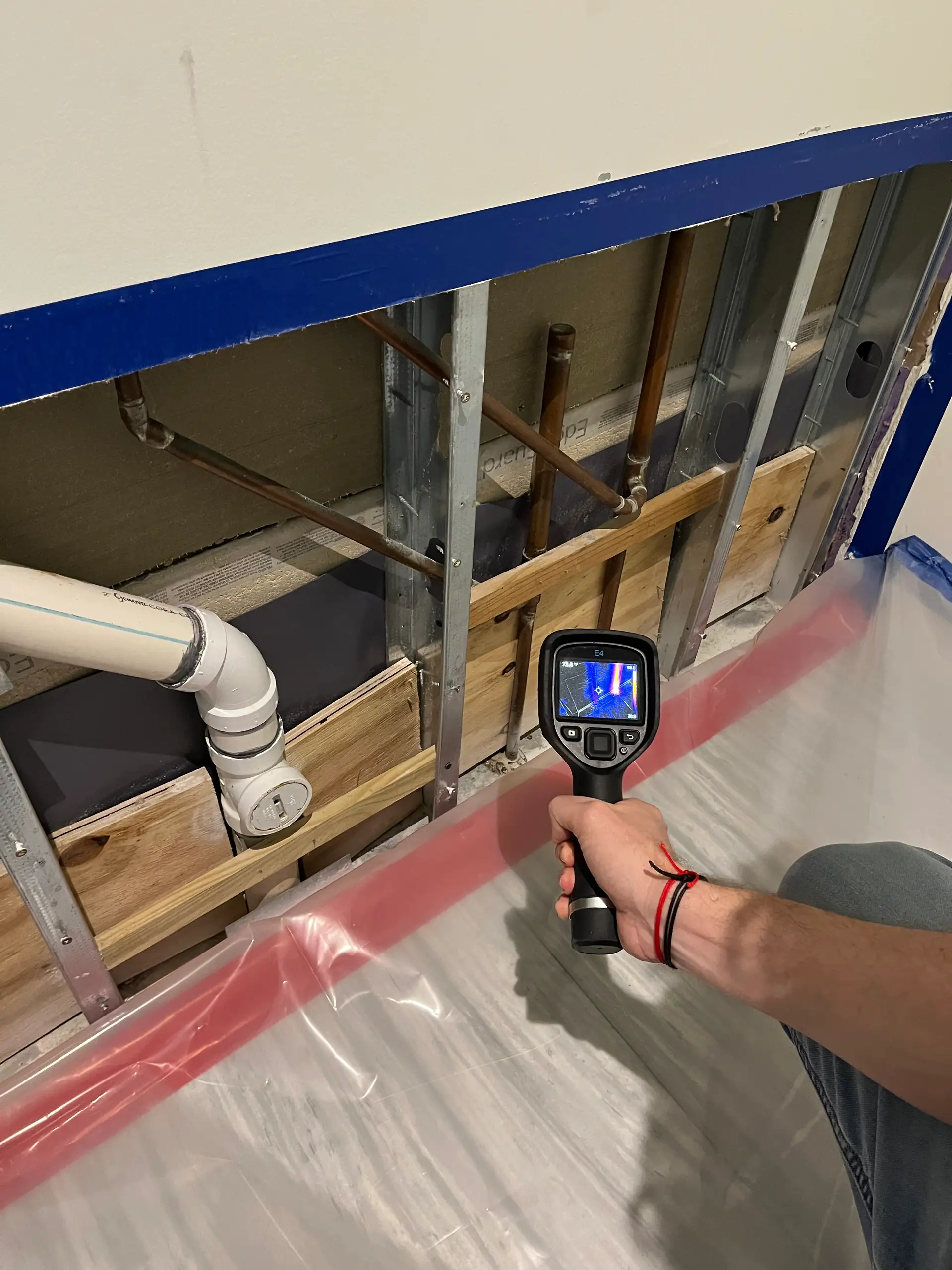
How Can I Tell If I Have Mold Behind My Walls?
How can you tell if you’re dealing with a mold issue?
Look out for visual signs such as water stains on walls or ceilings, as this is an indication of a potential source of water. Can mold grow behind drywall? Absolutely, especially if there’s a prolonged presence of moisture. If you suspect mold but can’t see it, consider engaging a professional to test for mold behind drywall.
Additionally, it is recommended to conduct home inspections during humid or rainy times of the year. This can help you identify and address any sources of moisture before they become a problem.
Wallpaper is Peeling
Other visual indicators of moisture include peeling wallpaper or condensation on the wall or ceiling.
Be careful if you think there’s mold under your wallpaper, though. Peeling it off yourself to see may end up exposing you to a cloud of spores!
If you’re willing to do a more intensive test, consider probing the wall in question with a screwdriver. If things are soft or crumbling, you may already have rot taking hold because of mold.
Mold Behind The Walls
One common issue people with water damage have to deal with is mold in walls. In some cases, visible mold can be easy to identify and take care of, but in many cases, it's the mold you can't see that is the biggest problem.
If you’ve noticed black mold symptoms or suspect mold through drywall due to some recent flooding or heavy rain, it’s time to rely on expert help. Even if mold doesn’t come through drywall visibly, it can still be a threat.
If you start experiencing allergy symptoms such as those listed above, it may be a sign that there is some mold growing out of sight in your home. In addition, mold, even behind the walls, still leaves a trademark odor. If you start to notice a strange smell, this may be another indication that you need to call an expert!
Since mold is usually caused by water damage, it can be helpful to understand the different Water Damage Restoration that can occur in the home. This will help to identify how serious the problem is and how it can be fixed.
Water Damage Has Different Types
There are also different categories of water damage:
- Clean water
- Grey water
- Black water
Clean water is uncontaminated and typically comes from a sink, toilet, or water line. Grey water often comes from dishwashers, laundry machines, and other appliances and has other substances in it that could be harmful if ingested. Blackwater is the most contaminated water damage category and usually comes from a sewer backup or stagnant water. This is very unsanitary and could result in serious illness if ingested.
Roof Leaks
A leaky roof is a specific type of water damage problem that can be a huge headache for homeowners. Roof damage can be caused by severe weather conditions such as hurricanes or tornadoes, or by falling trees, animals, or fires.
Replacing a roof is ultimately the best long-term solution, but this is a huge project and often it can’t be done right away. However, homeowners can’t simply leave the roof as it is and allow more water to get into the house.
The best way to deal with this is by installing a Roof Tarping as a temporary fix until the roof can be replaced. These tarps can be installed on any kind of roof, including skylights, and will buy homeowners some time to save up the money to do a full roof replacement. Be very cautious if you intend to install a roof tarp yourself, as this can be extremely dangerous. If in need of a same-day emergency roof tarp, contact us.
What Happens Now?
So, you’ve discovered the source of your mold or water damage problem.
What happens next?
Because of the potential danger that unchecked water damage or mold can cause, if you see evidence of it anywhere in your home make sure you reach out to professionals like us.
Not only do we believe in doing the most for our customers in the Miami area, but we’re also IICRC-certified. This means we use the best cleaning and restoration tactics to help target mold and other remnants of water damage and fix them so you can come back to your home or business with peace of mind.
Get An Inspection
The first step in the Water Damage Restoration process is an inspection. This helps experts determine exactly how extensive the problem is and where water damage is present—some types of mold and water damage can be difficult to spot without professional tools.
Our staff will use moisture meters and other specialized equipment to ensure we detect every bit of water damage. The more you know about your problem, the more you'll be able to help the restoration experts by giving them detailed information.
Remove Any Water
Next, any water that’s already in the house will need to be removed. If the leak or flooding has been severe, this may require the use of water pumps or industrial wet-dry vacuums. Once the water has been extracted, professionals will take steps to prevent any further damage.
If any carpets or furniture have gotten wet, they may need to be removed as moisture inside these materials can result in mold growth. Additionally, any walls, floors, or ceilings that have been structurally damaged will need to be removed.
Then comes the drying process, otherwise known as the dry out. This critical step requires the use of fans and dehumidifiers to properly dry out any affected areas, preventing further mold growth.
The dry out process typically takes 3-5 days, with machines running 24 hours a day for maximum efficiency. During this step:
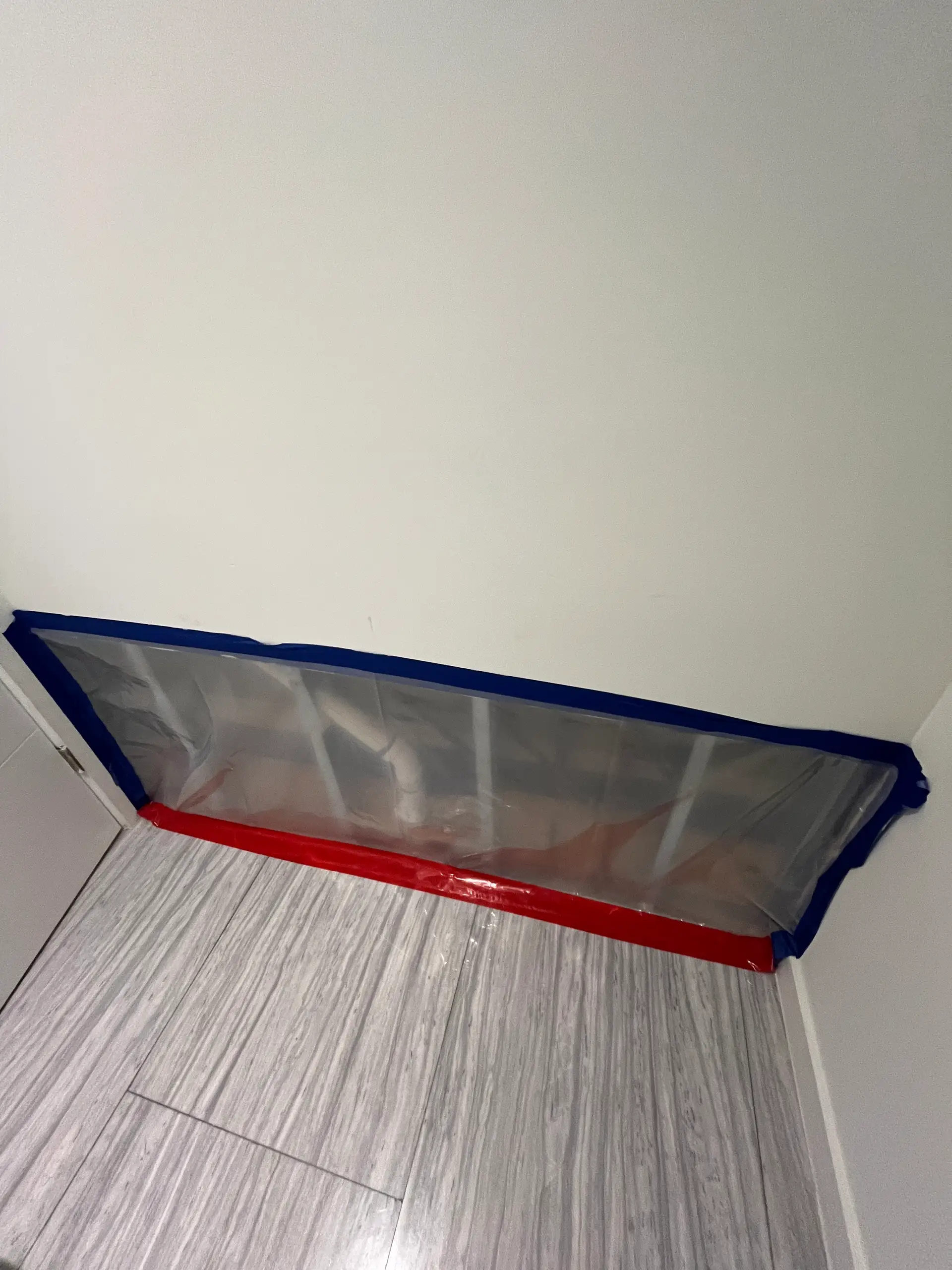
- Affected areas are taped off to isolate them from the rest of the home
- Heat is targeted to the areas that need it most
- Experts monitor moisture levels throughout to track progress
After the dry out is complete, the house will be tested for mold. If mold is present, then a mold remediation will need to be performed.
Mold Testing vs Mold Remediation
If you do not find a water source, then the first step to determine if you have mold is to do a mold test.
Florida and many states require two different licenses:
- Mold testing license
- Mold remediation license
You will need two different companies. One to perform the Mold Testing, and the other to do the Mold Remediation.
The following video will give you an idea of what the complete mold process looks like:
Although in most cases it is possible to stay in your home during the mold remediation process, ask an expert to ensure that it is safe. You may be more comfortable finding other accommodations for a few days.
During mold remediation, affected areas will be isolated with containment barriers to prevent further spread. Then mold will be removed using various tools including:
- Vacuums
- Chemical bio wash
- Wire brushes
- Encapsulation paint
After all traces of mold on surfaces have been removed, the air itself is cleaned. After all, there may be airborne mold spores which could continue to cause health problems! Mold remediation professionals will use machines like hydroxyl generators, air scrubbers, and foggers to purify the air and make it safe.
Post Remediation Verification
Once the cleaning process is complete a final mold test will be conducted to ensure that the house is safe. This is referred to as a Post-Remediation Verification or PRV.
A certificate of completion will be issued and your water damage or mold problem is officially solved!
After water damage and mold have been removed, homeowners may have to complete either minor or extensive renovations, depending on how severe the problem was. Although this requires a lot of work, it is very important that your home is properly cleaned of mold to ensure your safety. The silver lining is that sometimes repairing water damage or removing mold provides homeowners with an opportunity to redecorate or replace outdated walls or floors.
Don’t be afraid to refresh your home with a new sense of style!
Finally
It is important to remember that every water damage or mold problem is different, and the solution for each home will be unique.
A problem may be smaller or larger than it initially appears, and the only way to know for sure is to seek the help of a professional. Whatever the issue, Total Care Restoration is there to help you.
We know that mold and water damage can be extremely stressful and may happen when you least expect it.
Every member of the Total Care Restoration team is an expert in water damage restoration and mold remediation, and we will do whatever it takes to make sure that your home is back to normal as soon as possible. If you’re a Florida homeowner struggling with mold or water damage, contact us today for a no-obligation quote!
Frequently Asked Questions
Want to Learn More?
Read our comprehensive guide covering everything you need to know about this topic.
The Complete Guide to Mold Remediation in FloridaNeed Professional Help?
Our expert team is ready to assist with your mold remediation needs.
View Mold Remediation Services