How to Avoid Storm Chasing Contractors and Scams
The Reality of Storm Chaser Scams
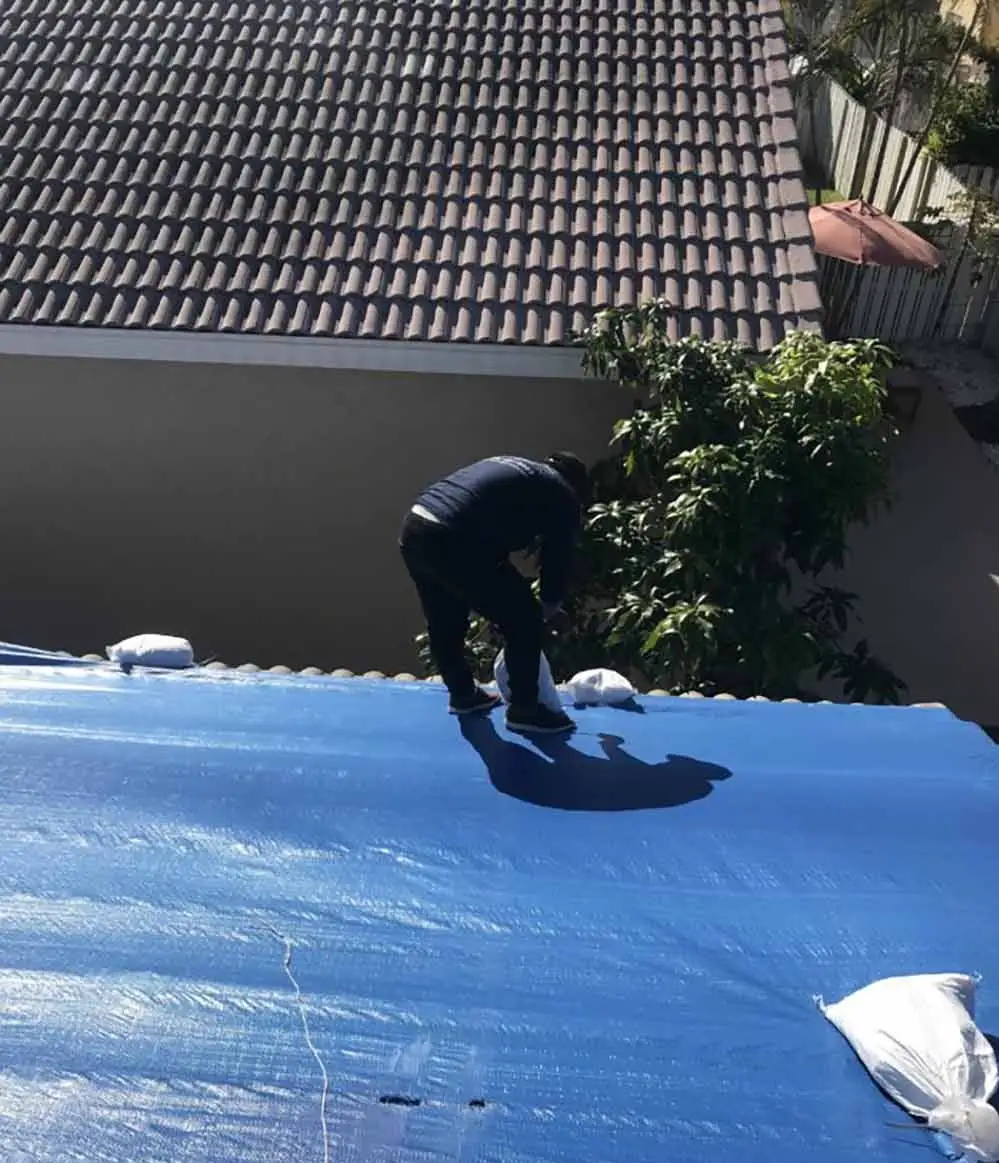
After every major hurricane or storm in South Florida, predatory contractors descend on affected areas. These "storm chasers" or "roofer rats" prey on vulnerable homeowners desperate to repair their homes. Understanding their tactics helps you protect yourself and your property.
According to the National Insurance Crime Bureau, contractor fraud increases dramatically after natural disasters. Florida, with its frequent hurricanes, is particularly targeted.
Common Storm Chaser Tactics
Door-to-Door Solicitation
The most common approach:
- Show up uninvited immediately after storms
- Claim to be "in the neighborhood doing work"
- Offer free inspections to find damage
- Pressure you to sign contracts on the spot
- May claim damage you didn't know existed
Red Flag: Legitimate contractors don't typically solicit door-to-door. If you didn't call them, be skeptical.
High-Pressure Sales Tactics
Storm chasers often:
- Create false urgency ("This price is only good today")
- Claim limited availability ("We're only in the area this week")
- Use fear tactics ("Your whole roof could collapse")
- Discourage you from getting other estimates
- Push you to sign before you've had time to think
Assignment of Benefits (AOB) Abuse
A particularly problematic tactic in Florida:
- Ask you to sign over insurance benefits to them
- Handle your entire insurance claim
- May inflate claims or file fraudulent paperwork
- Leave you responsible if insurance disputes arise
Important: In 2022, Florida reformed AOB laws, but be cautious with anyone asking you to sign over benefits.
The "Free Roof" Pitch
A classic scam approach:
- Promise to get you a free roof through insurance
- Offer to waive your deductible (illegal in Florida)
- Inflate the scope of work on insurance claims
- This is insurance fraud, and you could be liable
Low-Ball Estimates Then Add Charges
The bait-and-switch:
- Provide unrealistically low initial estimate
- Begin work, then "discover" additional problems
- Claim the original estimate was only partial
- Demand more money to complete the job
- May threaten to place liens on your property
Warning Signs of Scam Contractors
Identification Red Flags
- No permanent business address
- Out-of-state license plates
- No local business license
- Unable to provide proof of insurance
- No references from local customers
- Company name doesn't appear in online searches
Business Practice Red Flags
- Demands cash payments only
- Wants full payment before work begins
- No written contract or vague contracts
- Pressures you to sign immediately
- Discourages you from reading contracts fully
- Won't provide a copy of their license
Insurance Red Flags
- Offers to waive your deductible
- Asks you to sign a blank claim form
- Wants you to sign over all insurance proceeds
- Claims to "know how to work with insurance"
- Encourages you to inflate the damage claim
Work Quality Red Flags
- Uses substandard materials
- Can't explain their process
- Won't provide material specifications
- Plans to cover existing damage without repair
- No timeline for completion
How to Verify Contractors
Check State Licensing
Florida contractors must be licensed. Verify at:
- Florida Department of Business and Professional Regulation: myfloridalicense.com
- Search by company name or license number
- Verify the license is active and covers your work type
- Check for complaints or disciplinary actions
Verify Insurance
Legitimate contractors carry:
- General liability insurance
- Workers' compensation insurance
- Ask for certificates of insurance
- Call the insurance company to verify coverage
- Ensure coverage is current, not expired
Local Verification
- Check with your local Chamber of Commerce
- Search Better Business Bureau listings
- Look for Google reviews and local references
- Ask neighbors who they've used
- Check local contractor associations
Background Research
- Search for the company name + "complaints" or "scam"
- Look for news articles about the company
- Check court records for lawsuits
- Verify the physical business address exists
- Call the business number before they arrive
What to Do When Approached
If a contractor shows up unsolicited:
Don't
- Don't sign anything immediately
- Don't give them access to your roof unsupervised
- Don't pay any money upfront
- Don't share your insurance policy details
- Don't make decisions under pressure
Do
- Get their business card and license number
- Say you need time to research and compare
- Ask for written estimate only (no contracts)
- Take photos of their vehicle and ID
- Trust your instincts—if it feels wrong, it probably is
Hiring the Right Contractor
Start Your Search Right
- Ask your insurance company for recommendations
- Get referrals from friends and neighbors
- Contact your local building department
- Check with trade associations
- Search for established local businesses
Vetting Process
- Verify license is active and appropriate
- Confirm insurance is current
- Check references and reviews
- Get at least three written estimates
- Compare scope of work, not just price
The Contract Should Include
- Detailed scope of work
- Materials to be used (with specifications)
- Start and completion dates
- Total cost and payment schedule
- Warranty information
- Permit responsibilities
- Cleanup and disposal
- Change order procedures
Payment Best Practices
- Never pay more than 10% down
- Make payments tied to completed milestones
- Never pay in cash
- Keep copies of all receipts
- Final payment after final inspection
If You've Already Been Scammed
Immediate Steps
- Document everything (contracts, payments, photos)
- Stop any additional payments
- Don't let them continue working
- Contact your bank about payments made
- File a police report
Official Complaints
- Florida Attorney General: File a consumer complaint
- DBPR: File a contractor complaint
- BBB: File a complaint for record
- FTC: Report to Federal Trade Commission
- Local building department: Report unlicensed work
Legal Options
- Consult with a construction attorney
- Small claims court for smaller amounts
- You may have lien rights as homeowner
- Document everything for potential litigation
Florida-Specific Protections
Know your rights under Florida law:
Three-Day Right to Cancel
- For door-to-door sales, you have 3 business days to cancel
- Must be in writing
- Applies to contracts signed at your home
- Doesn't apply if you initiated contact
Contractor Licensing Requirements
- General contractors must be licensed
- Specialty contractors (roofing, etc.) need separate licenses
- Working without a license is a crime
- Unlicensed contractors can't place liens
Deductible Waiver Prohibition
- It's illegal for contractors to waive your deductible
- This is considered insurance fraud
- Both contractor and homeowner can face penalties
- "We'll work with your insurance" claims are red flags
Working with Your Insurance Company
Good Practices
- Report damage directly to your insurance company
- Get their recommendations for contractors
- Understand your coverage and deductible
- Document all damage yourself before repairs
- Keep the insurance company informed
Your Rights
- You can choose your own contractor
- Insurance must pay for proper repairs
- You're entitled to policy coverage
- Disputes can be escalated through proper channels
- Consider a public adjuster for complex claims
Conclusion
Storm chaser scams cost Florida homeowners millions of dollars every year and often result in shoddy work that creates additional problems. Protecting yourself requires vigilance, verification, and patience—even when you're eager to repair your home.
At Total Care Restoration, we're a licensed, insured, locally-owned South Florida company with an established reputation. We don't go door-to-door soliciting work—our customers come to us through referrals and our long-standing presence in the community.
If your home has sustained storm damage, verify any contractor before signing anything. We're happy to provide our credentials, references, and transparent estimates. Call (786) 610-6317 for legitimate help with your storm damage restoration.
Want to Learn More?
Read our comprehensive guide covering everything you need to know about this topic.
The Complete Guide to Storm Damage Restoration and Roof Protection in FloridaNeed Professional Help?
Our expert team is ready to assist with your storm damage restoration needs.
View Storm Damage Restoration Services