South Florida Water Damage Claim Friction Index
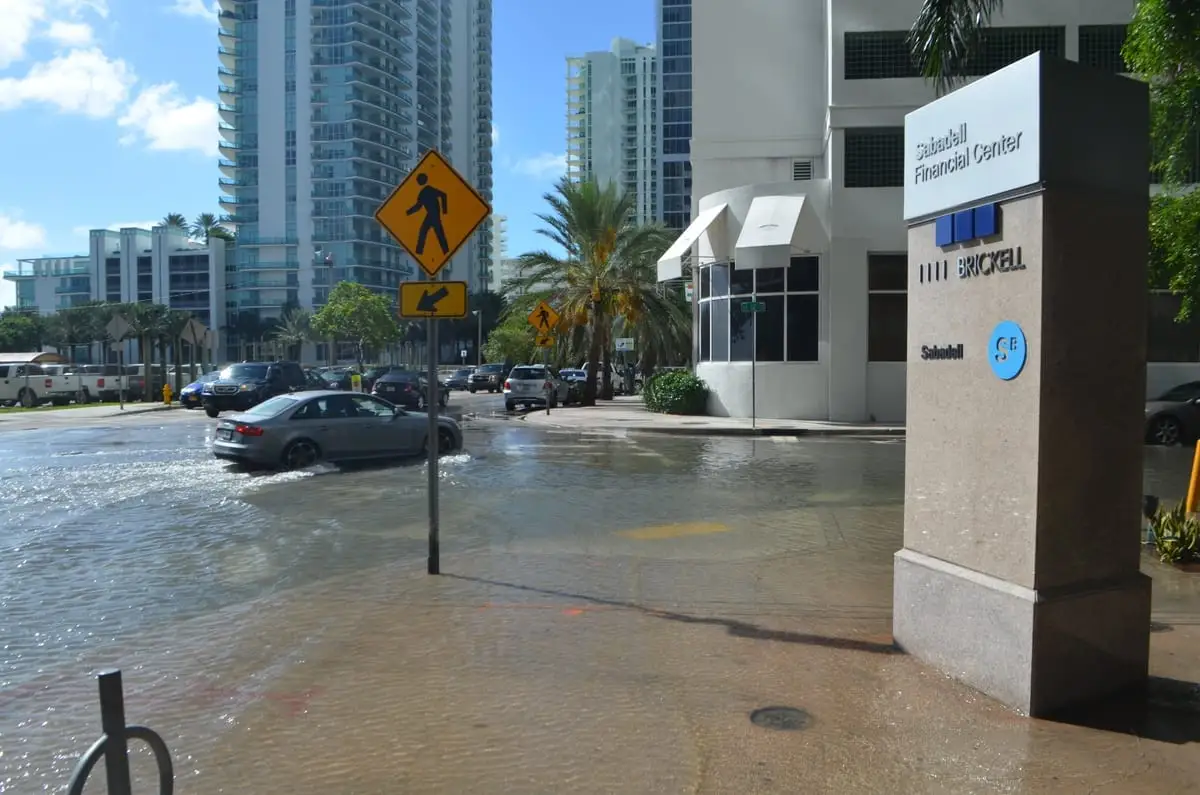
Navigating property recovery in Florida is rarely as simple as drying out a room. Between tropical weather, high groundwater, aging plumbing, and strict insurance deadlines, South Florida water damage claims can turn into a documentation problem as quickly as a drying problem.
This index uses National Flood Insurance Program (NFIP) claim signals for Miami-Dade and Broward, then pairs them with the practical claim-clock milestones property owners need to understand before a loss becomes harder to prove. It is not a ranking of individual insurers or a substitute for legal advice. It is a way to see where water risk is concentrated and what documentation should start immediately after damage is found.
What Counts as Flood vs Water Damage
Property owners often use the terms interchangeably, but insurance policies draw a hard line. Standard homeowners insurance typically covers sudden, internal water damage, such as a burst pipe, a ruptured water heater, or an overflowing appliance. In contrast, damage caused by rising external water - storm surge, king tides, or heavy rainfall that floods the ground - usually falls under flood insurance.
This distinction dictates not only which policy responds to the loss but also the deadlines involved. For standard property policies issued on or after December 16, 2022, Florida law now requires property owners to submit notice of a new or reopened claim within one year of the date of loss. If the damage is discovered gradually and reported late, the claim can be entirely time-barred before an adjuster even evaluates the merits of the loss.
The practical problem is that storm losses rarely arrive neatly labeled. A South Florida homeowner might see ceiling staining after a squall line, swollen baseboards near a sliding door, and standing water outside the garage on the same afternoon. One part of the loss may point to wind-driven rain. Another may point to rising water. A third may reveal an old supply-line failure that only became obvious during the storm.
That is why the first inspection should avoid assumptions. The useful question is not "Is this covered?" in the abstract. The useful question is "What is the source, how far did the moisture travel, what materials are affected, and what documentation proves the timeline?" The answer determines whether the claim file has a clear story or becomes a back-and-forth between flood, homeowners, association, and repair responsibilities.
| Damage pattern | Likely documentation priority | Why it matters |
|---|---|---|
| Water rising from outside into doors, garages, or low walls | Photos of exterior water line, weather timing, flood-policy information | Helps distinguish flood exposure from an interior plumbing loss |
| Water entering around roof, window, or wall openings after wind | Photos of building opening, roof/wall condition, affected interior rooms | Supports the sequence between storm damage and interior water intrusion |
| Water from a pipe, heater, appliance, or fixture | Photos of failed component, shutoff time, plumber notes, affected materials | Helps show sudden discharge and mitigation timing |
| Moisture found days later in cabinets or wall cavities | Moisture readings, thermal images, demolition photos, drying logs | Shows hidden spread that may not be visible in first photos |
Water and Flood Claim Indicators by County
The sheer volume of flood claims in South Florida underscores the widespread exposure across the region. According to May 2026 data derived from the OpenFEMA NFIP claims dataset, the two most populous counties in the area carry substantial historical claim footprints.
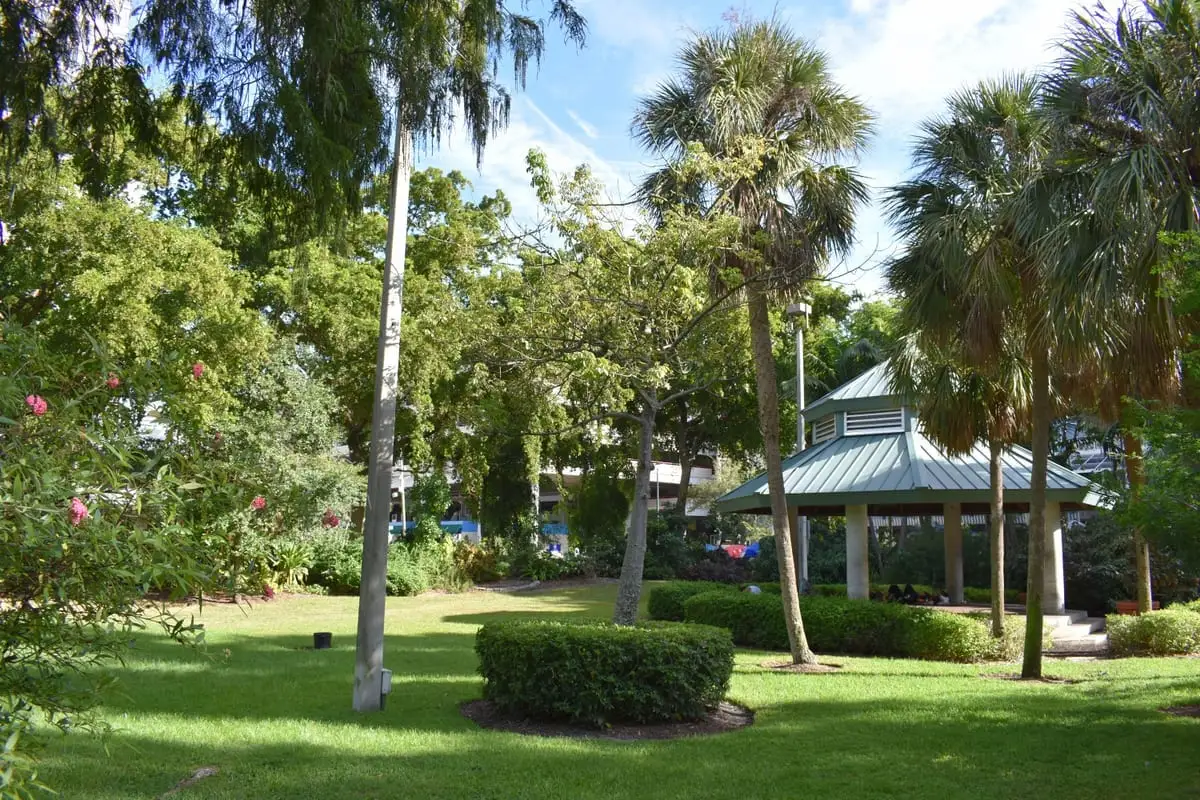 Broward County faces substantial flood risk, with historical NFIP claims exceeding $62 million.
| County | NFIP flood claims | Total paid | Average paid claim | What the signal means |
|---|---|---|---|---|
| Broward | 1.4K | $62,071,421 | $43,929 | A high historical payout footprint, especially relevant for coastal and canal-adjacent properties |
| Miami-Dade | 1.3K | $40,405,886 | $31,298 | Frequent flood exposure in the same market where wind-driven rain and plumbing losses are also common |
These figures represent federal flood payouts rather than private internal water damage claims, so they should not be read as a complete insurance-loss count. They are still useful as a moisture-exposure signal. Neighborhoods with recurring NFIP activity are often the same places where wind-driven rain, roof openings, slab leaks, and drainage problems create urgent restoration decisions after storms.
For property managers, the county-level signal is most useful when paired with local building details. A newer home on a raised lot does not have the same risk profile as an older condo with exterior corridors, aging roof assemblies, and stacked plumbing lines. A canal-adjacent property in Broward has different exposure than a high-floor unit in Miami-Dade, but both can face claim friction if the first 48 hours are poorly documented.
The index should therefore be read as a planning tool, not a prediction for any single address. It tells boards, owners, and managers where water-related losses are common enough that documentation habits should already be in place before the next storm, leak, or sewage backup.
Where Complaints and Claim Signals Overlap
Claim friction occurs when the loss is real but the file slows down: missing photos, unclear cause of loss, repeated information requests, delayed inspections, or confusion over whether flood or homeowners coverage applies. Recent Florida reforms were designed to tighten claim handling, but they also place a heavier burden on property owners to act quickly.
Under Florida Statute 627.70131, insurers have tighter communication, inspection, and payment timelines than many homeowners realize. Florida Statute 627.70132 also limits how long policyholders have to report new, reopened, and supplemental property claims.
The practical takeaway is simple: do not wait for the claim to feel "organized" before documenting it. Start a timeline the same day the damage is discovered, keep photos before materials are moved, and preserve invoices, drying logs, and moisture readings.
When high-volume claim areas like Miami-Dade and Broward experience a severe weather event, adjuster resources are stretched thin. This overlap between high claim volume and tight statutory deadlines is where friction peaks. Property owners who fail to document their losses exhaustively often find their claims stalled at the 30-day or 60-day marks.
The First 24 Hours Decide How Clear the Claim Looks
The first day after discovery is when a water claim is easiest to document and easiest to weaken. Once wet materials are removed, furniture is moved, or cleanup begins, the property may be safer, but the original evidence is harder to reconstruct. That is why the best restoration files preserve both conditions: what the property looked like before mitigation and what the mitigation team did to prevent additional damage.
Use this sequence when conditions are safe:
- Stop the source if possible. Shut off the fixture, appliance, supply valve, or main water line if the loss is from plumbing. For roof or storm entry, avoid unsafe roof access and focus on interior containment until a qualified crew can evaluate temporary protection.
- Photograph before cleanup. Capture wide shots of each room, close-ups of the source, water lines on walls or cabinets, wet flooring transitions, damaged contents, and exterior conditions if stormwater is involved.
- Start a written timeline. Record when the damage was discovered, who was notified, when the source was stopped, when mitigation began, and when the insurer or property manager was contacted.
- Separate emergency mitigation from repairs. Drying, extraction, and temporary protection are not the same as rebuild work. Keeping them separate helps the claim file stay clear.
- Preserve readings and logs. Moisture maps, equipment placement, daily readings, and demolition photos explain why certain materials were dried, removed, or monitored.
This is where a restoration company can add value beyond labor. A good response creates a chronology that ties the physical loss to the work performed. Without that chronology, the homeowner may be left trying to explain, weeks later, why a wall was opened, why cabinets were detached, or why dehumidifiers ran for several days.
Restoration Documentation Checklist
To prevent your claim from stalling and to meet the strict filing windows, immediate and thorough documentation is essential. A professional restoration response not only mitigates further damage, it also creates the paper trail adjusters usually need before they can evaluate the scope.
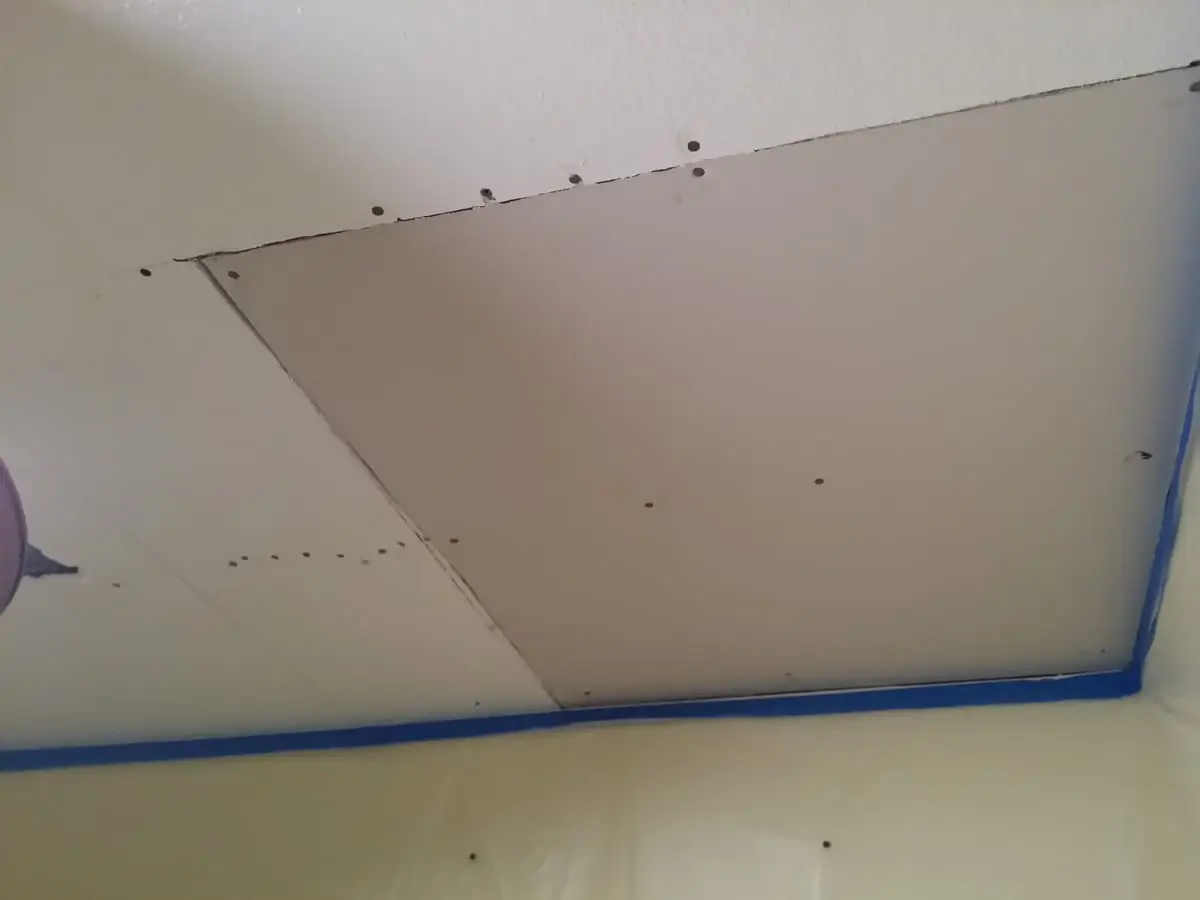 Professional restoration requires thorough documentation to meet strict insurance deadlines.
When Total Care Restoration responds to a 24/7 emergency in South Florida, the work is organized around both property protection and claim documentation:
- Immediate Mitigation: Stop the source of the water and begin moisture extraction to prevent structural rot.
- Timestamped Photography: Capture clear, well-lit photos of all standing water, damaged contents, and the source of the leak before any materials are removed.
- Moisture Mapping: Use professional diagnostic tools to measure and record moisture levels in drywall, flooring, and framing.
- Equipment Logs: Track exactly how many dehumidifiers and air movers are placed, and record daily drying progress.
- Itemized Scopes: Provide a clear scope of work that separates emergency mitigation from repairs and helps the adjuster understand what happened.
If water is active now, start with safety and source control. If the source is stopped but materials are still wet, the priority becomes moisture mapping and drying before the loss spreads into cabinets, wall cavities, or adjacent rooms.
What Makes a Claim File Easier to Review
Adjusters do not only need proof that water was present. They need enough information to understand cause, scope, timing, and mitigation. A file that says "water damage in bedroom" creates more questions than answers. A file that shows the source, affected rooms, moisture readings, equipment logs, and dated photos gives the reviewer a much clearer path.
For homeowners and managers, the strongest file usually includes:
- Cause-of-loss notes: What failed, what was visible, and what was done to stop ongoing water.
- Room-by-room photo sets: Wide, medium, and close-up photos before major movement or demolition.
- Moisture documentation: Readings from affected and unaffected materials so the dry standard is clear.
- Mitigation invoices: Emergency work separated from later repairs.
- Communication log: Dates and times for insurer, adjuster, board, tenant, plumber, roofer, and restoration contacts.
- Change documentation: Photos and notes before removing drywall, flooring, baseboards, cabinets, or contents.
For condos and commercial properties, add access notes. Water losses often involve multiple units, shared walls, risers, common areas, or tenant spaces. The claim can stall if the restoration team cannot document adjacent affected areas or if building management delays access to the suspected source.
Methodology and Caveats
The NFIP claim counts and payout statistics cited in this index come from the OpenFEMA FimaNfipClaims v2 dataset, with county-level summaries reviewed from FloodRiskData in May 2026. Because FEMA updates this data on a delayed cycle, recent storm events may not be fully reflected in the totals. Statutory timelines should be confirmed against the current Florida statutes and your policy language.
Disclaimer: This article provides general information regarding water damage restoration and public insurance data. It is not intended as legal or financial advice. Insurance policies and regulations vary, and you should always confirm specific deadlines and coverage details directly with your insurance provider or a licensed attorney.
Want to Learn More?
Read our comprehensive guide covering everything you need to know about this topic.
The Complete Guide to Water Damage Restoration in South FloridaNeed Professional Help?
Our expert team is ready to assist with your water damage restoration needs.
View Water Damage Restoration Services