South Florida Sewage Backup and Wastewater Spill Hotspot Map
South Florida's high water table, aging infrastructure, and intense storm seasons make the region particularly vulnerable to sanitary sewer overflows (SSOs). When local lift stations fail, force mains break, or grease blocks municipal lines, the resulting wastewater spills do not just affect waterways. They can also signal the same infrastructure stress that leaves nearby homes exposed to backups, odors, contaminated water, and urgent cleanup decisions.
Understanding where these spills occur is the first step in assessing your own property's risk. While municipal teams handle the street-level response, homeowners are often left dealing with the indoor aftermath.
What Public Notices Do and Do Not Capture
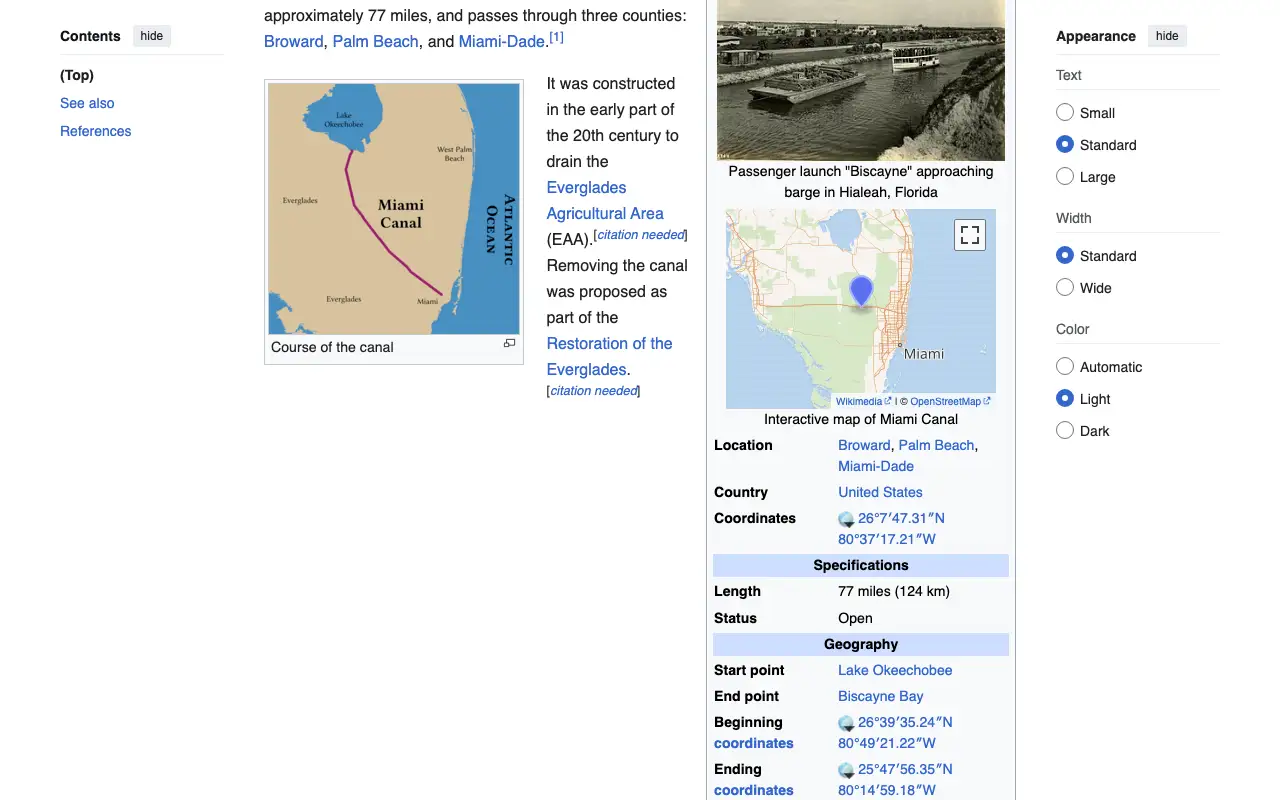 South Florida's extensive canal system often serves as the final destination for municipal runoff and accidental wastewater discharge.
In Florida, wastewater spills exceeding 1,000 gallons, or those that threaten public health, must be immediately reported to the Department of Environmental Protection (DEP) State Watch Office. Those reports feed public pollution notices and related DEP records, creating a useful but incomplete record of municipal failures. The reporting rules are summarized on the Florida DEP wastewater incident reporting page.
However, these public notices have limitations. They track the volume and origin of the release, such as a broken discharge line or a failed pump station, but they rarely capture the localized impact inside private buildings. A public notice might log a spill into a retention pond or canal, while individual homes still need separate evaluation if wastewater backs up through toilets, tubs, floor drains, or shower lines.
The most important limitation is scale. A citywide or countywide notice may describe what happened in the public system, but it does not inspect your baseboards, vanity toe-kicks, drywall, air returns, or flooring transitions. A property can be affected even if the public notice does not name that address. The opposite is also true: a public spill nearby does not automatically mean wastewater entered your home. The notice is a warning signal, not a property-specific diagnosis.
How to Read a Public Spill Notice
Most homeowners scan a pollution notice for the gallon count and stop there. Volume matters, but it is only one part of the risk picture. A small release at the wrong location can create a serious indoor cleanup problem, while a larger release contained outdoors may be handled mostly by utility crews.
When you review a public wastewater notice, focus on five details:
| Notice field | What to look for | Why it matters for cleanup risk |
|---|---|---|
| Release location | Lift station, force main, manhole, treatment plant, private lateral, canal, retention pond | Tells you whether the failure was near buildings, public right-of-way, or managed infrastructure |
| Cause | Broken line, pump failure, grease blockage, power loss, inflow and infiltration | Helps explain whether the issue was isolated or tied to a broader storm/system condition |
| Estimated volume | Gallons released and whether the number is preliminary | Larger volumes can indicate longer release time or delayed containment |
| Destination | Storm drain, canal, soil, street, retention area, contained basin | Indicates whether the release may have moved beyond the immediate point of failure |
| Cleanup method | Vactor truck, lime/chlorine, recovery, bypass pumping, public notice | Shows whether the public side was addressed, not whether private interiors were remediated |
If a notice mentions a street, lift station, or canal near your property, check for signs inside before assuming everything is fine. Odors, gurgling fixtures, slow drains, wet baseboards near bathrooms, and staining around floor drains deserve attention even if the utility response appears complete.
Sewage and Wastewater Incidents by County
 When raw sewage escapes containment, it introduces harmful bacteria and pathogens into the surrounding environment.
Recent DEP records highlight the ongoing struggle with wastewater containment across South Florida's major counties. Incidents range from small private force-main failures to larger raw sewage releases.
Based on our analysis of June 2026 reports, here is a snapshot of recent regional incidents:
| County | Recent public signal | Why property owners should care |
|---|---|---|
| Palm Beach | A June 20, 2026 Pahokee report described a 15,750-gallon raw sewage spill tied to an abandoned drainpipe crack. | Aging infrastructure near treatment and aeration systems can create large-volume releases. |
| Broward | A June 22, 2026 Pembroke Pines lift-station discharge released about 6,000 gallons after a broken discharge line. | Lift-station and force-main failures can affect streets, retention areas, and nearby drainage. |
| Miami-Dade | Dense development and heavy usage make grease blockages, pump stress, and storm-related inflow recurring concerns. | Localized backups can happen even when the larger public notice describes a municipal event. |
For current alerts, homeowners should review the official DEP reporting resources and local utility notices rather than relying on a single blog article. Public records can change as investigations are updated.
Largest Reported Volumes and Recurring Causes
The most common sewage-backup triggers are not mysterious. Aging pipe materials, root intrusion, fat/oil/grease blockages, failed lift-station components, and stormwater inflow can all overload systems that are already operating close to capacity.
Heavy rainfall adds another layer. When stormwater enters sanitary sewer systems - a process known as inflow and infiltration - pumps and treatment systems can be pushed beyond normal capacity. That is why a summer thunderstorm, a king tide, or a tropical system can turn a routine blockage into a broader neighborhood problem.
For South Florida buildings, recurring causes often overlap. A property may have older cast-iron drain lines, mature landscaping with roots near laterals, and neighborhood pump stations that work harder during heavy rain. Those layered conditions are why sewage backups can feel sudden to the owner even when the underlying system had been under stress for years.
Property managers should watch for repeat patterns rather than isolated incidents. Two backups in the same stack, repeated odors after rain, or multiple units reporting slow drains can indicate a building-level issue. Single-family homeowners should pay attention to recurring cleanout overflows, toilet bubbling, and backups that appear after municipal work nearby.
How Restoration Categories Differ From Public Sewer Events
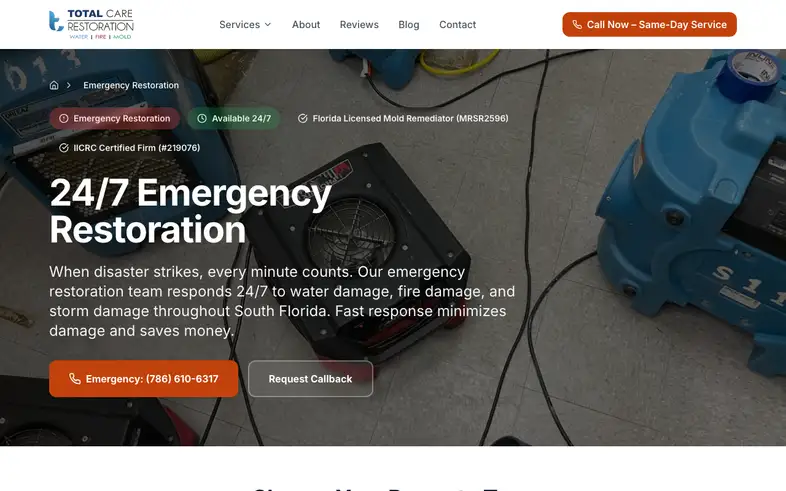 Professional mitigation teams treat sewage backups as high-risk environments requiring immediate containment.
When a municipal sewer line overflows onto a street, city crews may use vactor trucks, bypass pumping, and disinfection to handle the public right-of-way. But when wastewater enters a home or business, the cleanup problem changes. The affected space may include porous materials, hidden wall cavities, HVAC pathways, and belongings that municipal crews do not remove or disinfect.
Restoration teams typically treat sewage backups as high-risk contamination events because the water can contain bacteria, viruses, and other harmful agents. The response usually includes:
- Immediate Extraction: Removing standing wastewater and solid waste.
- Controlled Demolition: Removing porous materials like drywall, carpet, and baseboards that have absorbed the sewage.
- Decontamination: Applying EPA-registered biocides and utilizing HEPA filtration to eliminate airborne contaminants and prevent secondary mold growth.
Attempting to clean a sewage backup with household bleach and a mop can miss contaminated porous materials and hidden moisture. The more useful first step is to stay out of affected areas, document what happened, and bring in a qualified mitigation team before contamination spreads.
What to Do in the First Hour After a Sewage Backup
The first hour should be about safety and containment, not deep cleaning. Sewage water can move under flooring, behind baseboards, into cabinet boxes, and through shared wall cavities. Walking through it, setting fans without containment, or carrying wet materials through clean rooms can spread contamination.
If wastewater enters the property:
- Stay out of affected rooms when possible. Keep children, pets, tenants, and employees away from contaminated areas.
- Avoid using plumbing fixtures. More flushing, showering, laundry, or dishwasher use can add volume if the blockage is still active.
- Document before movement. Take photos and short videos from a safe distance: fixtures, drains, water lines, affected flooring, and any visible backup source.
- Call the responsible utility or plumber. You need to know whether the source is municipal, building-wide, or limited to your private line.
- Do not set household fans across contaminated water. Uncontrolled air movement can spread odors and contaminants before containment is in place.
- Start a contact log. Record who you called, when they arrived, and what they observed.
For condos, apartments, and commercial buildings, notify management immediately because the source may be above, below, or outside the affected unit. Access delays can allow wastewater to sit in wall cavities or under flooring longer than necessary.
Questions to Ask Before Cleanup Starts
Good sewage cleanup starts with clear scope. Before demolition or drying begins, the property owner should understand what will be removed, what can be cleaned, and what needs monitoring.
Ask the mitigation team:
- Which rooms are considered affected, potentially affected, and unaffected?
- Are porous materials like carpet, pad, insulation, swollen baseboards, or contaminated drywall being removed?
- Will the team document moisture readings before and after drying?
- How will clean areas be separated from contaminated work areas?
- Are contents being cleaned on site, discarded, or packed out?
- What photos and notes will be available for insurance, property management, or tenant records?
These questions are especially important when the public utility has already cleaned the street. Exterior cleanup can make the neighborhood look normal while interior materials are still contaminated or wet.
Methodology and Resources
 Local expertise is vital when responding to sudden infrastructure failures and property damage.
The incident examples referenced in this study were reviewed from Florida DEP Public Notice of Pollution records in June 2026. Homeowners tracking local infrastructure health can review DEP resources and county utility notices for current alerts.
If your property is impacted by a municipal overflow or a localized plumbing failure, rapid response is critical to minimizing the damage. Total Care Restoration's emergency restoration team serves South Florida 24/7 and can help document the loss, contain affected rooms, remove contaminated materials, and dry the structure safely.
Disclaimer: Spill volumes and incident details are based on initial public reporting and may be updated by the FDEP as investigations conclude. Confirm current environmental alerts on the official DEP portal before accessing affected waterways. This guide is for informational purposes and does not constitute medical or legal advice.
Want to Learn More?
Read our comprehensive guide covering everything you need to know about this topic.
The Complete Guide to Water Damage Restoration in South FloridaNeed Professional Help?
Our expert team is ready to assist with your water damage restoration needs.
View Water Damage Restoration Services