How Much Does Mold Remediation Cost in Florida?
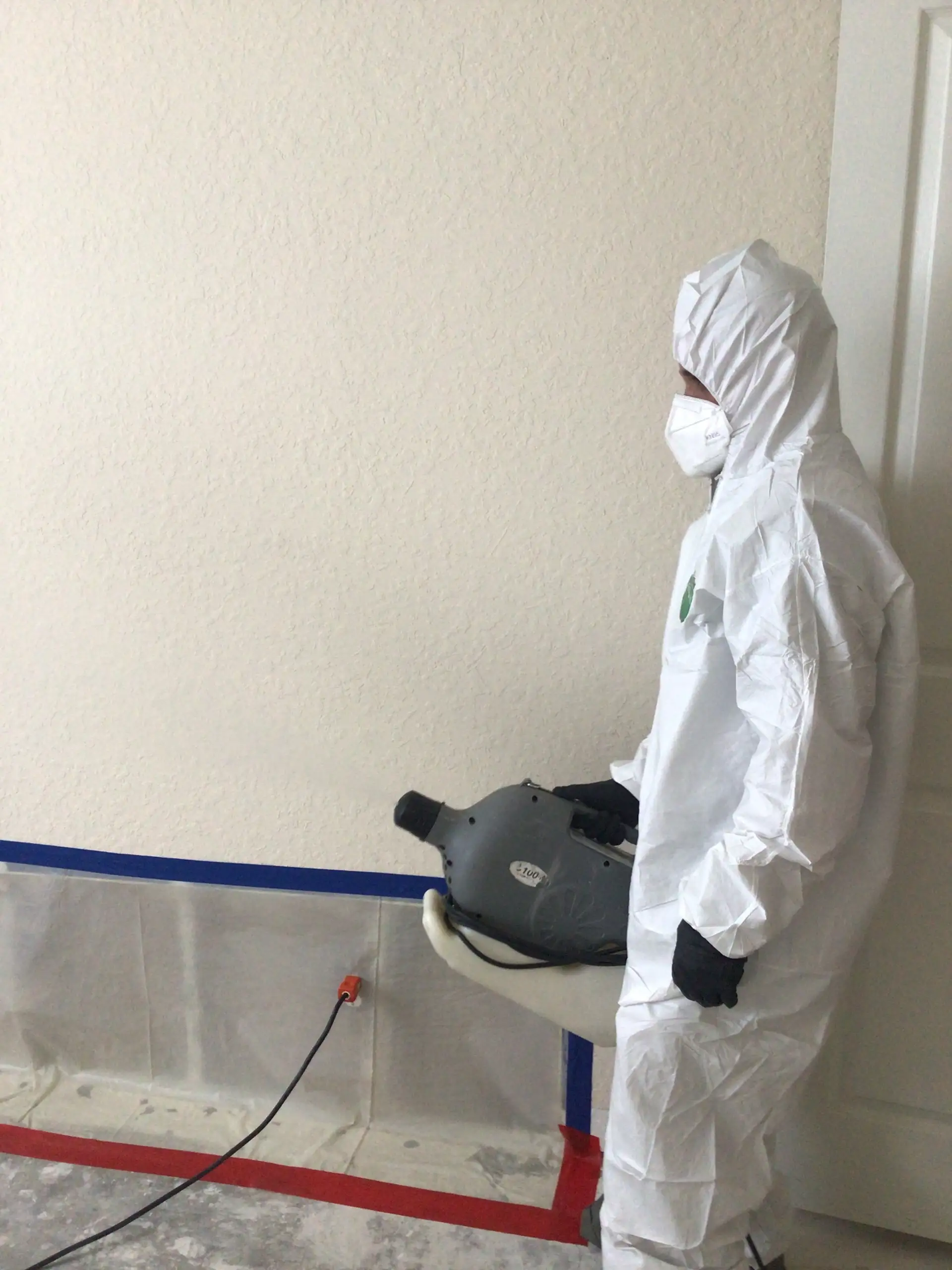
Understanding Mold Remediation Costs in Florida
Florida's humid climate makes mold a common problem for homeowners. When mold is discovered, one of the first questions is always, "How much will this cost to fix?" Understanding mold remediation costs helps you plan appropriately and recognize fair pricing.
Average Cost Ranges
Mold remediation costs vary significantly based on scope. Understanding these price ranges helps you budget appropriately and recognize when a quote falls within normal parameters. The mold removal cost in Florida tends to be slightly higher than the national average due to our humid climate and the frequency of mold issues—but also because Florida contractors have extensive experience dealing with these problems.
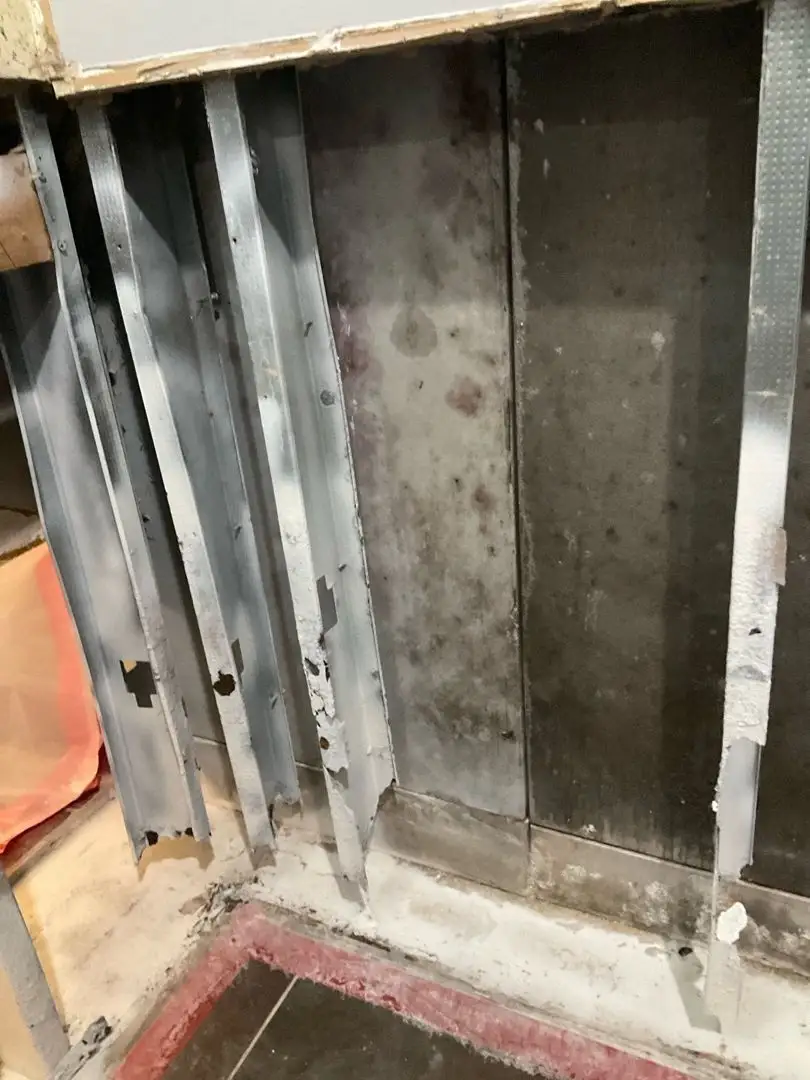
Small Area (Under 10 sq ft)
$500 - $3,000
Small-area mold problems are the most affordable to address and typically involve isolated growth in a single location. These projects can often be completed in a single day, keeping labor costs manageable.
- Single location (under sink, closet corner)
- Accessible mold growth
- Minimal demolition needed
- Quick remediation timeline
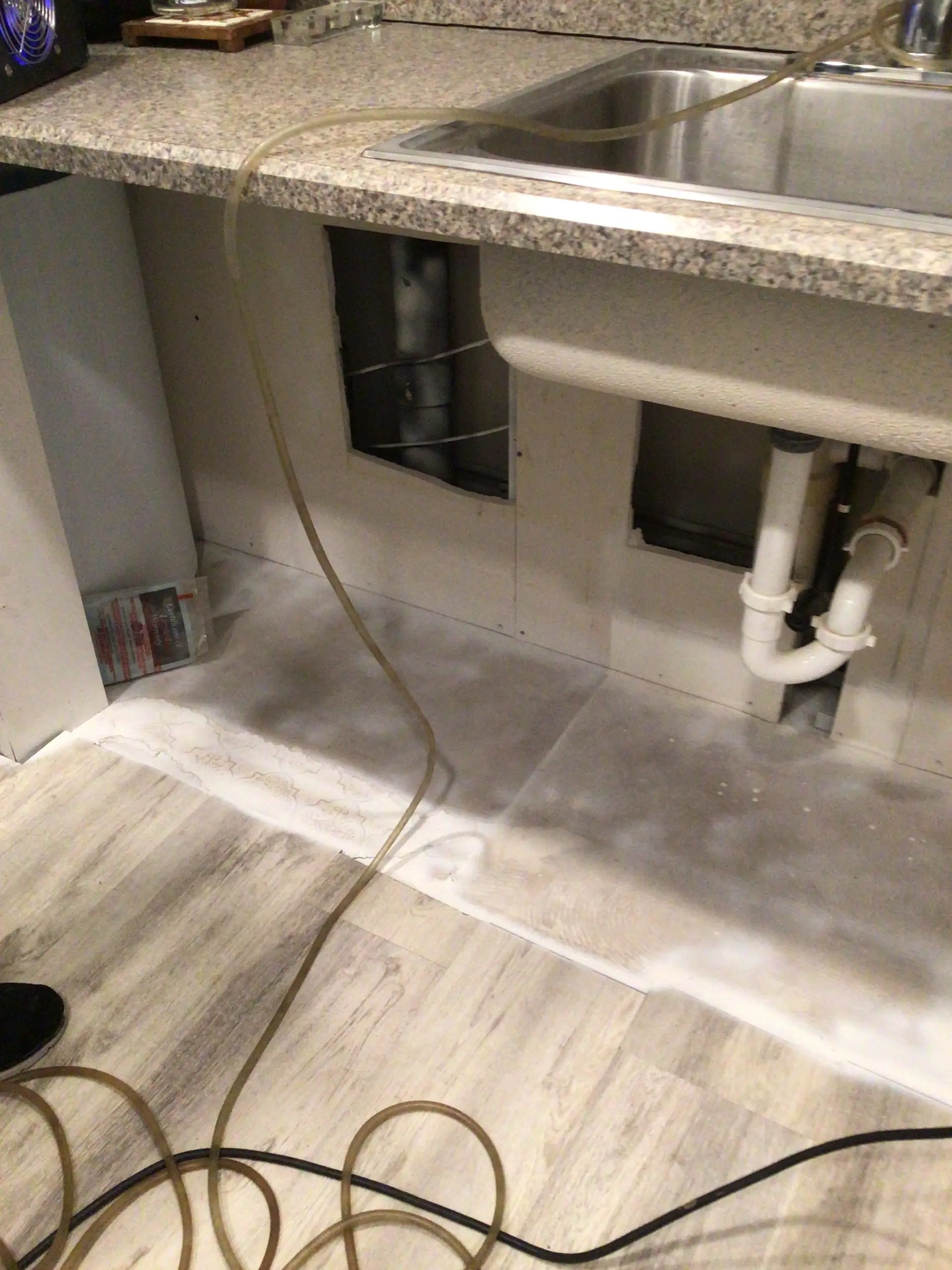
Moderate Area (10-100 sq ft)
$3,000 - $10,000
When asking "how much does mold cleanup cost" for a moderate-sized area, expect costs to increase significantly. These projects typically involve an entire room or section of your home and require professional containment barriers to prevent spores from spreading during removal.
- One room affected
- Some demolition required
- Professional containment needed
- May involve multiple materials
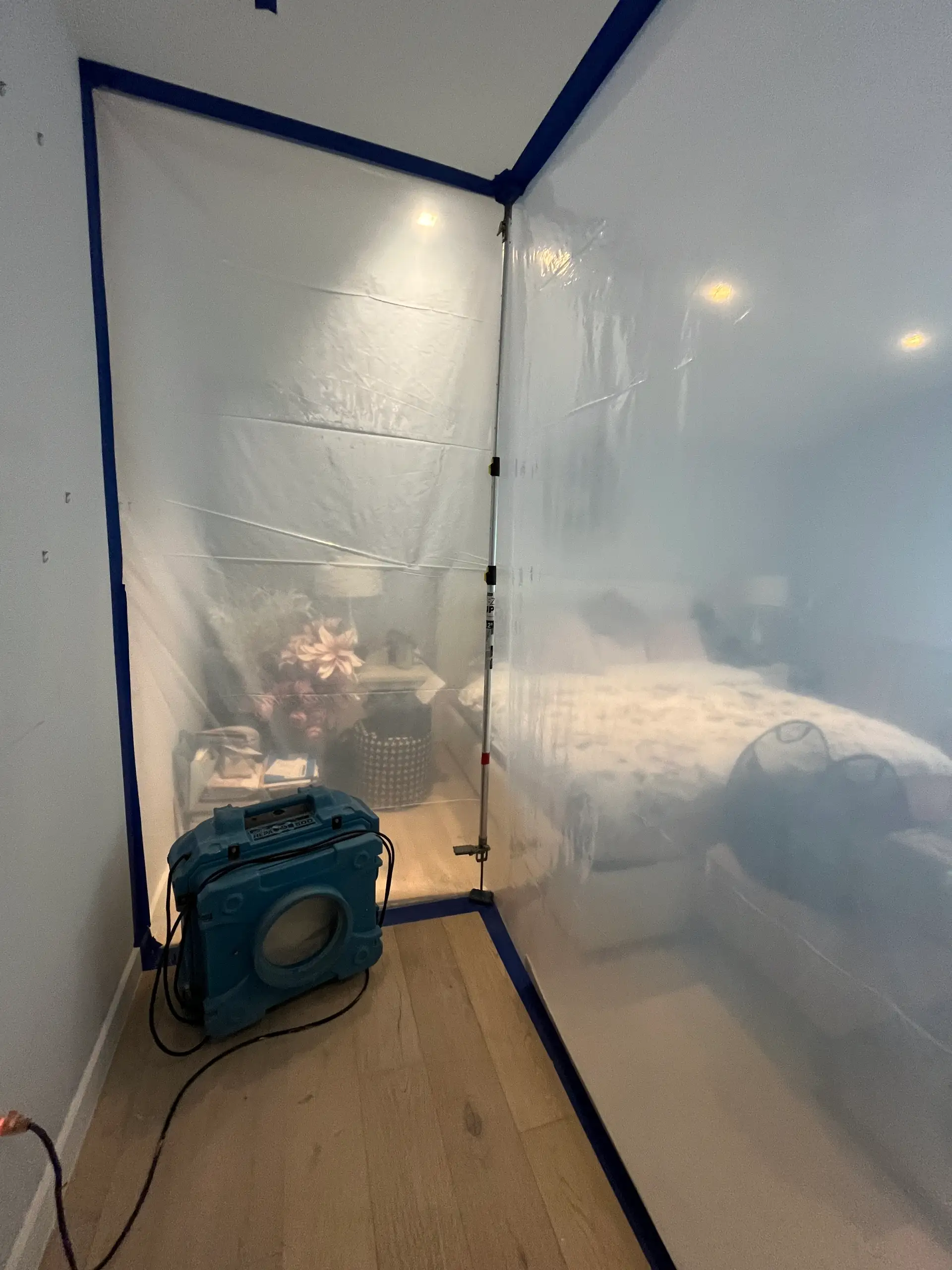
Large Area (100-300 sq ft)
$10,000 - $25,000
Large-scale mold mitigation costs reflect the complexity of these projects. Multiple rooms require separate containment zones, specialized equipment running continuously, and often significant reconstruction after removal. The cost of mold remediation at this level includes substantial labor for demolition and rebuilding.
- Multiple rooms affected
- Extensive contamination
- Significant demolition/reconstruction
- Complex containment systems
Extensive/Whole House
$25,000 - $50,000+
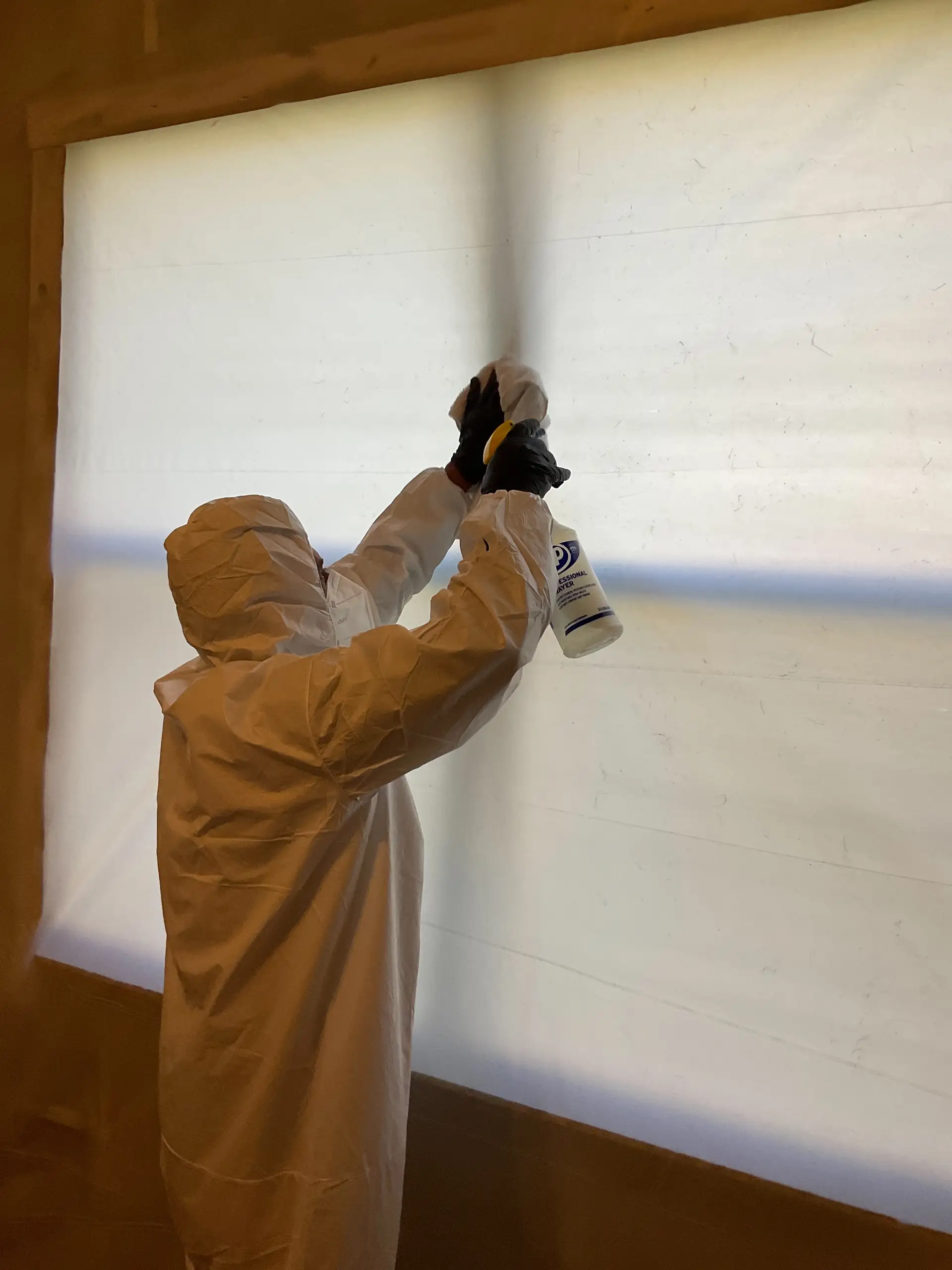
When mold has spread throughout a property, you're looking at a major restoration project. The mold removal price at this level reflects weeks of work, complete HVAC system treatment, and potentially significant structural repairs. In some cases, homeowners must relocate temporarily during remediation.
- Widespread throughout property
- Major structural involvement
- Complete HVAC remediation
- Extended timeline
- May approach property value considerations
Estimated Cost by Florida City
Mold remediation costs can also vary by local market conditions, labor rates, and demand (especially after severe weather events). Here is a general comparison for a standard moderate-sized remediation project across major Florida cities:
| Florida City | Estimated Average Range |
|---|---|
| Miami / Fort Lauderdale | $3,500 - $12,000 |
| West Palm Beach | $3,200 - $11,000 |
| Tampa / St. Petersburg | $3,000 - $10,000 |
| Orlando | $2,800 - $9,500 |
| Jacksonville | $2,500 - $8,500 |
Note: These are estimates for a moderate (10-100 sq ft) remediation. Actual prices depend heavily on the specific factors outlined below.
Cost Per Square Foot
Many homeowners ask "how much does it cost to remediate mold per square foot?" This metric provides a useful baseline for comparing estimates and understanding pricing. However, keep in mind that per-square-foot pricing typically applies only to the contaminated area—not your entire home's square footage. Here's what you can expect:
| Scenario | Price Range (per sq ft) |
|---|---|
| Surface mold only | $10 - $25 |
| Mold behind walls | $25 - $40 |
| Mold in HVAC system | $30 - $50 |
| Mold in crawl space | $15 - $35 |
| Attic mold | $20 - $40 |
Note: Per square foot pricing often applies to the contaminated area, not your total home size.
Factors That Affect Cost
1. Size of Affected Area
The primary cost driver:
- Larger areas require more labor
- More materials and equipment needed
- Longer project timeline
- More extensive containment
2. Location of Mold
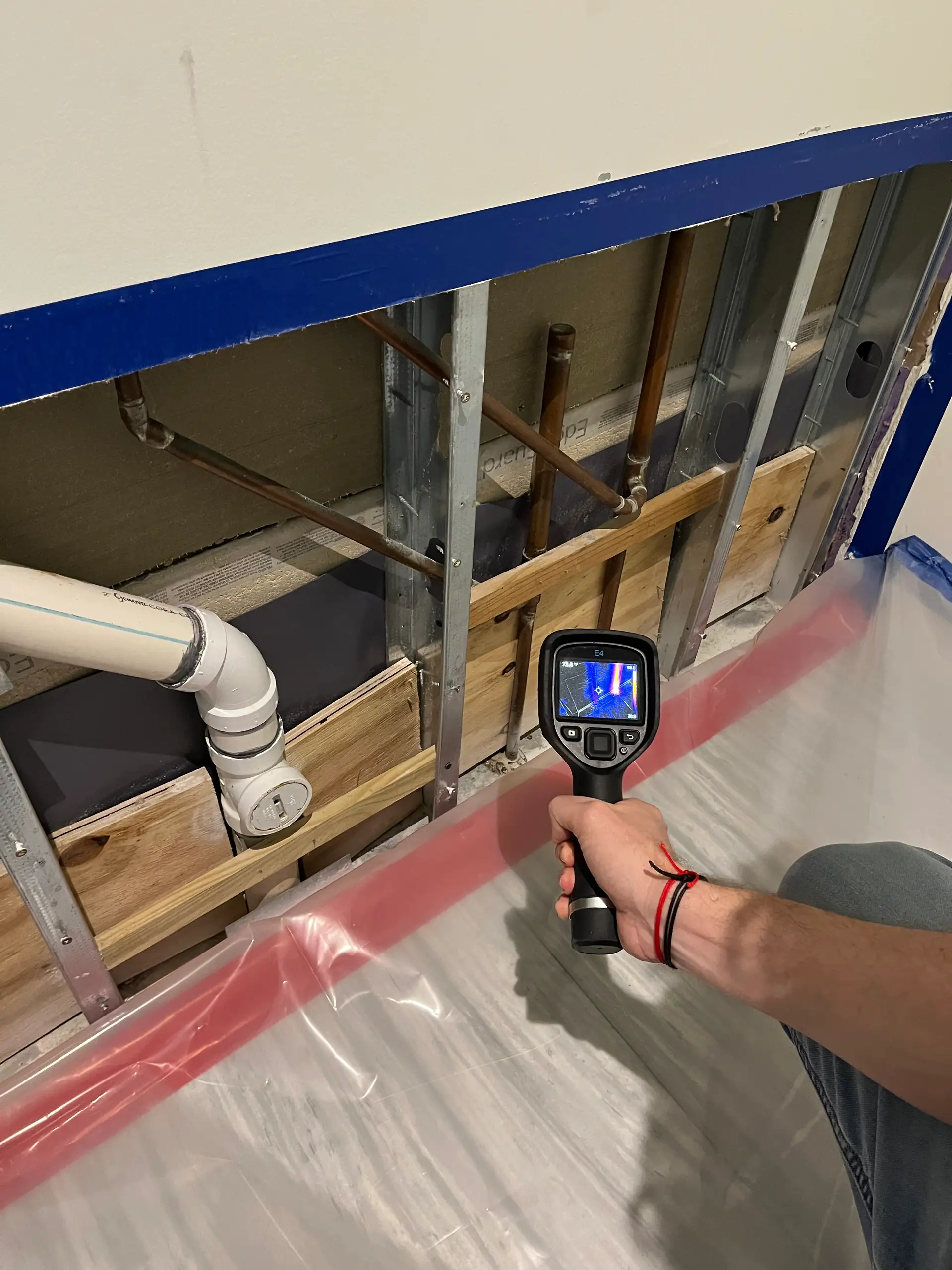
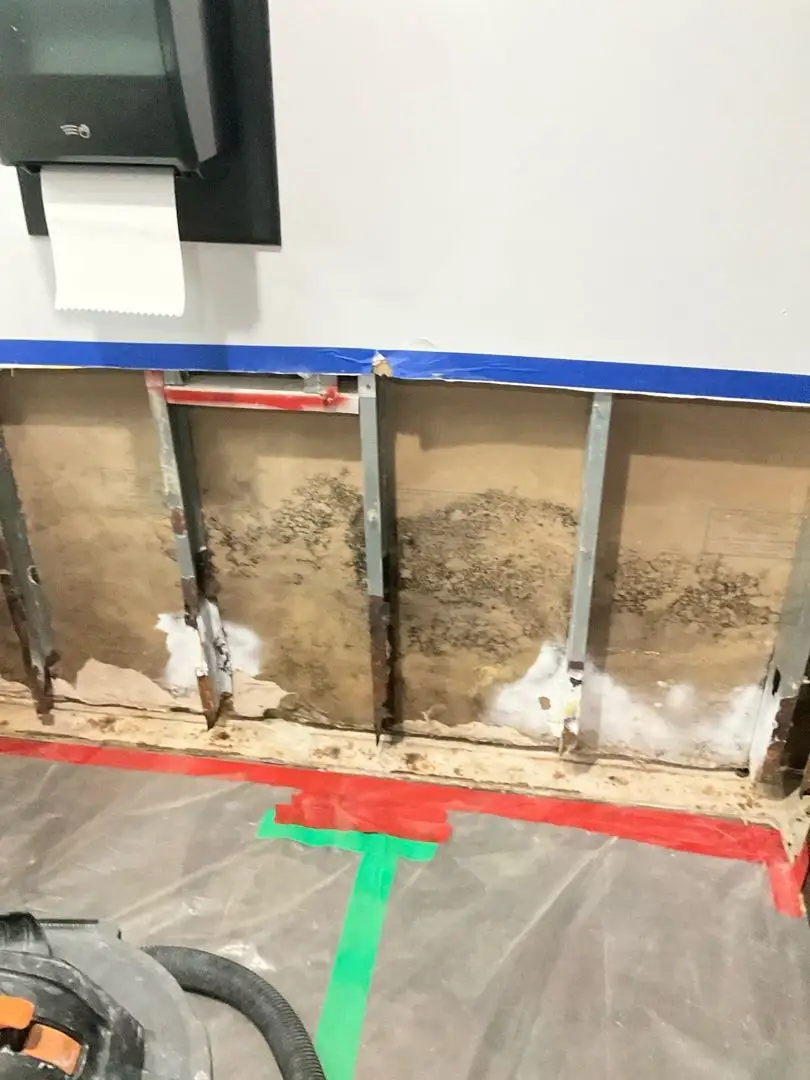
Where mold grows significantly impacts how much it costs to remove mold. Accessible areas cost less because technicians can work efficiently without extensive demolition. Hidden mold—inside walls, in ductwork, or in crawl spaces—requires more time, specialized equipment, and often exploratory demolition to fully address.
Easy Access (Lower Cost)
- Bathroom surfaces
- Visible wall areas
- Open basement areas
Difficult Access (Higher Cost)
- Inside wall cavities
- HVAC ductwork
- Attic spaces
- Crawl spaces
- Behind cabinetry
3. Type of Materials Affected
The materials where mold has taken hold directly affect remediation costs. Porous materials like drywall and carpet absorb mold deeply and typically must be removed entirely, while non-porous surfaces can often be cleaned and treated. Understanding this distinction helps explain why two mold problems of similar size can have very different price tags.
Porous Materials (Often Removed)
- Drywall: Must be cut out and replaced
- Carpet: Usually requires replacement
- Insulation: Cannot be cleaned, must be replaced
- Soft furnishings: Often not salvageable
Semi-Porous (May Be Cleaned)
- Wood framing: Can often be treated
- Concrete: Surface cleaning possible
- Plywood: Depends on penetration
Non-Porous (Usually Cleaned)
- Metal: Surface cleaning effective
- Glass: Easy to clean
- Hard plastics: Can be treated
4. Severity of Contamination
Spore count affects scope:
- Light contamination: Surface cleaning
- Moderate: Removal and treatment
- Heavy: Extensive removal and air treatment
- Severe: May require structural remediation
5. Cause of Mold
Underlying issues affect total cost:
- Water damage remediation may be needed
- Plumbing repairs
- Roof repairs
- Drainage improvements
- HVAC repairs
Breakdown of Remediation Costs
Understanding the individual components that make up your total mold remediation estimate helps you evaluate quotes and understand where your money goes. A complete remediation project typically includes testing, containment, actual remediation work, and reconstruction.
Testing and Assessment
Professional mold inspection prices vary based on the thoroughness of the evaluation. A basic visual inspection costs less than comprehensive air quality testing, but the latter provides crucial data about spore counts and mold types present. Many homeowners ask "how much is a mold inspection?"—here are typical mold assessment costs:
- Initial inspection: $200 - $600
- Air quality testing: $300 - $800
- Surface sampling: $150 - $400
- Post-remediation testing: $200 - $500
Containment Setup
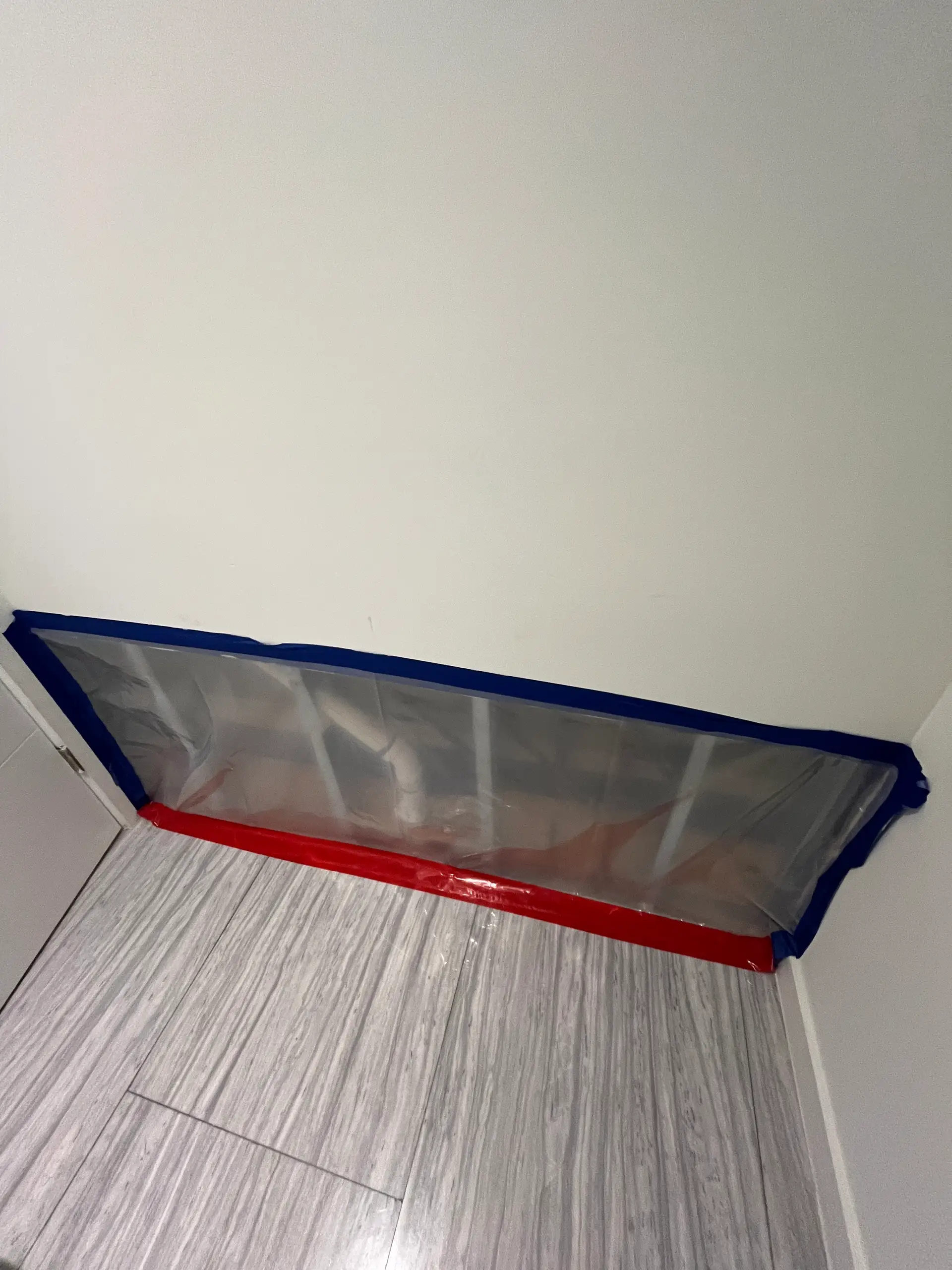
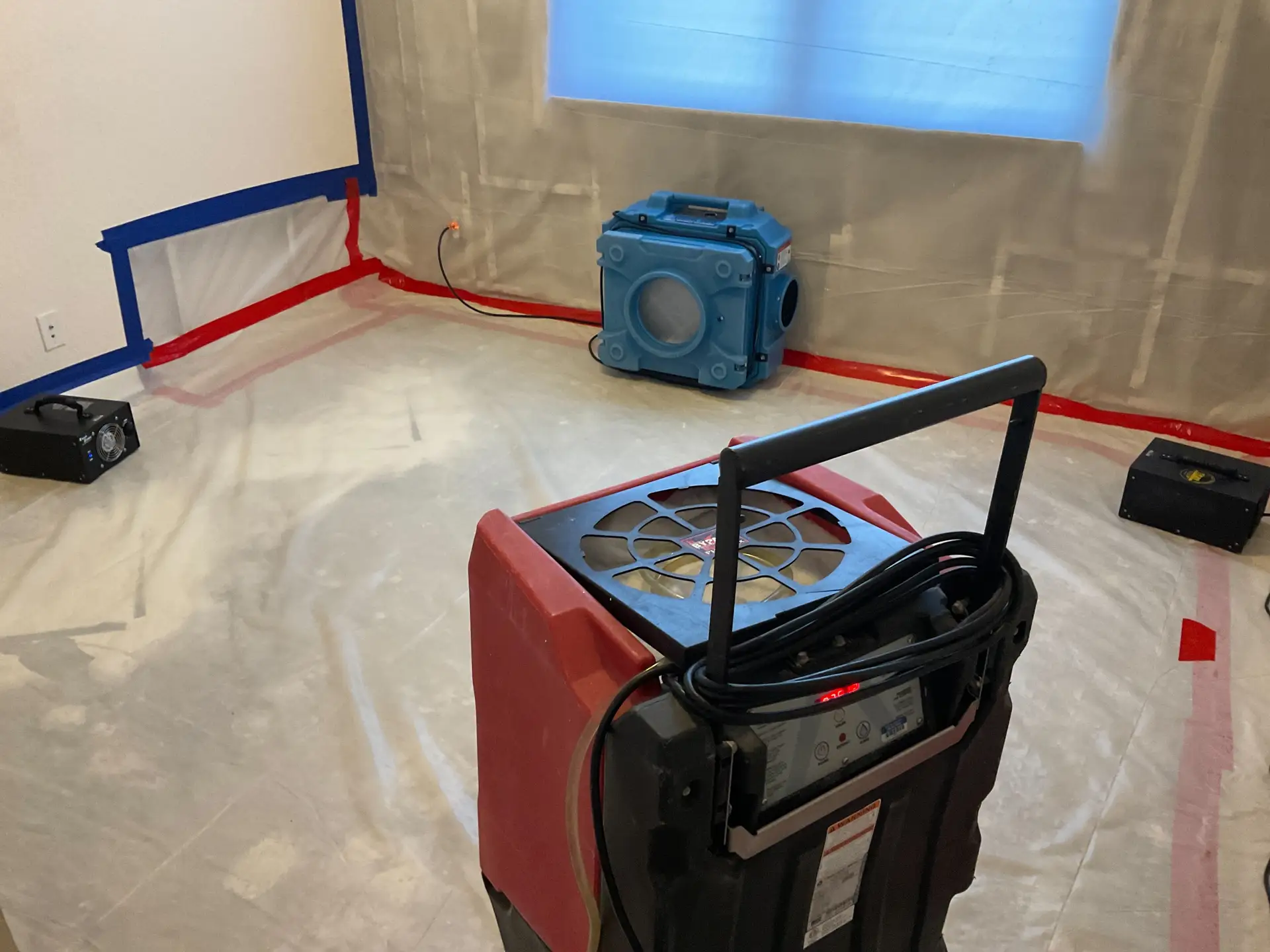
Proper containment prevents mold spores from spreading throughout your home during remediation. Professional remediation companies use plastic sheeting to seal off work areas and negative air machines to maintain lower pressure inside the containment zone. This equipment represents a significant portion of the mold abatement cost but is essential for effective remediation.
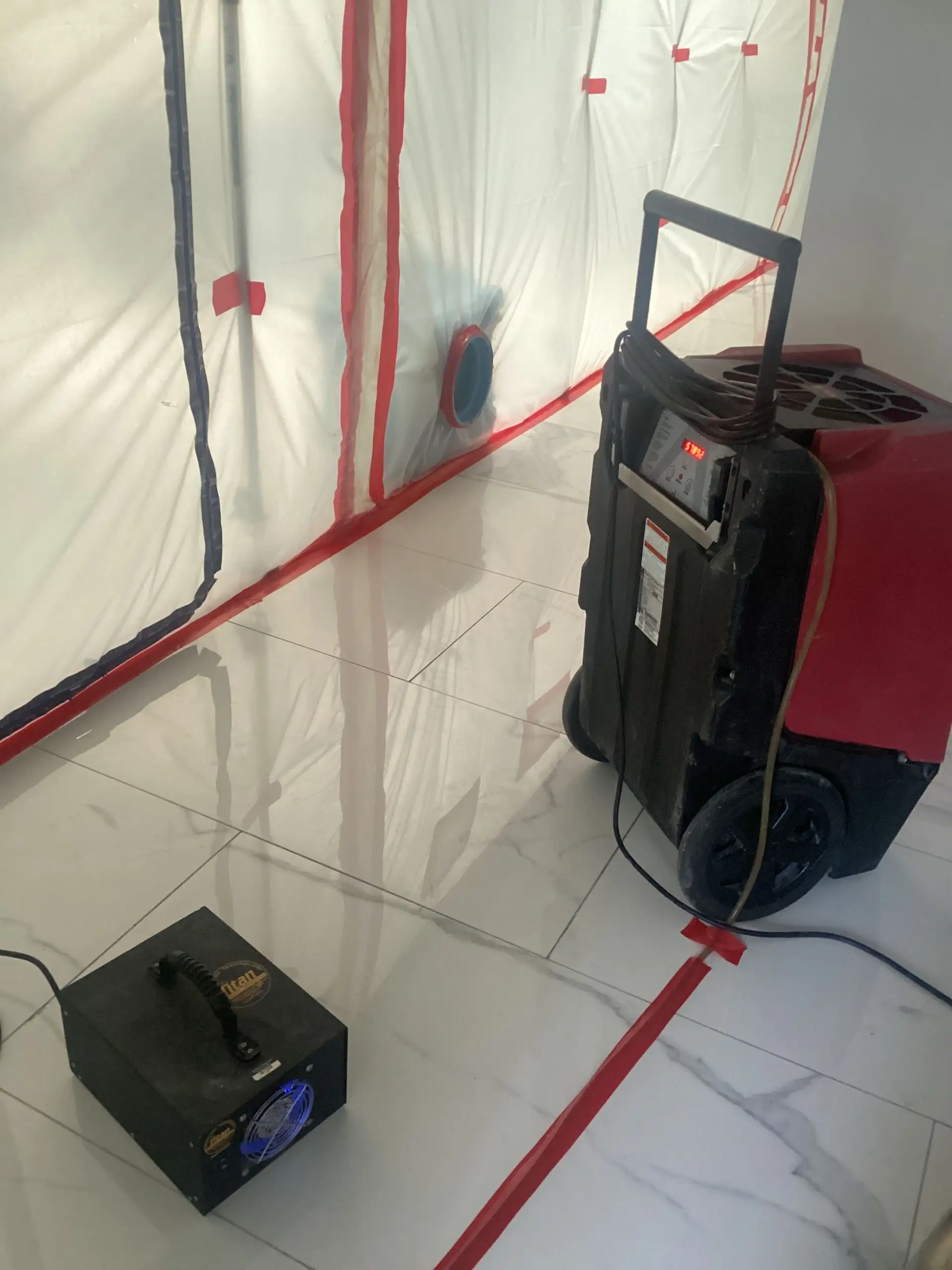
- Plastic barriers: $200 - $800
- Negative air machines: Included or $200-500
- HEPA filtration: Included in most estimates
Remediation Work
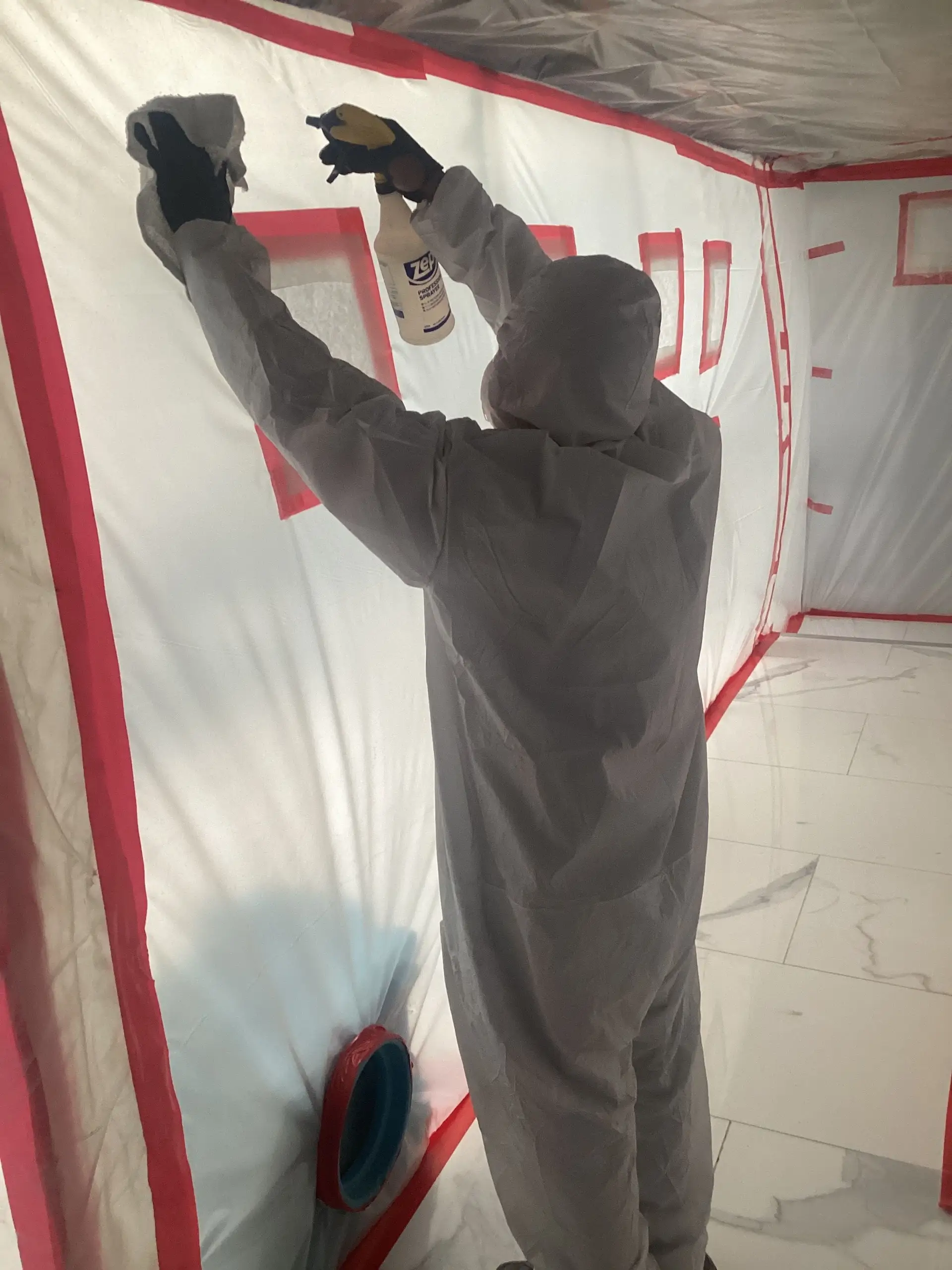
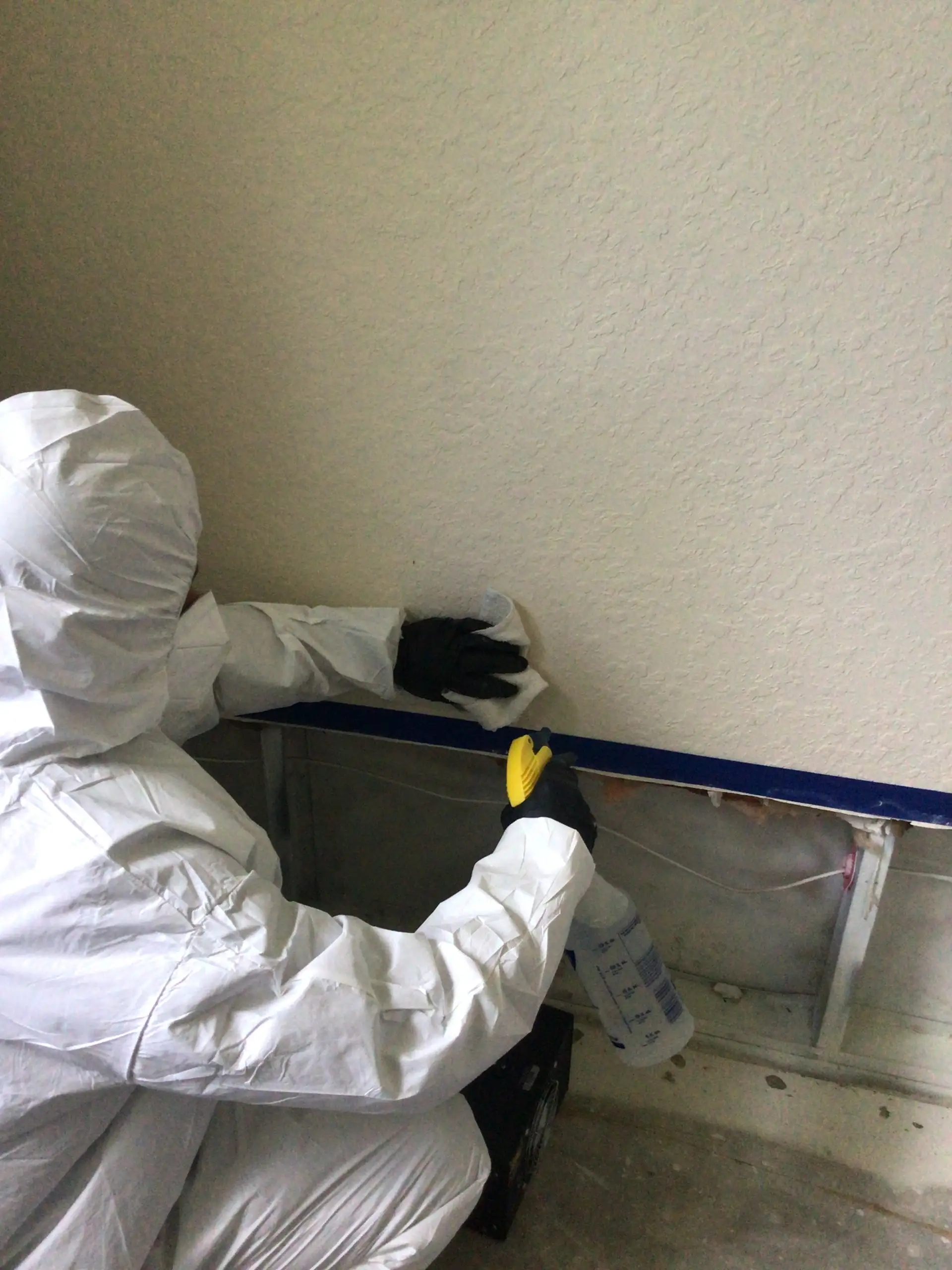
The actual remediation work is where most of your investment goes. Technicians wearing protective equipment carefully remove contaminated materials, treat remaining surfaces with antimicrobial solutions, and ensure all affected areas are properly cleaned. This phase requires skilled labor and specialized products.
- Surface cleaning: $10 - $20 per sq ft
- Material removal: $15 - $30 per sq ft
- HVAC cleaning: $400 - $2,000
- Antimicrobial treatment: $300 - $1,500
Reconstruction
- Drywall replacement: $2 - $4 per sq ft
- Painting: $2 - $4 per sq ft
- Flooring: $3 - $15 per sq ft
- Cabinetry: Varies widely
Insurance Coverage for Mold
One of the most common questions we receive is "who pays for mold remediation?" The answer depends largely on what caused the mold and the specifics of your insurance policy. Florida homeowners often have limited mold coverage, so understanding your policy before you need it is crucial.
What's Typically Covered
Mold coverage depends on its cause. Insurance companies distinguish between sudden, accidental water damage (typically covered) and gradual issues from poor maintenance (typically not covered):
Usually Covered
- Mold from covered water damage (burst pipe)
- Mold discovered during other covered repairs
- Mold from sudden, accidental events
Usually NOT Covered
- Mold from gradual leaks (maintenance issue)
- Mold from humidity/condensation
- Mold from flooding (requires flood insurance)
- Pre-existing mold conditions
- Neglect or deferred maintenance
Coverage Limits
Florida policies often include:
- Mold coverage caps: $10,000 - $50,000 typical
- Separate mold deductible: Some policies
- Mold exclusions: Read your policy carefully
How to Improve Coverage
Options include:
- Mold endorsement (additional coverage)
- Higher coverage limits
- Lower mold-specific deductible
- Document water events immediately
Getting Accurate Estimates
What to Look For
A quality mold remediation estimate should be detailed and transparent. Vague quotes often lead to unexpected charges or incomplete work. When comparing the cost of mold remediation between contractors, make sure each estimate includes the same scope of work so you're comparing apples to apples. Quality estimates should include:
- Detailed scope of work
- Square footage calculations
- Material specifications
- Timeline for completion
- Testing protocols
- Warranties provided
- What's NOT included
Red Flags in Estimates
Extremely low mold removal prices often indicate corners will be cut or hidden fees will appear later. Legitimate mold remediation requires proper equipment, trained technicians, and quality materials—none of which come cheap. Be cautious of:
- Estimates without inspection
- Significantly below-market pricing
- Pressure to sign immediately
- Vague scope descriptions
- No mention of testing
- No warranty information
Getting Multiple Estimates
Best practices:
- Get at least 3 estimates
- Ensure similar scope for comparison
- Verify all contractors are licensed
- Check references and reviews
- Ask about insurance coordination
DIY vs Professional Remediation
"Can you remediate mold yourself?" is a question many homeowners ask when faced with mold removal costs. The answer is: sometimes, but proceed with caution. DIY mold removal can save money on small, surface-level problems, but attempting it on larger areas often makes problems worse by spreading spores throughout your home.
When DIY Might Be Appropriate
Small areas ONLY—and even then, proper precautions are essential:
- Less than 10 square feet
- On non-porous surfaces
- No underlying water issue
- No HVAC involvement
- No health-sensitive occupants
When Professional Is Required
Is professional mold removal worth it? Absolutely, in most situations. Professional remediation ensures complete removal, prevents cross-contamination, and typically includes warranties. For anything beyond minor surface mold, the expertise and equipment professionals bring justify the investment. Always hire professionals for:
- Areas larger than 10 sq ft
- Mold behind walls or in ceilings
- HVAC system contamination
- Recurring mold problems
- Health concerns in household
- Insurance claim situations
Florida-Specific Considerations
Florida presents unique challenges for mold prevention and remediation. Our combination of high humidity, frequent storms, and year-round air conditioning use creates conditions where mold thrives. Understanding these Florida-specific factors helps explain why mold remediation cost in Florida often runs higher than national averages.
Higher Humidity = Higher Risk
Florida's subtropical climate means mold has ideal growing conditions year-round. What might be a minor moisture problem in a drier state can quickly become a major mold infestation here:
- Mold grows faster here
- Prevention is crucial
- Problems expand quickly
- Regular monitoring important
Hurricane Season Impact
After storms:
- Mold can grow within 48 hours
- Demand for services increases
- Prices may temporarily rise
- Book reputable contractors early
AC-Related Mold
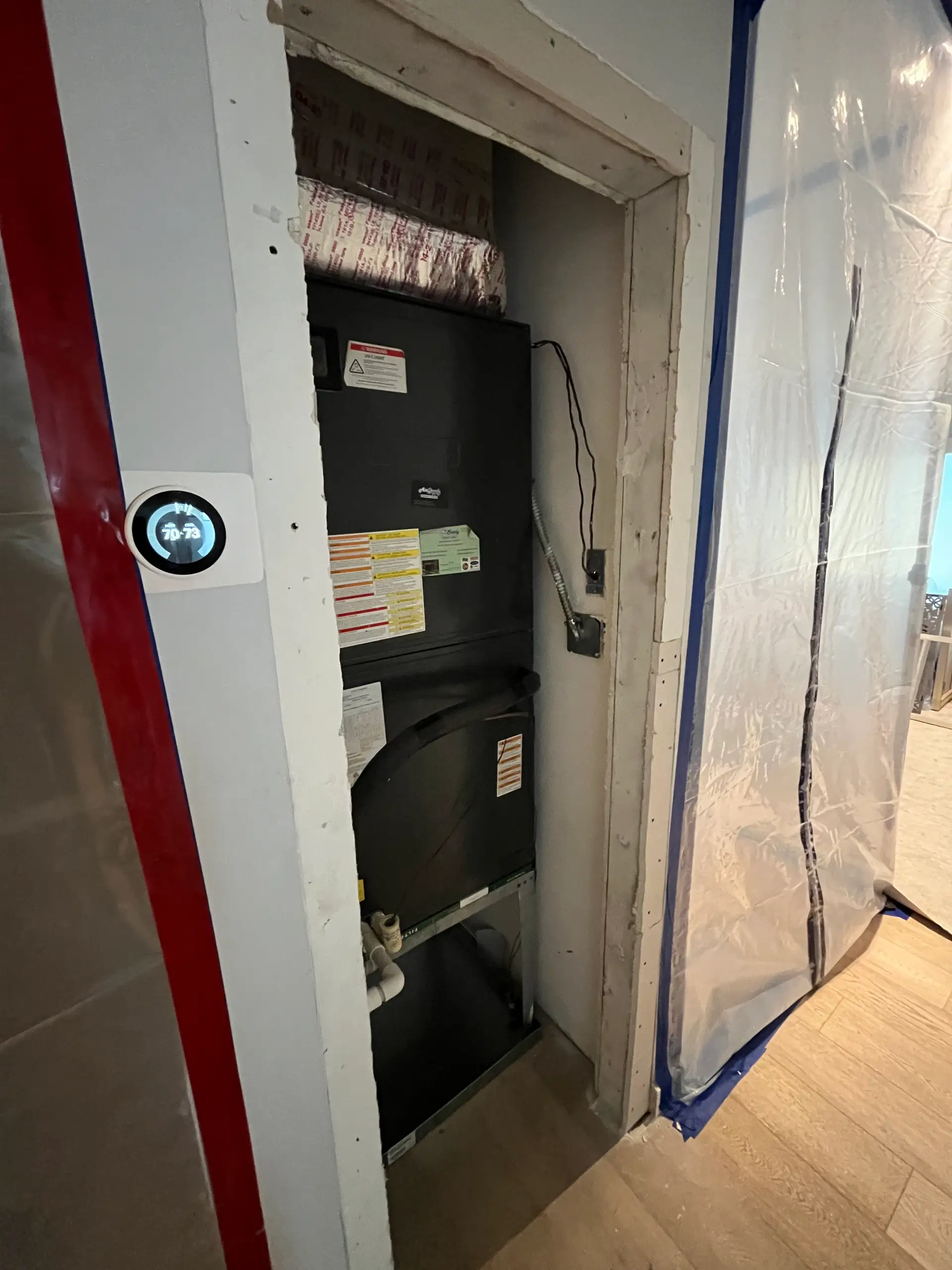
Florida's heavy reliance on air conditioning creates mold opportunities that don't exist in cooler climates. AC systems constantly remove moisture from indoor air, but when drains clog or condensation builds up in ductwork, you can develop mold problems quickly. Understanding HVAC mold removal costs is particularly relevant for Florida homeowners.
- Clogged condensate drains
- Dirty filters promoting growth
- Duct condensation
- Regular AC maintenance essential
How Much Does Black Mold Removal Cost?
Black mold (Stachybotrys chartarum) often triggers more concern—and higher remediation costs—than other mold types. While all mold should be addressed promptly, black mold produces mycotoxins that can cause more serious health effects, leading to stricter remediation protocols.
Why Black Mold Costs More
Black mold removal typically costs 20-50% more than remediation of other mold types due to:
- Enhanced PPE requirements: Technicians need respirators, full Tyvek suits, and eye protection
- Stricter containment: More extensive barriers and negative air pressure systems
- Additional testing: Pre and post-remediation air quality testing is essential
- Specialized disposal: Contaminated materials require specific handling
Black Mold Removal Price Ranges
| Area Size | Typical Cost Range |
|---|---|
| Small (under 10 sq ft) | $2,000 - $6,000 |
| Moderate (10-100 sq ft) | $5,000 - $15,000 |
| Large (100+ sq ft) | $15,000 - $30,000+ |
If you suspect black mold, don't attempt DIY removal. The health risks and potential for spreading contamination make professional remediation essential.
HVAC Mold Removal Cost
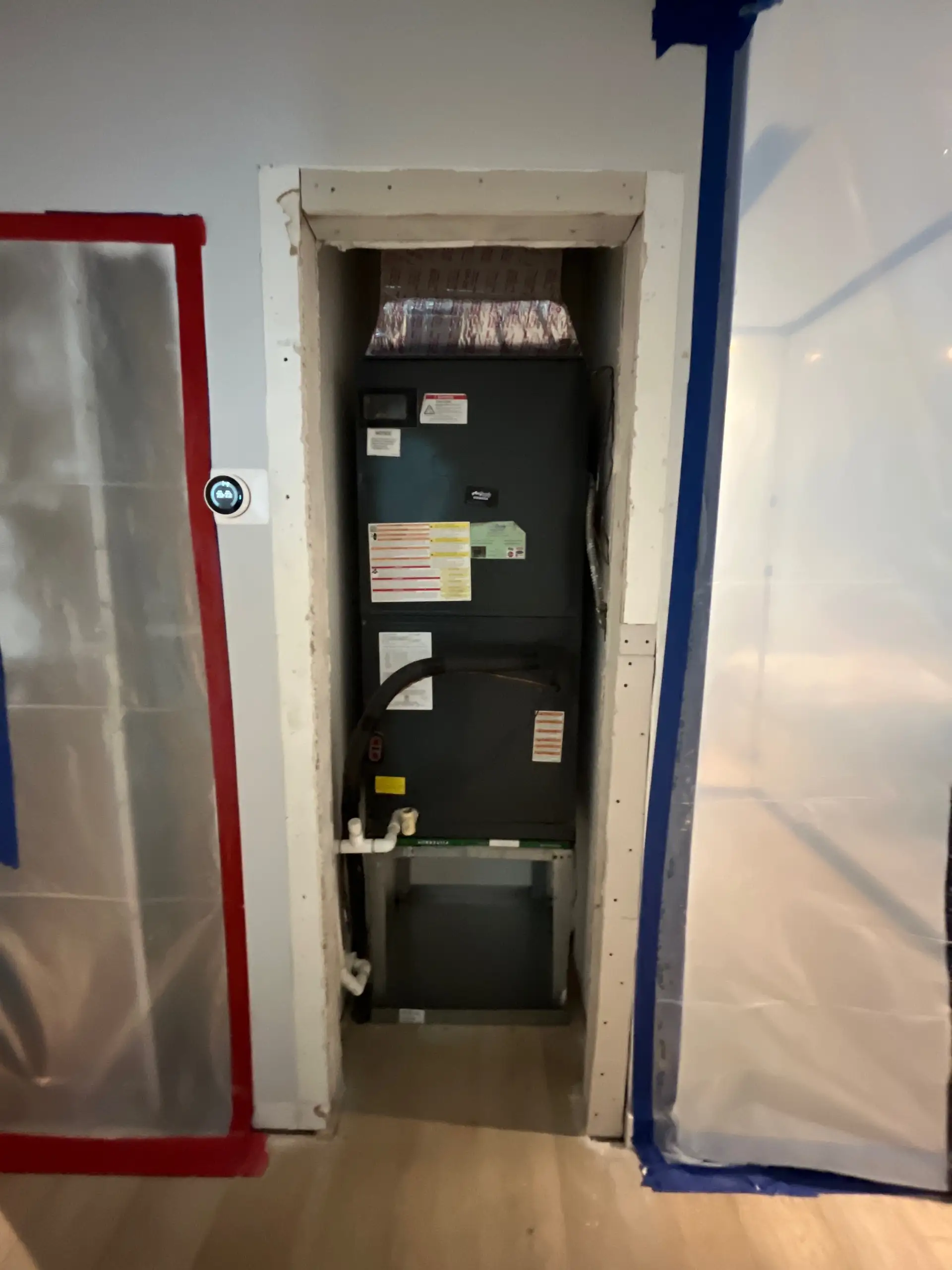
Mold in your HVAC system is particularly problematic because the system can spread spores throughout your entire home every time it runs. Florida homeowners frequently ask about HVAC mold removal costs because our constant AC use makes this a common issue.
Air Duct Cleaning Costs
If you're wondering how much to clean mold from air ducts, here's what to expect:
- Basic duct cleaning: $400 - $1,000
- Duct cleaning with antimicrobial treatment: $800 - $1,500
- Duct cleaning with mold remediation: $1,500 - $3,000
- Complete duct replacement: $3,000 - $8,000
Full HVAC System Remediation
When mold has spread throughout the HVAC system—including the air handler, coils, and ductwork—costs increase significantly:
- Air handler cleaning and treatment: $500 - $1,500
- Coil cleaning: $200 - $500
- Complete system remediation: $3,000 - $8,000
- System replacement (if severely contaminated): $8,000 - $15,000+
Prevention Tips
To avoid expensive HVAC mold removal costs:
- Change filters monthly during heavy use seasons
- Keep condensate drains clear
- Schedule annual AC maintenance
- Maintain indoor humidity below 60%
- Consider UV lights in the air handler
Attic Mold Removal Cost
Attic mold is common in Florida due to heat, humidity, and often inadequate ventilation. If you're asking "how much does mold removal cost for attic?" the answer depends on the extent of contamination and accessibility.
Typical Attic Mold Remediation Costs
| Scenario | Cost Range |
|---|---|
| Surface mold on limited area | $1,500 - $3,500 |
| Moderate attic contamination | $3,500 - $8,000 |
| Extensive attic mold | $8,000 - $15,000 |
| Full attic remediation with insulation replacement | $10,000 - $25,000 |
What Affects Attic Mold Removal Price
Several factors influence how much attic mold remediation costs:
- Accessibility: Low clearance or difficult access increases labor time
- Insulation type: Blown-in insulation is harder to work around
- Roof condition: Underlying leaks must be fixed first
- Ventilation issues: May need to add vents or fans to prevent recurrence
- Contaminated materials: Insulation usually must be replaced entirely
How Much Does Mold Testing Cost?
Before remediation begins, proper testing establishes the extent of contamination and identifies mold types present. Many homeowners ask "how much is a mold test?" or "what does a mold inspection cost?"—here's a detailed breakdown.
Mold Inspection Costs
A professional mold inspector evaluates your property to identify visible mold and conditions that promote growth. Home mold inspection costs vary by thoroughness:
| Service | Cost Range |
|---|---|
| Basic visual inspection | $150 - $300 |
| Comprehensive inspection | $300 - $600 |
| Inspection with moisture mapping | $400 - $800 |
Mold Testing Costs
Testing involves collecting samples to identify mold types and spore concentrations. How much does mold testing cost? Here are typical mold evaluation costs:
| Test Type | Cost Range |
|---|---|
| Air quality test (per sample) | $75 - $150 |
| Surface/swab test (per sample) | $50 - $100 |
| Bulk sample analysis | $75 - $150 |
| Complete testing package (multiple samples) | $300 - $800 |
DIY Test Kits vs Professional Testing
DIY mold test kits cost $30-$100 but have significant limitations:
- They only confirm mold presence (which is everywhere)
- They don't measure spore concentrations
- Results can be unreliable
- They don't identify the source
Professional testing provides actionable data about spore counts, mold types, and contamination extent—information essential for proper remediation planning.
Post-Remediation Testing
After remediation, clearance testing (typically $200-$500) verifies the work was successful. This testing is:
- Required for insurance claims
- Essential for peace of mind
- Necessary before reconstruction begins
Who Pays for Mold Remediation?
Understanding financial responsibility for mold remediation helps you plan and advocate for coverage when applicable.
Insurance Coverage Scenarios
Your homeowners insurance typically pays when:
- Mold results from a covered peril (burst pipe, storm damage)
- You discover mold while making covered repairs
- The cause was sudden and accidental
You typically pay when:
- Mold results from poor maintenance
- The cause was gradual (slow leak you ignored)
- Mold stems from humidity or condensation
- You don't have mold coverage
Landlord vs Tenant Responsibility
In Florida rental properties:
- Landlords are generally responsible for mold remediation if it results from building defects, plumbing issues, or other property problems
- Tenants may be responsible if mold resulted from their actions (not running AC, not reporting leaks, improper ventilation)
Payment Options When You're Responsible
If you must pay out-of-pocket for mold remediation:
- Payment plans: Many remediation companies offer financing
- Home equity loans: Lower interest rates for major projects
- Credit cards: Some offer 0% intro APR for large purchases
- Personal loans: Available for homeowners with good credit
Get Your Free Mold Remediation Estimate
At Total Care Restoration, we provide complimentary mold assessments and detailed written estimates. Our free estimate includes:
- Visual inspection of affected areas
- Moisture readings
- Scope of work documentation
- Transparent pricing breakdown
- Insurance coordination assistance
Call (786) 610-6317 or contact us online to schedule your free mold remediation estimate today.
Reducing Mold Remediation Costs
While you can't always control when mold appears, you can take steps to minimize the cost of mold remediation when it does. The biggest factor in keeping costs down is catching problems early—before they spread. Here are strategies that can significantly reduce what you'll pay:
Act Quickly
Time matters significantly—more than almost any other factor. A $500 problem can become a $5,000 problem in just a few weeks:
- Small problems become large quickly
- Early intervention costs less
- Prevents structural damage
- Reduces health exposure
Address Root Causes
Prevent recurrence:
- Fix water intrusion immediately
- Maintain proper ventilation
- Control indoor humidity
- Regular AC maintenance
Choose Wisely
Right contractor selection:
- Balance cost with quality
- Consider warranty value
- Check credentials thoroughly
- Verify insurance coverage
Frequently Asked Questions About Mold Remediation Costs
Is professional mold removal worth it?
Yes, professional mold removal is worth the investment in most situations. While DIY might seem cheaper upfront, professional remediation offers several advantages that justify the cost:
- Complete removal: Professionals have equipment to detect and remove hidden mold that DIY methods miss
- Prevention of spread: Improper removal can spread spores throughout your home, making the problem worse
- Health protection: Professional equipment protects both technicians and your family during removal
- Warranties: Most professional work comes with guarantees
- Insurance compliance: Many policies require professional remediation for claims
For small, surface-level mold (under 10 square feet on non-porous surfaces), DIY can be appropriate. For anything larger or more complex, professional remediation is worth every penny.
Is it expensive to remediate mold?
Mold remediation costs range from $500 for small, simple jobs to $25,000 or more for extensive contamination. Whether that's "expensive" depends on your perspective. Consider that:
- Untreated mold damage increases exponentially over time
- Health costs from mold exposure can far exceed remediation costs
- Structural damage from ignored mold can require major repairs
- Home values decrease significantly with known mold problems
When viewed as protecting your health, home value, and preventing larger future expenses, mold remediation is a reasonable investment. Many homeowners find that insurance covers a significant portion of the cost.
Can a house with mold be fixed?
Absolutely. Almost any mold problem can be fixed with proper remediation. Even homes with severe, widespread contamination can be restored to safe, healthy conditions. The key factors are:
- Professional assessment: Understanding the full extent of the problem
- Proper remediation: Following industry protocols for containment and removal
- Source elimination: Fixing the underlying moisture issue that caused the mold
- Verification: Post-remediation testing to confirm success
Homes that have been properly remediated are completely safe to live in. The goal of professional remediation is returning your home to normal, healthy conditions.
Can you remediate mold yourself?
You can safely handle DIY mold removal only in limited circumstances:
DIY is appropriate when:
- The affected area is less than 10 square feet
- Mold is on non-porous surfaces (tile, glass, metal)
- There's no underlying water problem
- No one in your household has health sensitivities
- The mold isn't in your HVAC system
Always hire professionals when:
- The area exceeds 10 square feet
- Mold is behind walls, in ceilings, or in ductwork
- You smell mold but can't see it
- The problem keeps returning
- Anyone has health concerns
If you attempt DIY removal, use proper protection (N95 mask, gloves, eye protection), contain the area with plastic sheeting, and ensure adequate ventilation. Never use bleach on porous materials—it doesn't penetrate and can worsen the problem.
Conclusion
Mold remediation in Florida typically costs between $500 for small areas to $50,000 or more for extensive contamination. The key factors affecting mold removal cost are the size of the affected area, location and accessibility of the mold, materials involved, and whether specialized remediation (like black mold or HVAC systems) is required.
Understanding these costs helps you budget appropriately, recognize fair pricing, and make informed decisions about DIY versus professional remediation. Remember that early intervention is the most effective way to keep mold remediation costs manageable—small problems addressed quickly are far less expensive than large problems that have spread.
Get professional assessment from qualified contractors, understand your insurance coverage, and don't delay treatment. Is it expensive to remediate mold? The real question is: can you afford not to?
At Total Care Restoration, we provide free mold remediation estimates and detailed assessments throughout South Florida. We work directly with your insurance company and offer transparent, honest pricing with no hidden fees.
Call us at (786) 610-6317 to schedule your free mold assessment today.
Frequently Asked Questions
Want to Learn More?
Read our comprehensive guide covering everything you need to know about this topic.
The Complete Guide to Mold Remediation in FloridaNeed Professional Help?
Our expert team is ready to assist with your mold remediation needs.
View Mold Remediation Services